Fix Windows Update Error 0x8007042B: Complete Solutions
Fix Windows Update error 0x8007042B caused by antivirus conflicts and corrupted files. SFC scans, BITS restart, component resets, and manual install steps.
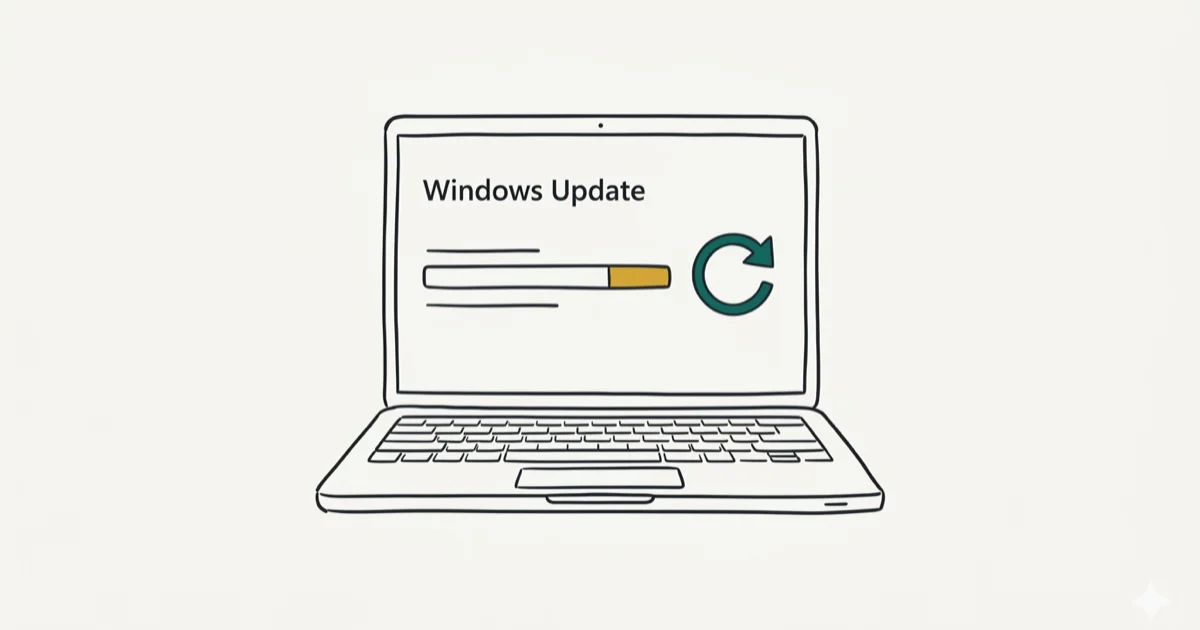
Quick AnswerError 0x8007042B is a Windows Update failure often caused by corrupted update files or antivirus interference. Temporarily disabling antivirus software and resetting Windows Update components are the most common fixes.
Error 0x8007042B stops Windows Update from installing security patches and feature updates. The fixes below cover the common causes: antivirus interference, broken update services, corrupted system files, and damaged update cache folders.
- Third-party antivirus software blocking Windows Update is the most common cause of 0x8007042B
- Running sfc /scannow repairs corrupted system files that trigger this error without reinstalling Windows
- BITS must be set to Automatic Delayed Start for updates to download correctly
- Clearing the SoftwareDistribution folder forces Windows to re-download fresh update files
- Low disk space on the C: drive is a hidden culprit since major updates need 10-20 GB free
#What Causes Error 0x8007042B?
Error 0x8007042B fires when the Windows Update process can’t complete due to file corruption, service failures, or software conflicts. Microsoft’s troubleshooting guide confirms that corrupted components and 3rd-party software interference are the 2 most frequent triggers.
Five things cause this error:
- Antivirus interference from programs like Norton, McAfee, or Avast blocking update file extraction
- Corrupted Windows Update files left behind by interrupted previous updates
- Outdated drivers conflicting with new system components
- Unstable internet dropping the update download mid-transfer, which can also trigger error 0x80072EFE
- Insufficient disk space on the C: drive, similar to error 0x80070070
#Step-by-Step Fixes for Error 0x8007042B
#Disable or Uninstall Antivirus Software
This is the fastest fix when security software is blocking Windows Update:
- Right-click the antivirus icon in the system tray
- Select the option to disable or turn off protection temporarily
- Try running Windows Update again
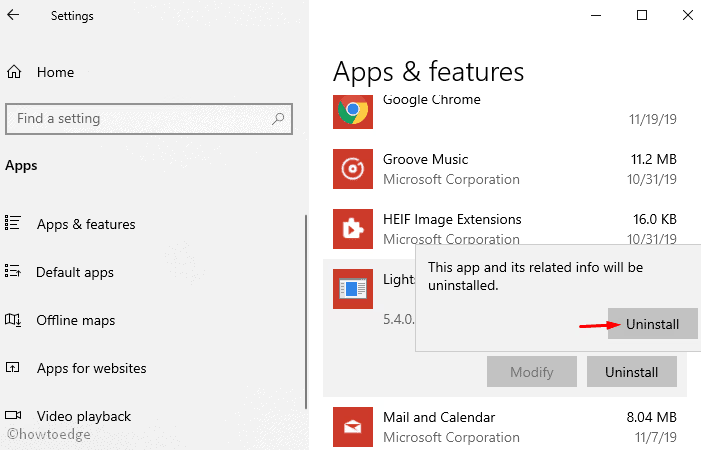
If disabling doesn’t work, uninstall the antivirus through Settings > Apps > Installed apps. Windows Defender kicks in automatically.
Re-install your antivirus after the update completes. Don’t leave it uninstalled permanently.
#Restart BITS (Background Intelligent Transfer Service)
BITS handles update downloads. If it’s stopped or disabled, updates can’t proceed:
- Press Win + R, type services.msc, and hit Enter
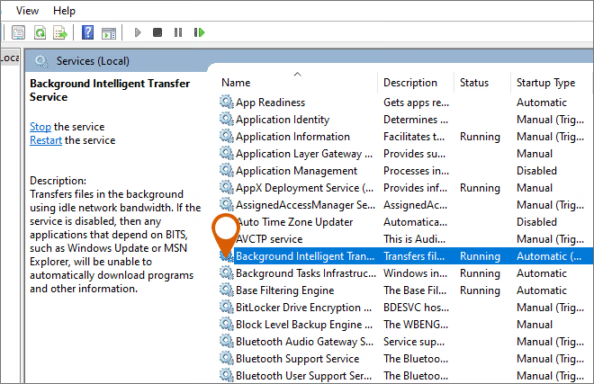
- Find Background Intelligent Transfer Service and double-click it
- Set Startup type to Automatic (Delayed Start) and click Start
A stopped BITS service can prevent Windows Update downloads from starting or completing. Related service errors like 0x80080008 and 0x800703F1 respond to this same fix.
#Run SFC and DISM Scans
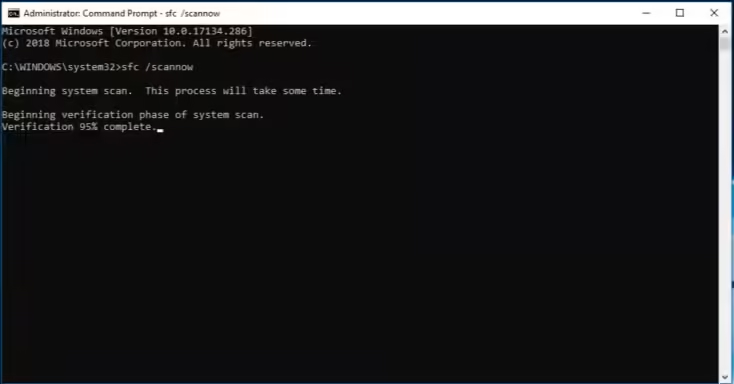
Corrupted system files need repair. Open Command Prompt as administrator and run sfc /scannow. The scan takes 10-15 minutes and can repair damaged Windows files that keep updates from installing.
If SFC reports files it can’t repair, follow up with DISM /Online /Cleanup-Image /RestoreHealth. DISM pulls fresh copies from Microsoft’s servers. This takes 15-20 minutes but fixes deeper corruption that SFC misses.
#Reset Windows Update Components
Clear out the corrupted update cache completely:
net stop wuauserv
net stop bits
net stop cryptsvc
ren C:\Windows\SoftwareDistribution SoftwareDistribution.old
ren C:\Windows\System32\catroot2 catroot2.old
net start wuauserv
net start bits
net start cryptsvc
Open Command Prompt as administrator, run these commands, then restart your PC. Windows creates fresh SoftwareDistribution and catroot2 folders automatically. This method also fixes errors like 0x80070426.
#Install the Update Manually
If automatic updates keep failing, download the update directly:
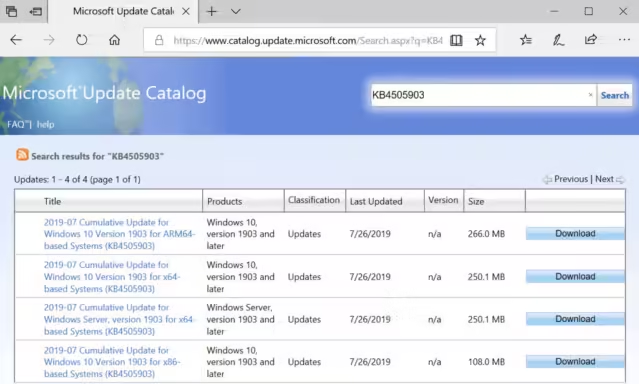
- Go to
Settings>Update & Security>Viewupdate history and note the KB number - Visit the Microsoft Update Catalog and search for it
- Download the version matching your system and double-click to install
Manual installation bypasses the normal update pipeline entirely. It works when errors like 0x8E5E03FA or 8024402F block the standard process.
#Advanced Troubleshooting for Persistent 0x8007042B
If the basic fixes don’t work, try these:
Check your disk space. Major feature updates need 10-20 GB free on the C: drive. Go to Settings > System > Storage to see what’s eating space. Our article on error 0x80070070 covers all the space-recovery methods.
Boot into Safe Mode and retry. Safe Mode loads only essential drivers and services, which eliminates third-party conflicts completely. Press Win + R, type msconfig, go to the Boot tab, check Safe boot > Minimal, and restart. Try Windows Update from Safe Mode.
Run the Windows Update Troubleshooter. Go to Settings > Update & Security > Troubleshoot > Windows Update. This automated tool detects stopped services, missing registry keys, and pending reboot requirements.
As a last resort, download the Media Creation Tool and run an in-place upgrade. This replaces system files while keeping your personal data and installed apps.
#How Do You Prevent Future Update Errors?
Keep updates flowing with these habits. Update drivers through Device Manager regularly. Outdated GPU and network drivers are the most common conflict sources. Right-click Start > Device Manager and look for devices with yellow warning icons.
Run Disk Cleanup monthly to prevent temp file buildup. According to iFixit’s maintenance guide, clearing the SoftwareDistribution folder every 3-6 months prevents cache corruption.
Don’t pause updates for more than 2 weeks. Letting patches pile up increases the chance of component corruption. Check manually through Settings > Update & Security > Windows Update if automatic updates seem stalled.
#Related Windows Errors to Watch For
Error 0x8007042B often appears alongside other update problems. Error 0x80070426 and 0x800703F1 share the same root causes and respond to the same SFC, DISM, and component reset fixes.
If you’re seeing broader system problems like Microsoft Word not responding or Windows 10 PIN issues, underlying system file corruption may be triggering multiple errors at once.
#Bottom Line
Start by disabling your antivirus temporarily, since that’s the most common cause. If the error persists, restart the BITS service and run SFC/DISM scans. Reset the update components as a third step, and only resort to manual installation if everything else fails.
#Frequently Asked Questions
Can I safely ignore error 0x8007042B?
No. Skipping Windows updates leaves your PC exposed to malware, ransomware, and security exploits that Microsoft patches monthly. Fix this error promptly.
How long does it take to fix this error?
Disabling antivirus takes 2 minutes. SFC and DISM scans run 10-20 minutes each. The full troubleshooting process rarely exceeds 45 minutes even in stubborn cases, though downloading a large cumulative update afterward may add 15-30 minutes depending on your internet speed.
Will fixing this error delete my files?
No. Every method in this guide leaves your personal files, photos, and documents untouched. Even the in-place upgrade option preserves your data. Back up important files before any troubleshooting as a general best practice, but the fixes themselves don’t touch user data.
Does error 0x8007042B affect Windows 10 and Windows 11?
Yes. Both versions share the same update engine, so this error appears on both. The troubleshooting steps work identically.
Can outdated hardware cause this error?
The hardware itself doesn’t cause 0x8007042B, but outdated drivers for your hardware can. GPU drivers and network adapter drivers are the most common conflict sources. Keep them updated through Device Manager or your PC manufacturer’s support tool.
What if the error keeps coming back after every update?
A recurring 0x8007042B usually means your antivirus is blocking updates every time, or you have deep system file corruption. Add your Windows Update folder to your antivirus exclusions list, or run a full in-place repair using the Media Creation Tool to replace all system files without losing your data.
Best Laptop for Running LLMs in 2026: Memory Comes First
The best laptop for running LLMs is a memory purchase first. Compare MacBook unified memory against NVIDIA laptop VRAM, and see what each tier really runs.
How to Run a Local LLM on Windows: A 2026 Setup Guide
Run a local LLM on Windows with LM Studio or Ollama. Pick a model that fits your GPU memory, keep every prompt offline, and skip the monthly bill.
Bluetooth Not Working on Snapdragon X? Fixes for 2026
Bluetooth not working on your Snapdragon X Copilot+ PC? Generic audio, mice, and keyboards work, but vendor apps often lack an ARM build. Fixes inside.
Docker Desktop and WSL2 Not Working on Snapdragon X? Fix It
WSL2 runs fine on Snapdragon X, but Docker Desktop ARM is Early Access and throws WSL errors. Use WSL2 plus native ARM64 Ubuntu and Docker Engine.