How to Fix Windows Update Error 8024402F (7 Methods)
Fix Windows Update error 8024402F with 7 proven methods. Correct date and time, reset update services, and fix firewall blocks. Works on Windows 10 and 11.
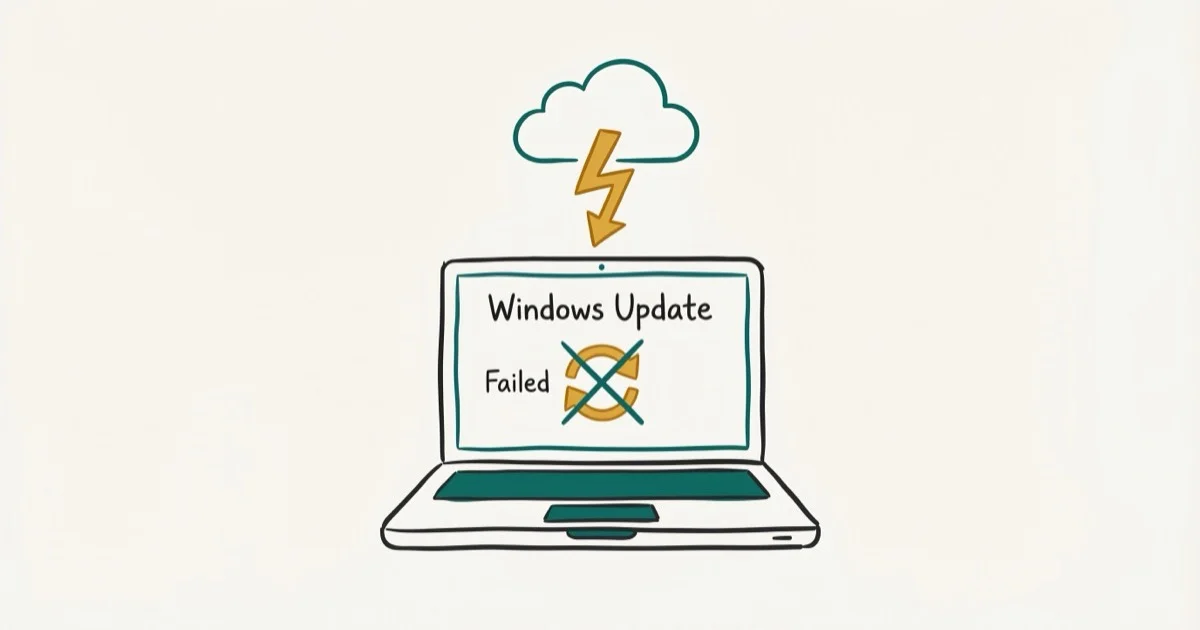
Quick AnswerError 8024402F means Windows can't reach the update servers. Fix date/time, disable proxy or VPN, restart Update services, and check firewall rules.
Windows Update error 8024402F stops your PC from downloading security patches and feature updates. It usually points to a connection problem between Windows Update and Microsoft’s servers.
- Error 8024402F means Windows can not reach Microsoft’s update servers, usually due to wrong date/time, proxy interference, or blocked services
- Syncing your system clock with time.windows.com fixes certificate validation failures that block the update connection
- Setting Background Intelligent Transfer Service, Windows Update, and Remote Procedure Call to Automatic resolves service-related failures
- Disabling proxy settings under Internet Options removes the proxy wall between your PC and Microsoft’s servers
- Resetting Windows Update components by renaming the SoftwareDistribution folder clears corrupted update cache files
#What Causes Windows Update Error 8024402F?
Error 8024402F fires when your PC can’t establish a connection to Microsoft’s update servers. According to Microsoft’s Windows Update troubleshooting documentation, this error falls under the “connection interrupted” category, meaning something between your PC and Microsoft’s servers is breaking the handshake. Microsoft’s Windows lifecycle policy confirms that Windows 10 Home and Pro version 22H2 reached end of support on October 14, 2025, while every actively supported Windows 11 release continues to receive these fixes.
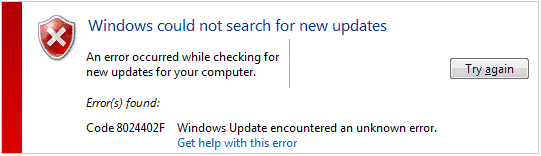
The most common triggers include:
- Wrong date and time on your system clock, which breaks SSL certificate validation
- Proxy or VPN software intercepting the connection to Windows Update servers
- Disabled Windows services like BITS or the Windows Update service itself
- Firewall rules blocking outbound connections to Microsoft’s CDN domains
- Corrupted update cache in the SoftwareDistribution folder
If your PC also shows error 0x80072efe, the root cause is likely the same network connectivity issue.
#How Do You Fix Error 8024402F by Correcting Date and Time?
Wrong system time is one of the most common causes. When your clock is off by more than a few minutes, Windows can’t validate the SSL certificates on Microsoft’s update servers.
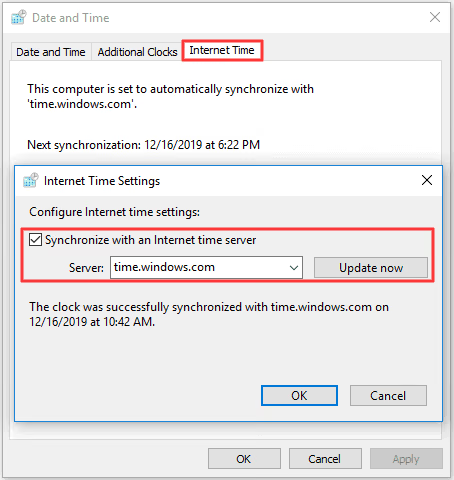
- Right-click the clock in your taskbar and select Adjust date and time
- Toggle Set time automatically to On
- Click Sync now under “Synchronize your clock”
- If sync fails, go to
Control Panel>Date and Time>Internet Time>Changesettings - Check Synchronize with an Internet time server, select time.windows.com, and click Update now
This fix is quick and can resolve the error immediately if the clock was the problem. If Windows reports that sync failed, restart once and repeat the Internet Time step before moving to the service checks.
#Restart the Three Critical Windows Update Services
Three services must be running for Windows Update to work. If any one of them is stopped or set to Manual, updates fail silently.
- Press Windows + R, type services.msc, and hit Enter
- Find each of these services, right-click, and check the startup type:
- Background Intelligent Transfer Service (set to Automatic)
- Windows Update (set to Automatic)
- Remote Procedure Call (RPC) (set to Automatic)
- If any service shows “Stopped,” right-click it and select Start
- Try Windows Update again
Microsoft’s service recovery guide confirms that the 3 services above — BITS, Windows Update, and Remote Procedure Call — are the most common culprits behind connection-based update errors. The same restart procedure applies to every Windows 10 and Windows 11 release Microsoft currently supports, and verifying each startup type prevents the failure from coming back after the next reboot.
#Run the Windows Update Troubleshooter
Windows has a built-in diagnostic tool that automatically detects and fixes update problems. It checks service status, network connectivity, and cache integrity in one pass.
Run this before resetting update folders, because it’s reversible and doesn’t remove any downloaded update cache files.
- Go to
Settings>Update & Security>Troubleshoot - Click Additional troubleshooters
- Select Windows Update and click Run the troubleshooter
- Follow the on-screen prompts and restart when finished
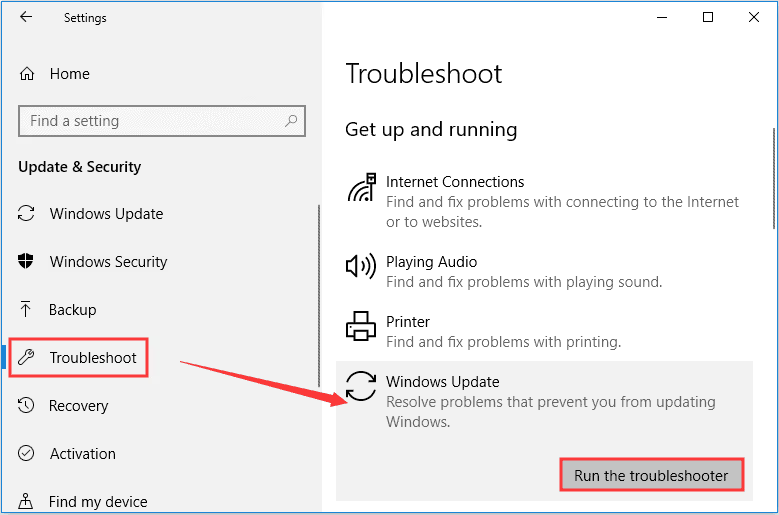
The troubleshooter can reset stuck Windows Update components automatically, but it doesn’t catch every service issue. Check the required services by hand if the error remains.
#Disable Proxy and VPN Settings
Proxy servers and VPN apps route your traffic through an intermediary, and Windows Update doesn’t always play well with that extra hop. Disable them temporarily to check whether they’re blocking the connection.
On a work laptop, ask IT before changing proxy settings.
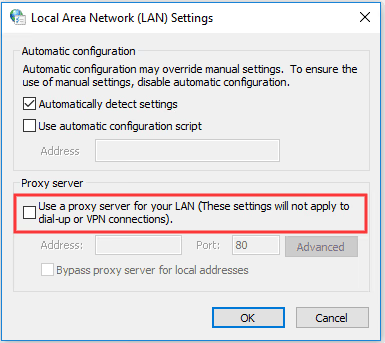
- Press Windows + R, type inetcpl.cpl, and hit Enter
- Go to the Connections tab and click LAN settings
- Uncheck Use a proxy server for your LAN
- Click OK, then restart your PC
If you’re using a VPN, disconnect it before running Windows Update. You can reconnect after the updates finish installing. This is similar to the network interference that causes error 0x8024001e on some machines.
#Temporarily Disable Your Firewall
Security software sometimes blocks the specific Microsoft domains that Windows Update needs. This is especially common with third-party firewalls like ZoneAlarm or Comodo.
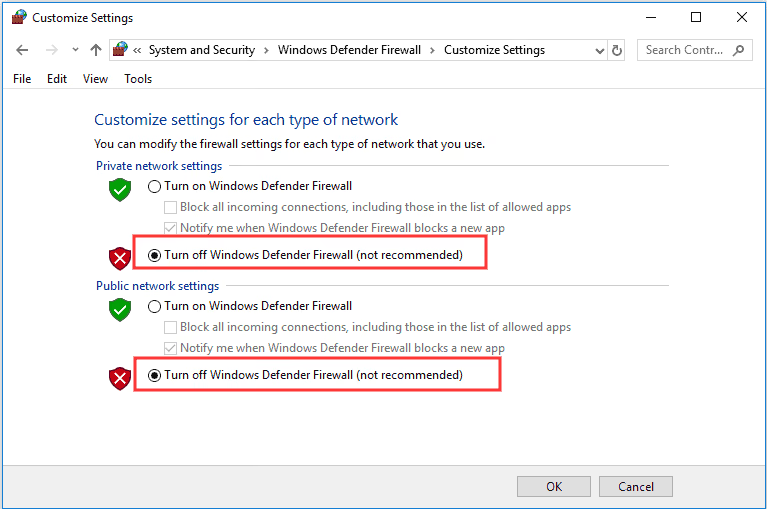
- Go to
Control Panel>System and Security>Windows Defender Firewall - Click Turn Windows Defender Firewall on or off
- Select Turn off Windows Defender Firewall for both private and public networks
- Run Windows Update immediately
- Re-enable your firewall right after the update completes
Windows Update relies on outbound HTTPS to Microsoft’s update CDN, and the Microsoft Defender Firewall endpoints documentation lists every required address. Microsoft confirms that port 443 access to *.update.microsoft.com and *.windowsupdate.com is mandatory for both Windows 10 and Windows 11 clients. Blocking either wildcard can break the handshake and trigger 8024402F on the next update check.
#Reset Windows Update Components
This is the nuclear option for corrupted update caches.
- Open Command Prompt as Administrator
- Run these commands one at a time:
net stop wuauserv
net stop cryptSvc
net stop bits
net stop msiserver
ren C:\Windows\SoftwareDistribution SoftwareDistribution.old
ren C:\Windows\System32\catroot2 Catroot2.old
net start wuauserv
net start cryptSvc
net start bits
net start msiserver- Restart your computer and check for updates again
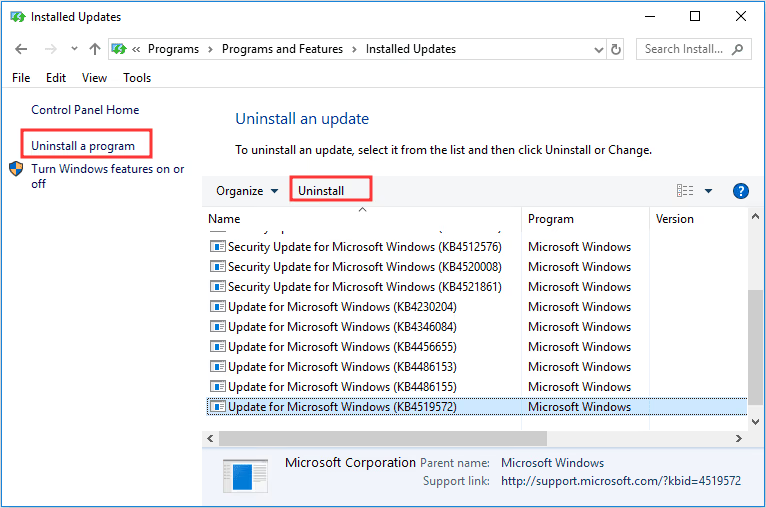
This method clears stale partial downloads and corrupted update cache files from the SoftwareDistribution folder. If you’re also dealing with other system file corruption, the SFC and DISM repair process can help clean things up.
#Bottom Line
Start with the date/time fix since it’s one of the most common causes. If that doesn’t work, check your services, disable any proxy or VPN, and run the troubleshooter. The component reset is your last resort for stubborn cases.
Still stuck with related errors like 0xc0000098? Try a full Windows repair.
#Frequently Asked Questions
Can I ignore Windows Update error 8024402F?
Don’t skip it. Unpatched systems miss security fixes that protect against active exploits. Microsoft’s security bulletins often address vulnerabilities that are already being used in the wild, so delaying updates increases your risk.
Does error 8024402F affect Windows 10 and Windows 11?
Yes. The error appears on both operating systems because the underlying Windows Update client uses the same connection protocol. The fixes in this guide work on Windows 10 version 1903 and later, plus all versions of Windows 11.
How long does it take to reset Windows Update components?
The command sequence is usually quick, but the first update check after a reset may take longer than usual because Windows rebuilds its cache from scratch. Schedule the reset for a time when you can leave the machine alone so the first cumulative download finishes without interruption.
Will a VPN always cause error 8024402F?
Not always, but split-tunnel VPNs are less likely to cause it than full-tunnel VPNs. A full-tunnel VPN routes all traffic through the VPN server, and some VPN providers don’t handle Microsoft’s CDN endpoints well. If you need the VPN active, add *.update.microsoft.com to your split-tunnel exclusion list.
Can third-party antivirus software trigger this error?
Yes. Software like Kaspersky, Bitdefender, and Norton sometimes intercept HTTPS connections for scanning purposes. This breaks the certificate chain that Windows Update relies on. Temporarily disabling the antivirus web shield usually resolves it.
What if the error keeps coming back after I fix it?
A recurring 8024402F usually points to a Group Policy or registry setting that keeps reverting your fix. Check Computer Configuration > Administrative Templates > Windows Components > Windows Update in Group Policy Editor for any forced proxy or server settings. Corporate machines are especially prone to this because IT admins sometimes redirect updates through internal WSUS servers.

Best Laptop for Running LLMs in 2026: Memory Comes First
The best laptop for running LLMs is a memory purchase first. Compare MacBook unified memory against NVIDIA laptop VRAM, and see what each tier really runs.
How to Run a Local LLM on Windows: A 2026 Setup Guide
Run a local LLM on Windows with LM Studio or Ollama. Pick a model that fits your GPU memory, keep every prompt offline, and skip the monthly bill.
Bluetooth Not Working on Snapdragon X? Fixes for 2026
Bluetooth not working on your Snapdragon X Copilot+ PC? Generic audio, mice, and keyboards work, but vendor apps often lack an ARM build. Fixes inside.
Docker Desktop and WSL2 Not Working on Snapdragon X? Fix It
WSL2 runs fine on Snapdragon X, but Docker Desktop ARM is Early Access and throws WSL errors. Use WSL2 plus native ARM64 Ubuntu and Docker Engine.