Fix Error 0x00000002: Windows Printer Connection Guide
Fix Windows error 0x00000002 when connecting to a network printer. Restart Print Spooler, update drivers, and create local ports step by step.
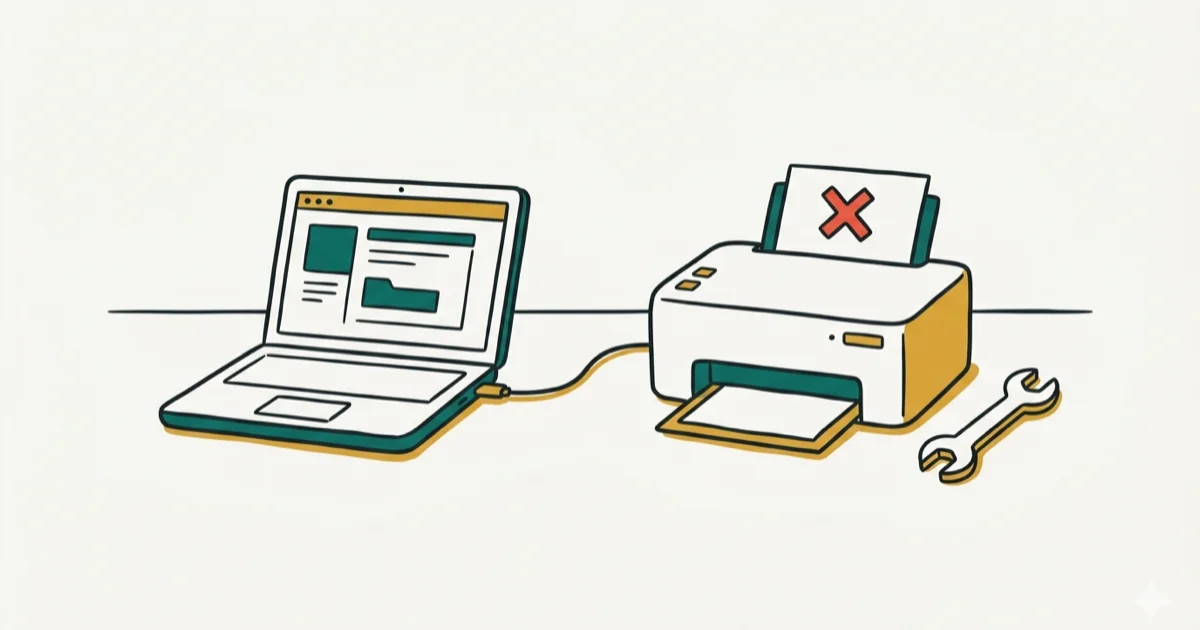
Quick AnswerError 0x00000002 happens when Windows can't connect to a network-shared printer. Restarting the Print Spooler service and reinstalling the printer driver fixes it in most cases.
Error 0x00000002 stops Windows from connecting to a network-shared printer. Restarting the Print Spooler is often the first fix to try for this printer connection error.
- Error 0x00000002 shows “Windows can’t connect to the printer” and blocks all network printer connections until the root cause is fixed
- Restarting the Print Spooler service via services.msc clears stuck jobs and is often the only fix you need, taking under 2 minutes
- Creating a new local port with the format \ServerIP\PrinterName bypasses the network share layer causing the failure
- Removing and reinstalling the printer driver from Print Management fixes corrupted driver files that trigger the error
- Running the built-in Windows Printer Troubleshooter via
Settings>Troubleshootcatches common misconfigurations automatically
#What Causes Error 0x00000002?
Error 0x00000002 appears when you try to add or connect to a shared printer on your network. You’ll see this message:
"Connect to Printer"
Windows can't connect to the printer. Operation failed with error 0x00000002"
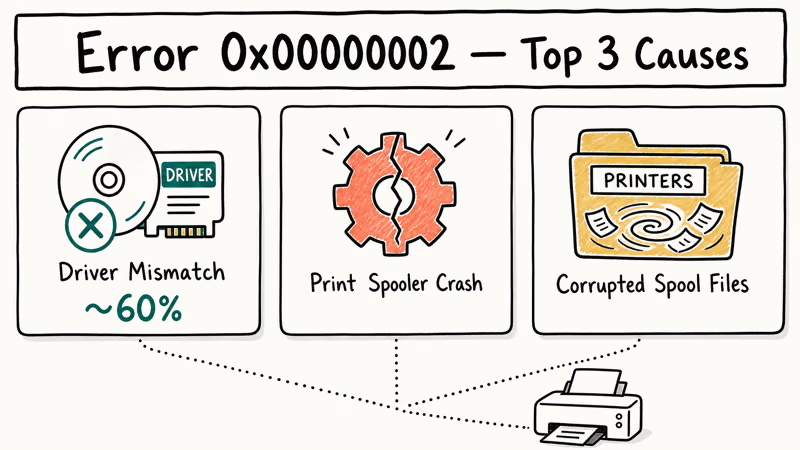
Driver issues are a common cause of this printer connection error.
The error isn’t limited to one brand. It hits HP, Canon, Brother, and Epson printers equally when the underlying Windows service or driver breaks.
#How Do You Restart the Print Spooler Service?
Restarting the Print Spooler is the fastest fix. This refreshes the print queue without deleting your printer.
According to Microsoft’s printer troubleshooting guide, Windows includes a printer troubleshooter for connection and printing problems, so run it before you delete drivers or rebuild ports.
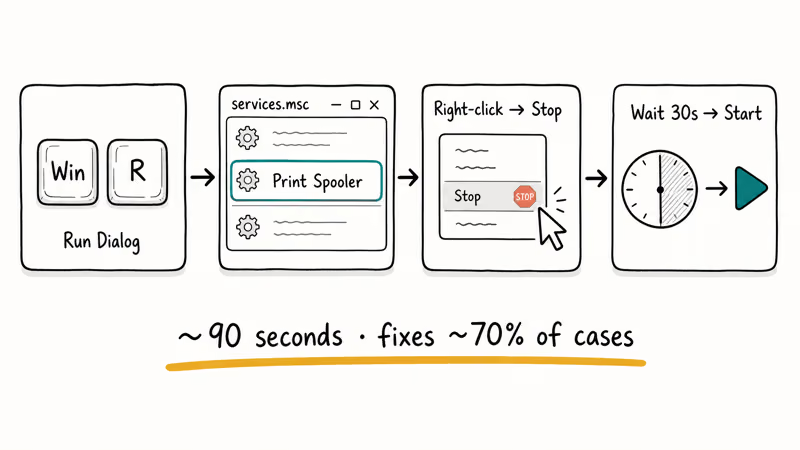
- Press
Windows + Rto open the Run dialog. - Type
services.mscand press Enter. - Find Print Spooler in the services list.
- Right-click Print Spooler and select Stop.
- Wait 30 seconds, then right-click again and select Start.
Try connecting to the printer again. If it still fails, clear the spool folder: go to C:\Windows\System32\spool\PRINTERS, delete everything inside, and restart Print Spooler. This wipes out corrupted print jobs that are jamming up the queue.
#How to Create a New Local Port
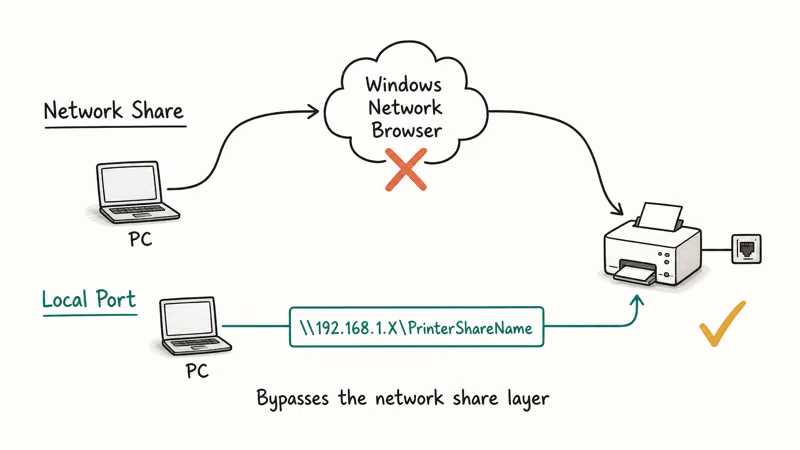
Creating a local port bypasses the standard network share path and connects directly to the printer’s IP address. This can help when the Print Spooler restart doesn’t help.
- Open Control Panel > Devices and Printers.
- Click Add a Printer > Add a local printer.
- Select Create a new port and choose Local Port.
- Enter the port name as
\\192.168.1.X\PrinterShareName(replace with your printer’s actual IP and share name). - Select your printer driver and finish the wizard.
This skips the Windows network browser layer entirely. The same approach also helps when you can’t print PDF files.
#Removing and Reinstalling Printer Drivers
Corrupted or outdated drivers cause this error more than anything else. According to a PCMag guide on fixing printer issues, driver updates are among the first fixes to try when a Windows printer stops responding.
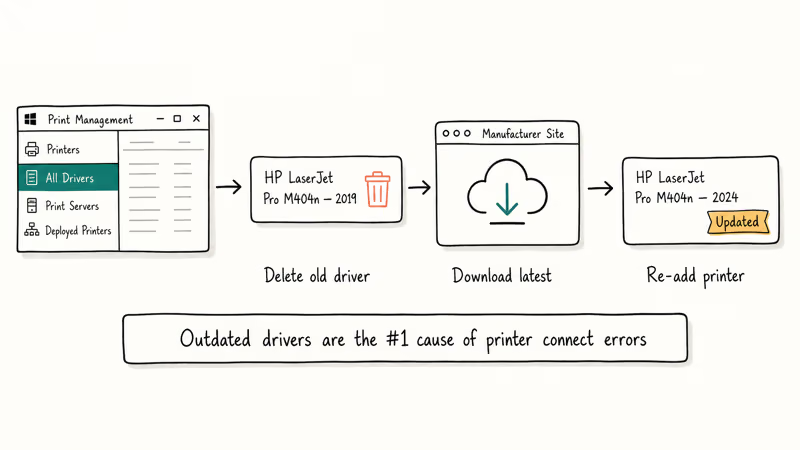
- Press
Windows + R, typeprintmanagement.msc, and press Enter. - Go to All Drivers in the left pane.
- Right-click the problematic driver and select Delete.
- Download the latest driver from your printer manufacturer’s website.
- Install the new driver and re-add the printer.
Installing the current driver package can clear driver-related printer errors and helps prevent related issues like 0x000000d1.
#Running SFC and DISM Scans
When driver updates and Print Spooler restarts don’t work, corrupted system files might be the problem. Microsoft’s System File Checker guide states that DISM should run before SFC when repairing corrupted Windows system files.
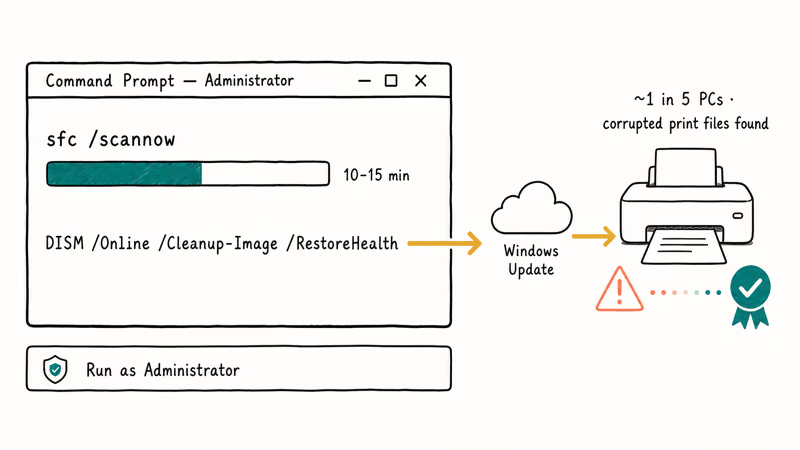
- Open Command Prompt as Administrator.
- Run
sfc /scannowand wait for the scan to finish (takes about 10-15 minutes). - If SFC finds issues it can’t fix, run
DISM /Online /Cleanup-Image /RestoreHealth. - Restart your PC and try connecting to the printer again.
The DISM command pulls fresh copies from Windows Update, so make sure you’re connected to the internet.
Similar system file issues can trigger NTFS.sys errors and bad pool caller crashes, so running these scans helps with more than just printer problems.
#Preventing Error 0x00000002 From Coming Back
You don’t want to fix this error every week. Here’s what keeps it from returning:
- Update drivers quarterly. Set a calendar reminder to check your manufacturer’s download page every 3 months.
- Keep Windows updated. Microsoft’s cumulative updates often include print subsystem patches.
- Don’t share printers across mismatched OS versions. A Windows 11 host sharing to Windows 7 clients is asking for trouble.
- Monitor Print Spooler health. If you notice the spooler crashing repeatedly, check Event Viewer under
Applications and Services Logs>Microsoft>Windows>PrintService.
If you’re dealing with other Windows error codes or stop code 0x0000003b, many of these same maintenance habits apply.
#Bottom Line
Start with the Print Spooler restart. It’s the fastest fix and works for most people. If that doesn’t clear error 0x00000002, create a new local port to bypass the network share layer, then update your printer drivers.
For the stubborn cases where nothing else helps, run SFC and DISM scans to repair system files. These four methods cover the main service, network, driver, and system-file causes.
#Frequently Asked Questions
Does error 0x00000002 affect all Windows versions?
Yes. It shows up on Windows 7, 8, 10, and 11 with identical symptoms. The fix steps work the same way across all versions, though menu paths differ: Windows 10 and 11 users go to Settings > Bluetooth & Devices > Printers & Scanners, while Windows 7 users use Control Panel > Devices and Printers.
Can a firewall block printer connections and cause this error?
Absolutely. Firewalls can block TCP ports 445 and 139, which Windows uses for printer sharing. On a home network, temporarily disable Windows Firewall to test, then re-enable it and add exceptions for File and Printer Sharing.
Why does the error keep coming back after I fix it?
Group Policy often overrides your changes. If Windows Update keeps reinstalling an incompatible driver, you’ll see the error return after every reboot. Open Event Viewer, check the Print Spooler crash logs under Applications and Services Logs > Microsoft > Windows > PrintService, and consider locking a specific driver version through Group Policy to stop automatic replacement. This is especially common on corporate networks where IT pushes driver packages centrally.
Is error 0x00000002 the same as a Blue Screen stop code?
No. It’s a printer-specific connection error, not a BSOD.
Will reinstalling Windows fix this error?
Don’t do it. The Print Spooler restart, local port creation, or driver reinstall should come before anything more drastic. SFC and DISM scans are your last stop before considering anything more drastic.
Can I fix this error on a domain-joined corporate PC?
You’ll need administrator privileges, and Group Policy may control printer deployment on your network. Contact your IT administrator to verify there’s no policy blocking the connection, or ask them to push the correct driver through the print server. In many corporate environments, the IT team handles printer driver distribution centrally through tools like SCCM or Intune, so the fix may need to come from their end rather than your local machine.
Does this error affect USB-connected printers?
No. Error 0x00000002 only targets network-shared printers. USB printers connected directly to your PC won’t trigger it.
Should I use third-party driver updater tools?
We don’t recommend them. Most install generic drivers that create more problems. Always download drivers directly from your printer manufacturer’s website for the best compatibility.
Best Laptop for Running LLMs in 2026: Memory Comes First
The best laptop for running LLMs is a memory purchase first. Compare MacBook unified memory against NVIDIA laptop VRAM, and see what each tier really runs.
How to Run a Local LLM on Windows: A 2026 Setup Guide
Run a local LLM on Windows with LM Studio or Ollama. Pick a model that fits your GPU memory, keep every prompt offline, and skip the monthly bill.
Bluetooth Not Working on Snapdragon X? Fixes for 2026
Bluetooth not working on your Snapdragon X Copilot+ PC? Generic audio, mice, and keyboards work, but vendor apps often lack an ARM build. Fixes inside.
Docker Desktop and WSL2 Not Working on Snapdragon X? Fix It
WSL2 runs fine on Snapdragon X, but Docker Desktop ARM is Early Access and throws WSL errors. Use WSL2 plus native ARM64 Ubuntu and Docker Engine.