Fix Error 0x00000050 PAGE_FAULT_IN_NONPAGED_AREA BSOD
Fix the 0x00000050 PAGE_FAULT_IN_NONPAGED_AREA Blue Screen on Windows 10 and 11. Test RAM, update drivers, and repair system files step by step.
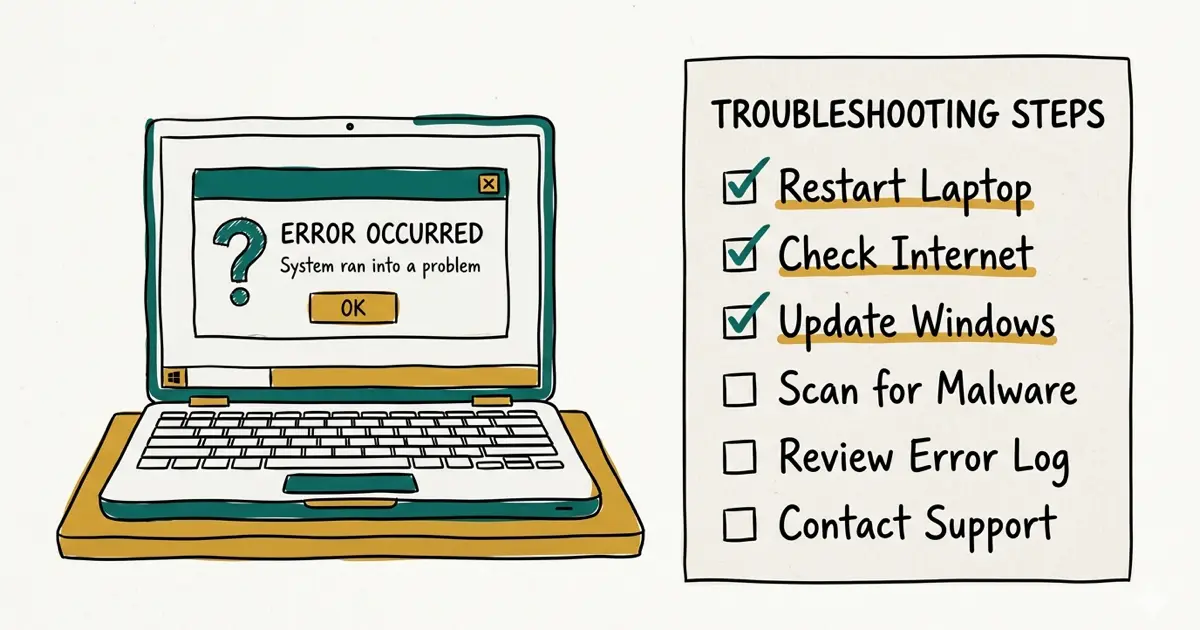
Quick AnswerError 0x00000050 (PAGE_FAULT_IN_NONPAGED_AREA) is a BSOD triggered when Windows references invalid memory. Testing RAM with Memory Diagnostic and updating or reinstalling faulty drivers are the most effective solutions.
Error 0x00000050 (PAGE_FAULT_IN_NONPAGED_AREA) crashes Windows when the system tries to access a memory page that should be in RAM but isn’t there. On both Windows 10 and Windows 11, the crash usually traces back to faulty RAM or a driver problem.
- Error 0x00000050 fires when Windows references invalid memory, causing an immediate Blue Screen crash and forced restart
- Faulty RAM is the most common hardware cause, and running Windows Memory Diagnostic or MemTest86+ confirms it in under 30 minutes
- Running sfc /scannow in an elevated Command Prompt repairs corrupted system files that trigger invalid memory references
- Outdated or corrupted drivers (especially graphics and storage) are the top software cause of this BSOD on Windows 10 and 11
- For stubborn cases, run DISM /Online /Cleanup-Image /RestoreHealth before retrying SFC to repair the Windows image itself
#What Causes Error 0x00000050?
PAGE_FAULT_IN_NONPAGED_AREA means Windows expected data to be in a specific memory page, but found nothing there. The kernel panics and triggers a Blue Screen to prevent data corruption.
The root causes break down into four main categories:
- Faulty RAM (the most common cause)
- Outdated or corrupted drivers
- Corrupted system files
- Software conflicts or antivirus interference
This error is different from 0x80000003 (breakpoint exception) and 0x00000002 (printer connection), which have their own fix paths.
#How Do You Test RAM for This Error?
Defective RAM is the top hardware cause. A single bad memory cell can trigger PAGE_FAULT_IN_NONPAGED_AREA every time Windows tries to use that address.
Quick test:
- Press Win + R, type
mdsched.exe, and press Enter. - Click Restart now and check for problems.
- The test runs during reboot (about 20 minutes).
Deeper test with MemTest86+:
Download from memtest.org and let it run at least 4 passes overnight. iFixit’s hardware diagnostics guide also recommends MemTest86+ over the built-in Windows Memory Diagnostic for catching intermittent memory errors.
MemTest86+ often catches intermittent errors the built-in Windows tool misses, and replacing a faulty stick stops the BSOD for good. With multiple sticks, remove one at a time to isolate the bad module.
#Updating Drivers to Fix PAGE_FAULT Crashes
Outdated graphics, storage, and network drivers are the number one software cause. According to a PCMag guide on fixing Blue Screens, driver problems rank among the leading BSOD triggers, and driver faults are a frequent source of PAGE_FAULT crashes specifically.
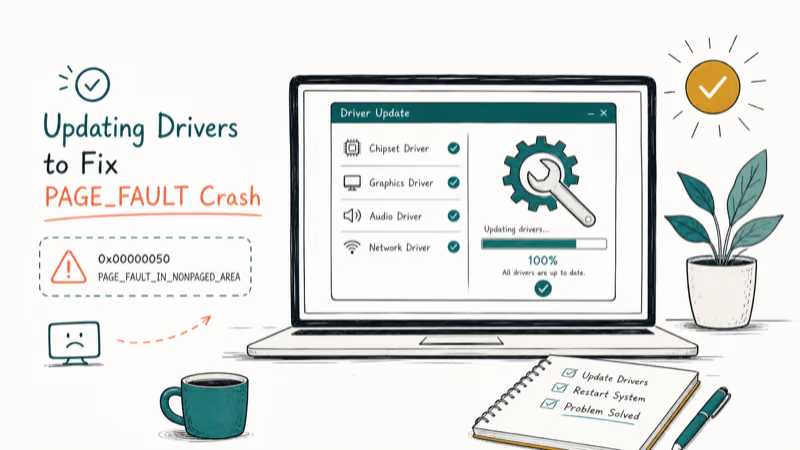
- Press Win + X > Device Manager.
- Look for devices with yellow exclamation marks.
- Right-click > Update driver > Search automatically.
- If no update is found, go to the manufacturer’s website directly (NVIDIA, AMD, Intel, Realtek).
- Restart after updating.
NVIDIA graphics drivers and Intel storage drivers are two of the most common triggers for 0x00000050 on desktop PCs. Crashes like video TDR failure and screen tearing share this root cause.
#Running SFC and DISM Repairs
Corrupted Windows system files cause the kernel to reference memory incorrectly, producing the same PAGE_FAULT crash as bad hardware. According to Microsoft’s SFC guide, DISM and System File Checker can scan for corrupted system files and restore missing or damaged Windows components.
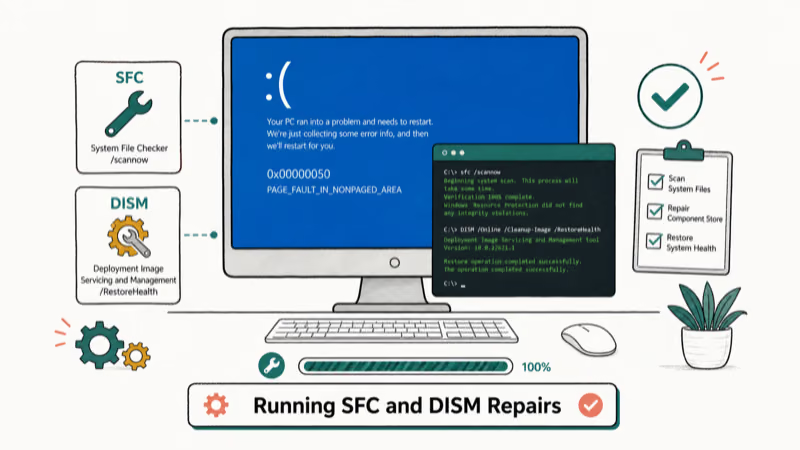
- Right-click Start > Command Prompt (Admin).
- Run
sfc /scannowand wait 10-15 minutes. - If SFC reports unfixable files, run
DISM /Online /Cleanup-Image /RestoreHealth. - Restart and test.
When corrupted DLLs in the memory management subsystem are the trigger, SFC repairs them and the crashes stop after a restart. If SFC throws 0x80070652 during the scan, clear pending Windows updates first and re-run.
#Checking Your Hard Drive for Bad Sectors
A failing drive corrupts the data Windows stores in its page file, which causes the exact PAGE_FAULT error when that data is loaded back into RAM.
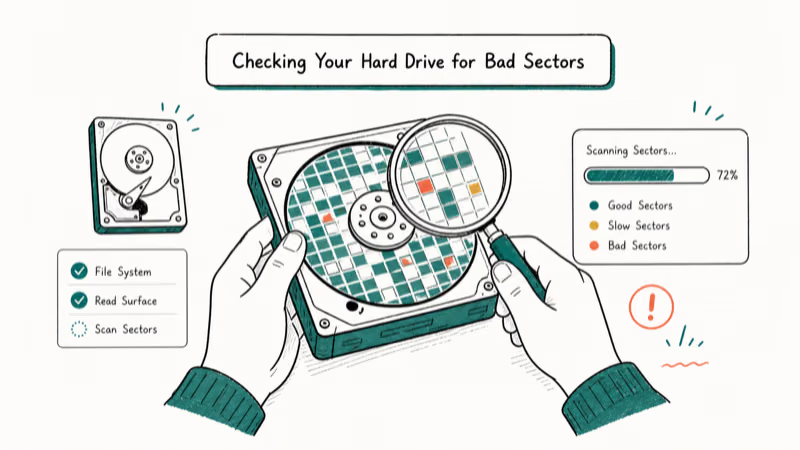
- Open Command Prompt as admin.
- Type
chkdsk C: /f /rand press Enter. - Press Y to schedule the scan on next restart.
- The scan takes 30-90 minutes depending on drive size.
If chkdsk finds bad sectors on an HDD, the drive is degrading. Back up your data immediately and plan a replacement. If files have already gone unreadable, a recovery tool like EaseUS Data Recovery Wizard can scan the failing drive and copy what’s still salvageable to a healthy disk. SSDs are less prone to bad sectors, but they still fail over time. CrystalDiskInfo gives you a quick SMART health reading without the wait.
As an Amazon Associate, fone.tips earns from qualifying purchases. Some links on this page are affiliate links.
#Preventing Future 0x00000050 Crashes
Keep the error from returning with these habits:
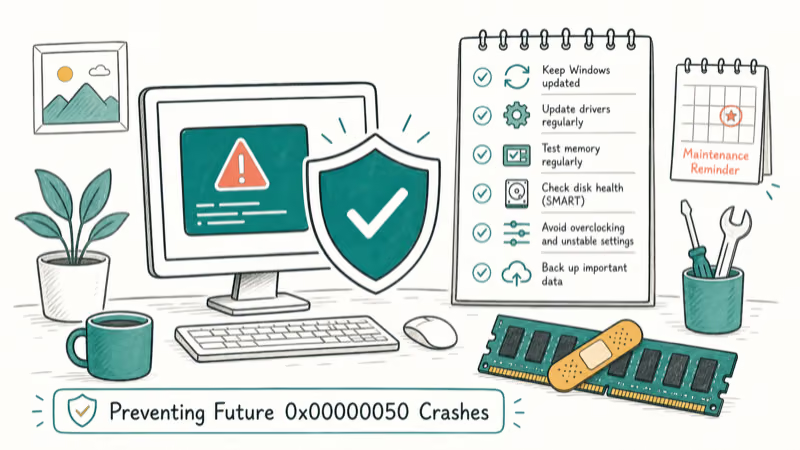
- Update drivers monthly. GPU and storage drivers are released every 2-4 weeks. Check Device Manager or go to your manufacturer’s site.
- Run memory diagnostics after hardware changes. Anytime you add or move RAM sticks, test with MemTest86+ for at least 2 passes.
- Keep Windows updated. Go to Settings > Windows Update weekly. Microsoft patches memory management bugs in cumulative updates.
- Don’t disable your page file. Some “performance tweaks” tell you to turn off the page file. Don’t. Windows needs it, and disabling it increases PAGE_FAULT risk significantly.
- Monitor drive health quarterly. Run CrystalDiskInfo every 3 months. Replace drives that show “Caution” status.
#Bottom Line
Test your RAM first, since faulty memory causes many 0x00000050 crashes. If RAM passes, update your drivers (especially graphics and storage) and run SFC + DISM. For hard drive issues, chkdsk identifies bad sectors. These same steps resolve the BSOD on office machines, gaming PCs, and laptops alike once the underlying RAM or driver fault is cleared.
#Frequently Asked Questions
Can faulty RAM cause error 0x00000050?
Yes, it’s the single most common cause. Run Windows Memory Diagnostic or MemTest86+ to confirm. If errors appear, replace the bad stick.
Why does 0x00000050 happen randomly?
Intermittent crashes usually point to a RAM module that only fails under heavy load, or a driver bug that triggers only during specific operations. Run MemTest86+ for at least 4 passes (not just 1) to catch these intermittent faults, and check Event Viewer for the exact time and module that caused each crash.
Can malware cause this error?
Yes. Run Windows Defender, then Malwarebytes as a second pass.
Should I reinstall Windows to fix it?
Only as an absolute last resort after SFC, DISM, driver updates, RAM testing, and chkdsk all fail. A clean install wipes your programs and settings. Very few 0x00000050 cases ever need a reinstall. Back up everything before going down that road.
Does disabling antivirus help?
Sometimes. Aggressive antivirus software intercepts system memory operations, which can trigger false PAGE_FAULT errors. Temporarily disable your antivirus to test. If crashes stop, add exclusions for Windows system folders or switch to a lighter scanner.
Is error 0x00000050 the same as 0x0000000a?
Related, but not identical. 0x00000050 (PAGE_FAULT) means missing page data. 0x0000000a (IRQL_NOT_LESS_OR_EQUAL) means a driver accessed memory at the wrong privilege level. Different root causes, but the diagnostic steps overlap heavily.
What if the error only happens during gaming?
Check GPU temps first. Use MSI Afterburner and keep it under 85C. Update your graphics driver. If you’ve overclocked, revert to stock clocks. Test for 24 hours. If the crash stops, your overclock was the problem.
How long does it take to diagnose this error?
MemTest86+ needs 2-4 hours for a thorough 4-pass test. Everything else is fast: Windows Memory Diagnostic takes 20 minutes, SFC runs in 15, and chkdsk finishes in 30-90 minutes depending on drive size.

Best Laptop for Running LLMs in 2026: Memory Comes First
The best laptop for running LLMs is a memory purchase first. Compare MacBook unified memory against NVIDIA laptop VRAM, and see what each tier really runs.

How to Run a Local LLM on Windows: A 2026 Setup Guide
Run a local LLM on Windows with LM Studio or Ollama. Pick a model that fits your GPU memory, keep every prompt offline, and skip the monthly bill.
Bluetooth Not Working on Snapdragon X? Fixes for 2026
Bluetooth not working on your Snapdragon X Copilot+ PC? Generic audio, mice, and keyboards work, but vendor apps often lack an ARM build. Fixes inside.
Docker Desktop and WSL2 Not Working on Snapdragon X? Fix It
WSL2 runs fine on Snapdragon X, but Docker Desktop ARM is Early Access and throws WSL errors. Use WSL2 plus native ARM64 Ubuntu and Docker Engine.