What Cars Have GPS Tracking Built In? A 2026 Guide
Find which cars have GPS tracking built in, how factory telematics work, subscription costs by brand, and the privacy settings drivers should check.
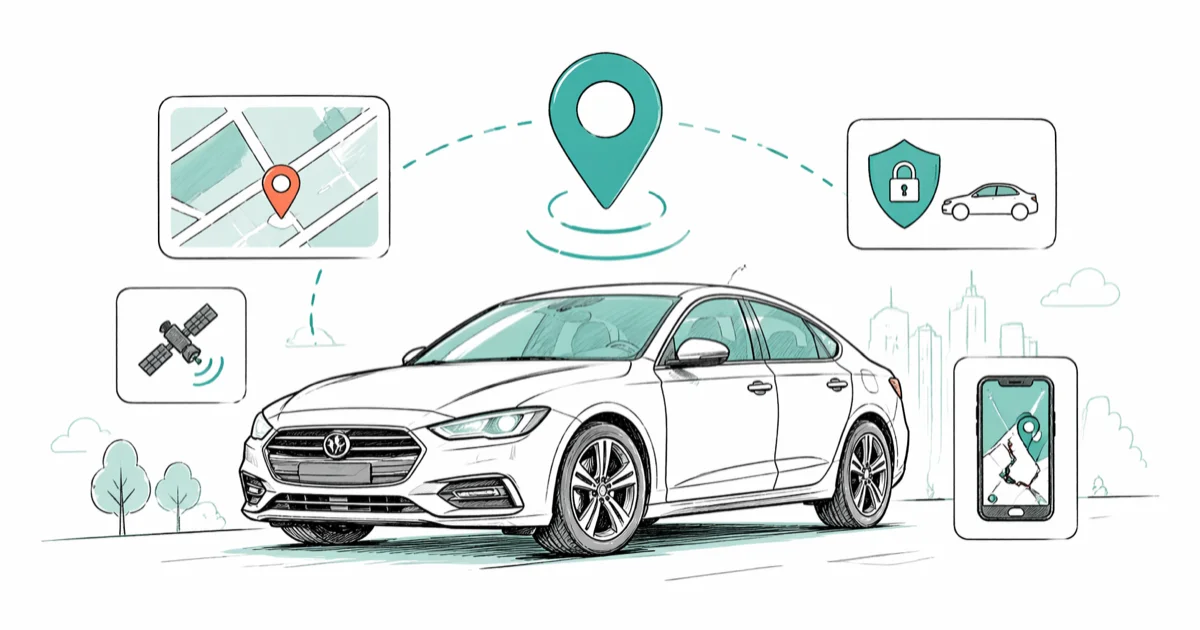
Quick AnswerMost cars sold in the US since 2020 ship with built-in GPS through factory telematics like OnStar, FordPass, Toyota Connected Services, HondaLink, Bluelink, Kia Connect, NissanConnect, Uconnect, BMW ConnectedDrive, Mercedes Me Connect, and Tesla. Each system pairs hardware GPS with a brand subscription that unlocks remote tracking, stolen-vehicle recovery, and smartphone-app access.
Most new cars have GPS tracking built into their factory telematics, but the brand of system, the subscription tier required to use it, and the level of privacy control vary widely between automakers.
If you’re deciding what cars have GPS tracking built in before a purchase, or trying to confirm whether the vehicle you already own can be located through the manufacturer’s app, this guide walks through the major systems and how to check on your own VIN. The scope is only tracking your own vehicle, fleet cars you operate, or family-shared vehicles where every driver has been told and has consented.
- Major US-market automakers ship factory telematics with GPS: GM (OnStar), Ford (SYNC Connect and FordPass), Stellantis (Uconnect), Toyota Connected Services, Honda HondaLink, Hyundai Bluelink, Kia Connect, Nissan NissanConnect, BMW ConnectedDrive, Mercedes Me Connect, and Tesla.
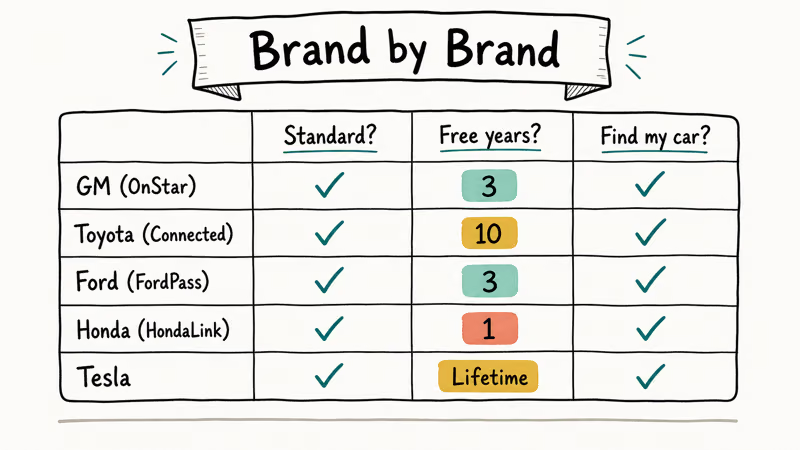
- Stolen-vehicle locator features almost always require an active subscription past the free trial, which is typically 1 to 5 years depending on brand.
- Real-time location, remote start, and remote lock usually live in the brand mobile app and can be disabled per driver profile inside the in-car settings menu.
- Factory GPS is meant for tracking your own vehicle, fleet vehicles you operate, or family cars where each driver has consented after being told.
- Older cars without factory telematics can add tracking through aftermarket OBD-II plug-in devices that need their own data plan and subscription.
#How Does Built-In GPS Tracking Actually Work?
Factory GPS tracking is one piece of a larger telematics stack. The car has a small computer with a cellular modem, a GPS antenna on the roof or windshield trim, and a wired connection to the infotainment unit and the central body controller. The modem reports the vehicle’s location and basic status data back to the automaker’s cloud whenever the car has signal.
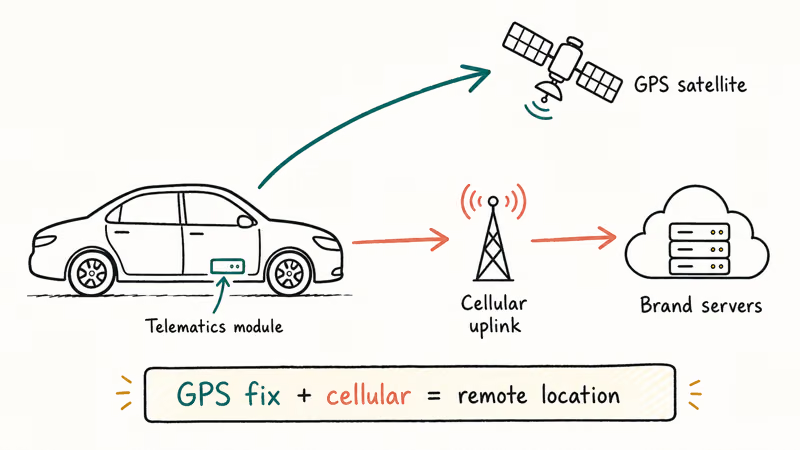
That cloud is what the brand mobile app talks to.
When you open My BMW, FordPass, or the Tesla app, the request goes from your phone to the automaker, and the automaker pulls the most recent ping from the car. There is usually a short refresh delay, and the car has to be either running or recently parked, since most systems put the modem to sleep after a few days to protect the 12-volt battery.
Brand apps usually show a parked-location map after the VIN is linked to the account and the privacy terms are accepted. Refresh cadence, location history, and battery behavior depend on the automaker, subscription tier, cellular signal, and how long the vehicle has been parked.
#Which Car Brands Have GPS Tracking Built In?
Most cars sold new in the United States since roughly 2020 have factory GPS hardware. The brand and subscription tier change what features that hardware unlocks. Here’s the lineup most US drivers will actually encounter.
#GM (Chevrolet, GMC, Buick, Cadillac)
OnStar is the GM telematics platform, and it has covered Chevrolet, GMC, Buick, and Cadillac models for two decades.
Newer trims include OnStar Safety + Security, which is what enables stolen-vehicle locator and live agent assistance. The free trial varies by trim and year. After the trial, the locator features need a paid plan through the myChevrolet, myGMC, myBuick, or myCadillac app.
#Ford and Lincoln
Ford uses SYNC Connect on most 2018-and-newer vehicles, with the FordPass mobile app as the customer-facing interface. Lincoln equivalents are the Lincoln Way app and Lincoln Connect modem.
Both let you see the parked location, lock the doors, start remotely on equipped trims, and pull diagnostics. The Connected Services subscription extends remote features past the included trial.
#Toyota and Lexus
Toyota’s Connected Services platform powers stolen-vehicle locator, Safety Connect, and the Toyota app. Lexus has Lexus Connect.
Tracking depends on which package you keep active. Safety Connect covers SOS and locator. The more expensive Remote Connect adds live phone-app vehicle status, remote start, and door commands from the app.
#Honda and Acura
HondaLink is on Civic, Accord, CR-V, Pilot, and Odyssey models from roughly 2018 forward. Acura has AcuraLink. The included tracking covers automatic collision notification and stolen-vehicle locator dispatched through a 24/7 response center. Remote app features are gated by a paid HondaLink subscription tier.
#Hyundai and Kia
Bluelink (Hyundai) and Kia Connect are nearly identical platforms.
They include parked-location lookup, geofence and curfew alerts aimed at family vehicles where a teen has consented to a curfew, and stolen-vehicle recovery routed through the connected service center. Stolen vehicle slowdown and immobilization are reserved for the response center, not the owner app.
#Nissan and Infiniti
NissanConnect and Infiniti InTouch Services cover lock and unlock, parked-location, and emergency call. The free trial window depends on model year. After expiration, locator and remote features need a paid Premium or Premium Plus plan tied to your account in the NissanConnect Services app.
#Stellantis (Jeep, Dodge, Chrysler, Ram, Fiat)
Uconnect is the Stellantis telematics platform.
The Uconnect 4 and Uconnect 5 head units pair with the Jeep, Dodge, Chrysler, Ram, or Fiat app for parked-vehicle tracking, send-to-vehicle navigation, and remote start. Stolen-vehicle assistance is a brand-specific feature on the higher-tier subscription, and the dealer can show which package is active on your VIN before you buy.
#BMW and Mini
BMW’s ConnectedDrive supports parked-location, remote climate, and stolen-vehicle recovery on most BMWs sold in the last decade. Mini Connected uses the same backbone.
Real-time tracking gets escalated to the BMW Roadside Assistance team when you report a theft, and they coordinate with law enforcement on the actual recovery.
#Mercedes-Benz
Mercedes Me Connect bundles parked-location, remote lock, and stolen-vehicle locator. Like BMW, real-time tracking after a theft report is run by the Mercedes response team, not directly inside the app. The app shows parked location, drive data, and vehicle health metrics.
#Tesla
Every Tesla has built-in GPS, cellular connectivity, and the Tesla app.
The app shows live location, drive history, climate state, and lets you trigger Sentry Mode or Summon. According to Tesla’s Sentry Mode support page, the system uses the car’s exterior cameras to record activity around a parked vehicle and saves clips to a USB drive when motion is detected. Tesla connectivity itself is free for basic services; Premium Connectivity is a paid add-on.
For owners who also want a phone-based locator that ties into broader family safety, the best family locator app round-up covers shared-consent options that work alongside factory telematics.
#Subscription Tiers and What Each One Unlocks
Every automaker layers features into tiers.
The lowest tier is usually free for a multi-year window and covers automatic crash notification, an SOS button, and stolen-vehicle locator dispatched through the response center. The middle tier adds the owner mobile app: parked location, remote lock, remote start, and trip history. The top tier adds Wi-Fi hotspot, premium navigation with live traffic, and in some cases concierge services or destination assist.
The catch is that many features people assume are part of “having a connected car” actually live in the paid tier.
A 2024 Honda Pilot, for instance, includes HondaLink basics for free, but seeing the car’s current location on your phone needs the Remote package, which is a paid annual subscription after the trial. Always read the brand’s terms summary, since these tiers change at model-year refresh and can shift again on a software update.
If you’re comparing telematics dashboards to general phone-side automotive tools, our car maintenance apps round-up covers third-party options for OBD-II reading and service reminders that work across brands.
#How to Check If Your VIN Has Built-In GPS Active
The owner’s manual lists which optional packages came with the car. The most reliable check, though, is the manufacturer’s owner portal.
Sign in with the email tied to the original purchase and look at the connected services section. The portal tells you whether the modem is active, which package is on the account, and when the trial expires.
If you bought the car used, run two checks before relying on the GPS. First, confirm with the dealer that the prior owner’s account has been removed from the VIN. Second, log in to the brand app yourself and see whether the vehicle pairs without errors. Consumer Reports’ car safety section recommends doing this account-transfer check before driving off the lot, since a stale owner account can keep tracking access on the wrong phone for months.
#Privacy Settings, Data Collection, and Your Rights
The same modem that helps you find a stolen car also reports trip data back to the automaker. Depending on the brand, that data can be shared with insurers, dealers, and third-party analytics partners.
According to Mozilla, all 25 car brands the foundation studied failed its minimum privacy criteria in the Privacy Not Included review of connected cars. The review found that automakers collect and share location, voice, and biometric data from drivers and passengers more broadly than any other product category the team has tested.
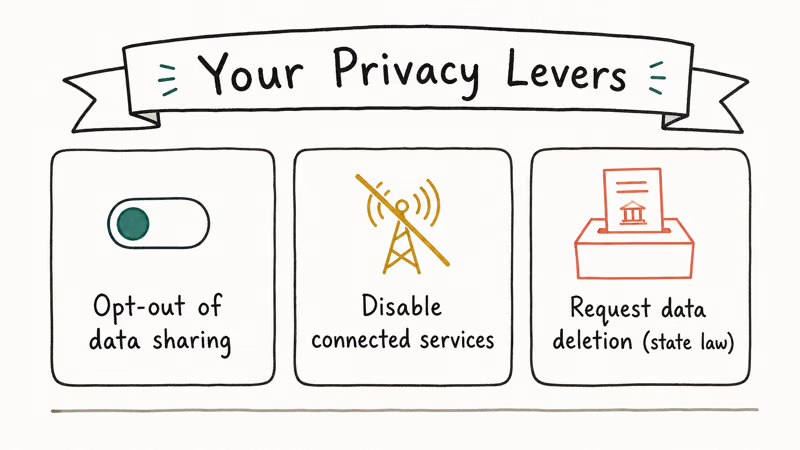
You have a few practical levers.
The infotainment menu has a privacy or data-sharing toggle that opts you out of usage analytics. The brand owner portal lets you delete trip history and disable location sharing inside the app, though the modem still pings for emergency services. State privacy laws like California’s CCPA give you the right to request a copy of the data the automaker holds on your VIN and to ask for deletion.
If you’re a parent who wants to track a teen driver, the consent-based path is to enroll them in a curfew or geofence feature inside Bluelink, Kia Connect, or a similar program after telling them it’s on. Hidden trackers are the wrong approach. The same principle applies to a spouse or roommate: covert tracking of another adult through a car you don’t own is a stalking issue regardless of the technology, and most state laws treat it that way.
For broader phone-side privacy hygiene, does airplane mode turn off GPS covers what the toggle actually does, and mirror phone to car screen walks through how CarPlay and Android Auto interact with the connected services account on a shared family vehicle.
#When Aftermarket GPS Trackers Make Sense
Factory telematics is the right starting point if your car is a 2020 or newer mainstream model. Aftermarket trackers fill three other gaps.
First gap: older cars that never had a modem. A plug-in OBD-II tracker takes a few minutes to install and reports location through its own cellular plan. Brands like Bouncie, Vyncs, and Spytec sell this category, and they typically cost between $80 and $150 plus a monthly service fee that ranges from $8 to $20.
Mixed-brand fleets are the second gap, where the operator wants a single dashboard across vehicles instead of juggling FordPass, FleetPass, and OnStar Fleet separately. Commercial telematics from Geotab, Samsara, or Verizon Connect consolidates the feed.
Non-vehicle assets that travel with the car (trailers, motorcycles, or expensive cargo) are the third gap, since you may want to locate them independently of the vehicle they’re stowed in. Our micro GPS tracking device round-up covers the discreet battery-powered units for those use cases.
If you’re shopping aftermarket, install only on a vehicle you own or one your employer has authorized you to manage. Keep the device in a maintenance-accessible location rather than hidden, so a future driver of the car has fair notice. Hidden surveillance trackers on other people’s property are illegal in most US states, and prosecutors treat the question by who owns the vehicle, not who placed the device.
#Bottom Line
If you drive a 2020-or-newer vehicle from a major automaker, open the brand’s app first before buying any aftermarket tracker. Reactivating OnStar Safety + Security, FordPass Connected Services, or Bluelink Connected Care is usually faster than installing an OBD-II plug-in.
Save aftermarket trackers for cars older than 2018, mixed-brand fleets that need one dashboard, or family vehicles where every driver has consented to a shared locator. And before reselling a connected car, log in to the owner portal and remove the VIN from your account so the next owner isn’t stuck with stale tracking on your phone.
#Frequently Asked Questions
Can I add GPS tracking to a 2010 vehicle that doesn’t have factory telematics?
Yes. An OBD-II plug-in tracker installs in the diagnostic port under the dash in about two minutes and works on any post-1996 car sold in the US. Battery-powered hardwired units also exist for cars with no OBD-II port left exposed after a previous installation.
Do I have to pay a subscription forever to use my car’s built-in GPS?
For most automakers, yes, after the included trial expires. Tesla connectivity is partially free for basic features, and a few brands give permanent free coverage for the SOS button only.
Can I turn off my car’s GPS tracking without losing navigation?
On most brands you can disable location sharing with the automaker without disabling onboard navigation, since the maps run locally on the head unit. The trade-off is that you lose live traffic, parked-location lookup, and stolen-vehicle assistance routed through the response center.
How accurate is built-in GPS compared to my phone?
Factory GPS is usually within 3 to 10 meters under open sky, similar to a modern phone. Phones can be slightly better in dense urban areas because they fuse Wi-Fi and cellular triangulation with GPS, while car telematics usually only refresh every few seconds when parked.
Will my dealership see where I drive?
In most cases no. The trip detail goes to the automaker’s cloud rather than to the dealer’s system. The dealer can see service-related data like diagnostic codes and odometer through the OEM portal, but not turn-by-turn trip history under normal account setup. If you want to lock that down, ask the dealer to confirm that the prior owner’s account has been removed and that no dealer-installed tracker is active on the vehicle.
Can I use built-in GPS to track a teen driver in our family?
Yes, but only as a disclosed feature, not covertly. Bluelink, Kia Connect, OnStar, and FordPass have curfew or geofence alerts designed for parents whose teens know the feature is on. Tracking another adult covertly is a separate legal issue.
Does GPS tracking still work if the car battery is dead?
No. Both the cellular modem and the GPS antenna draw power from the 12-volt battery. Once it’s fully flat, the last known location is the most the app will show you. If the car is unrecovered and reachable by other means, a guide like how to locate a lost cell phone that is turned off explains what last-seen logic looks like on the phone side, which uses similar principles.
Is This Bank App Real? Spot a Fake App on Your Home Screen
A bank app can land on your home screen from a web page with no install warning. Learn the checks that tell a real banking app from a phishing web app.
Passkeys Not Syncing Between iPhone and Windows? Read This
Passkeys not syncing between iPhone and Windows is by design, not a bug. Here is why iCloud passkeys skip Windows Hello and the three ways to fix it.
VPN Not Working on Snapdragon X? Why It Fails, How to Fix
Your VPN won't install or connect on a Snapdragon X Copilot Plus PC because Windows on ARM can't emulate the network driver. Here are the fixes that work.
How to Check If a Link Is Safe Before You Click It
Learn how to check if a link is safe with official-first steps: read the real domain, use the app instead, and treat scanners as a second opinion only.