Fix "Update Unavailable With This Apple ID" Error on iOS
Fix the Update Unavailable with This Apple ID error on iPhone, iPad, or Mac by signing out, deleting the app, and redownloading with the correct ID.
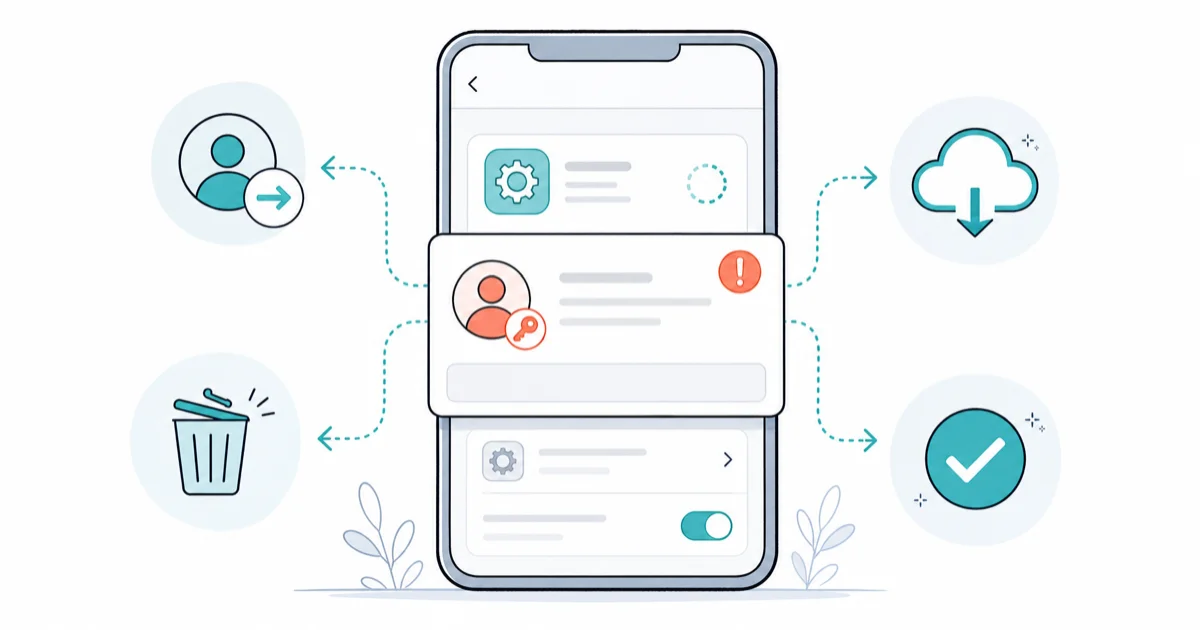
Quick AnswerSign out of the App Store, delete the app that won't update, then sign back in with the Apple ID that originally downloaded it and reinstall the app.
The “Update Unavailable with This Apple ID” error usually means the app was originally downloaded with a different Apple ID than the one currently signed in. It’s a common headache after switching accounts or buying a device secondhand, and the fix typically takes under two minutes on your own device.
- The error appears when the Apple ID currently signed in differs from the one that originally purchased or downloaded the app.
- Deleting the problem app and redownloading it with the correct Apple ID is the fastest fix in most cases.
- Signing out and back into your Apple ID refreshes the account session and resolves authentication mismatches within minutes.
- Secondhand device buyers should factory reset the device before setup to avoid inheriting apps tied to a previous owner’s Apple ID.
- Managed Apple IDs in business or school environments may require IT administrator action to unlock app update permissions.
This guide is for fixes on your own Apple ID account only. Trying to access someone else’s Apple ID is illegal and violates Apple’s terms.
#What Causes the “Update Unavailable With This Apple ID” Error?
Mismatched Apple IDs trigger this prompt on iPhone, iPad, and Mac most often. Refunded purchases, vendor-preloaded apps, and managed accounts also surface it.
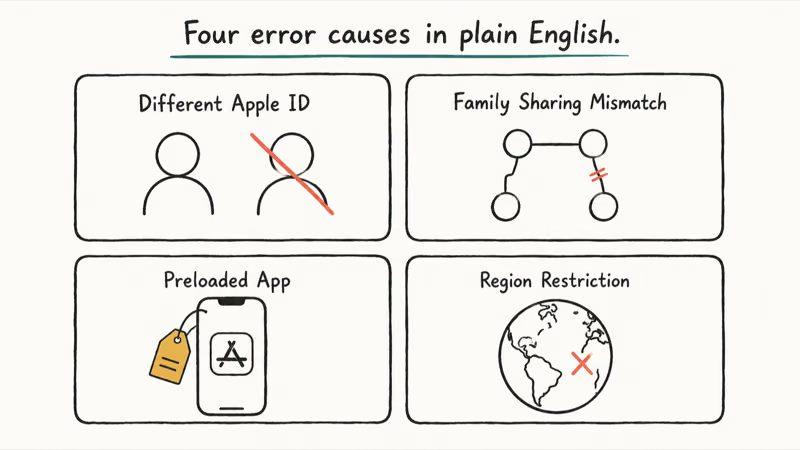
According to Apple’s App Store support documentation, apps stay permanently tied to the Apple ID that originally downloaded them, even after the app becomes free. Switching to a different household member’s Apple ID can trigger the prompt when the App Store checks the app’s purchase record.
According to Apple’s Family Sharing guide, up to 6 family members can share most paid apps without re-purchasing, which sidesteps the error entirely for families that turn on Purchase Sharing before downloads begin. The same page recommends enabling Purchase Sharing during initial Family Sharing setup.
Common triggers in order of frequency:
- Different Apple ID: the app was originally purchased using a different Apple ID than the one currently signed in.
- Refunded or Canceled Apps: refunded apps may no longer be eligible for updates under the current Apple ID.
- Preloaded Apps: new devices sometimes ship with vendor-loaded apps not yet associated with your Apple ID.
- Managed Apple IDs: business or educational accounts may have restrictions set by administrators.
- Network Issues: temporary network connectivity problems can also surface this error.
#How Do You Sign Out and Sign Back Into the App Store?
One of the most effective fixes is refreshing your account connection on your own device.
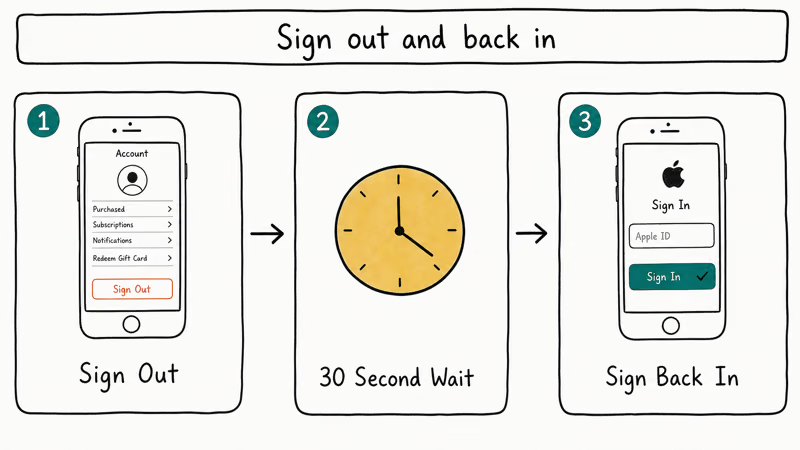
- Go to Settings and tap on your Apple ID at the top.
- Scroll down and tap “Sign Out”.
- Restart your device.
- Go back to Settings and sign in with the Apple ID that originally downloaded the app.
This re-syncs the device with the App Store and clears stuck session tokens. If your Apple ID is grayed out and won’t let you sign out, follow the additional unlock steps in that guide before trying again.
#Delete and Reinstall the Problem App
If specific apps are causing the error, removing and reinstalling them under the correct Apple ID is faster than chasing settings menus.
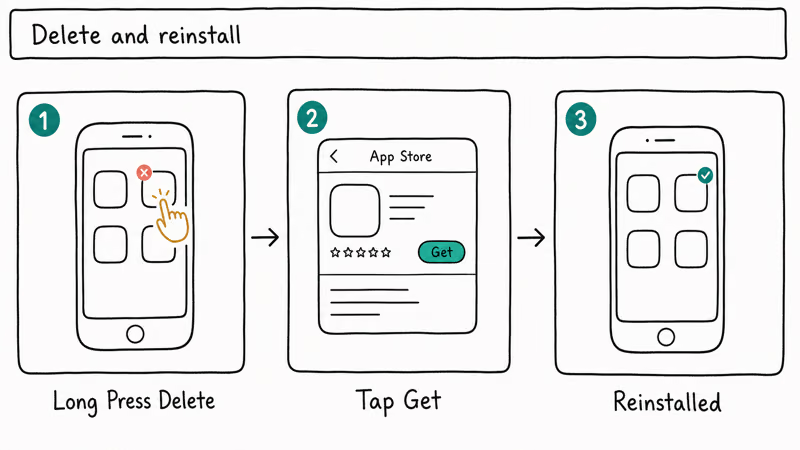
- Identify the problem apps by attempting to update each one individually.
- Long-press the app icon, then choose Remove App and Delete App.
- Confirm you’re signed into the App Store with the Apple ID that originally downloaded it.
- Redownload the app from the App Store.
Back up important app data to iCloud first; many apps restore cleanly after reinstall, but local-only data is lost on deletion.
#Check Your Apple ID Purchase History
If you’re unsure which Apple ID bought the app, check purchase history first.
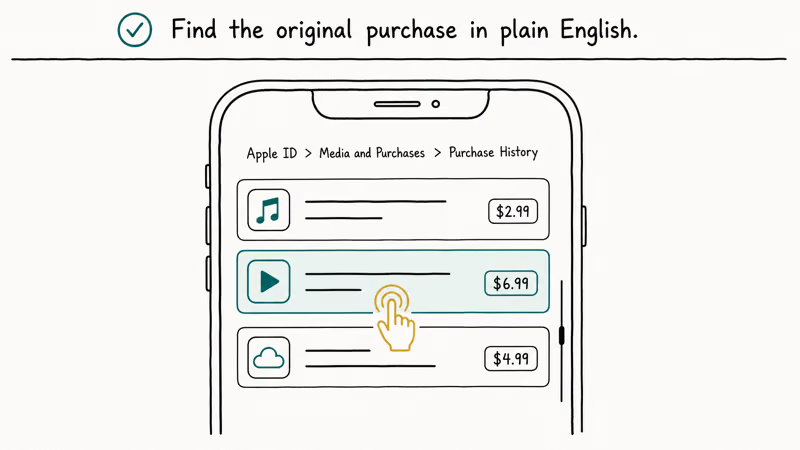
According to Apple’s view your purchase history page, the App Store keeps up to 90 days of recent purchases visible per Apple ID, accessible from your account screen.
- Open the App Store on your iPhone or iPad.
- Tap your profile photo in the top-right corner.
- Tap your name, then tap Purchase History.
- Scroll through the list to confirm whether the app was bought on this Apple ID.
If the app does not appear, the purchase belongs to a different Apple ID, either yours from a prior account or a household member’s. Switching to that account is the only legitimate fix; there is no legal way to transfer an individual paid app between two unrelated Apple IDs.
If trusted-device prompts block your sign-in, see resolving trusted devices list issues for the common two-factor authentication snags.
#Handle Preloaded Apps on a New or Secondhand Device
New devices sometimes ship with vendor-loaded apps that need to be accepted into your Apple ID before they can update.
- Open the App Store and sign in with your Apple ID.
- You may see a one-time prompt to accept these apps into your account.
- Follow the on-screen instructions to associate the preloaded apps with your Apple ID.
For secondhand devices, the cleanest path is a full factory reset before signing in. Apple’s erase your iPhone support page states that the Erase All Content and Settings option under Settings > General > Transfer or Reset iPhone removes the prior owner’s data and Apple ID associations. This is the only official method that fully clears inherited app entitlements on a device you own.
#Managed Apple IDs in Business or Education
If you’re using a managed Apple ID, app update permissions are controlled by your organization’s mobile device management (MDM) profile, not by you. Apple Business Manager and Apple School Manager both let administrators block App Store updates without notice.
- Confirm the device is enrolled in MDM by checking
Settings>General>VPN & Device Management. - Contact your IT department or school administrator for assistance.
- The administrator may need to adjust permissions or push the update through their management console.
Per Apple’s Platform Deployment documentation, managed Apple IDs can’t make personal App Store purchases on supervised devices, so the prompt may also indicate a deliberate restriction rather than a bug.
#When to Contact Apple Support
If you’ve tried the above methods and still see the error on your own device, escalate to Apple Support.
- Use the Apple Support app or visit support.apple.com.
- Have your device model, iOS version, and Apple ID email ready.
- Explain the troubleshooting steps you’ve already tried.
You may also need to reset your iPhone passcode or remove an Apple ID from your device before the support agent can fully diagnose the issue. Apple support agents have read-only access to your purchase history and can confirm which Apple ID owns the app in question.
#Prevention Tips That Actually Help
To avoid future “Update Unavailable” prompts on your own devices, build a few habits up front:
- Use a single Apple ID for all purchases and downloads when possible.
- Set up Family Sharing before buying apps you want to share legally with up to 6 family members.
- Regularly update iOS and apps to keep compatibility tight.
- Keep your Apple ID recovery email and trusted phone number current.
- Consider unlinking iPhones if you’re managing multiple devices on the same Apple ID.
#Bottom Line
For most users the fastest fix is a tight loop: sign out of the App Store, delete the problem app, sign back in with the original Apple ID, then reinstall. This clears authentication mismatches and re-establishes the purchase link on the device.
Secondhand buyers should factory reset first, since prior-owner Apple ID associations are otherwise sticky. Managed Apple ID users should skip the DIY steps and route through their IT administrator, since MDM policies override any on-device fix you try.
#Frequently Asked Questions
Why do I see this error on a second-hand device?
Second-hand devices inherit the previous owner’s Apple ID. Factory reset first, then set it up as new with your own.
Can I update apps purchased with a different Apple ID?
Not directly. Sign in with the original Apple ID, or repurchase the app under your current one.
Will I lose app data if I delete and redownload an app?
Possibly — many apps store data in iCloud and restore automatically after reinstall, but some store data only locally. The safest sequence is to open the app, confirm any in-app sync is on, force a manual iCloud or vendor backup, then delete. After redownloading, sign in to the in-app account first so the data tier syncs before tapping around, otherwise local progress, drafts, and settings are gone.
How often should Apple ID owners install iOS updates?
Install iOS updates as they appear in Settings > General > Software Update.
Can using a VPN cause the “Update Unavailable” error?
Sometimes. App Store country settings are tied to your Apple ID, and a VPN that places you in a different country can confuse the verification step. Turn off your VPN and retry the update before assuming the Apple ID itself is the issue.
Does Family Sharing fix this error?
Family Sharing prevents the error in advance by letting up to 6 family members share most paid apps without re-purchasing. The Family Organizer turns on Purchase Sharing once, and every eligible app downloaded after that becomes shareable across child and adult accounts. It does not retroactively migrate apps bought on a non-shared Apple ID, so those still need the original Apple ID to update.
Is it legal to use someone else’s Apple ID to update an app?
No. Using another person’s Apple ID without their explicit consent violates Apple’s terms of service and may be illegal under your local computer access laws. Always update apps with your own Apple ID, or ask the original purchaser to share through Family Sharing.
What if the error appears for an app I bought on this exact Apple ID?
In rare cases the App Store entitlement cache desyncs. Force-quit the App Store, sign out and back in, then retry. If the error persists, contact Apple Support and reference your purchase history record so they can re-trigger the entitlement server-side.
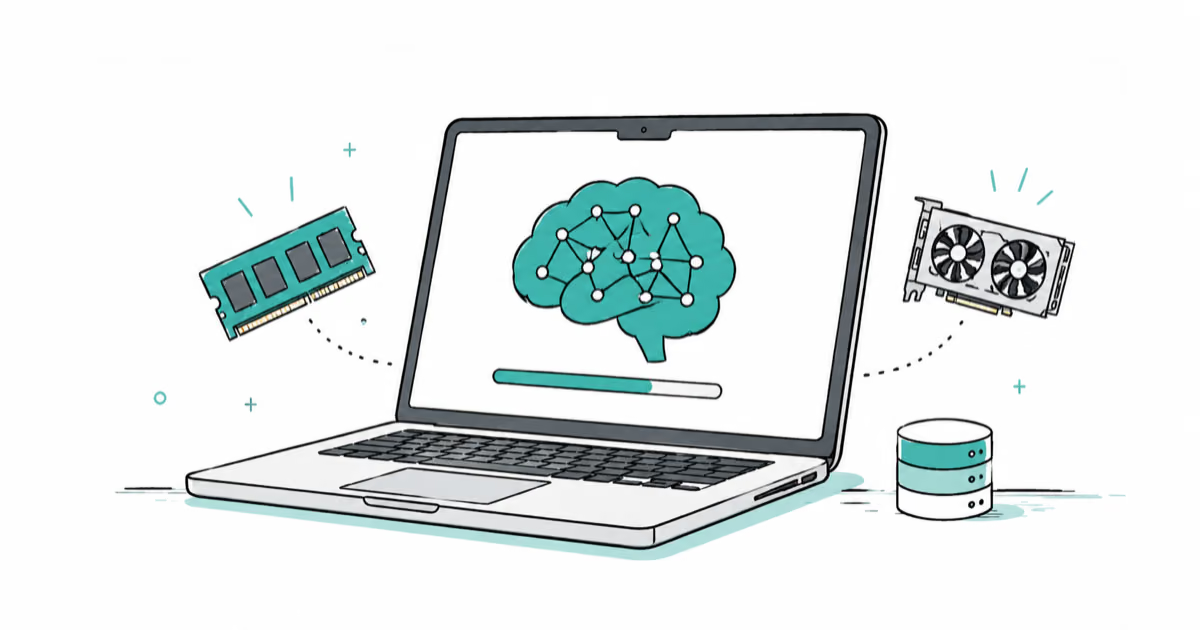
Best Laptop for Running LLMs in 2026: Memory Comes First
The best laptop for running LLMs is a memory purchase first. Compare MacBook unified memory against NVIDIA laptop VRAM, and see what each tier really runs.
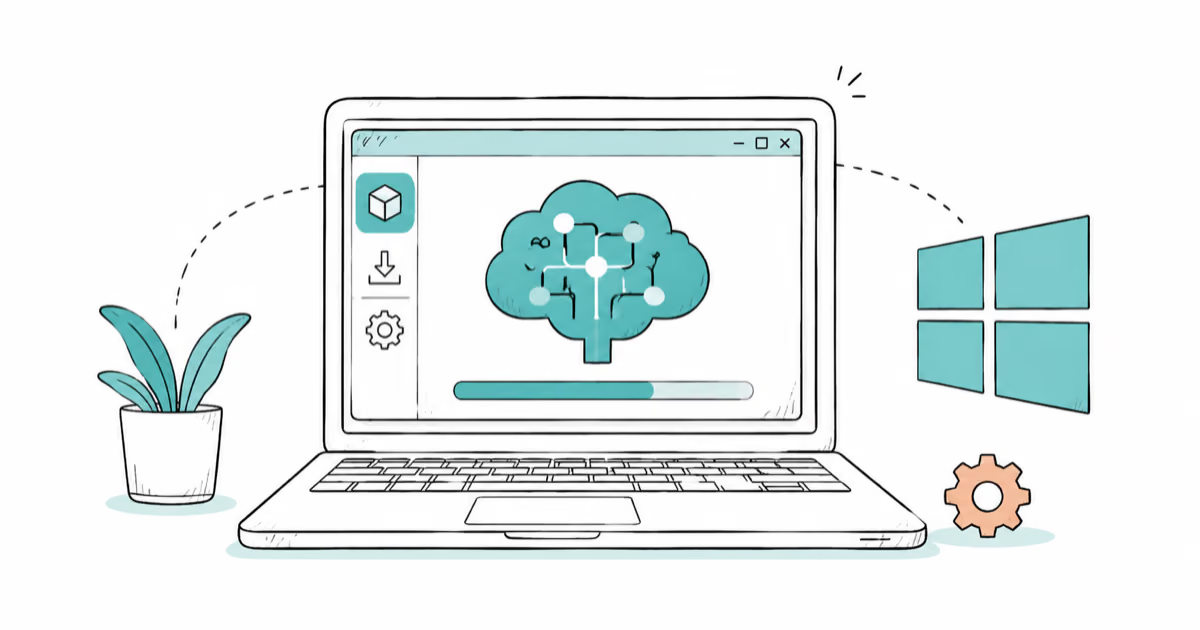
How to Run a Local LLM on Windows: A 2026 Setup Guide
Run a local LLM on Windows with LM Studio or Ollama. Pick a model that fits your GPU memory, keep every prompt offline, and skip the monthly bill.
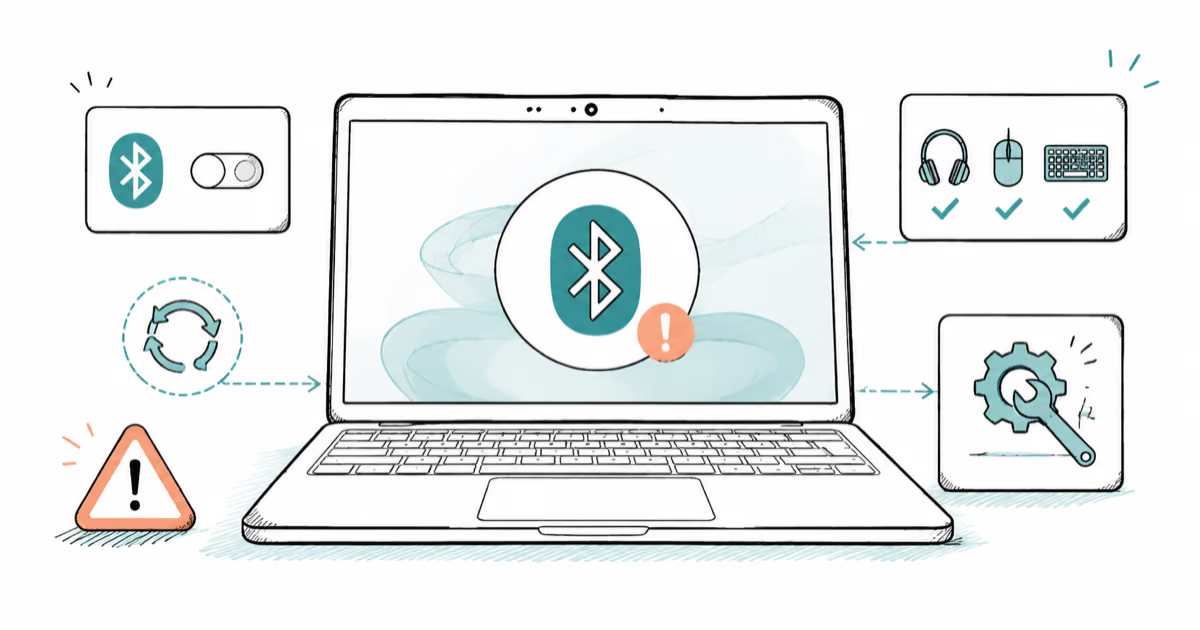
Bluetooth Not Working on Snapdragon X? Fixes for 2026
Bluetooth not working on your Snapdragon X Copilot+ PC? Generic audio, mice, and keyboards work, but vendor apps often lack an ARM build. Fixes inside.
Docker Desktop and WSL2 Not Working on Snapdragon X? Fix It
WSL2 runs fine on Snapdragon X, but Docker Desktop ARM is Early Access and throws WSL errors. Use WSL2 plus native ARM64 Ubuntu and Docker Engine.