How to Unlink iPhones From the Same Apple ID Safely
Unlink iPhones you own from a shared Apple ID using Settings, Find My, or iCloud.com. Step-by-step guide preserves your data and protects privacy.
Quick AnswerTo unlink iPhones you own from a shared Apple ID, open Settings, tap your name, scroll to the device, and tap Remove from Account. You can also remove it remotely from iCloud.com or the Find My app on another Apple device.
Need to unlink iPhones sharing the same Apple ID? The process takes about two minutes per device and won’t erase your personal data. There are three reliable ways to do it: Settings, the Find My app, and iCloud.com. Every step below assumes you’re unlinking iPhones you own, or devices on a Family Sharing group where you are the organizer.
- Unlinking does not delete photos, contacts, or messages from the device, it stops iCloud sync between linked iPhones
- Removing a device from your Apple ID disables Find My iPhone and Activation Lock for that handset, so unlink only just before selling or gifting
- The remote method via iCloud.com works best when the target iPhone is powered off or offline, which prevents a re-pair handshake
- Family Sharing organizers can remove members from Settings, Apple ID, Family, then tap a member name to revoke shared purchases and Apple subscriptions
- After unlinking, run Settings, Privacy and Security, Safety Check to audit any leftover sharing permissions with people or apps
#When Should You Unlink iPhones From the Same Apple ID?
Two iPhones on the same Apple ID will mirror Messages, FaceTime, Photos, Contacts, Wallet, and App Library across both handsets. Convenient for one person with two devices, painful the moment two people want privacy. Common reader scenarios: a parent who set up a child’s first iPhone with their own Apple ID, couples who shared an Apple ID during the iPhone 4 era and never split, or someone preparing to sell an old iPhone before activating a new one.
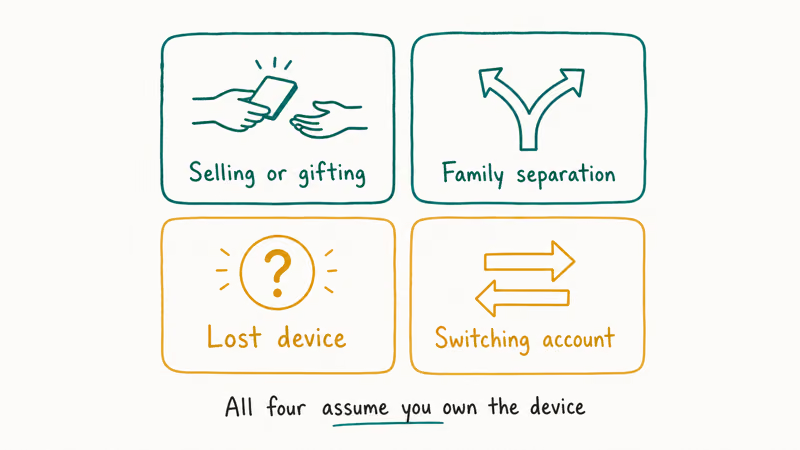
Apple’s guidance on using one Apple ID across devices recommends a single Apple ID per person, with shared purchases handled through Family Sharing. That model gives each iPhone its own iCloud backup, private Messages thread, and individual Find My location, without giving up family iCloud Storage or Apple One bundles.
Before unlinking, decide which iPhone keeps the current Apple ID. That device stays signed in and keeps its data intact. The device being unlinked loses iCloud sync for whatever categories you’d enabled, so run an iCloud backup first.
#Method 1: Unlink an iPhone From Settings on the Device
When you have the iPhone in hand and remember the Apple ID password, removing it from Settings is the fastest path. Works on any iPhone running iOS 13 or later, and on iPad in iPadOS.
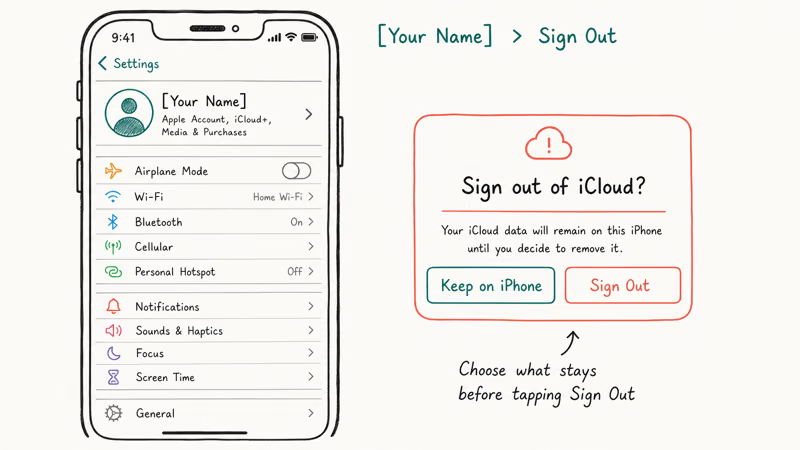
- Open the Settings app on the iPhone you want to unlink.
- Tap your name at the top to open the Apple ID panel.
- Scroll past the cards and family members until you see the list of devices signed in to this Apple ID.
- Tap the iPhone you want to remove.
- Tap Remove from Account at the bottom, then confirm.
The system signs that handset out of iCloud, App Store, FaceTime, and Messages tied to the shared Apple ID. It doesn’t factory reset the device. Photos, Notes, and Contacts already downloaded stay on the device unless you also turn off the toggles in Settings, [your name], iCloud before signing out.
The sign-out flow usually finishes in under two minutes and keeps all locally cached photos. Apple’s iCloud data and privacy overview states that signing out preserves the on-device copy of synced data, while removing the device from the iCloud account stops future syncing. If two-factor authentication is on, you may be asked to enter the trusted device passcode once more before the unlink completes.
#Method 2: Remove an iPhone Remotely From iCloud.com
When you don’t have physical access to the iPhone, or the device is offline, removing it from your account through iCloud.com is the safer remote option. It’s the route to use when scrubbing a lost or already-sold iPhone from your Apple ID.
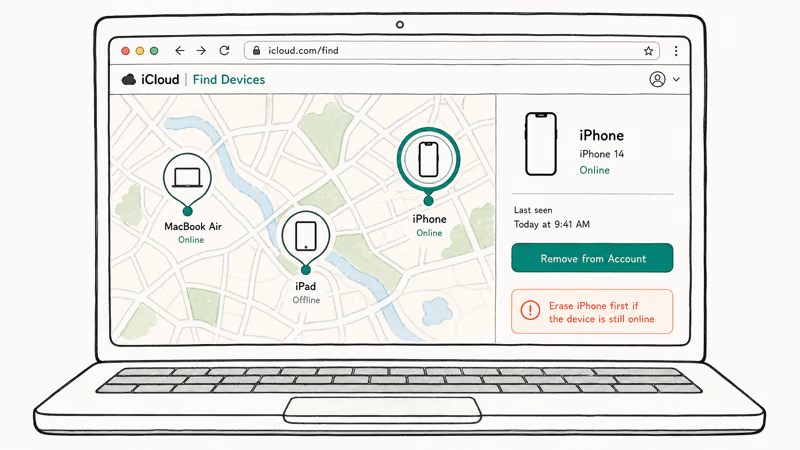
- Open a browser on any computer and visit iCloud.com.
- Sign in with the Apple ID currently linked to both iPhones.
- Click Find iPhone (or Find Devices on newer iCloud layouts) and re-enter your password.
- Click All Devices, pick the iPhone you want to unlink, and select Remove from Account.
The Remove from Account button appears only when the device is offline. Apple’s Find My web help states that you may need to wait until the iPhone is powered off or out of network range before the option activates. If you must unlink an online iPhone, Apple recommends using Erase iPhone first, then Remove from Account once the device is wiped and offline.
Removing a device this way also disables Find My iPhone and Activation Lock for that handset. Exactly what you want before selling or gifting an iPhone, but it means anyone who powers the device back on can complete setup without your Apple ID password.
#Method 3: Unlink Through the Find My App
If you have another iPhone, iPad, or Mac signed in to the same Apple ID, the Find My app gives you a one-tap path that mirrors the iCloud.com flow without opening a browser.
- Open the Find My app on the other Apple device.
- Tap Devices at the bottom of the screen, or click Devices in the macOS sidebar.
- Select the iPhone you want to unlink from the list.
- Scroll down and tap Remove This Device, then confirm.
A linked iPhone shows up inside Find My on the other device right away, and the remote removal finishes moments later. This route works well even when the target iPhone has a flat battery. Apple keeps the device in your account roster for up to 7 days after the last reported location before purging it.
#Method 4: Manage Members in a Family Sharing Group
When the two iPhones are on separate Apple IDs but joined in a Family Sharing group, the unlink path is different. You’re not removing the iPhone itself, you’re removing the person from the family. That immediately stops shared purchases, Apple Music family pricing, iCloud+ storage sharing, and shared location.
- On the organizer’s iPhone, open Settings, tap your name, then tap Family.
- Tap the family member you want to remove.
- Tap Remove [Name] From Family and confirm.
Apple’s Family Sharing setup guide states that only the organizer can remove members, and that members under age 13 can’t be removed from a family, only moved to another family group. After removal, apps the person downloaded through family purchase sharing remain installed but require the person’s own purchase or a fresh Apple ID download to update.
If you’re the one being removed, you can leave the family yourself from the same Family screen. If your Apple ID is locked or verification fails, our guide to Apple ID verification problems walks through the most common fixes.
#How Do You Unlink an iPhone You Can’t Sign In To?
This is the most common follow-up we hear from readers buying or inheriting a used iPhone. If you own the device but can’t remember the Apple ID password, the only legitimate path is to recover the original Apple ID. Apple’s recovery flow at iforgot.apple.com can send a reset link to the rescue email or trusted phone number on file.
If the iPhone is yours and the Apple ID is yours but recovery fails after multiple attempts, third-party tools advertised for this scenario can sometimes help, with one strong warning: they remove your Apple ID lock at the cost of disabling iCloud and Find My, and they only work on iPhones you legally own.
- dr.fone Screen Unlock targets cases where you own the iPhone but lost the original Apple ID credentials.
- iToolab UnlockGo covers a similar use case for iPhones running iOS 12 through iOS 17.
Some links on this page are affiliate links, which means fone.tips may earn a commission at no extra cost to you.
These tools aren’t a workaround for Activation Lock on someone else’s iPhone. Per Apple’s Activation Lock support article, only the original Apple ID owner can legally remove the lock, and Apple Stores will refuse service on an iPhone someone else’s account still claims. If you bought a used iPhone that’s still linked, your only legitimate move is to contact the seller and ask them to remove the device from their Apple ID using Method 1 or Method 2 above.
Attempting to unlink someone else’s Apple ID without their consent is account tampering. It may violate the federal Computer Fraud and Abuse Act in the United States as well as similar laws in the United Kingdom, Canada, and the EU.
#Protecting Your Data After Unlinking iPhones
Unlinking handles the account split, but a few cleanup steps prevent stale sharing from leaking data back to the other device. Run this checklist on every iPhone that leaves a shared Apple ID setup.
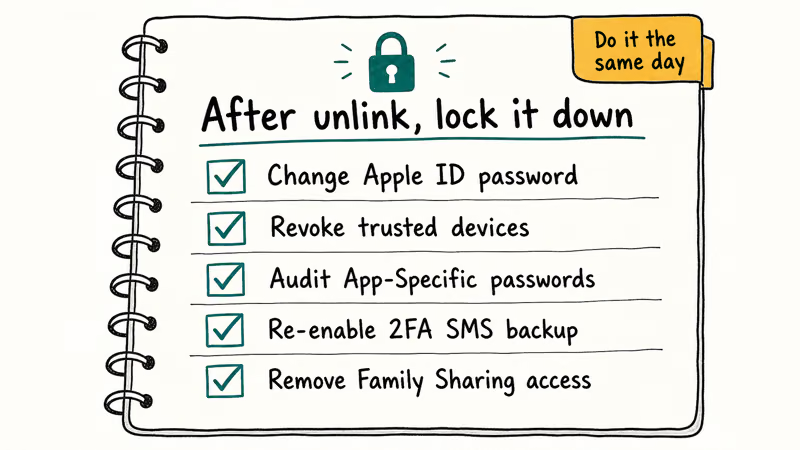
- On the iPhone you kept, open Settings, Privacy and Security, Safety Check and run Manage Sharing and Access. Apple introduced Safety Check in iOS 16 specifically for this kind of split. It shows every person and app that still has access to your location, photos, or calendar.
- Sign out of any third-party apps linked through Sign in with Apple, then sign back in if you want them.
- Change the Apple ID password if the previous co-user knew it, even after the unlink. They may still hold an active iCloud.com web session.
- Review Settings, [your name], Media and Purchases, View Account, Subscriptions to confirm that shared subscriptions transferred to the right Apple ID.
- If you removed an iPhone you plan to sell, run a factory reset via Settings, General, Transfer or Reset iPhone, Erase All Content and Settings before handing it over.
Safety Check often surfaces abandoned location shares pointing at the removed iPhone. Catch them before the new owner powers it on.
#Common Unlink Errors and How to Fix Them
A handful of error states show up often enough to deserve a dedicated section. Most stem from Apple’s safeguards working as designed rather than a true failure.
The device reappears after you remove it. Usually means the iPhone was online when you tapped Remove from Account and re-registered when it next pinged Apple’s servers. Power the iPhone off, then remove it again from iCloud.com while it’s offline.
You see a “Can’t Sign Out” message. Apple blocks sign-out when Screen Time, an MDM profile, or a Restrictions PIN is active. The guide on why you can’t sign out of Apple ID covers each cause and the matching fix.
The Apple ID verification code doesn’t arrive. Two-factor codes go to trusted devices first, then to the trusted phone number. If neither received the code within 5 minutes, request a new one from iforgot.apple.com or use Get Code on a trusted device.
Photos went missing after sign-out. The on-device copy stays, but iCloud Photo Library may have only stored thumbnails locally. Before signing out next time, open Settings, Photos, and toggle Download and Keep Originals so full-resolution files live on the device. To restore now, download your archive from iCloud backup files.
#Bottom Line
Match the method to your situation. If the iPhone is in hand and you remember the Apple ID password, use Method 1 from Settings, then run Safety Check, then back up and erase the device before selling. If the iPhone is gone, use Method 2 via iCloud.com with the device offline.
If you only want to stop sharing Apple Music and iCloud Storage between two separate Apple IDs grouped in a family, use Method 4 and remove the member from Family Sharing instead of touching either iPhone’s settings. Avoid third-party unlock tools unless you own the iPhone outright and have exhausted Apple’s recovery options. Never attempt to unlink an iPhone from an Apple ID belonging to someone else.
#Frequently Asked Questions
Does unlinking an iPhone delete my photos or messages?
No. Unlinking signs the device out of your Apple ID but keeps any photos, messages, contacts, and notes already downloaded. Future changes won’t sync between the two iPhones, but nothing locally stored gets erased by the unlink itself.
Will removing an iPhone from my Apple ID disable Find My?
Yes. Removing a device from your Apple ID disables Find My iPhone and Activation Lock for that handset. Don’t remove the device until you’re ready to hand it over to its new owner, otherwise you lose the ability to track or remotely wipe it if it goes missing.
Can I unlink an iPhone without the Apple ID password?
You can recover the password through Apple’s iforgot.apple.com flow if the rescue email or trusted phone number is still accessible. If you can’t recover the credentials and you legally own the iPhone, third-party tools like dr.fone or iToolab UnlockGo can remove the Apple ID lock. Doing this on someone else’s iPhone is account tampering and likely illegal.
How long does it take to unlink an iPhone from a shared Apple ID?
The Settings flow usually finishes in under two minutes. The iCloud.com remote method takes about three minutes, plus any time you need to wait for the device to be offline before the Remove from Account button activates. Family Sharing removals finish almost instantly.
Does unlinking move my iCloud backup to a new Apple ID?
No. iCloud backups stay tied to the Apple ID that created them. To migrate, restore the backup to the iPhone while still signed in to the original Apple ID, export the data you care about, then sign in with the new Apple ID and create a fresh backup. Apple doesn’t offer a direct backup transfer between two different Apple IDs.
What happens to App Store purchases after I unlink?
Apps you bought on the unlinked iPhone stay installed and keep working, but future updates require either signing back in with the original Apple ID or rebuying the app on the new Apple ID. Family Sharing purchase sharing can preserve access to most paid apps if both Apple IDs join the same family group after the unlink.
Can I unlink an iPhone that’s currently lost or stolen?
Don’t unlink a lost or stolen iPhone. Keeping it linked to your Apple ID is what lets Find My track its location and what keeps Activation Lock active so a thief can’t resell it. Mark the device as lost in Find My instead, and only remove it from your Apple ID after the device has been recovered or fully erased remotely.
Apple Siri Settlement: Who Qualifies and How to Claim
Apple's $250 million Siri settlement covers iPhone 15 Pro and iPhone 16 models bought June 2024 to March 2025. See who qualifies and how claims work.
iOS 26.6.1 Security Update: What Apple Fixed and Who Gets It
Apple released iOS 26.6.1 on August 17 with 29 security fixes, including an IPSec interception bug. See what it patches, who gets it, and how to update.
iPhone Adaptive Power: How It Works and When to Use It
Learn how iPhone Adaptive Power works, which models support it, what it changes, and when Low Power Mode is still the better battery-saving choice.
How to Transfer Data to a New iPhone Without iCloud
Move everything to your new iPhone without iCloud: Quick Start device-to-device transfer, wired migration, and encrypted Finder or iTunes backups.