EAC3 Not Supported: How to Fix the Audio Error Fast
Fix the EAC3 not supported audio error in MX Player and other media players with proven methods: codec packs, VLC, and audio format conversion.
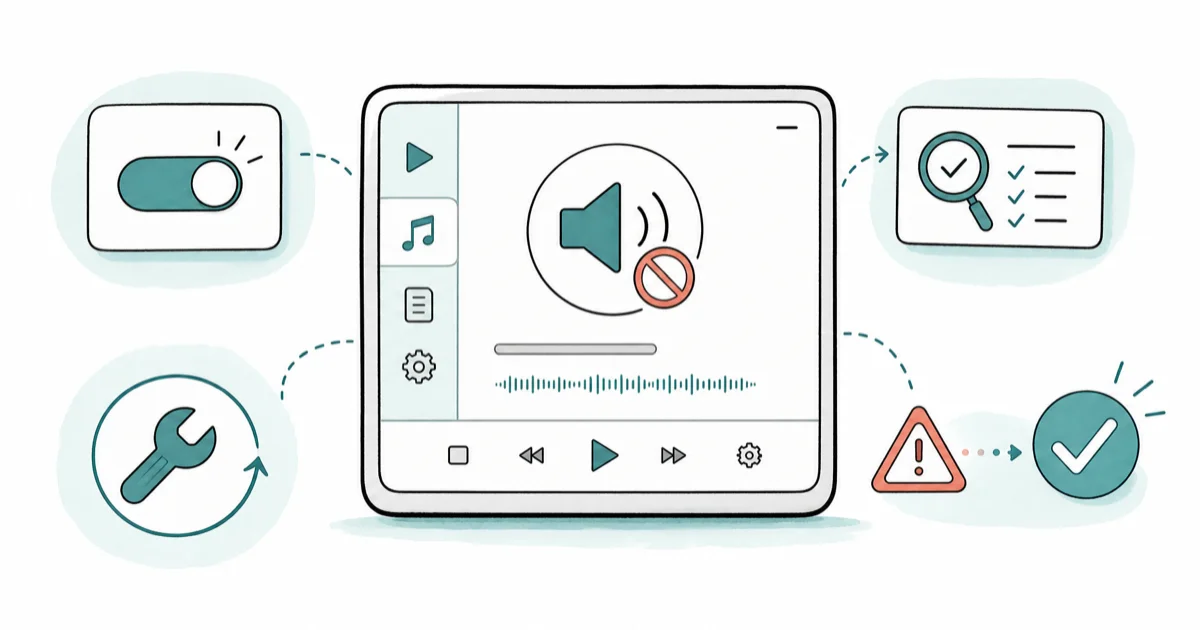
Quick AnswerThe EAC3 not supported error occurs because your media player lacks the required codec. Install a custom EAC3 codec pack for MX Player or switch to VLC, which has built-in EAC3 support.
If you’ve encountered the “Audio format EAC3 not supported” error when trying to play videos, the fix is usually straightforward. The options below cover codec packs, player updates, VLC playback, cache resets, and file conversion.
- EAC3 (Dolby Digital Plus) is a Dolby-licensed audio format used in Blu-ray discs, digital TV broadcasts, and video games. Players must obtain a license to decode it.
- MX Player specifically removed EAC3 support due to licensing issues, which is why the error appears most frequently in that app rather than others.
- Installing a custom EAC3 codec pack through MX Player’s
Settings>Decoder>Custom Codecmenu restores support without switching to a different app. - VLC Media Player has built-in EAC3 support at no extra cost and is the quickest solution: open the problem video in VLC and it will play the audio immediately.
- You can permanently fix incompatibility by converting the EAC3 audio track to MP3 using VLC’s built-in
Media>Convert/Save function.
#Understanding the EAC3 Format
EAC3, or Enhanced AC-3, is a digital audio compression format developed by Dolby Laboratories. It’s an evolution of the earlier AC-3 format, designed to provide superior audio quality with more efficient compression. EAC3 is widely used in digital TV broadcasting, home theater systems, video games, and Blu-ray discs. EAC3 supports up to 15.1 channels of audio, according to Wikipedia’s article on Dolby Digital Plus, compared to AC3’s maximum of 5.1 channels.
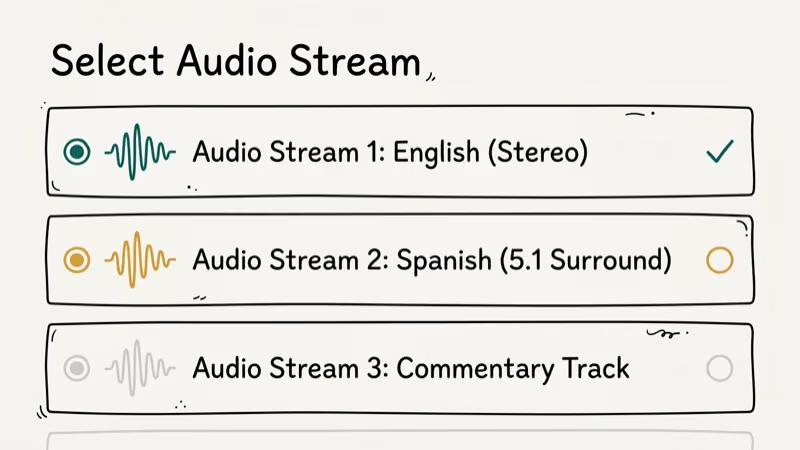
The primary reasons you may encounter “EAC3 not supported” errors include:
- Outdated media player software
- Missing audio codecs
- Licensing issues (especially with MX Player)
- Corrupted audio files
MX Player, a popular media player, removed support for certain codecs including EAC3, AC3, DTS, DTSHD, and MLP due to licensing problems. This is why many users experience this error when using MX Player.
#Why Does MX Player Show This Error?
MX Player’s FAQ on Google Play states that MX Player removed EAC3, AC3, DTS, DTSHD, and MLP codec support due to licensing restrictions. The app can’t include these codecs in its default build without paying Dolby licensing fees. Installing a custom codec pack bypasses this limitation and restores audio playback for all affected formats.
#How Do You Fix EAC3 Not Supported Errors?
Here are all five methods to resolve this audio issue, starting with the fastest:
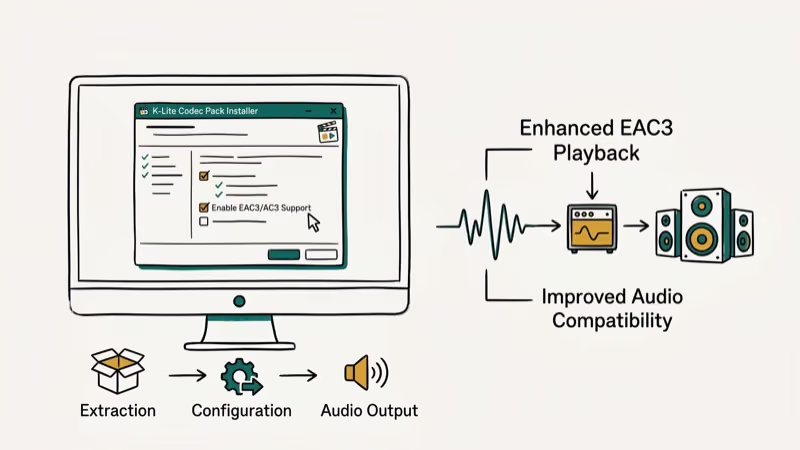
#Method 1: Update Your Media Player
Keeping your media player up-to-date is crucial for maintaining compatibility with various audio formats.
- Open your media player (e.g., MX Player)
- Go to Settings
- Look for “Check for updates” (usually under “About”)
- If an update is available, download and install it
- Restart the app and try playing your video again
#Method 2: Install Custom Codecs
For MX Player users, installing custom codecs can often resolve EAC3 support issues.
- Open MX Player and go to Settings
- Go to
Decoder>Custom Codec - Download the recommended codec from the provided link
- Return to MX Player settings and select Custom Codec
- Follow the prompts to install the custom codec
- If MX Player doesn’t detect the codec automatically, manually add it by selecting the path of the downloaded codec
If you’re still experiencing issues with audio codecs, you might want to check out our guide on how to fix audio codec not supported errors.
#Method 3: Clear Cache and Data
Clearing your media player’s cache and data can eliminate glitches affecting codec support.
- Go to your device’s
Settings>Apps - Find and select your media player (e.g., MX Player)
- Tap on “Storage usage”
- Select “Clear Cache” and then “Clear Data”
- Restart the app and check if the issue is resolved
#Method 4: Use VLC Media Player
VLC Media Player is known for its extensive codec support, including EAC3.
- According to VLC Media Player, VLC is free, open source, and plays most multimedia files
- Open VLC and go to
Media>Open File - Select the video file with EAC3 audio
- VLC should play the file without any “EAC3 not supported” errors
VLC works well with many formats. See our guide on how to play M2TS files in VLC or fix the “VLC is unable to open the MRL” error.
#Method 5: Convert EAC3 to MP3
Converting EAC3 audio to a more widely supported format like MP3 can solve compatibility issues.
- Open VLC Media Player
- Go to
Media>Convert/Save - Add your video file and click Convert/Save
- Choose MP3 as the output format
- Select a destination for the converted file and click Start
- Once converted, try playing the new file in your preferred media player
#EAC3 Format Specifications and Compatibility
EAC3 (Dolby Digital Plus) uses a variable bitrate up to 6 Mbps, compared to AC3’s fixed maximum of 640 kbps. This allows EAC3 to deliver higher audio quality at the same file size. The format supports up to 13 full-bandwidth channels plus 2 low-frequency effects channels, making it standard for 4K Blu-ray discs and streaming services like Netflix and Amazon Prime Video.
Device compatibility varies widely. According to Microsoft’s documentation on audio codec support, Windows 10 and 11 include native EAC3 decoding through the built-in Media Player app. macOS does not decode EAC3 natively, making VLC essential on Mac. Android lacks built-in EAC3 support, which is why apps like MX Player require codec packs.
#Best Alternative Media Players for EAC3 Support
VLC is the easiest first alternative because it includes broad codec support without extra configuration. GOM Player is another Windows option with extensive format support. For Android, the Just (Video) Player is a reliable lightweight option that includes EAC3 support out of the box:
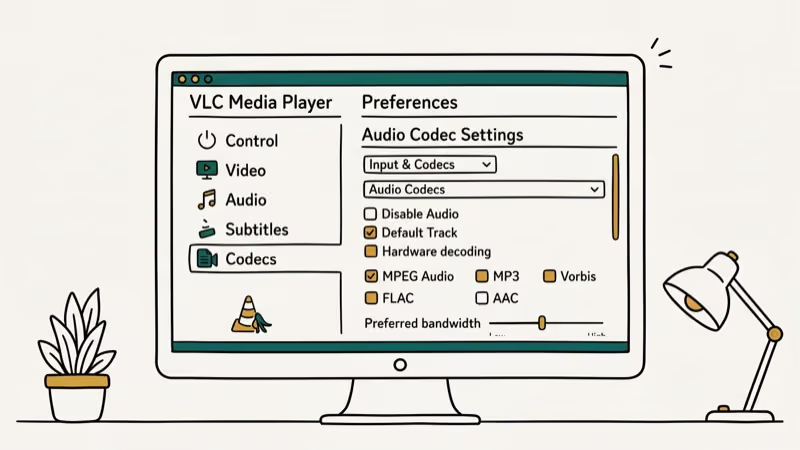
- VLC Media Player: Versatile, free, and supports a wide range of codecs including EAC3, AC3, and DTS
- GOM Player: User-friendly interface with extensive format support for Windows
- Just (Video) Player: Lightweight Android player with native EAC3 compatibility
#EAC3 Error Prevention and Driver Fixes
To avoid “EAC3 not supported” errors going forward, keep your media player updated and use players with built-in codec libraries. VLC updates frequently and adds codec support with each release. If you’re experiencing related audio issues, look into fixing generic audio driver issues or troubleshooting your multimedia audio controller. Outdated audio drivers often produce codec errors that look like player problems but actually come from the operating system layer.
#Bottom Line
The fastest fix is switching to VLC: it handles EAC3 without extra codec-pack steps. If you want to stay on MX Player, install the custom codec pack through Settings > Decoder > Custom Codec. Converting the file to MP3 with VLC’s built-in converter solves the compatibility problem permanently.
#Frequently Asked Questions
What is the “EAC3 Not Supported” error?
This error occurs when a device or media player can’t decode the EAC3 audio format, usually due to missing codecs or licensing restrictions. MX Player removed EAC3 support specifically because of Dolby licensing costs, making it the most common source of this error.
Can I prevent the EAC3 error from appearing again?
Yes. Switch to VLC, which has built-in EAC3 support and is completely free. Alternatively, keep MX Player updated with the custom codec pack installed. The error won’t reappear once you have a player that natively decodes the format.
Is EAC3 better than AC3?
EAC3 (Dolby Digital Plus) is superior to AC3 in terms of audio quality. It supports up to 15.1 audio channels compared to AC3’s maximum of 5.1 channels, and it achieves comparable audio quality at lower bit rates. The tradeoff is less universal device support.
Why does my Android device show this error?
Android doesn’t include Dolby codec licenses by default. Apps like MX Player also removed EAC3 support due to those same licensing costs. Installing a custom codec pack for MX Player or switching to VLC for Android resolves it.
How do I fix the EAC3 error on a Smart TV?
Go to your Smart TV’s settings and check for a software update. Some Smart TV platforms support installing alternative media player apps from their app store. If neither option works, the most reliable solution is transcoding the video file on a computer first using VLC’s Media > Convert/Save function, then playing the converted file.
Does EAC3 work on iPhone or iPad?
iOS has limited EAC3 support. The built-in video player may not decode EAC3 audio, but VLC for iOS handles it reliably. Download VLC from the App Store and open the file through VLC to play EAC3 audio on iPhone or iPad without issues.
Best Laptop for Running LLMs in 2026: Memory Comes First
The best laptop for running LLMs is a memory purchase first. Compare MacBook unified memory against NVIDIA laptop VRAM, and see what each tier really runs.
How to Run a Local LLM on Windows: A 2026 Setup Guide
Run a local LLM on Windows with LM Studio or Ollama. Pick a model that fits your GPU memory, keep every prompt offline, and skip the monthly bill.
Bluetooth Not Working on Snapdragon X? Fixes for 2026
Bluetooth not working on your Snapdragon X Copilot+ PC? Generic audio, mice, and keyboards work, but vendor apps often lack an ARM build. Fixes inside.
Docker Desktop and WSL2 Not Working on Snapdragon X? Fix It
WSL2 runs fine on Snapdragon X, but Docker Desktop ARM is Early Access and throws WSL errors. Use WSL2 plus native ARM64 Ubuntu and Docker Engine.