Who Unfollowed Me on Facebook? 6 Ways to Find Out for Sure
Find out who unfollowed you on Facebook using manual checks, browser extensions, and built-in privacy settings to track your friends list changes.
Quick AnswerFacebook doesn't show who unfollowed you directly. Check your friends list manually for missing names, use the "Who Deleted Me" browser extension to track changes, or notice when posts from specific people stop appearing in your news feed.
Facebook doesn’t tell you when someone unfollows you. You’ll need to check manually or use third-party tools to track friend list changes.
- Facebook has no built-in unfollower notification system, so you must track changes yourself or use browser extensions
- “Who Deleted Me” browser extension automatically monitors your friend list and alerts you to changes
- Manual checking involves searching your friends list for missing profiles, though this gets harder with large friend counts
- Unfollowing differs from unfriending — unfollowers stay connected but don’t see your posts in their feed
- Common unfollowing triggers include posting too frequently, controversial content, or poor engagement with followers
#Understanding Facebook’s Friend Actions
Three different actions can make someone disappear from your feed, and each works differently. According to Wikipedia’s Facebook overview, Facebook is a social-networking service, so follower and friend-list checks should be handled with privacy limits in mind.
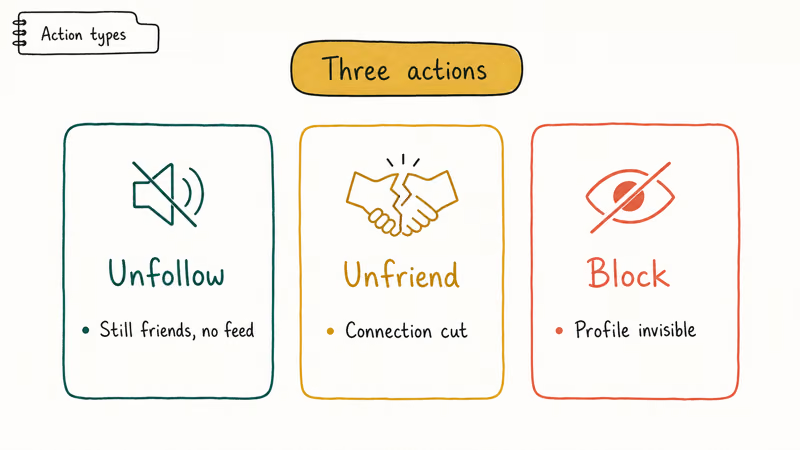
Unfriending removes you from someone’s friend list completely. You can’t see their posts, profile info, or mutual friends. They can’t message you directly, though they could send message requests. According to Facebook’s help documentation, unfriended people can still find and visit your public profile if your privacy settings allow public access.
Unfollowing keeps the friendship intact but removes posts from their news feed. They stay on your friends list and can still message you normally. This happens automatically.
Blocking is nuclear. Facebook confirms that blocking removes all previous interactions.
#Common Reasons People Unfollow on Facebook
These triggers usually fall into four buckets.
#Posting Too Frequently
Posting too often overwhelms news feeds.
#Controversial or Divisive Content
Political posts and religious debates drive unfollows faster than any other content type. A large share of social media users have unfollowed or muted accounts over political content they disagreed with, a pattern surveys have tracked for years. Religious content can be equally divisive, especially during election cycles or major social events. Hot topics like abortion rights, gun control, immigration policy, and religious freedoms consistently trigger the most unfollows across all demographics.
#Inconsistent Posting
Sporadic posting confuses algorithms.
#Poor Social Engagement
Accounts that never like, comment, or respond to others tend to feel one-sided. Social media works both ways. If you don’t engage with others’ content, they’ll likely return the favor by unfollowing you. Building genuine connections requires mutual participation in the community.
#Methods to Track Who Unfollowed You
#Method 1: Manual Friends List Check
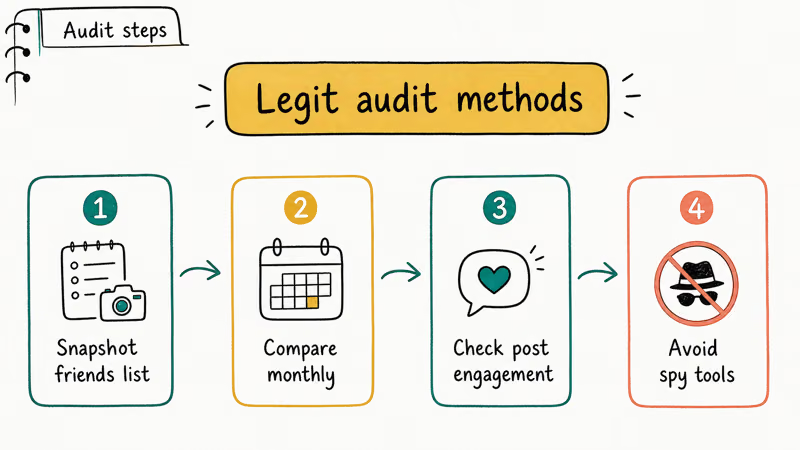
Go to your profile and click “Friends.” Search for the person you suspect unfollowed you. If they’re still there but you haven’t seen their posts lately, they likely unfollowed you rather than unfriended you.
Manual checking works fine for small friend lists but becomes completely impractical with hundreds of connections.
#Method 2: Use Who Deleted Me Browser Extension
The “Who Deleted Me” extension for Chrome and Firefox tracks your friend list automatically. After installation, it takes a snapshot of your current friends.
When you visit Facebook later, the extension compares your current friend list to the previous snapshot and shows who was removed. It can flag friend-list removals, but it can’t distinguish between unfollowing and unfriending.
Privacy note: This extension requires access to your Facebook friend list data, which raises legitimate security concerns about data harvesting and potential misuse by third parties. Review their privacy policy carefully before installing.
#Method 3: Check News Feed Patterns
If someone’s posts completely disappear from your news feed but they’re still on your friends list, they might have unfollowed you. Be cautious though.
#Method 4: Review Post Engagement
Look at your recent posts for engagement patterns. If someone who typically likes or comments on your posts suddenly stops all interaction while still appearing in your friends list, they might have unfollowed you. This method requires careful observation over several weeks to establish reliable patterns since people’s social media habits change frequently for many reasons unrelated to unfollowing.
#Method 5: Use Facebook’s Activity Log
Check Settings & Privacy > Activity Log. Filter by “Posts You’re Tagged In” for historical data and patterns from people who previously interacted with your content regularly.
#Method 6: Check Mutual Friend Updates
Visit mutual friends’ profiles. Look for interaction patterns.
This pattern often reveals deliberate blocking behavior across platforms when someone consistently engages with mutual friends while avoiding your content specifically.
#Should You Care About Facebook Unfollowers?
Focus on quality connections rather than follower count. A smaller group of engaged friends usually creates more meaningful interaction than a large passive audience.
People unfollow for many reasons that have nothing to do with you personally. Maybe they’re cleaning up their news feed or taking a social media break. Some users regularly purge their friend lists to maintain privacy.
#How to Prevent People From Unfollowing You?
Post meaningful content: Share updates that start conversations rather than broadcasting announcements. Ask questions, share interesting articles, or post photos that tell stories.
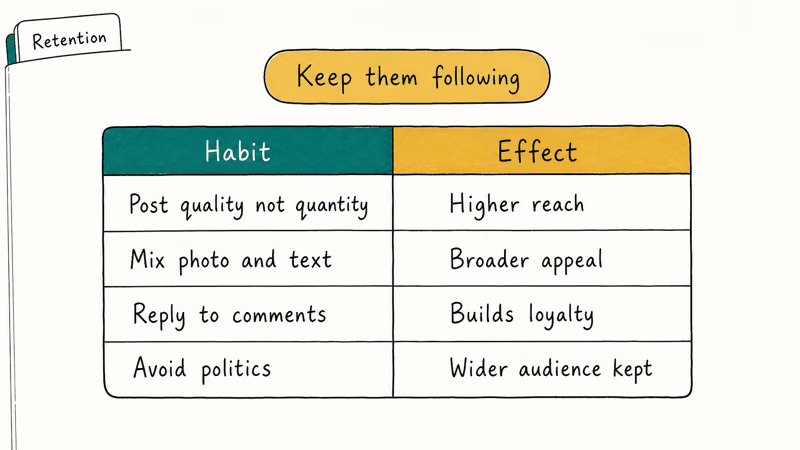
Engage authentically: Like and comment on others’ posts regularly. Social media relationships require mutual interaction, and one-sided feeds give people less reason to keep following.
Respect different viewpoints: Avoid controversial political posts unless that’s your intended brand.
Post consistently but not excessively: Aim for 1-2 posts daily maximum. Quality beats quantity every time.
Use privacy settings wisely: Consider creating custom friend lists for different types of content. Share family photos with close friends only, keep work updates professional.
#Related Facebook Connection Issues
If someone unfollows you, your messaging still works normally. However, if they’ve unfriended you, your messages might go to their message requests folder instead of their main inbox. Learn more about Facebook Messenger delivery issues if your messages aren’t reaching people.
For notification problems that might make you think someone unfollowed you, check our guide on fixing Facebook notifications. Sometimes clearing Facebook cache resolves connection display issues that make friends appear to have unfollowed when they haven’t.
#Frequently Asked Questions
Can Facebook show me a list of people who unfollowed me?
No, Facebook doesn’t provide an official unfollower list. The platform only shows friend additions, not removals or unfollows. You’ll need third-party tools or manual checking.
Is there a difference between unfollowing on mobile vs desktop?
The unfollowing process works the same on both platforms, but mobile users tend to unfollow more frequently due to limited screen space making news feed clutter more noticeable.
Will someone know if I unfollow them?
No notifications happen when you unfollow someone.
Can I see who I’ve unfollowed?
Yes, go to your News Feed preferences in Settings. Under “Reconnect with people you’ve unfollowed,” Facebook shows accounts you’ve previously unfollowed with options to follow them again. This feature helps you manage your feed and reconnect with people you might have unfollowed during decluttering sessions.
Do unfollowers still see my posts?
Unfollowers won’t see your posts in their news feed automatically, but they can still visit your profile directly to view your content if your privacy settings allow public or friends-only access to your posts.
How often should I check for unfollowers?
Checking monthly is sufficient for most users. Daily monitoring creates unnecessary stress and defeats the purpose of social media as a casual communication platform.
#Bottom Line
Facebook won’t tell you who unfollowed you, but manual checking and browser extensions like “Who Deleted Me” can help track changes. Focus on creating engaging content rather than worrying about follower count — authentic connections matter more than numbers.
Google Messages Error 3100: Why RCS Is Broken on Galaxy
Google Messages RCS error 3100 hits Galaxy owners after phone or carrier switches. Google told 9to5Google a fix is coming. Here's what actually helps.
Is This Bank App Real? Spot a Fake App on Your Home Screen
A bank app can land on your home screen from a web page with no install warning. Learn the checks that tell a real banking app from a phishing web app.
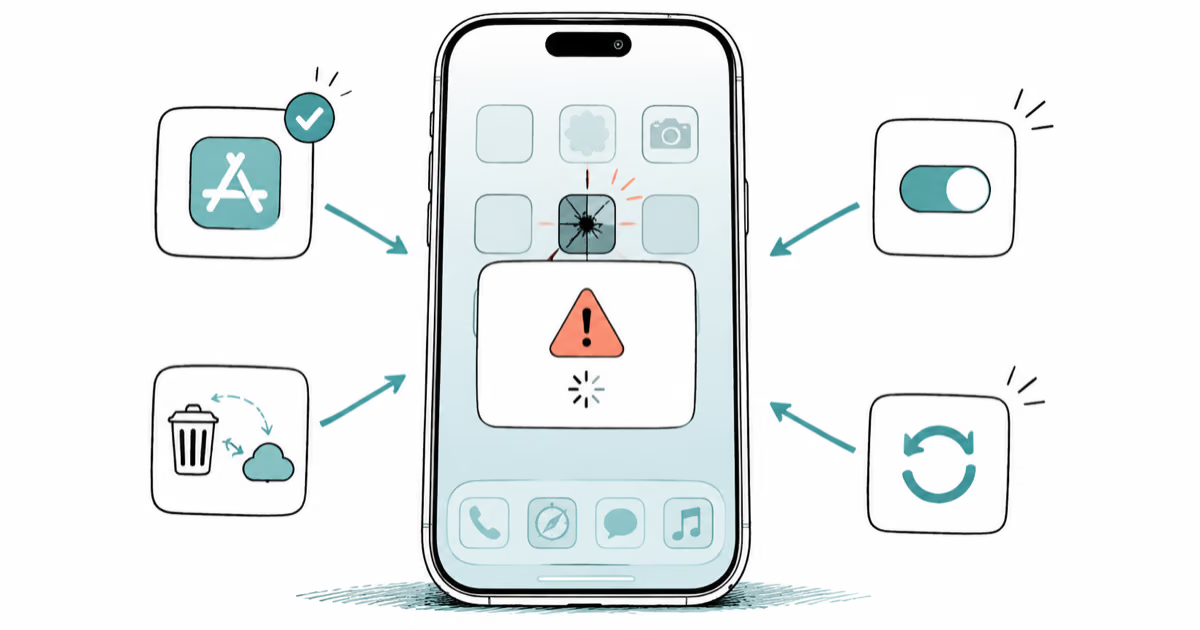
Apps Crashing After iOS 27 Update? Fix Order (2026)
Apps crashing after the iOS 27 update? Update the app in the App Store first, then offload and reinstall to clear stale cache, then restart. The fix order.
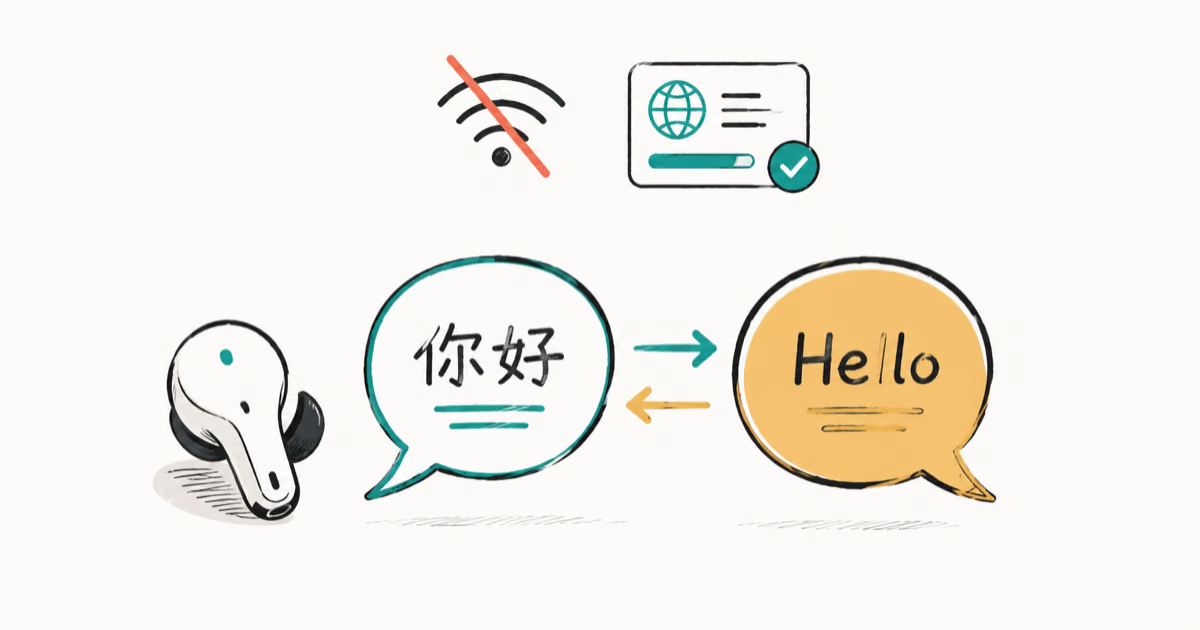
Do AI Translation Earbuds Work Offline? What to Know
Do AI translation earbuds work offline? A few do with downloaded language packs, but most need the cloud. Here's what works offline and what you give up.