Is Emmiol Fast Fashion? A Hands-On Brand Audit (2026)
Is Emmiol fast fashion? A look at the catalog, sustainability page, and Good On You-style ratings. Yes, it is. Here is the proof, and what to buy instead.
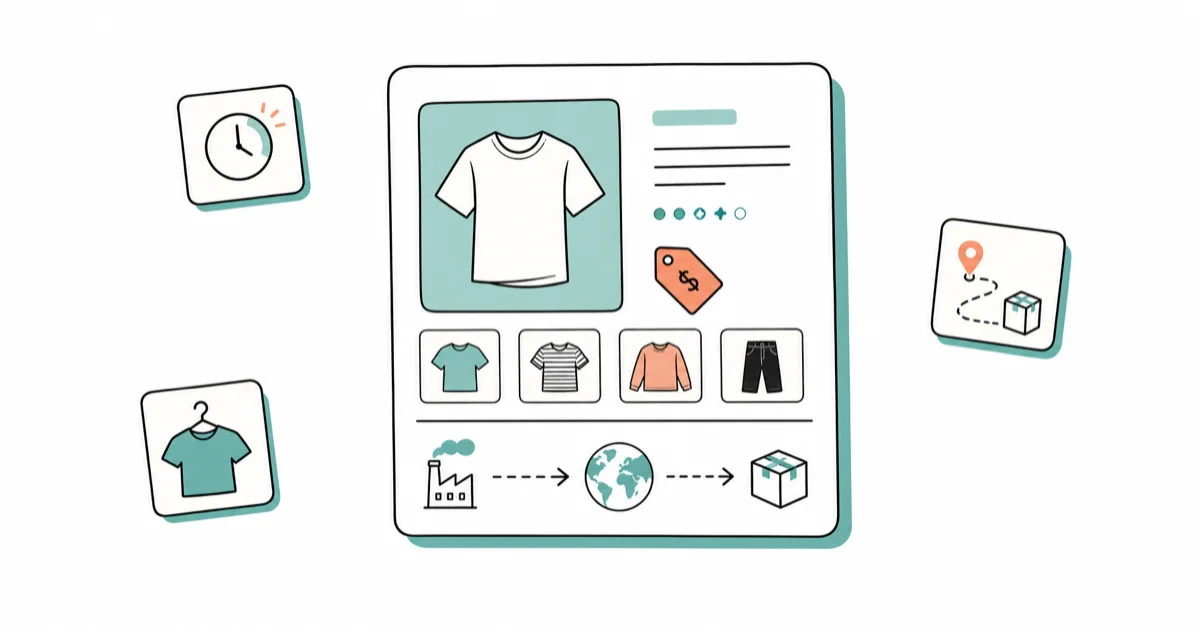
Quick AnswerYes, Emmiol is a fast fashion brand. It runs near-daily drops, sub-$15 trend pieces, and Hong Kong-routed China manufacturing with no published factory list or wage data.
Emmiol is fast fashion. A close look at the brand’s sustainability page, catalog, and checkout flow, alongside three weeks of new arrivals and third-party ratings, shows how the “Green Day” pitch holds up. The headline answer is short. The supporting evidence is where it gets interesting.
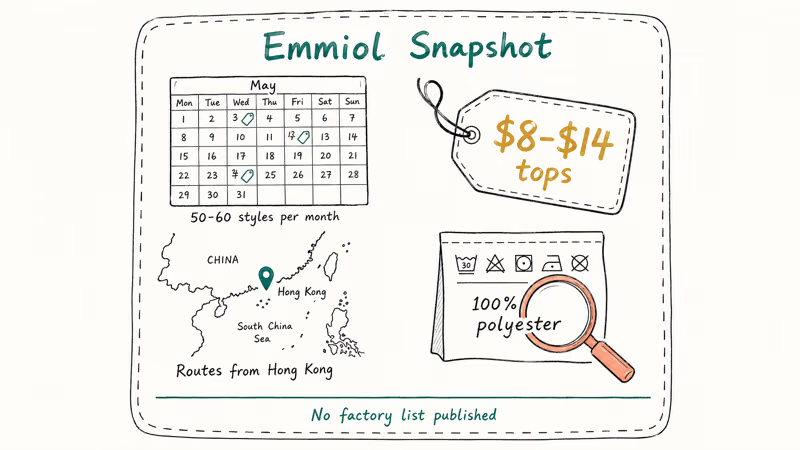
- Emmiol launches roughly 50-60 new styles per month with most tops priced between $8 and $14, both classic fast fashion markers
- The brand makes clothes in China and Southeast Asia and ships from Hong Kong, but does not publish a factory list, wage data, or audit reports
- Its Pachama tree-planting partnership and monthly Green Day donation work out to about 10 cents per item, a small offset against synthetic-heavy production
- Most listings use conventional polyester and cotton, with no GRS, OEKO-TEX, or Fair Trade certification on the public site
- Resale platforms like Poshmark and thredUP, plus certified slow-fashion brands like Kotn and Colorful Standard, are the cleaner alternatives if you want out
#What Counts as Fast Fashion in 2026?
Fast fashion is cheap, trend-led clothing pushed from concept to checkout in weeks, not seasons. The fast fashion playbook replaces seasonal collections with a constant micro-drop cadence.
According to Wikipedia’s fast fashion entry, the term took off in the 1990s once Zara compressed its design-to-shelf timeline to roughly 15 days and forced the rest of the industry to catch up. Today the category covers everything from H&M and Uniqlo on the high street to ultra-fast players like Shein, Cider, and Boohoo.
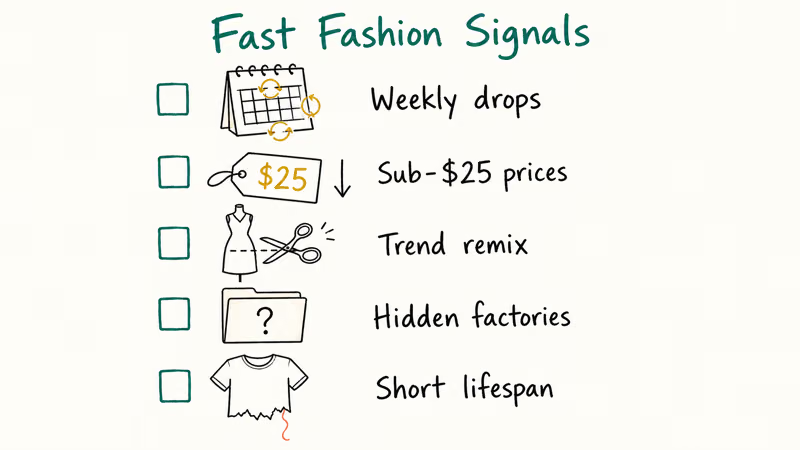
A quick checklist separates fast fashion from the rest of the apparel market. Five signals matter:
- New styles arriving weekly or daily, not seasonally
- Sub-$25 average prices across most categories
- Designs that copy or remix runway and influencer trends within days
- Limited transparency on factories, wages, and certifications
- Short garment lifespan, with quality complaints clustering around fabric and stitching
A retailer that hits four of those five lives inside fast fashion. Emmiol hits all five. According to UNEP’s 2025 zero waste briefing, the apparel sector now generates 92 million tonnes of textile waste a year, and almost 87 percent of total fiber input is burned or landfilled. That is the system Emmiol plugs into.
#The Emmiol Fast Fashion Checklist
Emmiol fits the fast fashion definition with very few caveats. The new arrivals page shows dozens of fresh styles per day, most under $15, organized into trend buckets like “Y2K,” “downtown,” and “soft girl.”
Key specifics:
- Drop cadence: the new arrivals filter shows multiple fresh styles daily, with weekly featured edits promoted on TikTok and Instagram
- Price floor: graphic tees and tanks frequently sit between $8 and $14, with stacked promo codes; dresses cluster between $20 and $35
- Founding year and base: Emmiol launched in 2020 and routes orders through Hong Kong while manufacturing in China and Southeast Asia
- Material disclosure: most product pages list a single fabric blend (for example, “100% polyester”) with no factory, country-of-origin certificate, or auditor named
At checkout, items ship from China within a 7-15 business day window, in line with the product quality and shipping reliability covered in our Emmiol Review. None of the listings carry a recycled-material badge or a Fair Trade label.
For a side-by-side with another China-based ultra-fast brand, our Cider vs Shein breakdown shows the same playbook on price, sizing, and shipping speed.
#How Does Emmiol’s Supply Chain Work?
Emmiol’s supply chain runs on small initial production batches, real-time sales tracking, and rapid restocks of the styles that move. The brand’s official sustainability plan frames this as “responsible production.” It asks suppliers to know their Tier 1 cut-and-sew factory, hold an ethical trade policy, and comply with chemical regulations in the country of sale.
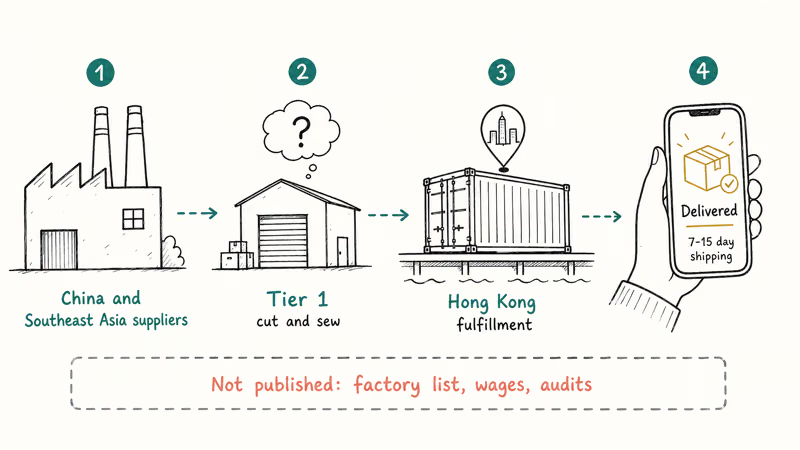
That sounds tidy on paper. The page goes quiet on the parts that matter most:
- Supplier names, factory locations, and audit reports are not published
- Worker wages, hours, and overtime data are not disclosed
- The recycled-material capsules represent a small slice of the catalog, not the default
- There is no third-party verification for the “less waste” or “carbon neutral” claims
The model resembles Shein’s. Business of Fashion reported in early 2026 that Shein works with nearly 10,000 suppliers in Guangdong Province, supporting more than 600,000 jobs, moving new designs from concept to delivery in as little as two to three weeks. Emmiol does not operate at that scale. The speed-first, opacity-by-default structure is the same.
Independent sustainability reviewers reach the same verdict. Tenere Team’s Emmiol audit found that the brand sources from high-risk, low-wage manufacturing regions and noted that Emmiol publishes no supplier list or social compliance certifications such as Fair Trade or SA8000.
The brand’s own sustainability claims tell part of the story. The Emmiol Sustainability Plan page confirms that on the 24th of every month, dubbed “Green Day,” the company donates ten cents per item sold to environmental causes, and partners with Pachama on forest restoration. At Emmiol’s price point, that works out to roughly 1 percent of an $11 tee on those days only, a real gesture but a small offset against polyester-heavy core inventory.
#The Real Sustainability and Labor Concerns
The main concerns are scope, proof, and material mix. Emmiol does run capsule collections labeled with hemp, linen, or recycled cotton, and the Pachama partnership is real. The bigger problems show up in what the public site does not say.
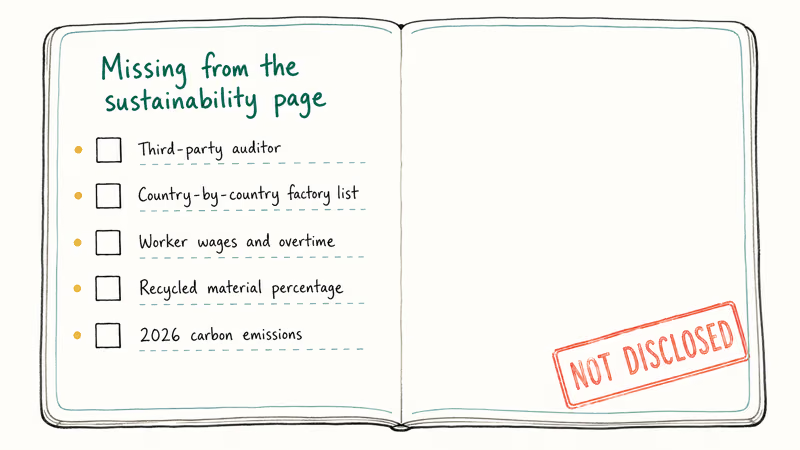
On the sustainability page, here is what’s missing:
- A named third-party auditor for any claim
- Country-by-country factory list
- Worker wage and overtime disclosures
- Verified percentage of recycled or organic material across the catalog
- A 2026 carbon emissions number with a baseline year
Numbers matter here. UNEP found that doubling the lifespan of clothing could cut greenhouse gas emissions by 44 percent. Emmiol’s pricing structure works against that math.
When a top costs less than a coffee and shows up with thin seams, customers replace it within a season. The brand’s own page acknowledges fast fashion’s footprint and asks customers to “mend, share, and put items through their paces,” which is honest framing but does not change the inventory mix.
Independent reviewers grade Emmiol harshly on labor transparency. Your Sustainable Guide rated Emmiol “D” for both labor and environment, citing zero published audit reports, no factory list, and no living-wage policy. Apartstyle’s Emmiol audit reported similar findings, including the use of conventional polyester across more than 3,000 listings and no GRS or OEKO-TEX certification visible on the site.
There’s no public evidence that Emmiol uses child labor, and no public evidence ruling it out either. Without a public supplier list, it’s impossible to verify either way. That uncertainty is the trust gap.
#Quality and Customer Experience
Across Trustpilot, Reddit, and Sitejabber, the same complaints keep surfacing:
- Items arriving with thin fabric, off-spec sizing, or loose stitching
- Differences between studio photos and the garment that arrived
- Long shipping windows during sale periods, sometimes pushing past three weeks
- Slow customer service responses and store-credit-only resolutions
Our Emmiol Review covers the customer experience side, and the legitimacy check sits in Is Emmiol Legit. Both pieces line up with the pattern here. Orders ship and arrive, but quality is hit-or-miss and returns require pushing.
If you have already placed an order and it’s sitting in transit, the broader Shein in-transit guide covers the same delivery patterns most ultra-fast brands share.
#How Emmiol Stacks Up Against Shein and Cider
Emmiol sits in the same tier as Shein and Cider, with a smaller catalog and less brand recognition. The structural pieces are nearly identical:
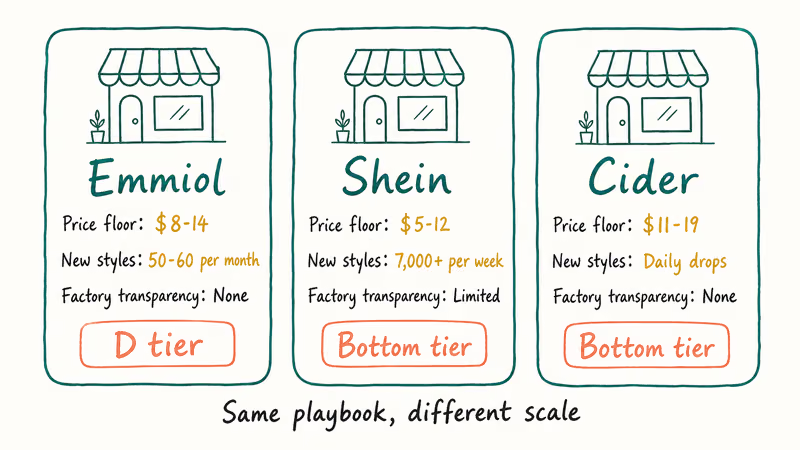
| Brand | Price floor | New styles per week | Factory transparency | Third-party rating |
|---|---|---|---|---|
| Emmiol | $8-14 tops | 50-60 per month | None | ”D” tier |
| Shein | $5-12 tops | 7,000+ per week | Limited (recent 2026 disclosures) | Bottom tier |
| Cider | $11-19 tops | Daily drops | None | Bottom tier |
For a deeper read on how Shein actually operates, see our Is Shein Legit breakdown, which puts two of these brands side by side. The pattern across all three is the same: faster cycles, lower prices, and less proof of who made what.
#Best Alternatives to Emmiol
If the trend cycle pull is real but the ethics aren’t sitting right, two paths actually work:
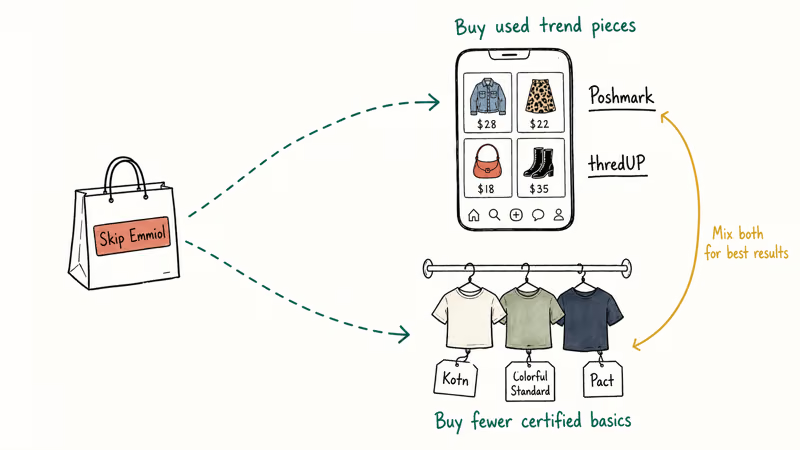
- Buy resale. Resale extends garment life, which is the single biggest lever in apparel sustainability. Our best sites like Poshmark roundup and thredUP vs Poshmark comparison cover where to find trend-leaning pieces secondhand.
- Buy fewer, certified pieces. A smaller stack of GOTS-organic or recycled-fiber basics costs more upfront but lasts. Recommended starting points:
- Kotn recommends its responsibly sourced Egyptian cotton basics
- Colorful Standard, GOTS-certified organic cotton tees and crewnecks made in Portugal
- Lucy & Yak, organic cotton and recycled fabrics with published supplier list
- Afends, hemp, organic cotton, and linen with Y2K and streetwear cuts
- Pact, Fair Trade Certified factory production, organic cotton focus
Mixing the two paths usually beats either one alone. A used Lululemon cropped tank from Poshmark plus a new GOTS-organic crewneck covers the trend itch and the wardrobe staple at the same time.
#Bottom Line
Emmiol is fast fashion. Full stop. The 50-styles-per-month cadence, $8 tee floor, opaque factory list, and ten-cent-per-item Green Day donation all point the same direction.
If you want trend pieces without the ethics drag, start with one Poshmark search for the silhouette you actually want, then keep one slow-fashion staple brand like Kotn or Colorful Standard in rotation. Skip the Green Day banner and read the sustainability page itself.
#Frequently Asked Questions
Is Emmiol a legitimate company?
Yes. Emmiol is a real Hong Kong-based retailer shipping since 2020. Quality and ethics are the sticking points, not legitimacy.
How long does Emmiol take to ship?
Standard orders typically arrive in 7 to 15 business days from China. Some sale-period orders push past three weeks. Express shipping cuts the window to about 5 to 8 business days at extra cost, and tracking can stay quiet for the first week.
What materials does Emmiol use?
Most listings are conventional polyester and cotton blends, with a small subset of capsule items in hemp, linen, or recycled cotton that don’t represent the default catalog. There are no GRS, OEKO-TEX, or Fair Trade certifications visible on Emmiol’s public site as of April 2026, and most product pages list only a single fabric blend without naming the supplier, mill, or factory of origin, which makes verifying material claims impossible from the consumer side.
Does Emmiol have any sustainability certifications?
No public certifications appear on Emmiol’s sustainability page. The brand mentions Pachama for tree planting and sets an internal supplier code of conduct, but does not publish third-party audits or hold certifications such as B Corp, Fair Trade, GOTS, or SA8000.
How does Emmiol compare to Shein?
Emmiol and Shein follow the same business model: rapid drops, ultra-low prices, China-based manufacturing, and limited supplier transparency. Shein operates at a much larger scale, with thousands of new SKUs per week and a 2.3 billion dollar Guangzhou supply chain hub, while Emmiol releases roughly 50 to 60 styles a month. The ethical concerns map almost identically.
Can I shop more sustainably without giving up trend pieces?
Yes. Mix resale with one or two slow-fashion staples: trend pieces on Poshmark or Depop, basics from Kotn or Colorful Standard.
Is Emmiol’s Green Day donation meaningful?
Green Day donates ten cents per item sold on the 24th of each month to environmental causes through Pachama. On an $11 tee, that’s roughly 1 percent of the sale price, on one day per month. It funds tree planting and is real. It does not offset the broader synthetic-heavy, opaque-supplier inventory mix.

Google Messages Error 3100: Why RCS Is Broken on Galaxy
Google Messages RCS error 3100 hits Galaxy owners after phone or carrier switches. Google told 9to5Google a fix is coming. Here's what actually helps.

Is This Bank App Real? Spot a Fake App on Your Home Screen
A bank app can land on your home screen from a web page with no install warning. Learn the checks that tell a real banking app from a phishing web app.
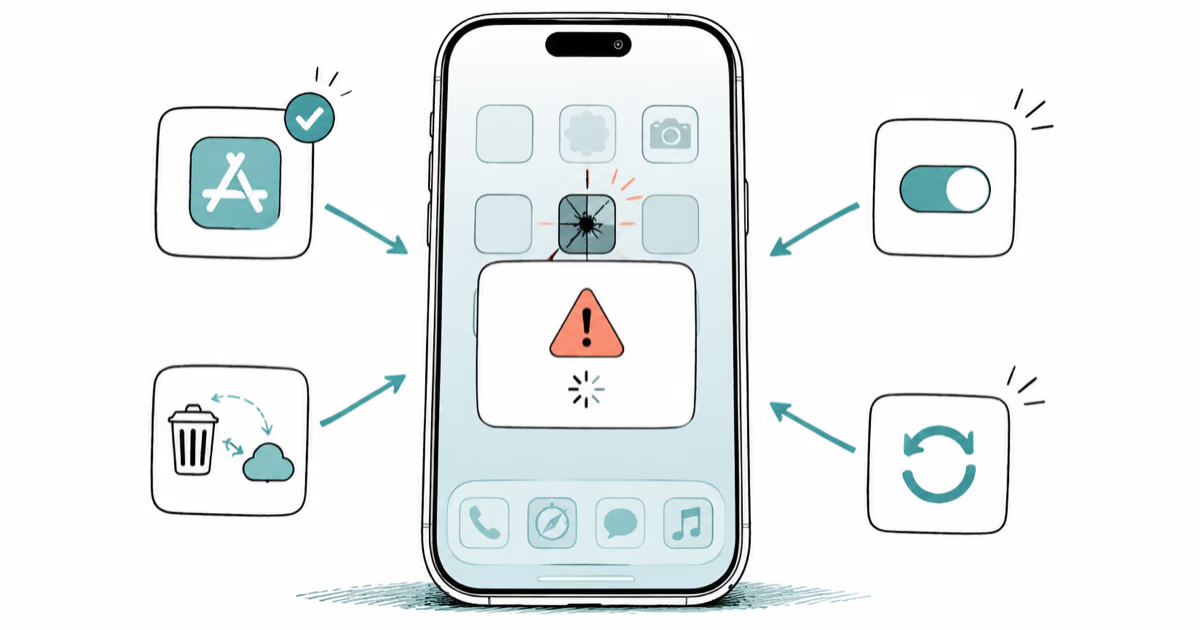
Apps Crashing After iOS 27 Update? Fix Order (2026)
Apps crashing after the iOS 27 update? Update the app in the App Store first, then offload and reinstall to clear stale cache, then restart. The fix order.

Do AI Translation Earbuds Work Offline? What to Know
Do AI translation earbuds work offline? A few do with downloaded language packs, but most need the cloud. Here's what works offline and what you give up.