iPhone Stuck on iTunes Logo? Fix Recovery Mode in 2026
iPhone stuck on the iTunes or Connect to Computer screen? Force restart, exit Recovery Mode, or run a Restore via Finder to bring iOS back online.
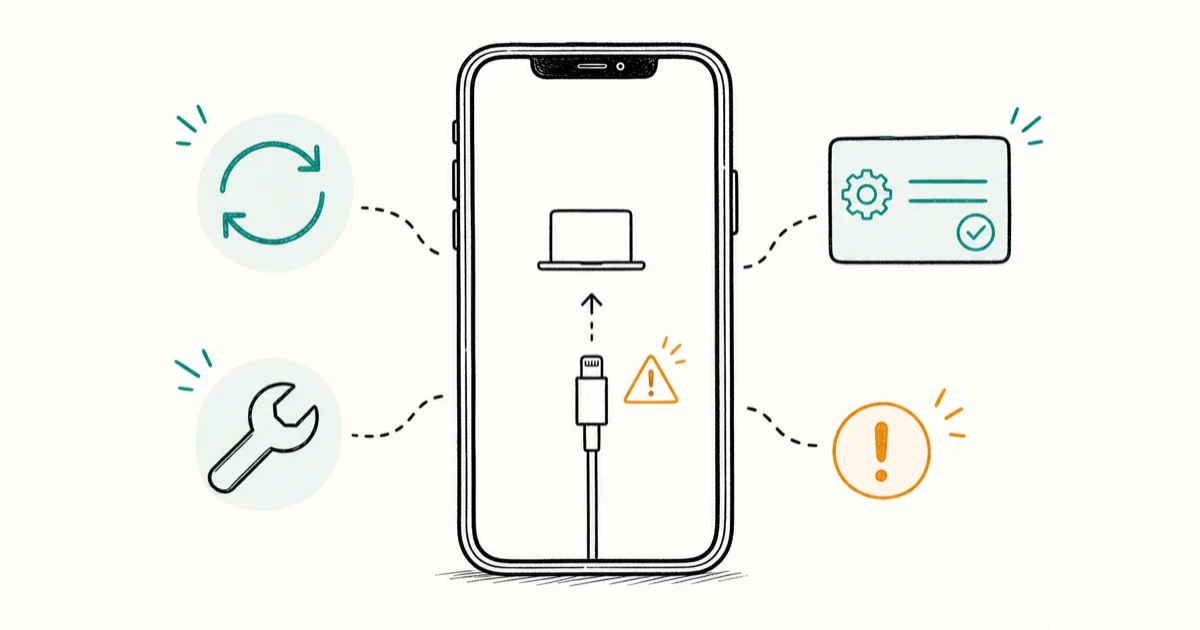
Quick AnswerForce restart your iPhone first by pressing Volume Up, Volume Down, then holding the Side button until the Apple logo replaces the iTunes screen. If the logo returns, connect to a Mac with Finder or a Windows PC with the Apple Devices app, choose Update to keep your data, or Restore as a last resort to reinstall iOS.
The iTunes logo on your iPhone screen means the device dropped into Recovery Mode and is asking a computer for help. This guide is for your own iPhone or a device you have explicit permission to repair, since Restore requires the original Apple ID. Start with the quick fixes, because many software-only Recovery Mode loops clear without erasing data.
- The iTunes or “Connect to Computer” screen indicates Recovery Mode, usually triggered by an interrupted iOS update, low battery during install, or a failed jailbreak attempt.
- A force restart is the safest first move and never erases data; on iPhone 8 and later, press Volume Up, Volume Down, then hold the Side button for about 10 seconds.
- Choosing Update in Finder or the Apple Devices app reinstalls iOS without wiping anything, while Restore erases the device and is the right call for stubborn boot loops.
- DFU mode performs the deepest software-level reset and should be your last try before scheduling a Genius Bar visit, since it always erases the device.
- Make a fresh iCloud or computer backup before any Restore step, because the Restore option permanently wipes every photo, message, and app on the iPhone.
#What Does the iTunes Logo on My iPhone Actually Mean?
When the screen shows a USB cable pointing at a laptop or the older iTunes logo, your iPhone is in Recovery Mode. According to Apple’s official Recovery Mode documentation, this state lets a computer reinstall iOS when system files are damaged enough that iOS won’t finish booting. The iPhone isn’t bricked. It’s waiting for instructions from Finder, the Apple Devices app on Windows, or iTunes on older Macs and PCs.
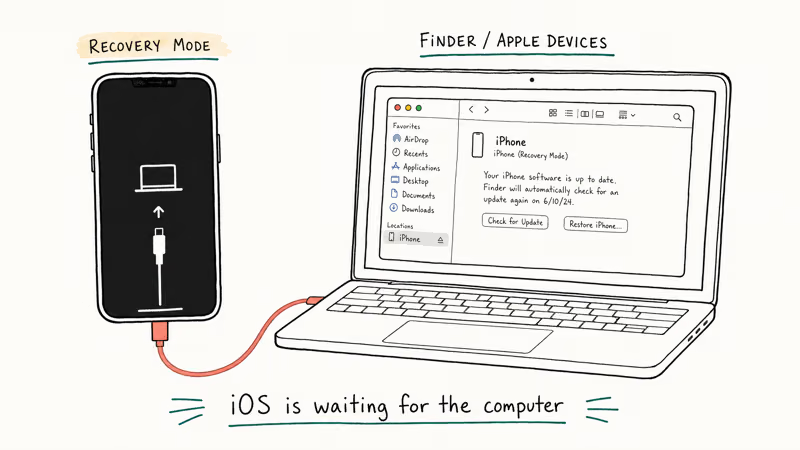
Common triggers include:
- An iOS update that lost power, dropped Wi-Fi, or was interrupted mid-install
- A battery that drained below five percent during a major version upgrade
- A failed jailbreak or sideloaded profile that corrupted system files
- A USB-C or Lightning cable that disconnected during a Finder restore
- Storage so full that the update could not unpack the new firmware
Recovery Mode looks identical whether the cause is software or hardware. Start with the gentle fixes and escalate only if each step fails. This is the same diagnostic ladder we recommend when an iPhone gets stuck on the restore screen or refuses to leave the loading spinner.
#Method 1: Force Restart to Exit Recovery Mode
A force restart cuts power to the chip without touching user data, so it’s the safest first step before any computer-based reinstall. The button sequence depends on your iPhone model, and timing matters because the chip reads each press as part of a watchdog reset code. Press the keys quickly with no gap longer than a second between them.
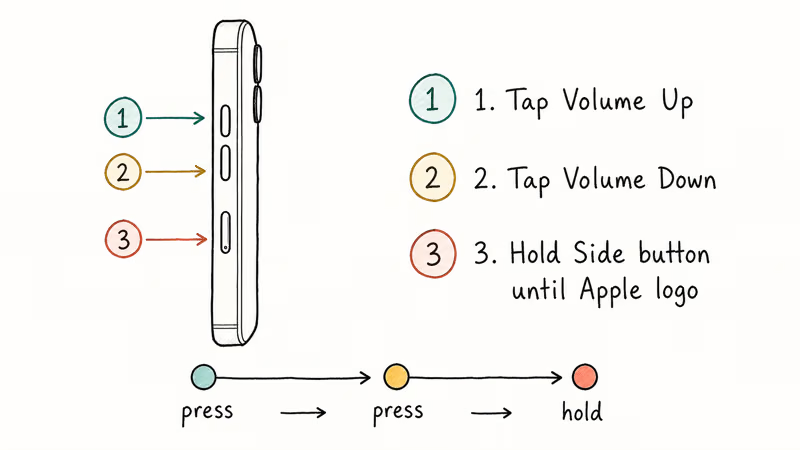
#iPhone 8, X, 11, 12, 13, 14, 15, and 16
- Press and release the Volume Up button.
- Press and release the Volume Down button.
- Press and hold the Side button for roughly 10 seconds, ignoring the power slider, until the Apple logo appears.
#iPhone 7 and 7 Plus
- Press and hold the Side button and Volume Down button at the same time.
- Keep both held for about 10 seconds until the Apple logo replaces the iTunes screen.
#iPhone 6s, SE (1st gen), and earlier
- Press and hold the Home button and the Top or Side button together.
- Hold both for about 10 seconds until the Apple logo appears.
Did the Apple logo flash and the iTunes screen return within a minute? Skip to Method 2 — the boot sequence is failing partway through. If the iPhone boots normally, plug it in and charge above 50 percent before any retry.
#Method 2: Update or Restore Using Finder or the Apple Devices App
When a force restart can’t clear Recovery Mode, you need a computer to reinstall iOS. Apple split iTunes into Finder on macOS Catalina and later, and into the standalone Apple Devices app on Windows 11. Older systems still use iTunes. Pick the path for your computer, then connect the iPhone with a known-good cable.
- Open Finder on macOS Catalina or later, Apple Devices on Windows 11, or iTunes on Windows 10 and macOS Mojave.
- Connect the iPhone to the computer with a USB or USB-C cable. The device should appear in the Finder sidebar or the Apple Devices window.
- With the iPhone still showing the iTunes logo, follow the same button sequence as a force restart, but keep holding the Side button past the Apple logo until the recovery screen reappears on the iPhone.
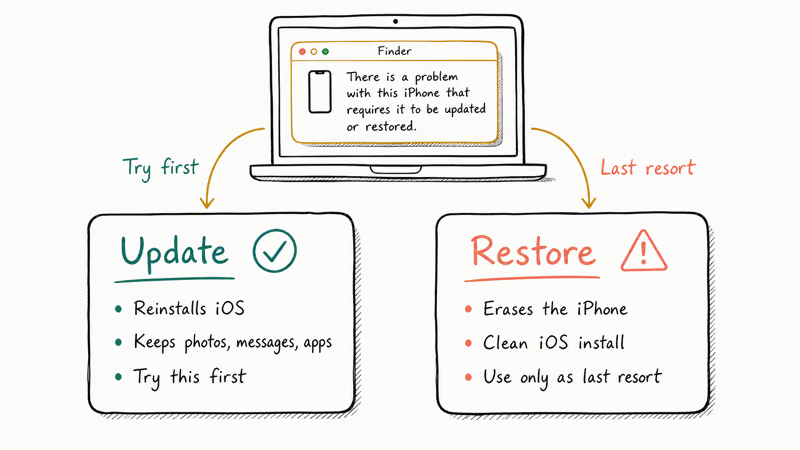
- The computer will pop a dialog that says “There is a problem with the iPhone that requires it to be updated or restored.” Choose Update.
Apple states that Update reinstalls iOS without erasing your 1 user-data partition, which is why photos, messages, and apps survive. Use Update before Restore when force restart fails and the computer can still detect the iPhone.
If the Update process times out or fails partway through, retry Update once more, or move to Restore. Restore erases the device and reinstalls iOS from scratch, which fixes deeper file-system corruption but wipes anything not backed up. Apple’s Apple Devices app guide confirms both Update and Restore work on Windows 11. Keep the laptop awake while the firmware downloads and installs.
Is the computer failing to see your iPhone? Swap to an Apple-branded cable, try a different USB port, and reboot both devices.
#Why Does My iPhone Keep Returning to the iTunes Logo?
If the iPhone exits Recovery Mode briefly and falls back into the iTunes screen, the iOS install is corrupted enough that the bootloader can’t complete the handoff to user space. According to Apple’s iOS update troubleshooting page, repeated Recovery Mode entries usually mean the firmware partition itself needs to be reinstalled, not just the user data layer. This often happens after:
- An iOS beta install that didn’t complete cleanly
- A jailbreak tool that crashed mid-patch
- A storage failure on the NAND chip, which is hardware, not software
For software-level corruption, Method 3 (DFU mode) is the next step. For suspected hardware, skip to the hardware section.
Diagnostic clue: a warm iPhone that shuts off mid-Update usually means thermal cutoff from a swollen battery or NAND damage, not a software bug. The same loop pattern appears when an iPhone gets stuck on the Apple logo.
#Method 3: Reinstall iOS with DFU Mode
Device Firmware Update mode is the deepest software reset Apple supports, and it loads firmware before iOS even tries to start. DFU mode always erases the iPhone, so back up first if the device is responsive enough to mirror to iCloud or a computer. Treat DFU as the final software step before booking an Apple Store appointment.
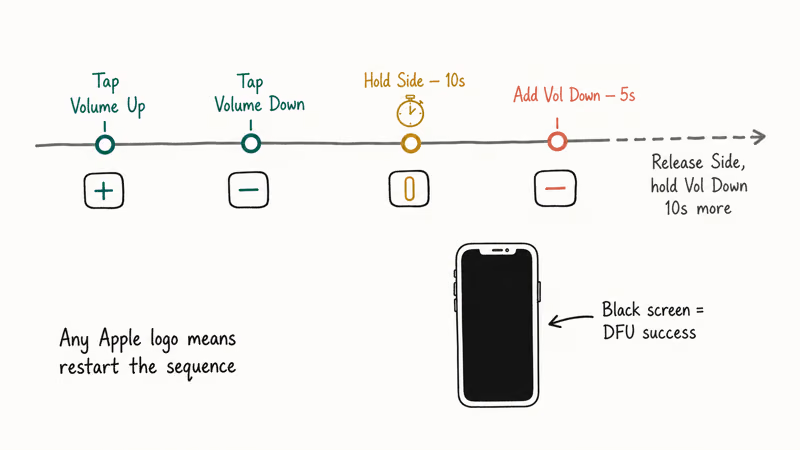
- Connect the iPhone to your computer and open Finder, Apple Devices, or iTunes.
- On iPhone 8 and later: press and release Volume Up, press and release Volume Down, then press and hold the Side button for 10 seconds. The screen will go black.
- While still holding the Side button, also press the Volume Down button for 5 seconds.
- Release the Side button but keep holding Volume Down for another 10 seconds.
- The iPhone screen stays black if DFU mode succeeds. Finder or Apple Devices will show “iTunes has detected an iPhone in recovery mode” even though the screen is dark.
- Click Restore iPhone and confirm. The full firmware download and flash usually takes 20 to 40 minutes.
A black screen is the only correct DFU indicator. If the Apple logo flashes, you exited DFU early; restart the sequence. Our iPhone won’t restore in Recovery Mode guide covers each loop variant.
#When to Stop Troubleshooting and Visit Apple
Software methods can only fix software problems. If you’ve run a force restart, an Update, a Restore, and a DFU restore without success, the issue is almost certainly hardware. Apple’s iPhone repair options page lists three official routes: mail-in service, an in-store Genius Bar appointment, or an Apple Authorized Service Provider.
Stop and book a repair appointment if you see any of these signs:
- The iPhone gets noticeably hot during the Restore attempt
- The screen flickers or shows lines during boot
- The device shuts off mid-Restore even with the cable connected
- A Restore completes in iTunes but the iPhone reboots straight back to the iTunes logo
- You can hear or feel the battery swelling against the back glass
Pricing varies by model, region, warranty status, and the failed part. AppleCare+ usually covers Recovery Mode failures as a software issue with no charge, but hardware repairs can cost much more out of warranty. Before paying out of pocket, check the serial number coverage tool so you know your warranty status going in.
Third-party tools like Tenorshare ReiBoot advertise a one-click exit from Recovery Mode and bundle their own driver stack, which sometimes works when Finder or the Apple Devices app refuses to recognize the iPhone. We still recommend trying Apple’s free Update and Restore options first because they cover the same failure modes at no cost. Paid tools help when you can’t reach a working Mac or PC quickly, but no software can repair a swollen battery, NAND failure, or logic-board fault.
Some links on this page are affiliate links, which means fone.tips may earn a commission at no extra cost to you.
#Preventing the iTunes Logo Issue From Coming Back
Recovery Mode failures are usually preventable. The usual pattern is simple: a major iOS update started, something interrupted it, and the iPhone never finished booting. A few habits cut the risk significantly:
- Charge the iPhone above 80 percent before starting any major iOS update
- Plug in to power for the entire update window rather than relying on battery
- Keep at least 10 GB of free storage so iOS has room to unpack the firmware
- Stay on stable Wi-Fi and avoid switching networks mid-download
- Skip beta releases unless you keep a backup you can roll forward to a clean install
- Avoid jailbreaking on a device you depend on daily
If you also see other update-stage hangs, our writeups on iPhone stuck on Preparing Update and iPhone frozen and unresponsive walk through the variants you might confuse with the iTunes logo screen.
#Bottom Line
For most stuck iPhones, work the ladder in order: force restart first, then Update through Finder or the Apple Devices app, then Restore, then DFU. Force restart clears many simple loops, Update preserves data when force restart fails, and DFU is the last software step before hardware service. Always back up before Restore or DFU. If a clean DFU Restore still lands on the iTunes logo, book a Genius Bar appointment instead of more software loops.
#Frequently Asked Questions
How long does an iTunes Restore take?
The full Restore typically takes 20 to 45 minutes once the firmware download starts, depending on your internet speed and the iPhone model. Larger iPhone Pro models with more storage take longer because the device-side flash and verification steps scale with capacity.
Will I lose my photos and messages if I Update through iTunes?
No. Update keeps everything; Restore wipes everything. Always read the dialog before clicking.
Why does my iPhone keep going back to the iTunes logo after a Restore?
Repeated returns to Recovery Mode after a successful Restore usually mean the NAND storage chip or the logic board has a hardware fault. Software can’t fix this. Book an Apple Store appointment or contact Apple Support for a hardware diagnostic.
Can I fix the iTunes logo issue without a computer?
A force restart is the only fix you can do without a computer, and it’s worth trying before any reinstall because it doesn’t erase data. If force restart fails, you’ll need a Mac, a Windows PC running the Apple Devices app, or older iTunes to run an Update or Restore.
Is DFU mode safe to use on a newer iPhone?
DFU mode is supported on every iPhone Apple still services, including the iPhone 16 lineup. It always erases the device, so back up first if the iPhone responds enough to allow a backup. The risk of bricking is low when you follow the button timing, but a hardware fault that interrupts the flash can leave the device unrecoverable.
What if I see the com.apple.mobilephone error 1035 during Restore?
Error 1035 typically points to a corrupted iOS install or a failed signing check from Apple’s servers. Our guide on the com.apple.mobilephone error 1035 covers the specific server checks and retry steps that resolve it.
Should I try third-party recovery tools before going to Apple?
If your computer can’t enter DFU mode, third-party tools can sometimes complete the Restore using their own driver stack, and they’re worth trying before paying for repair. They can’t fix hardware faults, so don’t buy a paid license unless a free trial confirms the tool can at least see your device.
Why does the cable graphic on my iPhone show a laptop instead of iTunes?
Apple updated the Recovery Mode graphic in iOS 13 to show a laptop with a cable instead of the older iTunes logo, reflecting the move to Finder and the Apple Devices app. The two screens mean the same thing, and every fix in this guide works for both versions.
Apple Siri Settlement: Who Qualifies and How to Claim
Apple's $250 million Siri settlement covers iPhone 15 Pro and iPhone 16 models bought June 2024 to March 2025. See who qualifies and how claims work.
iOS 26.6.1 Security Update: What Apple Fixed and Who Gets It
Apple released iOS 26.6.1 on August 17 with 29 security fixes, including an IPSec interception bug. See what it patches, who gets it, and how to update.
iPhone Adaptive Power: How It Works and When to Use It
Learn how iPhone Adaptive Power works, which models support it, what it changes, and when Low Power Mode is still the better battery-saving choice.
How to Transfer Data to a New iPhone Without iCloud
Move everything to your new iPhone without iCloud: Quick Start device-to-device transfer, wired migration, and encrypted Finder or iTunes backups.