Stardew Valley Pale Ale: Brew, Age, and Profit Guide
Brew Stardew Valley Pale Ale step-by-step: place Hops in a Keg. Master aging tiers, profit math, the Artisan bonus, Pam reward, and Brewer Bundle.
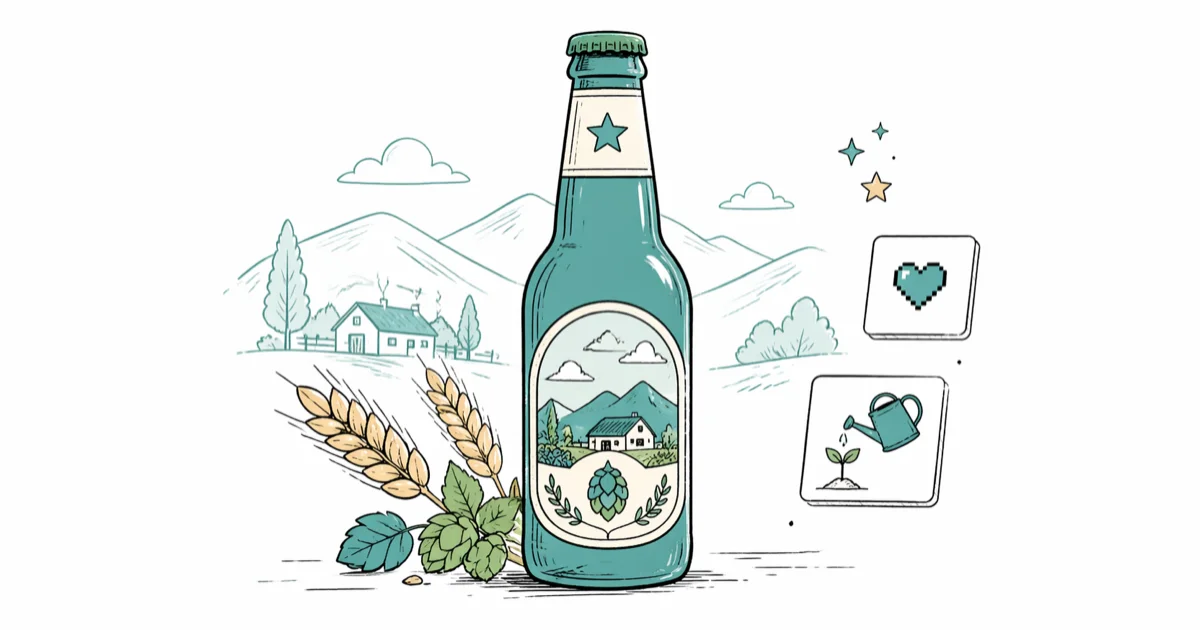
Quick AnswerPale Ale is an artisan drink you brew by placing Hops in a Keg. Brewing takes about 1.75 in-game days, base price is 300g, and Iridium aged in a Cask sells for 600g (840g with Artisan).
Pale Ale is one of the easiest big-money brews in Stardew Valley. You drop Hops into a Keg, wait less than two in-game days, and you’ve got a 300g bottle. Age that bottle in a Cask and the price climbs to 600g, which is why a single row of Hops trellises is one of the highest gold-per-day setups in the game.
- Recipe: 1 Hops plus 1 Keg, finishes in about 2,250 in-game minutes (roughly 1.75 in-game days)
- Sale ladder: 300g base, 375g silver, 450g gold, and 600g iridium when aged in a Cask
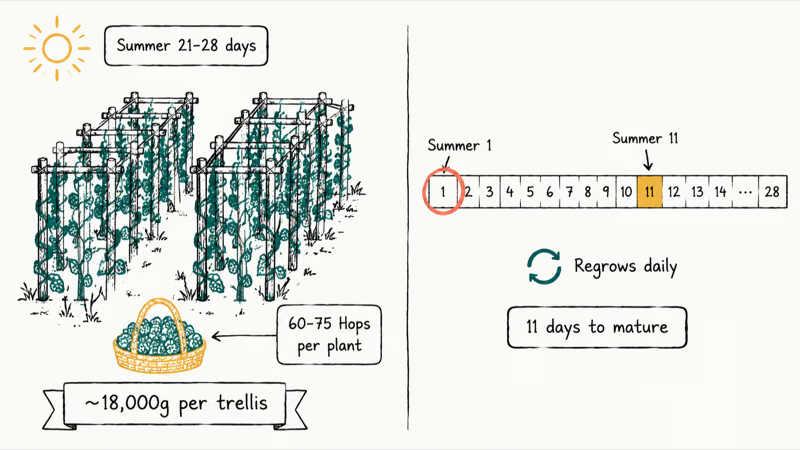
- Hops grow outdoors in Summer only, mature in 11 days, then regrow daily on the same trellis
- Keg recipe is learned at Farming Level 8 and costs 30 Wood, 1 Copper Bar, 1 Iron Bar, 1 Oak Resin
- Artisan profession at Farming Level 10 raises every Pale Ale price by 40%, pushing iridium to 840g
#What is Pale Ale and why does it sell so well?
Pale Ale is an artisan beverage brewed from Hops in a Keg. The Stardew Valley wiki Pale Ale page lists 300g as the base sale price.
The reputation isn’t about that flat 300g. It’s the gold-per-day rate that wins, because three loops feed each other: Hops regrow on the trellis every single in-game day, the Keg ferments a fresh bottle in under two days, and Cellar Casks then quietly push each bottle from 300g to 600g while you sleep, fish, or run mining trips on the side. Stack those three loops and a single trellis row outperforms most field crops on a per-day basis.
That stacking matters early. Hops regrow daily, so even a modest trellis block can keep Kegs busy through Summer and stockpile bottles for later Cask aging. The setup also ranks near the top in the most profitable crops in Stardew Valley breakdown.
#How do you make Pale Ale step-by-step?
The recipe is short. Skip a stage and the gold math breaks.
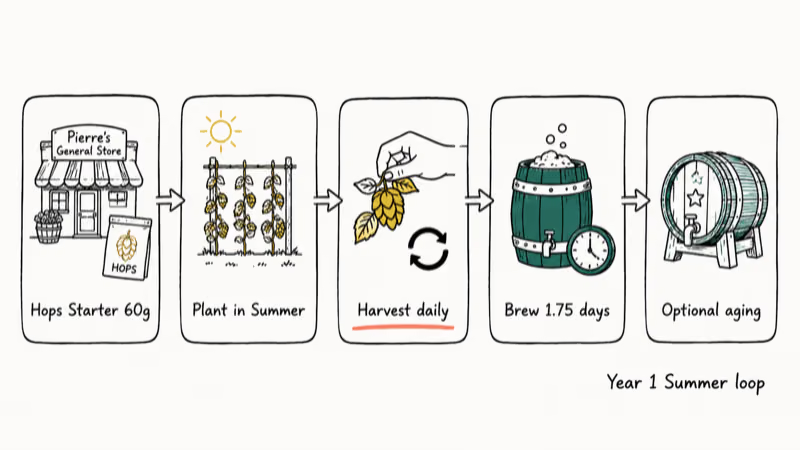
- Plant Hops in Summer. Buy Hops Starter from Pierre’s General Store for 60g, or from JojaMart for 75g (60g with a Joja membership).
- Build a trellis row. Hops grow on trellises, so leave walking gaps every two columns or you’ll trap your character.
- Harvest daily. The wiki Hops entry confirms that mature Hops regrow every 1 day, so daily harvesting is mandatory.
- Place Hops in a Keg. Brewing takes about 2,250 in-game minutes, which the Keg page lists as roughly 1.75 in-game days.
- Move bottles into Casks (optional). Aging in a Cellar Cask boosts quality up to iridium for 600g per bottle.
If your Kegs aren’t ready by Summer, stash Hops in a chest. They never spoil.
#Hops: from starter to harvest
Hops are the bottleneck of this whole operation. Outdoors they grow only during Summer, which means a Year 1 farmer typically gets one good window of about 21 to 28 days, depending on when the starters go in the soil and how aggressive the planting block is.
After that, you’ve got two ways to keep them growing year-round.
The first path is a Greenhouse. Crops planted inside the Greenhouse ignore season rules, so build Hops trellises into your greenhouse layout the moment you finish the Community Center bundles.
The second is Ginger Island’s Farm, available after rebuilding Willy’s boat. The Island Farm acts like a permanent Summer plot for warmth-loving crops, and Hops thrive there. For a broader comparison, see the best crops for greenhouse Stardew Valley write-up, where Hops ranks near the top.
Quick Hops math: roughly 60 to 75 Hops per plant per Summer, or about 18,000g to 22,500g per trellis.
#The Keg recipe and Farming Level 8
You learn the Keg recipe at Farming Level 8. Each Keg requires 30 Wood, 1 Copper Bar, 1 Iron Bar, and 1 Oak Resin. Oak Resin is usually the slowest input, since each Tapper takes about 7 in-game days to fill from a planted Oak.
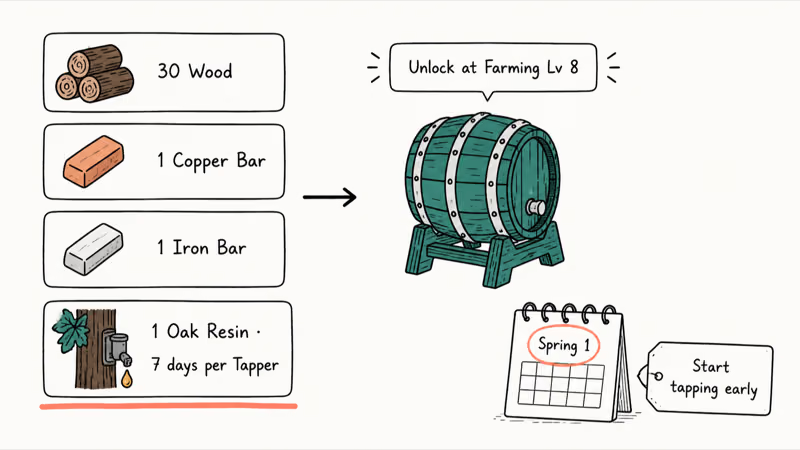
Plan ahead. If you want a 50-Keg operation by Fall, start tapping Oak trees on Spring 1 and stockpile bars in your refining queue.
Don’t waste high-quality Hops here. The wiki states that Pale Ale’s final price doesn’t read input quality, so feed your Kegs the lowest-grade stock and either gift or sell the iridium-star Hops separately.
#Aging Pale Ale in Casks for max profit
Casks only work inside the Cellar, which appears after you fully upgrade the Farmhouse. Robin handles construction, and the Cellar comes pre-loaded with 33 free Casks. You can craft more from 20 Wood and 1 Hardwood once Demetrius mails you the recipe.
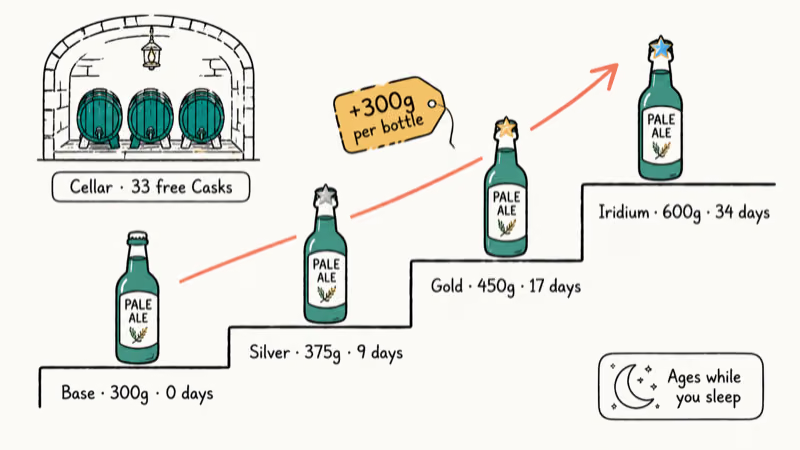
According to the Cask wiki page, Pale Ale ages on this schedule:
- Silver star (375g): about 9 in-game days
- Gold star (450g): about 17 in-game days
- Iridium star (600g): about 34 in-game days
That last tier is the moneymaker. Skip the Cask only when you need cash this week.
#Tips that change the math: Tiller and Artisan
Two profession choices reshape Pale Ale’s payout. At Farming Level 5, pick Tiller for a +10% bump on crop sale prices. At Level 10, take Artisan for a 40% boost on every artisan good, including Pale Ale.
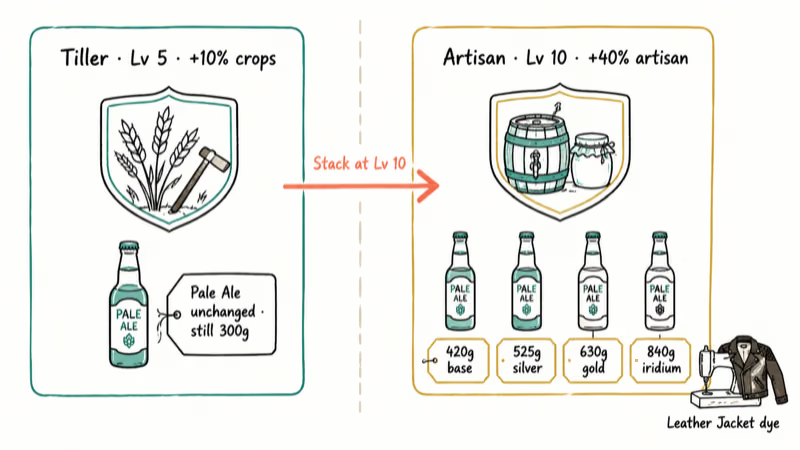
With Artisan stacked on top of Cask aging, the price ladder becomes:
- Base: 420g
- Silver: 525g
- Gold: 630g
- Iridium: 840g
Switching from Rancher and Coopmaster to Tiller and Artisan raises Pale Ale revenue thanks to the Artisan bonus. If you still keep livestock, a chicken coop makes a fine secondary income, but Pale Ale should ride the Artisan bonus.
Wardrobe bonus: a Pale Ale on the Sewing Machine spool dyes a black Leather Jacket.
#Gifts, quests, and the Brewer’s Bundle
Pam is the headline customer. The wiki Pam page states that she loves Pale Ale, so handing her one a week banks +80 friendship plus a small spike on her Spring 18 birthday.
The mail quest “Pam Is Thirsty” triggers on Summer 14. Drop one Pale Ale in her mailbox before the deadline and she rewards you with 1 Friendship Heart and 350g.
You’ll also need Pale Ale for the Brewer’s Bundle in the Community Center’s Pantry. The Bundles wiki page lists the full recipe: Mead, Pale Ale, Wine, Juice, and Green Tea. Finishing it rewards a Keg, which feeds straight back into your Pale Ale operation.
If you’re brewing other artisan goods on the side, our Stardew Valley Wine guide covers the fruit equivalent, and our Caviar walkthrough handles the highest-end aquaculture artisan.
#Bottom Line
Pale Ale is the most cost-efficient artisan brew in the early game, and it scales cleanly into late game once you stack Artisan and a full Cellar. For a profit-first save, plant Hops early in Summer, build enough Kegs to match your harvest pace, and reserve Cellar space for iridium-aged bottles once the upgrade is available.
If you’re stuck choosing between Pale Ale and Wine, default to Pale Ale for early game. Wine pays more per bottle, but Hops’ daily regrowth and the shorter brewing cycle still win on gold-per-day for most early saves.
#Frequently Asked Questions
How long does Pale Ale take to brew in a Keg?
Brewing takes about 2,250 in-game minutes, which the wiki notes is roughly 1.75 in-game days from the moment you place Hops inside the Keg.
Is Pale Ale or Wine more profitable?
Per bottle, Wine wins. Per game day on the same plot, Pale Ale usually wins because Hops regrow daily during Summer while most fruit crops don’t. For a profit-first Summer, layer Pale Ale brewing onto a sprinkler-upgraded farm layout so watering stops capping your Hops yield.
Where can I buy Hops Starter?
Pierre’s General Store sells Hops Starter for 60g per packet. JojaMart sells the same item for 75g, dropping back down to 60g if you carry a Joja membership card.
Can I brew Pale Ale year-round?
Yes, but only inside a Greenhouse or on the Ginger Island Farm.
Who else likes Pale Ale as a gift?
Pam loves Pale Ale, and Shane likes it. Most villagers stay neutral on the gift, and a few specifically dislike alcoholic items, so always confirm preferences on the Stardew Valley Wikipedia entry or the gameplay wiki before mailing one out.
Does Cask aging change the in-game sprite?
Yes. A small star icon (silver, gold, or iridium) appears in the upper-left of the bottle once you remove it from the Cask, and the price line updates instantly to match the new quality tier.
What’s the fastest way to mass-produce Pale Ale?
Tap every Oak tree on the farm from Spring 1 onward to stockpile Oak Resin, then craft your first wave of Kegs the second you hit Farming Level 8. After that, expand Hops trellises in 12-plant batches so each new wave of Hops matches your Keg capacity exactly, and bottlenecks won’t strand any inventory in chests.
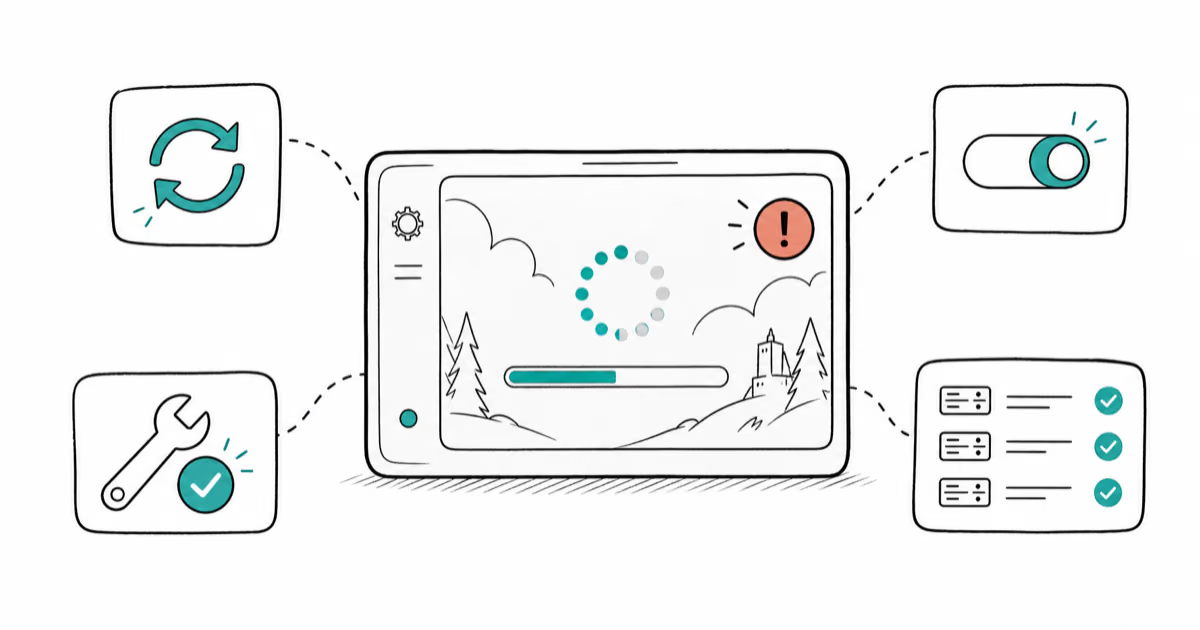
Fortnite Stuck on the Loading Screen? Fix It in 2026
Fortnite stuck on the loading screen? Check server status, fix the Windows N Media Pack and DirectX 11 on PC, clear the console cache, and verify files.
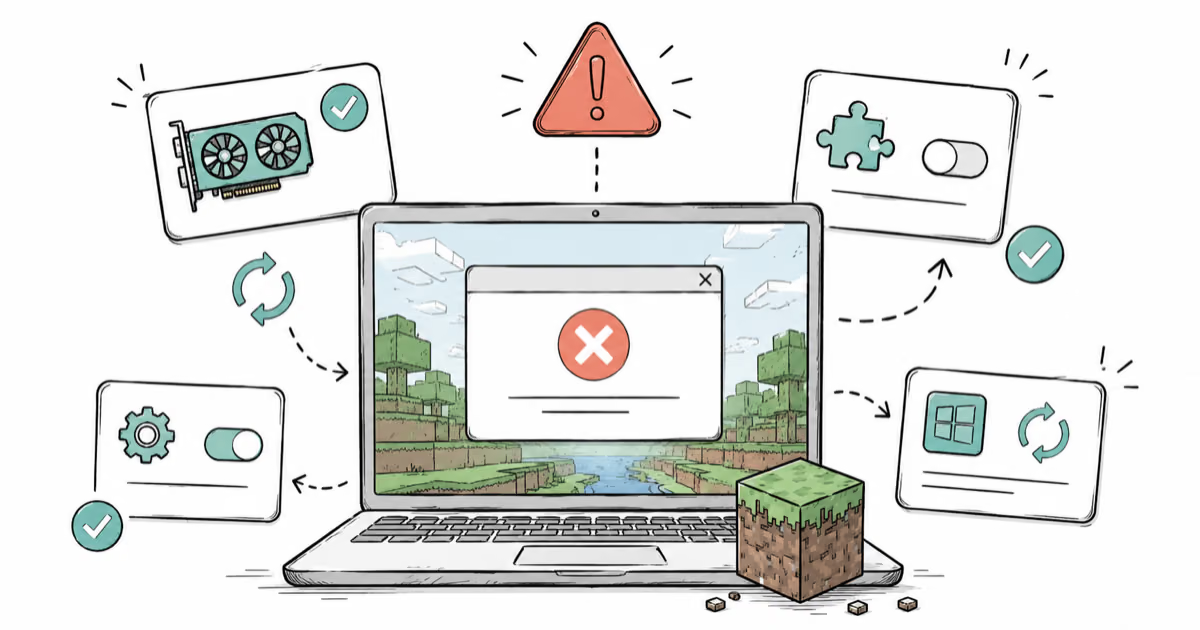
Minecraft Keeps Crashing? Java and Bedrock Fixes (2026)
Minecraft keeps crashing on startup or mid-game? Update your GPU driver, remove mods on Java, and reinstall Gaming Services on Bedrock. Fixes for both.
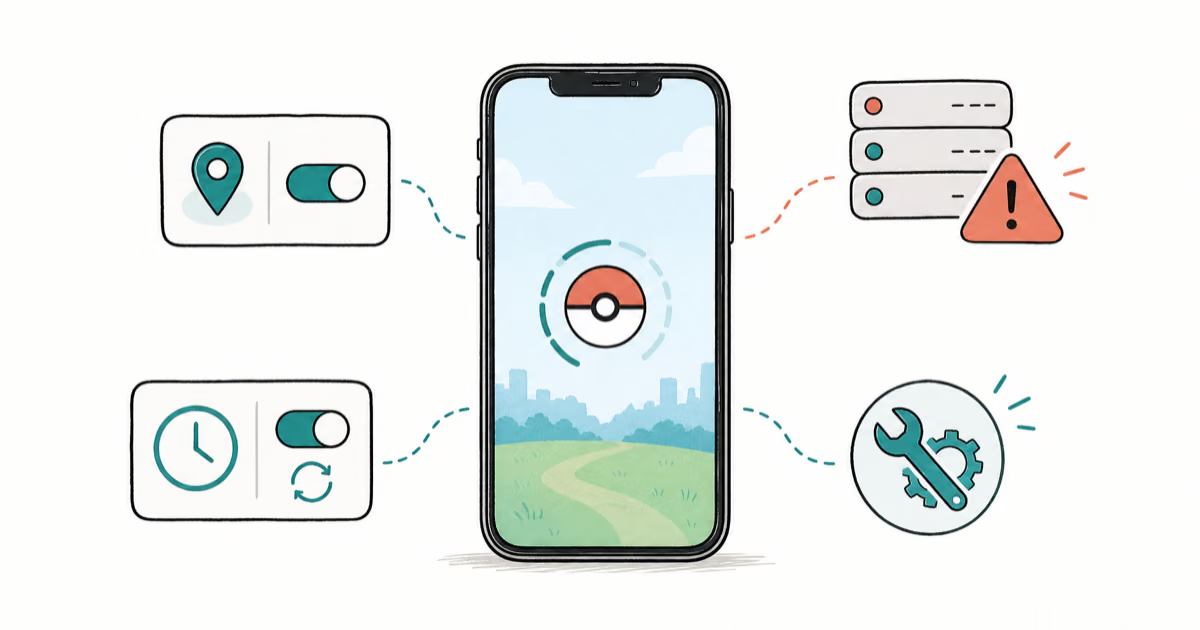
Pokemon GO Not Loading? Fix the Loading Screen 2026
Pokemon GO not loading or stuck on the Pokeball? Check server status, fix automatic date and time, grant location permission, clear the cache, and update.
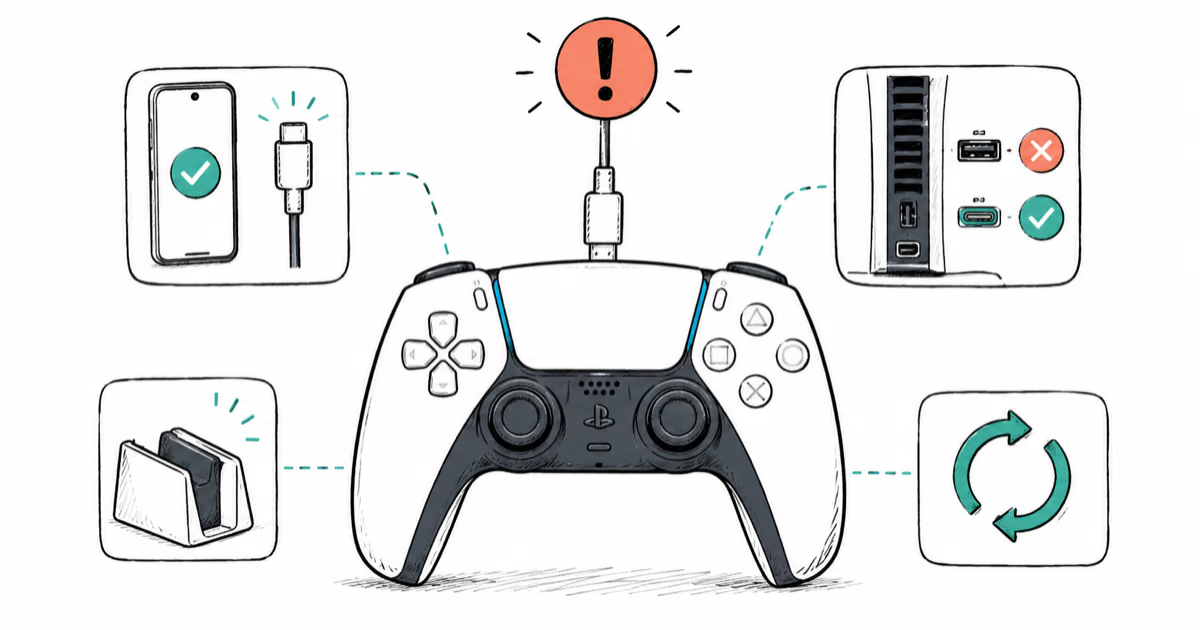
PS5 Controller Not Charging? 9 Fixes That Work (2026)
DualSense not charging? Swap the cable, use a rear port in Rest Mode, clean the USB-C port, and check power settings. 9 fixes for a dead PS5 controller.