How to Fix iTunes Can't Locate CD Configuration Folder
Fix the iTunes Can't Locate CD Configuration Folder error on Windows. Restore missing folders, repair installations, and fix broken registry paths.
Quick AnswerReinstall iTunes to restore the missing CD Configuration folder and fix the error. If that doesn't resolve it, run a repair installation from Windows Control Panel.
The “iTunes can’t locate the CD Configuration folder” error stops iTunes from importing or burning CDs on Windows. This guide covers fixes for your own computer — modifying another person’s iTunes installation or Windows Registry without their permission can violate computer access laws. Start with a clean reinstall because it recreates the missing installation folder without changing your music library.
- A complete iTunes reinstall is the most reliable fix because it recreates the missing CD Configuration folder at C:\Program Files\iTunes\
- This error only blocks CD and DVD operations while music playback, device syncing, and library management continue working normally
- Installing iTunes on a non-default drive (like D:) is the most common trigger because the software writes a C:\ path into the Windows Registry
- Running a repair installation from Windows Control Panel fixes the error without removing your music library or playlists
- Enabling “Use error correction when reading Audio CDs” in iTunes Preferences prevents future import failures on drives with minor read issues
#What Causes the iTunes CD Configuration Folder Error?
The CD Configuration folder sits inside the iTunes installation directory at C:\Program Files\iTunes\ and holds files that control CD/DVD operations. When iTunes can’t find this folder at startup, it triggers the configuration error and disables all disc features.
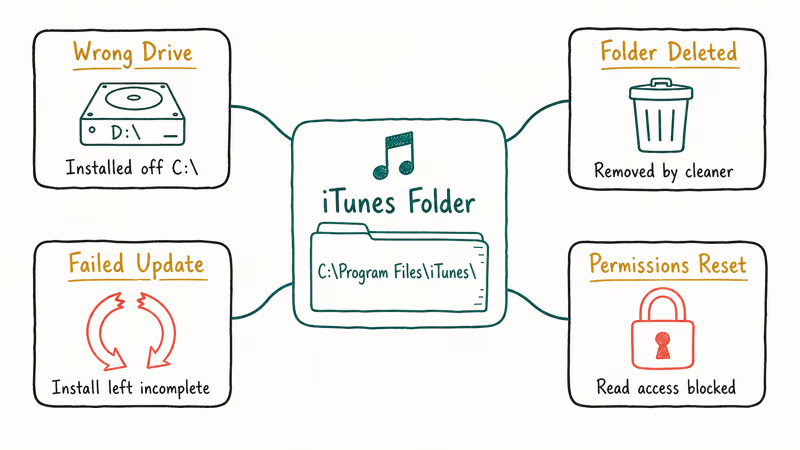
Here are the four most common causes:
- Non-default installation drive. You installed iTunes on D:\ or another drive, but the registry key still points to C:\Program Files\iTunes. This mismatch triggers the error every time iTunes starts.
- Corrupt or deleted folder. Antivirus software, aggressive disk cleaners, or a botched Windows update removed the folder or its contents.
- Interrupted iTunes update. A failed update can leave the installation directory incomplete, stripping out the CD Configuration folder while leaving everything else intact.
- Permission changes. A Windows permission reset or Group Policy change blocked iTunes from reading its own folders.
Installing iTunes to a secondary drive can produce this error because the Registry path may still point to C:\Program Files\iTunes\. Moving the installation back to C:\ removes that path mismatch.
Other iTunes errors have different root causes. The iTunes error 0xE80000A guide covers a common USB connection issue worth checking if you’re troubleshooting multiple problems.
#Quick Fixes for the CD Configuration Folder Error
Start here. These steps take under 10 minutes and resolve the error for most people.
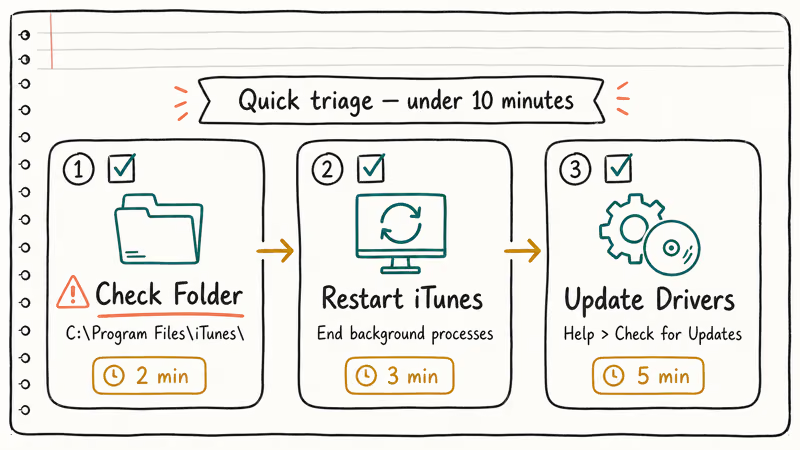
#Check the Folder Location
Open File Explorer and go to C:\Program Files\iTunes\. Look for a folder called CD Configuration. If it exists, right-click it, select Properties, and confirm the folder size is greater than 0 bytes.
No folder? Reinstall.
#Restart iTunes and Your Computer
Close iTunes completely by pressing Ctrl + Alt + Delete, opening Task Manager, and ending any iTunes.exe or iTunesHelper.exe processes still running in the background. Then restart your computer and reopen iTunes to see if the error clears.
A hung process can lock the CD Configuration folder. If the error clears after a restart, no Registry edit or reinstall is needed.
#Update iTunes and CD/DVD Drivers
Open iTunes and go to Help > Check for Updates. Then visit your computer manufacturer’s support site to download the latest optical drive firmware. Outdated drivers sometimes interfere with how iTunes accesses the disc hardware, and a simple driver update takes under 2 minutes.
#How Do You Repair a Broken iTunes Installation?
Running a repair installation is the fastest fix that doesn’t require uninstalling anything. According to Apple’s support documentation, the repair process restores all 5 iTunes-related Windows components to their factory defaults without touching your music library.
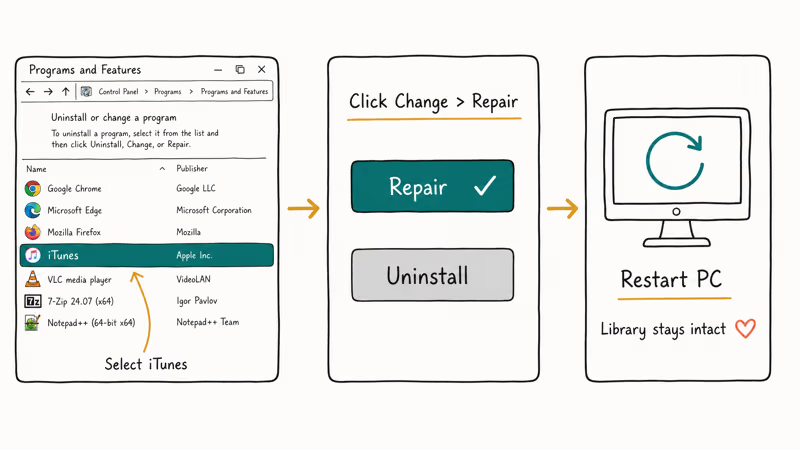
Here’s how to run the repair:
- Open
Control Panel>Programs>Programs and Features - Find iTunes in the list and select it
- Click Change (not Uninstall)
- Choose Repair and follow the prompts
- Restart your computer after the repair finishes
If the repair option isn’t available, do a complete reinstall instead:
- Uninstall iTunes, Apple Software Update, Apple Mobile Device Support, Bonjour, and Apple Application Support (in that order)
- Restart your computer
- Download the latest iTunes from Apple’s website
- Install to the default C:\ location
Apple’s troubleshooting guidance confirms that uninstalling iTunes preserves your entire library because user data is stored separately in C:\Users\[Name]\Music\iTunes\.
This repair also often fixes iTunes Wi-Fi sync issues.
#Advanced Registry and Permission Fixes
When a reinstall or repair didn’t solve it, the Windows Registry entry for iTunes probably points to the wrong path. These fixes require administrator access.
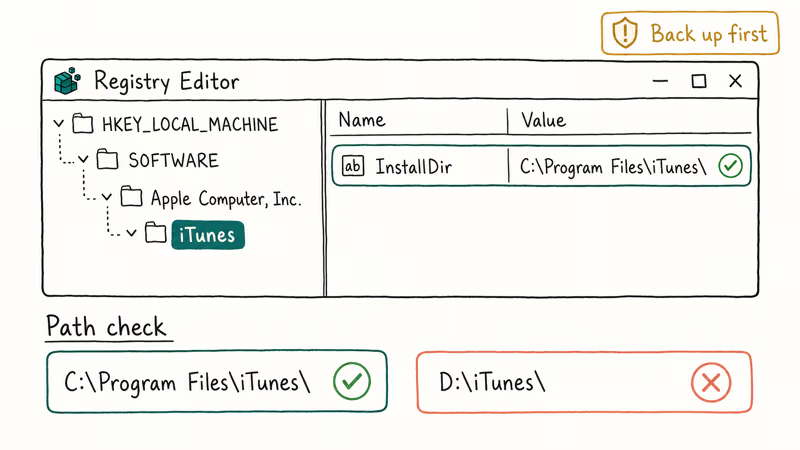
#Fix the Registry Path
Back up your registry first. Open Registry Editor (press Win + R, type regedit, press Enter) and export a backup through File > Export.
Then follow these steps:
- Go to
HKEY_LOCAL_MACHINE\SOFTWARE\Apple Computer, Inc.\iTunes - Look for a key called
InstallDiror a path reference - Verify the path matches your actual iTunes installation location
- If it points to a drive or folder that doesn’t exist, update it to
C:\Program Files\iTunes\
According to Microsoft’s registry documentation, the step to take before any edit is to select the key in Registry Editor and use File > Export to save a copy you can import back later, and Registry Editor may prompt you for an administrator password when it opens. Always create a System Restore point before touching any registry values.
#Adjust Folder Permissions
Right-click the iTunes folder at C:\Program Files\iTunes\, select Properties > Security > Edit, and add your user account with Full Control permissions. Click Apply, close the Properties window, and restart iTunes. This resolves the error when Windows has silently revoked read access to the installation directory, which happens more often than you’d expect after major Windows updates, domain Group Policy refreshes, or antivirus quarantine actions that modify file permissions without notifying you.
#Create the Folder Manually
As a last resort, create the CD Configuration folder yourself. Go to C:\Program Files\iTunes\, create a new folder named CD Configuration, and copy the contents from a working iTunes installation on another computer.
If repair and reinstall fail, the parent directory may have a permission problem that prevents the installer from creating the subfolder. Windows Event Viewer can sometimes reveal that kind of folder-permission block.
#Alternative Tools When iTunes Keeps Failing
If you’ve tried everything and the error persists, these alternatives skip the CD Configuration folder dependency entirely.
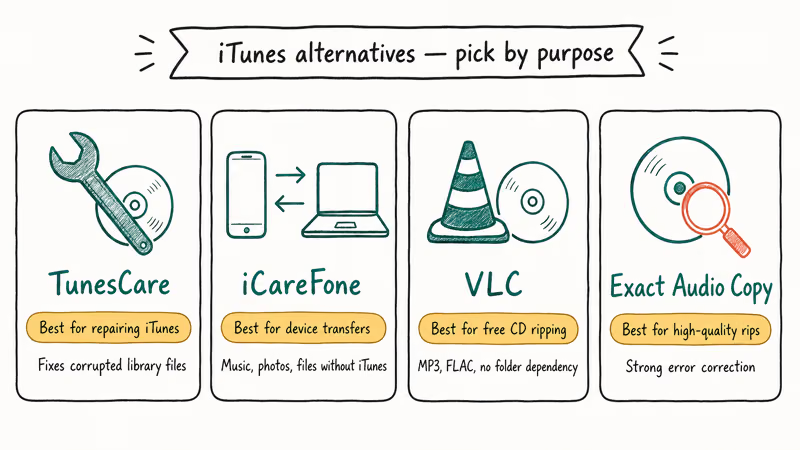
Tenorshare TunesCare scans your iTunes installation and repairs corrupted library files, database entries, and missing folders. It’s designed specifically for iTunes errors and can fix issues that a standard reinstall misses.
Some links on this page are affiliate links, which means fone.tips may earn a commission at no extra cost to you.
For device management without iTunes, iCareFone handles music, photos, and file transfers between your computer and iPhone. No iTunes dependency at all. If you’re dealing with a sync session that failed to start, switching to a third-party tool eliminates the root cause entirely.
Windows users who mainly want CD ripping can switch to VLC or Exact Audio Copy, both free and independent of the CD Configuration folder. If you need to transfer music from iPod to computer, dedicated transfer tools handle this more reliably than iTunes on machines with persistent configuration issues.
#Preventing Future CD Configuration Errors
Three rules keep this error from coming back:
- Install iTunes to C:. Non-default drives are the number-one cause. Always use the default installation path, even if your other programs live on D:\ or E:.
- Exclude iTunes from disk cleaners. CCleaner and similar tools sometimes flag iTunes folders as removable. Add
C:\Program Files\iTunes\to your cleanup exclusion list. - Enable error correction. Open iTunes, go to
Edit>Preferences>General>Import Settings, and check “Use error correction when reading Audio CDs.” This slows imports slightly but prevents read failures on scratched discs.
If your account has been disabled in App Store and iTunes, that’s unrelated to the CD Configuration folder but worth checking when troubleshooting multiple iTunes problems.
#Bottom Line
Start with a repair installation from Windows Control Panel. It fixes the CD Configuration folder error without touching your music library. If the repair option isn’t available, do a full uninstall-and-reinstall to C:.
When both fail, check the Registry path and folder permissions. TunesCare (linked above) or VLC are your fallback options.
#Frequently Asked Questions
Can you manually create the CD Configuration folder?
You can create the folder at C:\Program Files\iTunes\, but it won’t function until you add the correct configuration files inside it. Copy them from a working iTunes installation on another computer. For most people, a clean reinstall is faster.
Will reinstalling iTunes delete your music library?
No. Your music library, playlists, and purchases live in C:\Users\[YourName]\Music\iTunes\, completely separate from the program directory, and the installer never touches that folder. iTunes reconnects to your existing library automatically after reinstalling, including custom playlists and star ratings. Back up iTunes Library.itl as a precaution before reinstalling.
How do you enable error correction for CD imports?
Go to Edit > Preferences > General > Import Settings and check “Use error correction when reading Audio CDs.” Imports run slower but you’ll get clean rips.
Does this error affect iPhone syncing or music playback?
No. The CD Configuration folder only controls disc operations like importing CDs and burning playlists. Music playback, iTunes Store purchases, and device syncing all work normally even while this error is active. If your syncing is broken separately, see our guide on iTunes not recognizing iPhone.
Is it safe to edit the Windows Registry to fix this?
It’s risky. Create a System Restore point and export a registry backup first.
What if the error returns after every iTunes update?
This usually means iTunes is installed on a non-default drive. Each update rewrites the registry path back to C:, creating a conflict with the actual installation location. The permanent fix is moving your iTunes installation to C:. You can keep your music files on another drive by changing the media folder location in Edit > Preferences > Advanced, so you don’t need to sacrifice storage space on your boot drive.
Can antivirus software cause this error?
Yes. Check your antivirus quarantine log for any files from C:\Program Files\iTunes\ and whitelist the entire iTunes installation folder.
Are there free alternatives to iTunes for CD ripping?
VLC Media Player handles CD ripping to MP3, FLAC, and other formats without needing a CD Configuration folder at all. Exact Audio Copy (EAC) is another free option with higher-quality rips and better error correction than iTunes. Both run on Windows 10 and Windows 11 and don’t depend on Apple infrastructure. If you’re switching away from iTunes entirely, VLC also doubles as your media player, so you can consolidate two tools into one.
Apple Siri Settlement: Who Qualifies and How to Claim
Apple's $250 million Siri settlement covers iPhone 15 Pro and iPhone 16 models bought June 2024 to March 2025. See who qualifies and how claims work.
iOS 26.6.1 Security Update: What Apple Fixed and Who Gets It
Apple released iOS 26.6.1 on August 17 with 29 security fixes, including an IPSec interception bug. See what it patches, who gets it, and how to update.
iPhone Adaptive Power: How It Works and When to Use It
Learn how iPhone Adaptive Power works, which models support it, what it changes, and when Low Power Mode is still the better battery-saving choice.
How to Transfer Data to a New iPhone Without iCloud
Move everything to your new iPhone without iCloud: Quick Start device-to-device transfer, wired migration, and encrypted Finder or iTunes backups.