iOS 27 Supported iPhones: Full 2026 Compatibility List
iOS 27 supports iPhone 11 and later on the A13 Bionic floor. iPhone XS, XR, and older were dropped earlier in iOS 26. Full confirmed device list inside.
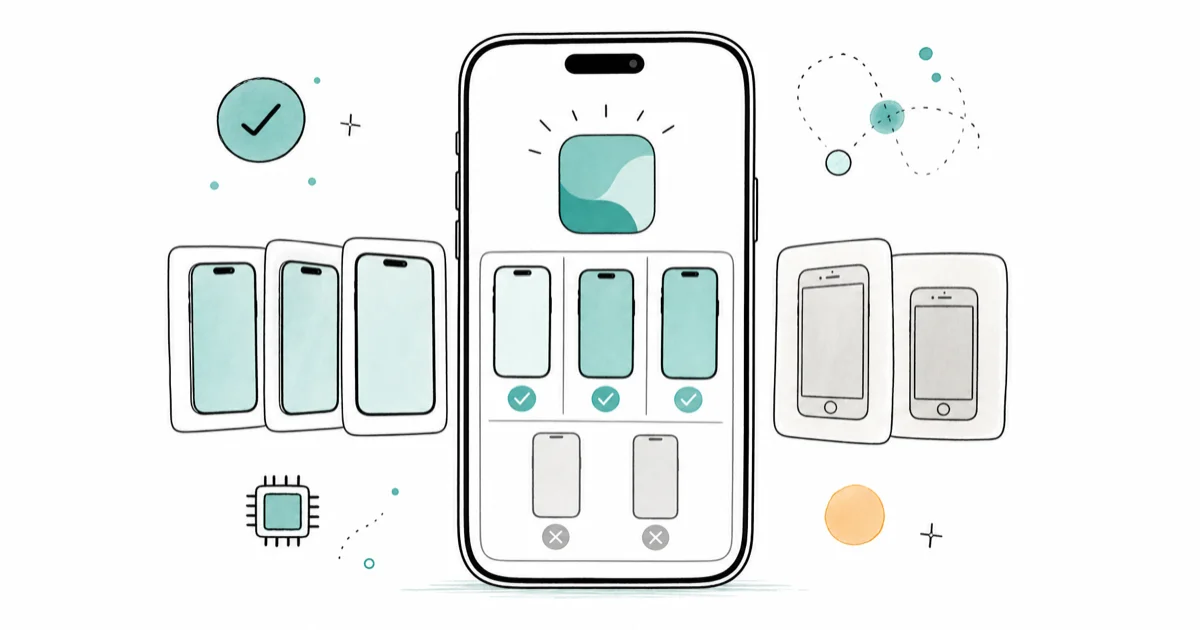
Quick AnsweriOS 27 supports iPhone 11 and later plus iPhone SE 2nd and 3rd gen, holding the A13 Bionic floor. The A12 phones (iPhone XS and XR) were already dropped in iOS 26 and stay on iOS 18 as their final version.
iOS 27 was announced at WWDC on June 8, 2026 and ships to everyone in mid-September. Apple confirmed the supported-iPhones list at the keynote, and it holds the A13 Bionic floor, the same line iOS 26 drew.
If your iPhone has an A13 Bionic chip or newer, you get iOS 27. If you’re on an A12 device, iOS 18 is your last update.
Updated June 9, 2026: Apple confirmed the iOS 27 device list at its WWDC 2026 keynote on June 8, and the A13-floor forecast was correct: iPhone 11 and iPhone SE 2nd gen are both supported.
- iPhone 11, 11 Pro, and 11 Pro Max all make the iOS 27 list on the A13 Bionic floor
- iPhone XS, XS Max, XR, and the original iPhone SE run the A12 Bionic or older and top out at iOS 18
- iPhone SE 2nd generation (2020, A13) and 3rd generation (2022, A15) are both supported
- Apple held the A13 floor for a second year, so iPhone 11 (2019) gets an eighth major iOS release
- iOS 27 ships to the public in mid-September 2026, following the developer beta that launched June 8
#iOS 27 Supported iPhones: The Expected 2026 List
For the full consumer breakdown, see our companion guide on iOS 27 compatible iPhones.
Apple announced the iOS 27 device list at WWDC 2026. The cutoff pattern across iOS 14, 15, 17, and the current iOS 26 is consistent enough to forecast with confidence. Every iPhone since 2017 has shipped with a specific A-series Bionic chip, and iOS major versions drop hardware in rough five-year blocks. According to Apple’s identify-your-iPhone page, you can confirm which model you have by the number on the back of the device.
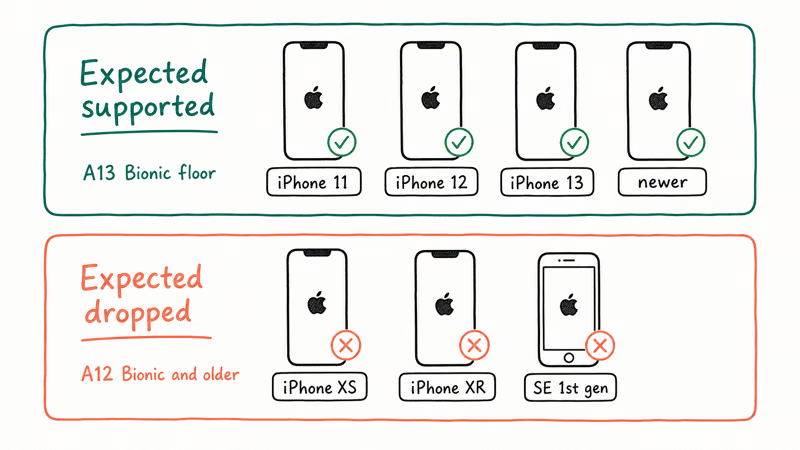
The list below is Apple official, confirmed at the WWDC 2026 keynote on June 8.
iOS 27 supported iPhones, confirmed at WWDC 2026 (June 8)
| iPhone model | A-series chip | Year released | iOS 27 status |
|---|---|---|---|
| iPhone 17 / 17 Pro / 17 Pro Max / 17 Air | A19 / A19 Pro (expected) | 2025 | Supported ✓ |
| iPhone 16 / 16 Plus / 16 Pro / 16 Pro Max | A18 / A18 Pro | 2024 | Supported ✓ |
| iPhone 15 / 15 Plus / 15 Pro / 15 Pro Max | A16 / A17 Pro | 2023 | Supported ✓ |
| iPhone 14 / 14 Plus / 14 Pro / 14 Pro Max | A15 / A16 | 2022 | Supported ✓ |
| iPhone SE (3rd generation) | A15 Bionic | 2022 | Supported ✓ |
| iPhone 13 / mini / Pro / Pro Max | A15 Bionic | 2021 | Supported ✓ |
| iPhone 12 / mini / Pro / Pro Max | A14 Bionic | 2020 | Supported ✓ |
| iPhone SE (2nd generation) | A13 Bionic | 2020 | Supported ✓ |
| iPhone 11 / 11 Pro / 11 Pro Max | A13 Bionic | 2019 | Supported ✓ |
| iPhone XS / XS Max / XR | A12 Bionic | 2018 | Dropped (iOS 18 final) |
| iPhone SE (1st generation) | A9 | 2016 | Already dropped from iOS 16 |
| iPhone X / 8 / 8 Plus | A11 Bionic | 2017 | Already dropped from iOS 17 |
iPhone 11 made the cut. It was on the iOS 26 list and carries forward to iOS 27, giving the 2019 lineup an eighth major iOS release, beyond Apple typical six-year window.
Apple’s compatibility cutoff pattern across iOS 14 through iOS 26 has been consistent: a chip generation is dropped roughly every other year. A11-era devices were cut at iOS 17, and A12-era devices were cut at iOS 26. The A13 floor keeps iPhone 11 in for one more year before a possible iOS 28 cutoff in 2027.
MacRumors’ iOS 27 roundup reports that the iOS 27 supported-iPhones forecast lines up with the A13 floor, with iPhone 11 included and the A12-era iPhone XS / XR dropped.
#Which iPhones Will Apple Drop From iOS 27?
iOS 27 drops no new iPhones. The A12 models — iPhone XS, iPhone XS Max, and iPhone XR — were already cut a year earlier in iOS 26. All three run the A12 Bionic, all three shipped in fall 2018, and all three reached seven major iOS releases before topping out at iOS 18, already at the long end of Apple’s window.
The original iPhone SE was dropped years ago. iPhone 8, 8 Plus, and iPhone X were cut at iOS 17. iPhone 6s and SE (1st gen) were cut at iOS 16. The A12-era cut happened at iOS 26, following that same cadence.
iPhone 11 owners are safe this cycle. Apple confirmed the A13 Bionic floor for iOS 27.
That said, iPhone 11 is the most likely candidate for the iOS 28 cut in 2027, so treat 2026 as a final year on the latest iOS rather than an open-ended runway.
PhoneArena’s compatibility forecast reaches the same conclusion, listing iPhone 11 as the oldest supported model and flagging XS / XR / 1st-gen SE as expected drops. If you are still on iPhone X or iPhone 8, you’ve been on iOS 16 since 2024, so nothing changes for you this cycle.
#Why Does Apple Cut Older iPhones From New iOS Versions?
Apple drops older iPhones from new iOS releases for three reasons that compound each year.
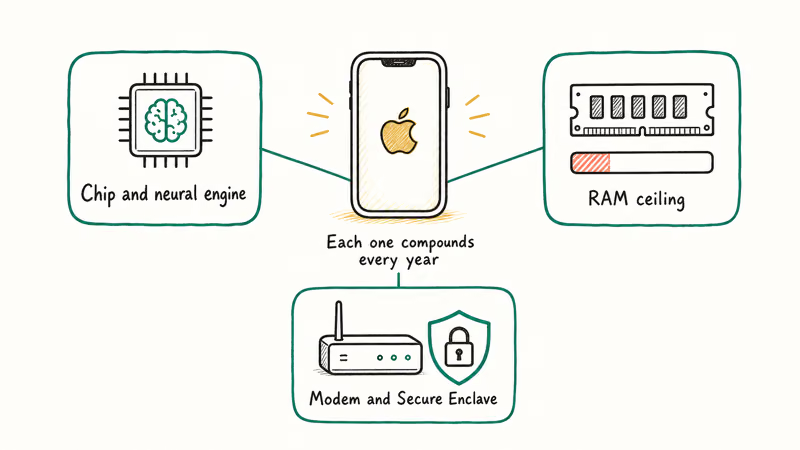
First, the A-series chip’s compute and neural engine performance fall behind what new features need. Apple Intelligence on iOS 26 already requires an A17 Pro or M-series chip, far above the floor for the OS itself.
Second, RAM becomes a hard ceiling. iPhone XS shipped with 4GB, while iPhone 15 Pro shipped with 8GB, and recent iOS features assume the higher tier. Third, modem and Secure Enclave silicon get patched and replaced in newer hardware in ways older devices can’t match.
Apple Intelligence is unavailable on iPhone XS because it requires newer hardware. Older A12 devices also have less headroom for recent Safari and system features.
The cadence is steady. According to 9to5Mac’s release-date analysis, Apple ships a new iOS every September and the device list typically lands the morning of the WWDC keynote three months prior. That cycle has been unchanged since iOS 13 in 2019.
There’s also a practical engineering reason. Each iOS release Apple supports adds QA cost across every supported chip generation. Cutting A12 devices at iOS 27 frees engineering hours to deepen Apple Intelligence and Camera features on the supported tier. Trade-offs aren’t free, but they explain why Apple chooses a relatively short tail compared to Android OEMs that promise 7-year updates.
#What to Do If Your iPhone Got Dropped From iOS 27
If your iPhone is on the expected dropped list (XS, XS Max, XR, or the original SE), you have three paths and none of them require panic.
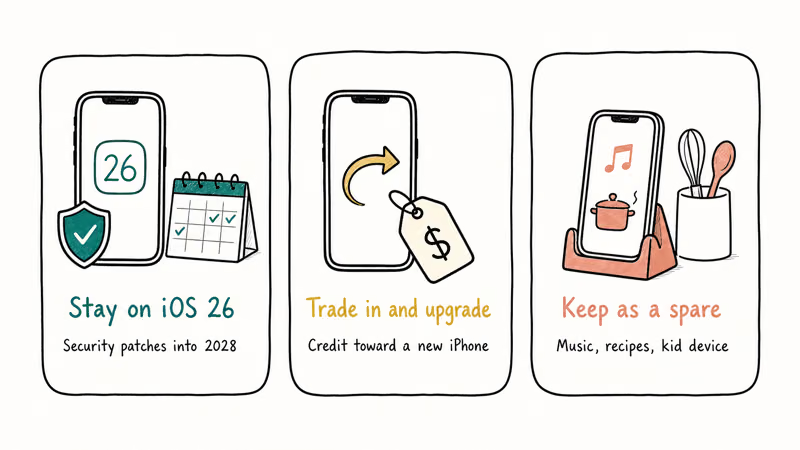
Path 1: Stay on iOS 26. Apple typically ships security-only updates for the prior major iOS for about two years after the new major arrives. That gives iOS 26 a security-update window through roughly late 2028. You’ll miss new features but stay protected against security vulnerabilities.
If you don’t run banking or work-issued apps that require the latest iOS, this is the lowest-friction path. Our should you install iOS 27 beta guide covers the broader decision framework, and for dropped models the answer is always the same: don’t.
Path 2: Trade in and upgrade. Apple’s Trade In program states that every iPhone model on the dropped list is eligible for trade-in credit toward a new iPhone. The iPhone 15 is the cheapest current Apple option that gets you into the A16 tier with several years of iOS support ahead. Third-party trade-in services like Decluttr or Gazelle often pay slightly more, but Apple Trade In is the simplest path.
Path 3: Keep using it as a secondary device. A dropped iPhone still makes a good kid’s device, music handset, or kitchen recipe tablet. Many iPhone 11 accessories still work fine on older iPhones. If the device powers on, it still has a job.
One scenario worth flagging: if you already installed an iOS 27 beta on a dropped device through some side channel before realizing the device wasn’t supported, you’ll need to restore your iPhone without updating to get back to iOS 26. Recovery from this state is also covered in our downgrade iOS without iTunes walkthrough.
For older-model troubleshooting context that applies to A11 and A12 generations, see our iPhone X and 8 troubleshooting reference.
If your iPhone XR or XS is on iOS 26 already, you can also choose to cancel an iPhone update prompt if Apple pushes any iOS 26 maintenance you’d rather defer.
#iOS 27 Compatibility Confirmation Timeline
Apple confirms the iOS 27 supported iPhones list at the WWDC 2026 keynote on June 8, 2026. The keynote runs about two hours, and the compatibility slide appears during the iOS 27 segment in the first half. Within roughly 30 minutes of the keynote ending, Apple posts a newsroom press release with the full text list and developer beta access links.
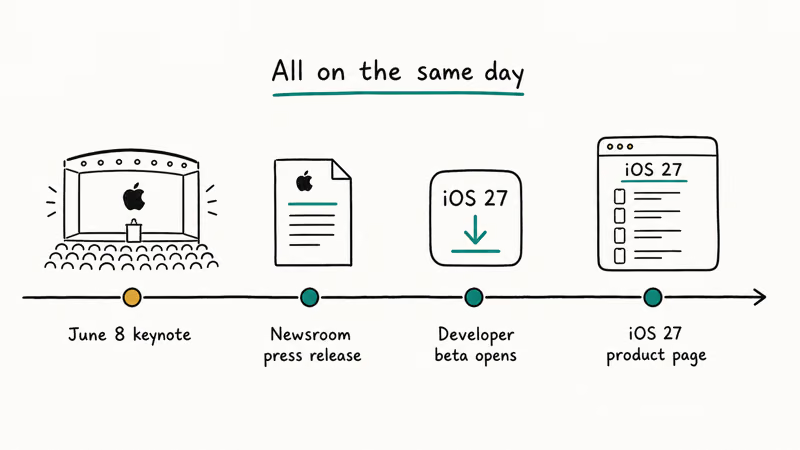
Watch for three signals:
- Apple newsroom press release the same day. This is the canonical source. It supersedes every prediction, including this article.
- The Apple Developer Program portal opens iOS 27 developer beta downloads typically within 1 to 2 hours after the keynote. Device support is listed per the beta sign-in page.
- Apple’s official iOS 27 product page (typically
apple.com/ios/ios-27) goes live the same day, with the supported devices section at the bottom.
According to Apple’s August 24 release entry, developer beta 7 is build 24A5424a. The supported list above remains the one Apple announced at WWDC. The public beta opened in July 2026; Apple hasn’t identified its current sequence number in the developer release entry.
#iPhone 11 Final Year Outlook
If iPhone 11 makes the iOS 27 list as expected, our prediction holds and the device picks up another year of major features. If Apple cuts iPhone 11 too (raising the floor to A14 and iPhone 12), the bubble case shifts up by one chip generation and iPhone 12 becomes the new floor for iOS 28 planning.
Either way, treat 2026 as iPhone 11’s final guaranteed year on the latest iOS. We will update this article within 24 hours of the keynote with the confirmed cut.
#Bottom Line
If you own an iPhone 11 or later (including iPhone SE 2nd generation and newer), expect iOS 27 to land on your device in September 2026 with no action needed beyond a routine backup the night before. If you own an iPhone XS, XS Max, XR, or original iPhone SE, plan around being stuck on iOS 26.
That build should get roughly two more years of security-only patches per Apple’s pattern, after which budget for a hardware upgrade. iPhone 11 owners are the bubble case: the device should make the iOS 27 list this cycle, but iOS 28 in 2027 is the likely cutoff. The official list arrives in Apple’s newsroom press release the morning of June 8, 2026, right after the WWDC keynote.
#Frequently Asked Questions
Will iPhone 11 support iOS 27?
Yes. The A13 Bionic in iPhone 11 is expected to be the iOS 27 chip floor, so the phone should make the list.
Is iPhone XS getting iOS 27?
No, iPhone XS is expected to be dropped from iOS 27 along with iPhone XS Max and iPhone XR. All three run the A12 Bionic chip and shipped in fall 2018, which puts them at seven iOS releases of support if they got iOS 26. That matches Apple’s typical six-year support window. Owners should plan to stay on iOS 26 through its roughly two-year security-update window, which based on Apple’s pattern should run into late 2028.
Does iPhone SE first generation get iOS 27?
The original iPhone SE stopped receiving major iOS updates at iOS 15. Only the iPhone SE 2nd generation (2020, A13 Bionic) and 3rd generation (2022, A15 Bionic) are expected on the iOS 27 list.
What is the oldest iPhone that supports iOS 27?
iPhone 11 is the oldest expected iPhone on the iOS 27 list, alongside the iPhone SE 2nd generation which shares the same A13 Bionic chip.
When will Apple confirm the iOS 27 compatibility list?
Apple confirms the iOS 27 supported iPhones list at the WWDC 2026 keynote on June 8, 2026, and posts the formal press release in the Apple newsroom within roughly 30 minutes of the keynote ending. The developer beta download portal also goes live the same day with device support listed per build. Apple’s official iOS 27 product page at apple.com/ios typically updates within a few hours, with the full supported-devices section at the bottom of the page.
Can I still update my iPhone XR to iOS 26?
Yes. iPhone XR remains on iOS 26 and should receive security-only patches for roughly two years after iOS 27 ships.
Should I upgrade my iPhone if Apple drops it from iOS 27?
Not immediately. Stay on iOS 26 through its security-update window, which should run into late 2028 based on Apple’s historical two-year security-only window for prior majors. Plan a hardware upgrade for when third-party apps drop iOS 26 support (typically a year or two after the cut), or when your battery degrades enough that replacement makes economic sense.
Will iPhone 11 get iOS 28 next year?
Probably not. The A13 Bionic will be six years old by 2027 and iPhone 11 will have hit eight iOS releases of support, which is at the upper end of Apple’s typical window. Budget for iPhone 11 being cut at iOS 28.
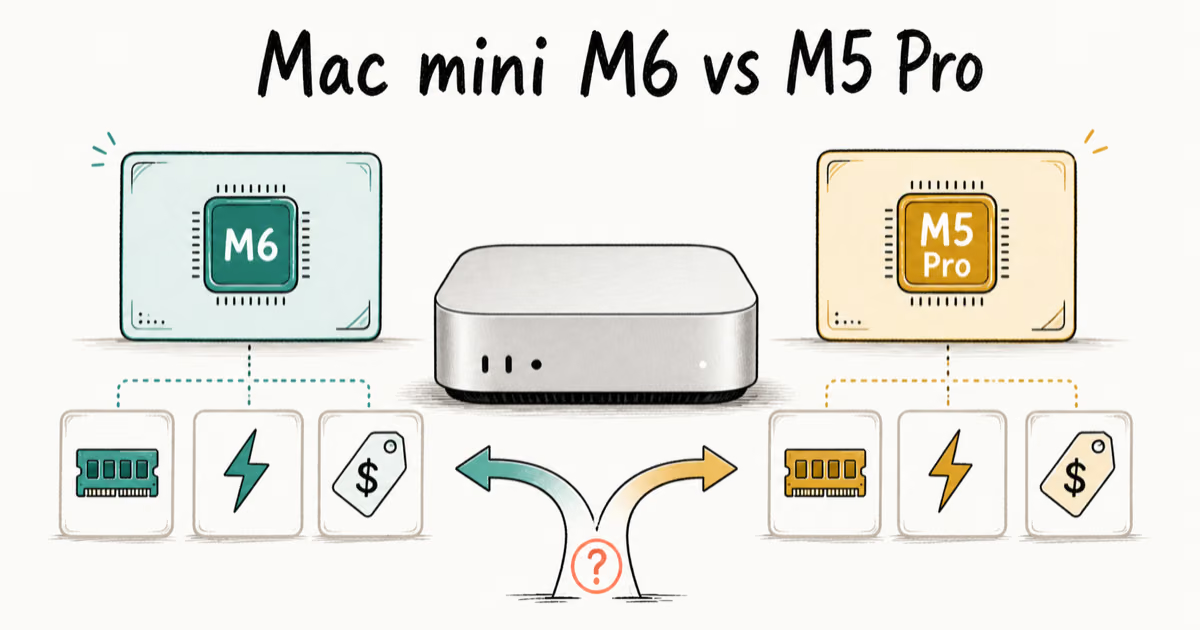
Mac mini M6 vs M5 Pro: Which Model Should You Buy?
Mac mini M6 vs M5 Pro compared on price, memory, ports, displays, and real workloads. Find the better 2026 Mac mini for your desk and budget.
Apple Siri Settlement: Who Qualifies and How to Claim
Apple's $250 million Siri settlement covers iPhone 15 Pro and iPhone 16 models bought June 2024 to March 2025. See who qualifies and how claims work.
iOS 26.6.1 Security Update: What Apple Fixed and Who Gets It
Apple released iOS 26.6.1 on August 17 with 29 security fixes, including an IPSec interception bug. See what it patches, who gets it, and how to update.
iPhone Adaptive Power: How It Works and When to Use It
Learn how iPhone Adaptive Power works, which models support it, what it changes, and when Low Power Mode is still the better battery-saving choice.