iOS 27 Compatible iPhones: 2026 Compatibility Guide
iOS 27 supports iPhone 11 and later on the A13 Bionic floor, the same list as iOS 26. Full confirmed device list and what it means for older iPhones.
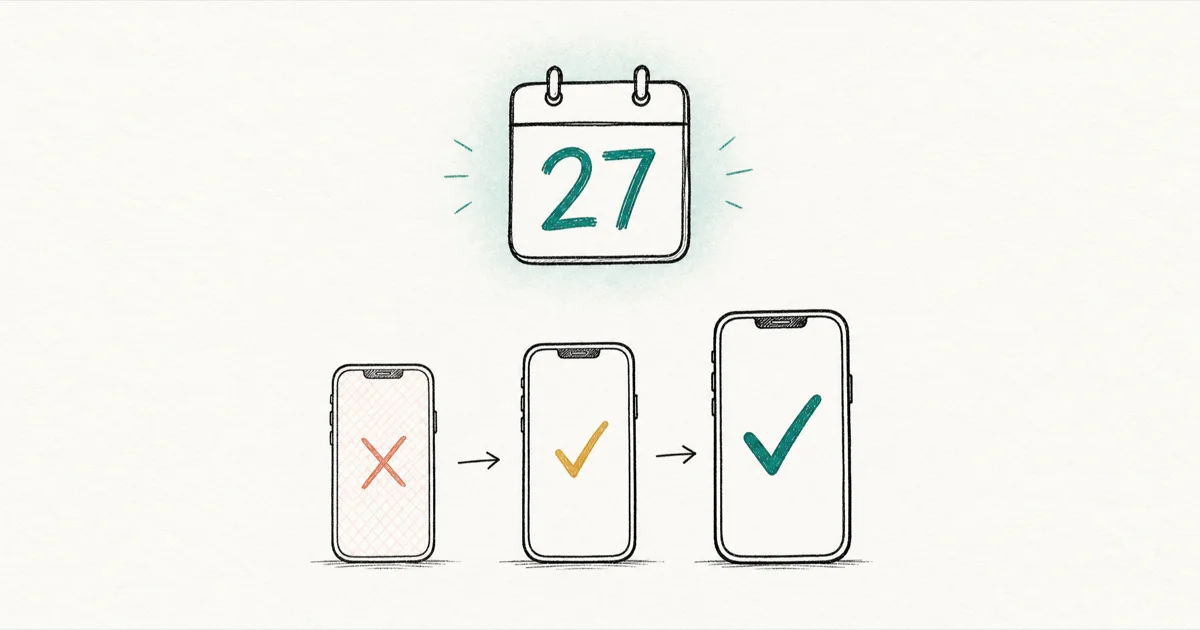
Quick AnsweriOS 27 supports iPhone 11 and newer, plus iPhone SE 2nd generation and later. Apple held the A13 Bionic floor from iOS 26, so no iPhone that ran iOS 26 loses support. The pre-WWDC leak predicting an A14 floor was wrong.
iOS 27 was announced at WWDC on June 8, 2026, with a public rollout in mid-September. Apple confirmed the compatible list at the keynote, and it holds the A13 Bionic floor, the same line iOS 26 drew. That means iPhone 11 and iPhone SE 2nd generation are supported.
A13 Bionic or newer? You get iOS 27.
Updated June 9, 2026: Apple confirmed the iOS 27 device list at its WWDC 2026 keynote on June 8. An April 2026 leak predicted an A14 floor that would drop iPhone 11, but that was wrong: Apple kept the A13 floor and iPhone 11 is supported.
- iPhone 11 and every newer model are iOS 27 compatible on the A13 Bionic floor
- iPhone SE 2nd generation (2020, A13) and 3rd generation (2022, A15) are both supported
- iPhone XS, XS Max, XR, and the original iPhone SE were cut a year earlier in iOS 26
- iOS 27 raises no new hardware floor, so the device list is identical to iOS 26
- Apple Intelligence still needs iPhone 15 Pro or newer with the A17 Pro chip and 8GB RAM
#iOS 27 Compatible iPhones: The Confirmed 2026 List
Apple confirmed the iOS 27 device list at the WWDC 2026 keynote. According to Apple’s iOS 27 product page, the supported list runs from iPhone 11 up to the iPhone 17 lineup. Every iPhone since 2017 ships with a specific A-series Bionic chip, and iOS major versions drop hardware in roughly five-year blocks. See Apple’s identify-your-iPhone page for the model lookup.
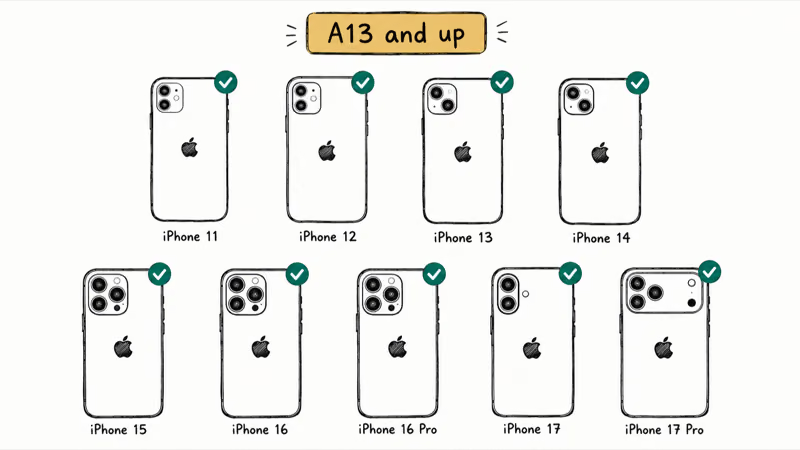
iOS 27 compatible iPhones, confirmed at WWDC 2026 (June 8)
| iPhone model | A-series chip | Year released | iOS 27 status |
|---|---|---|---|
| iPhone 17 / 17e / 17 Pro / 17 Pro Max / Air | A19 / A19 Pro | 2025 | Supported ✓ |
| iPhone 16 / 16e / 16 Plus / 16 Pro / 16 Pro Max | A18 / A18 Pro | 2024 | Supported ✓ |
| iPhone 15 / 15 Plus / 15 Pro / 15 Pro Max | A16 / A17 Pro | 2023 | Supported ✓ |
| iPhone 14 / 14 Plus / 14 Pro / 14 Pro Max | A15 / A16 | 2022 | Supported ✓ |
| iPhone SE (3rd generation) | A15 Bionic | 2022 | Supported ✓ |
| iPhone 13 / 13 mini / 13 Pro / 13 Pro Max | A15 Bionic | 2021 | Supported ✓ |
| iPhone 12 / 12 mini / 12 Pro / 12 Pro Max | A14 Bionic | 2020 | Supported ✓ |
| iPhone 11 / 11 Pro / 11 Pro Max | A13 Bionic | 2019 | Supported ✓ |
| iPhone SE (2nd generation) | A13 Bionic | 2020 | Supported ✓ |
| iPhone XS / XS Max / XR | A12 Bionic | 2018 | Dropped at iOS 26 (iOS 18 final) |
| iPhone X / 8 / 8 Plus | A11 Bionic | 2017 | Dropped at iOS 17 |
| iPhone SE (1st generation) | A9 | 2016 | Dropped at iOS 16 |
The pre-WWDC story to know: an April 2026 Instant Digital leak claimed Apple would raise the floor to A14 and drop iPhone 11 plus iPhone SE 2nd gen. Apple did not. It held the A13 line for a second year, so iPhone 11 carries forward.
Apple’s compatibility cutoff pattern across iOS 14 through iOS 26 lines up with primary device identifiers. A11-era devices (iPhone 8, X) were cut at iOS 17, and A12-era devices (iPhone XS, XR) were cut at iOS 26. With iOS 27 keeping the A13 floor, the most likely next cut is the A13 tier at iOS 28 in 2027, not this year.
#iPhones Dropped Before iOS 27
iOS 27 dropped nothing new. It keeps the same A13 Bionic floor as iOS 26, so every iPhone that ran iOS 26 also runs iOS 27.
The phones people expected to lose support, iPhone XS and XR, were already cut a year ago at iOS 26. They run the A12 Bionic and top out at iOS 18. Because Apple held the floor steady, there was nothing new to drop this cycle.
According to MacRumors’ iOS 27 compatibility coverage, the A13 tier (iPhone 11 and iPhone SE 2nd gen) was the bubble going into WWDC, and Apple chose to keep it in. That gives iPhone 11, which launched in September 2019, an eighth major iOS release.
If you’re on iPhone X, iPhone 8, or iPhone 8 Plus, you’ve been on iOS 16 since 2024, so iOS 27 changes nothing this cycle.
#Will iPhone 11 Feel Slow on iOS 27?
It runs the operating system, but a six-year-old chip shows its age. Here is the honest read.
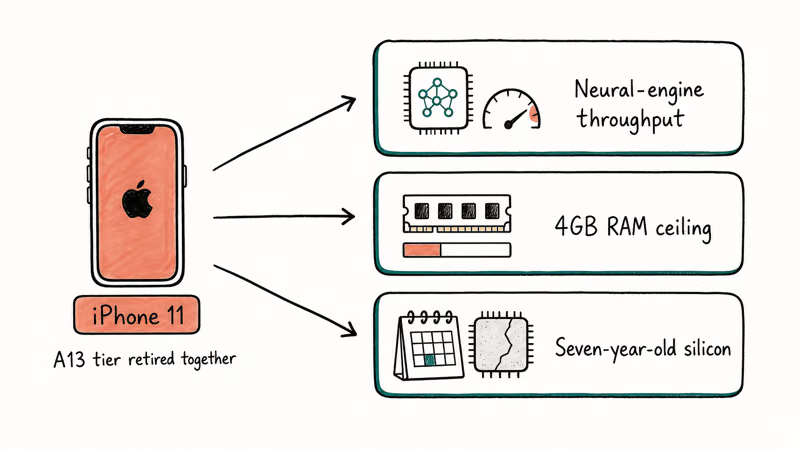
The OS works, the AI layer does not. iPhone 11 installs every iOS 27 system feature: the new Camera modes, Safari updates, and interface changes. According to Apple’s developer documentation, Apple Intelligence requires the A17 Pro chip and 8GB of RAM, so iPhone 11 gets no Siri chat interface, no Visual Intelligence, and no third-party AI Extensions.
RAM is the real ceiling. iPhone 11 ships with 4GB, well behind newer models. Safari tab restoration and heavier multitasking can feel slower on older 4GB phones than on newer models with more headroom.
Plan for one more year. The iPhone 11 sits on the A13 floor, so it’s the most likely candidate for the iOS 28 cut in 2027. Treat iOS 27 as a strong final stretch, not an open-ended runway. For how the AI features are gated by hardware, a separate question from base iOS support, see our Apple Intelligence iPhone requirements guide that breaks down each chip tier and what it unlocks.
#What Should iPhone 11 and Older Users Do?
If you own an iPhone 11 or newer, you get iOS 27 free, so there’s nothing to do but back up before updating. If you’re on an iPhone XS, XR, or older that’s already capped at iOS 18, here are three legitimate paths.
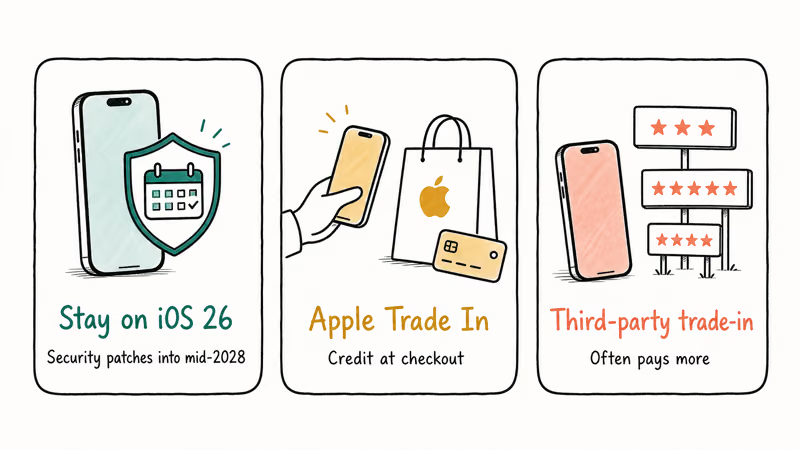
Stay on your current iOS for the security-only window. Apple historically provides roughly two more years of security patches to capped models. An iPhone XS on iOS 18 keeps getting 18.x security fixes for a while, which gives you a real runway before the device becomes a risk on the open web.
Trade in directly with Apple. According to the Apple Trade In program, eligible devices can be credited toward a new iPhone.
Compare a third-party trade-in. Carrier promos, Best Buy, Gazelle, and Swappa often quote 20 to 30 percent more than Apple on iPhone 13 and newer. The gap is smaller on older models, but the math can still flip on newer phones.
If you accidentally installed the developer or public beta and want to roll back, see our downgrade from iOS 27 beta to iOS 26 walkthrough.
#iOS 27 Compatibility List: Official Timing
Apple confirmed the iOS 27 compatibility list at the WWDC 2026 keynote on June 8, 2026, and posted it to the newsroom alongside the developer beta.
According to Apple’s August 24 release entry, iOS 27.0 beta 7 is build 24A5424a.
The device list remains the one Apple announced at WWDC; the developer release entry doesn’t identify the current public-beta sequence. The public beta opened in July 2026, and the public release lands in mid-September. For the full release framing, see our iOS 27 release date timeline; for the beta-context device view, see our iOS 27 beta supported list.
Weighing beta versus September? Our should you install iOS 27 beta decision framework walks through the trade-offs.
#How Apple’s iOS 27 Cutoff Compares to Past Versions
Apple’s chip-cutoff cadence has been steady for years: iOS 16 dropped iPhone 6s and the original SE on the A9, iOS 17 dropped iPhone 8 and X on the A11, and iOS 26 dropped iPhone XS, XS Max, and XR on the A12. iOS 27 broke the every-year rhythm and held the A13 floor, so iPhone 11 and SE 2nd gen stay in.
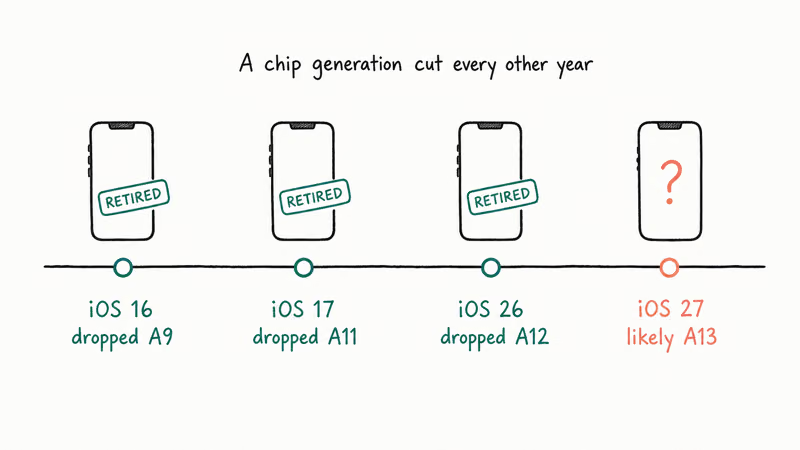
That’s a chip generation cut roughly every other year, the cleanest pattern across any major mobile OS. Android makers sometimes promise longer software windows, but the timing is rarely as predictable, and the marketing window often outlasts meaningful feature support by a year or two.
Practical takeaway: if your iPhone is five or six years old, start planning an upgrade cycle. Three years or less, and you have at least two more iOS releases ahead.
#Bottom Line
iPhone 11 or newer (including iPhone SE 2nd and 3rd gen): you get iOS 27 in September 2026. No action needed beyond a routine backup before updating.
iPhone XS, XS Max, XR, or original SE: capped at iOS 18 since iOS 26.
Want Apple Intelligence: base iOS 27 support isn’t enough. The Siri chat interface, Visual Intelligence, and AI Extensions need iPhone 15 Pro or newer.
The Apple Trade In program is the cleanest upgrade path, but third-party trade-ins occasionally beat Apple by 20 to 30 percent on iPhone 13, 14, and 15 models, so compare both before committing.
#Frequently Asked Questions
Will my iPhone 11 get iOS 27 in 2026?
Yes. Apple confirmed at WWDC 2026 that iPhone 11, 11 Pro, and 11 Pro Max all run iOS 27 on the A13 Bionic floor. A pre-WWDC leak predicted they’d be dropped, but that was wrong. The only catch is that iPhone 11 doesn’t get Apple Intelligence.
Is iPhone SE 2nd generation compatible with iOS 27?
Yes. iPhone SE 2nd gen (A13) and 3rd gen (A15) both run iOS 27.
When did Apple officially confirm the iOS 27 compatibility list?
At the WWDC 2026 keynote on June 8, 2026.
What is the oldest iPhone that runs iOS 27?
iPhone 11 and iPhone SE 2nd generation, both on the A13 Bionic chip, are the oldest models that run iOS 27. They tie for that spot because Apple held the exact same A13 hardware floor it set with iOS 26 back in 2025, rather than raising it a generation as many leaks expected.
Will iPhone 12 get all iOS 27 features including Apple Intelligence?
iPhone 12 runs the base iOS 27 release, but Apple Intelligence has a separate hardware floor. It requires iPhone 15 Pro or newer with an A17 Pro chip. iPhone 12 owners get the standard iOS 27 feature set without the AI tier.
How is “compatible” different from “supported” for iOS 27?
Both describe the same list. “Compatible” is the consumer term, “supported” the technical one.
Will iOS 26 still get security updates after iOS 27 launches?
Yes. Apple historically continues security-only point updates for the previous iOS major release for roughly two more years. Devices capped at iOS 18, like iPhone XS, keep getting 18.x security fixes through that window. Functional updates stop at the cutoff; security fixes continue.
Mac mini M6 vs M5 Pro: Which Model Should You Buy?
Mac mini M6 vs M5 Pro compared on price, memory, ports, displays, and real workloads. Find the better 2026 Mac mini for your desk and budget.
Apple Siri Settlement: Who Qualifies and How to Claim
Apple's $250 million Siri settlement covers iPhone 15 Pro and iPhone 16 models bought June 2024 to March 2025. See who qualifies and how claims work.
iOS 26.6.1 Security Update: What Apple Fixed and Who Gets It
Apple released iOS 26.6.1 on August 17 with 29 security fixes, including an IPSec interception bug. See what it patches, who gets it, and how to update.
iPhone Adaptive Power: How It Works and When to Use It
Learn how iPhone Adaptive Power works, which models support it, what it changes, and when Low Power Mode is still the better battery-saving choice.