How to Make Rules in Discord: Server Guidelines Guide
Learn how to create and set up rules in Discord using the built-in Rules channel, Community features, and AutoMod to keep your server organized and safe.
Quick AnswerEnable Community in Server Settings, then go to Server Settings > Community > Set Up Community and assign a Rules channel. Alternatively, create a text channel named rules, set it to read-only for everyone, and post your rules as a pinned message.
Discord gives server owners two ways to create rules: the built-in Community Rules channel or a manually created read-only text channel. Both methods can enforce standards for new members when permissions and onboarding settings are configured correctly.
Before changing these settings, use the steps only on your own device, computer, or account, or with explicit permission from the owner. Unauthorized access can violate law, privacy rights, and platform terms, so don’t use this guide to bypass someone else’s controls. When available, start with the official support option, built-in settings menu, or vendor documentation before trying manual fixes, especially if the device or account belongs to work, school, or another person.
- Enable Community in Server Settings to unlock the official Rules channel with a member agreement toggle
- A read-only channel works just as well for small servers that don’t need Community features
- Set @everyone to View Channel but deny Send Messages to make any channel read-only
- AutoMod in Server Settings auto-enforces rules against spam, hate speech, and blocked keywords
- Pinning your rules message keeps it permanently visible at the top of the channel
#Setting Up Discord’s Built-In Rules Channel
Discord’s Community feature includes a dedicated Rules channel
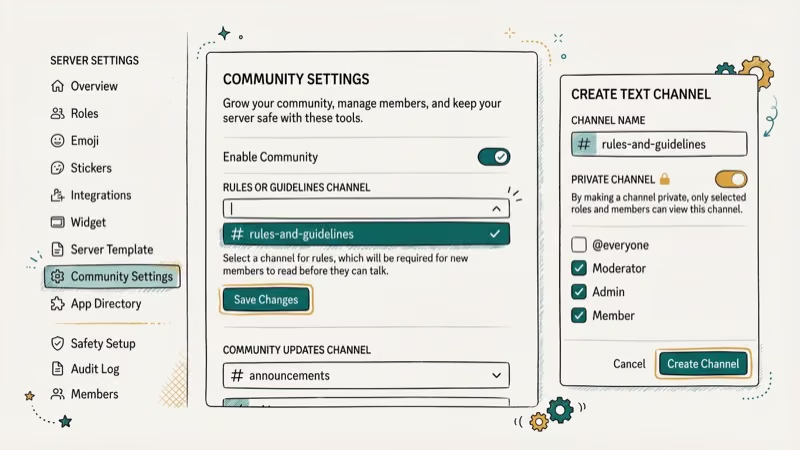 with a member agreement option. When enabled, new members see a “I have read and agree to the rules” prompt before they can interact.
Go to Server Settings > Community > Enable Community. Follow the setup wizard, which requires enabling 2FA for the server owner and designating a rules channel. Discord automatically creates a #rules channel if you don’t already have one. Discord’s official Community documentation states that 3 things are required at minimum: a rules channel, a public updates channel, and explicit content filtering, as outlined in its guild resource reference.
The rules agreement prompt applies to members who join after Community is enabled. Members who joined before Community was enabled won’t see the prompt retroactively.
#Creating a Manual Rules Channel
For servers that don’t need Community features, a manual read-only channel works well.
Right-click any category in your channel list and select Create Channel. Name it rules or server-rules and choose Text Channel type.
After creating it, right-click the channel, select Edit Channel, and go to the Permissions tab.
Set @everyone to allow View Channel but deny Send Messages. This creates a read-only channel that all members see but only admins can post in. Post your rules, click the three-dot menu on the message, and select Pin Message to keep it at the top permanently.
#What Should Your Discord Server Rules Include?
Clear rules prevent the most common moderation problems. Online communities with explicit conduct guidelines tend to see fewer reported conflicts than those without written standards. Read the Wikipedia overview of online communities for a deeper look at community governance principles that apply directly to Discord server management.
Keep rules short and specific. Vague rules like “be nice” are hard to enforce. Specific rules like “no slurs, no spam, no NSFW content outside designated channels” give moderators clear grounds for action.
Five to seven rules is the right target for most servers. A standard set includes: respect all members, no hate speech or discrimination, no spam or self-promotion without approval, keep discussions on-topic per channel, and follow Discord’s Terms of Service. More than ten rules and members stop reading.
#How Does AutoMod Enforce Rules Automatically?
AutoMod is Discord’s built-in tool that enforces rules without moderator intervention.
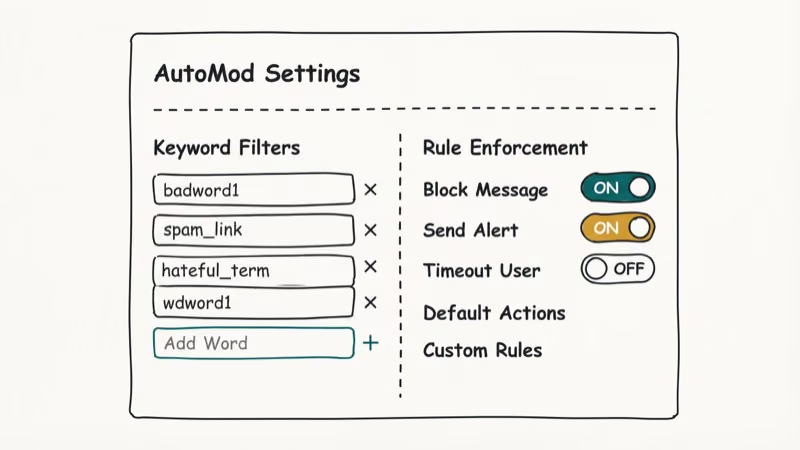
Go to Server Settings > AutoMod. You can configure rules that block messages containing specific keywords, spam patterns, or hate speech flagged by Discord’s AI. When AutoMod detects a violation, it can block the message, send a warning, timeout the member, or alert a moderator channel.
AutoMod can block obvious spam, hate speech, and keyword violations without manual action. The blocked keyword list supports up to 1,000 keywords per rule. Enable it by default even for small servers since it costs nothing and catches obvious violations instantly. If you’re having trouble with the Discord app itself, the Discord not opening guide covers common launch failures.
#Adding Rules to Your Welcome Channel
Most servers combine a rules channel with a welcome channel that greets new members. A new member’s first impression shapes their behavior for weeks.
According to Discord’s safety documentation, servers that prominently display rules during onboarding see significantly better long-term member compliance compared to servers where rules are buried or hard to find. Link to your rules channel directly from the welcome message.
The how to make a welcome channel on Discord guide covers the full setup process. Pair it with the rules channel for a complete onboarding flow.
#Linking Rules to Role Gating
Role gating forces new members to agree to rules
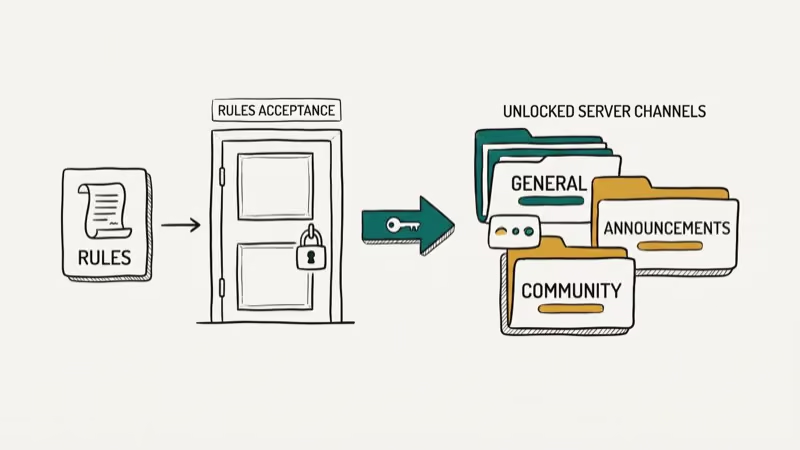 before accessing server channels. It’s the most effective enforcement method.
Create a Newcomer role with limited channel access. Configure MEE6 or Carl-bot to assign a Member role when someone reacts to your rules message with a checkmark emoji. Only Members can see main server channels. The how to add roles in Discord guide walks through the full setup.
#Troubleshooting Rules Channel Problems
New members can still send messages. A role override is superseding your @everyone denial. Check permissions for each role.
AutoMod not blocking violations. Confirm the rule is set to “Block Message,” not just “Alert.” Some configurations require the Moderator role to be set in the alert channel settings before violations are caught.
Community Rules prompt not appearing. The member agreement prompt only shows for members who join after you enable Community. Existing members won’t see it retroactively. Use reaction role gating via MEE6 for current members. If you’re also experiencing Discord awaiting endpoint errors during setup, fix connectivity first.
For server bot setup to automate rule enforcement, see the how to add bots to Discord guide for MEE6 and Carl-bot configuration.
#Bottom Line
For most servers: create a text channel named #rules, set @everyone to View Channel only, post your rules, and pin the message. If you want a native member agreement prompt, enable Community first. Combine with role gating for the strongest compliance setup. Keep rules to 5-7 specific, enforceable items.
#Frequently Asked Questions
Do I need Community enabled to create a rules channel?
No. Any text channel set to read-only works as a rules channel. Community adds the official member agreement prompt and the formal designation, but it’s not required for basic rule-posting.
How many rules should a Discord server have?
Between 5 and 10. Fewer rules leave exploitable gaps. More than 10 and members stop reading. Focus on rules your moderators can actually enforce consistently.
Can I require members to read rules before joining channels?
Yes, through reaction roles. Set up a Newcomer role with limited access, then grant the Member role after someone reacts to the rules post. All major moderation bots like MEE6 and Carl-bot support this workflow with no coding required.
What rules should every Discord server have?
At minimum: no hate speech or slurs, no spam or unsolicited promotion, no NSFW content outside designated channels, follow Discord’s Terms of Service, and respect moderator decisions. Add topic-specific rules based on your server’s content and community standards.
Can moderators edit the rules channel?
Yes. Grant your Moderator role an explicit Send Messages allow override in the rules channel. @everyone denials don’t affect roles with higher-priority allows.
What happens if someone breaks the rules?
Moderators can warn, timeout, kick, or ban members. Discord’s timeout feature suspends interaction for a set duration without removing the member. According to Discord’s moderation guidelines, warnings before kicks and kicks before permanent bans is the standard escalation sequence for most server rule violations.
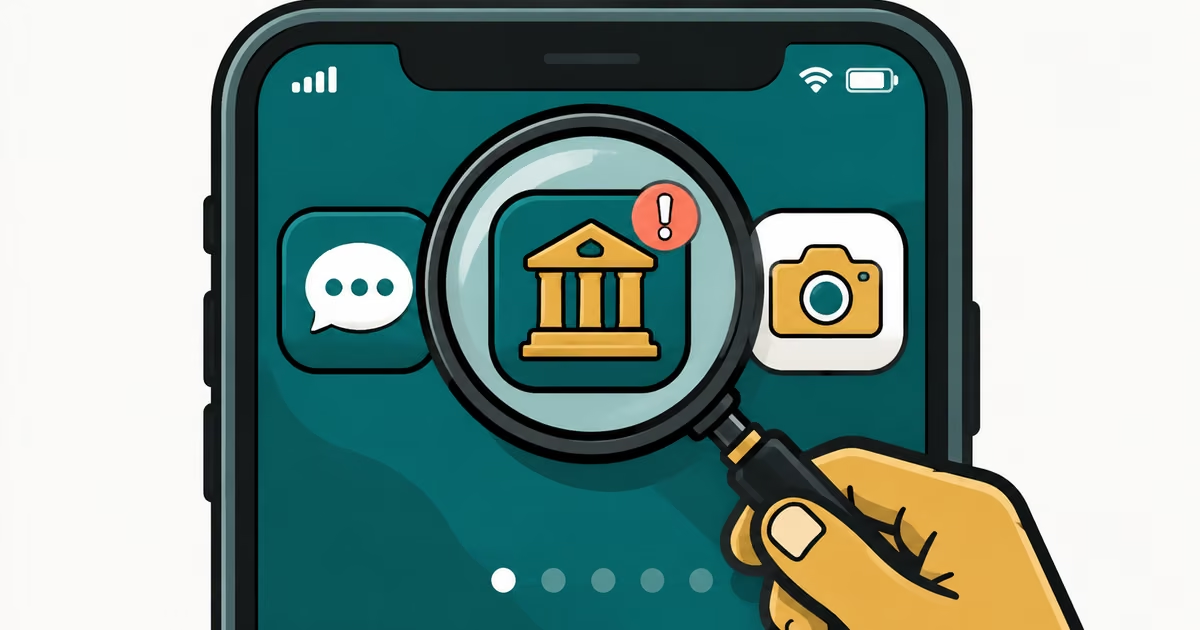
Is This Bank App Real? Spot a Fake App on Your Home Screen
A bank app can land on your home screen from a web page with no install warning. Learn the checks that tell a real banking app from a phishing web app.
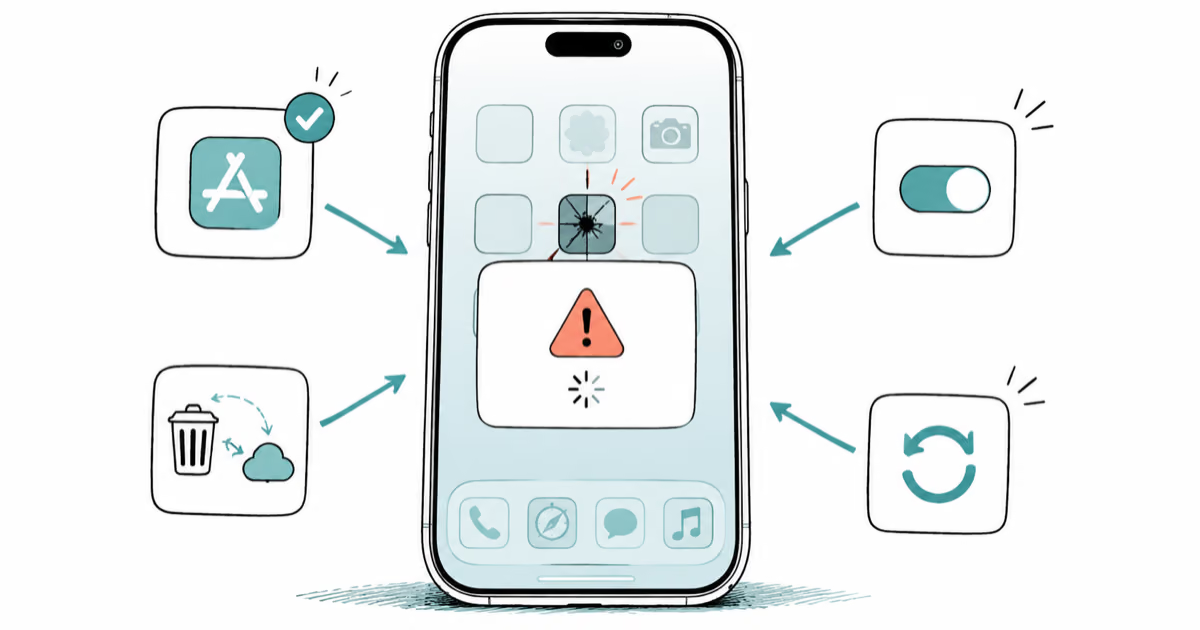
Apps Crashing After iOS 27 Update? Fix Order (2026)
Apps crashing after the iOS 27 update? Update the app in the App Store first, then offload and reinstall to clear stale cache, then restart. The fix order.
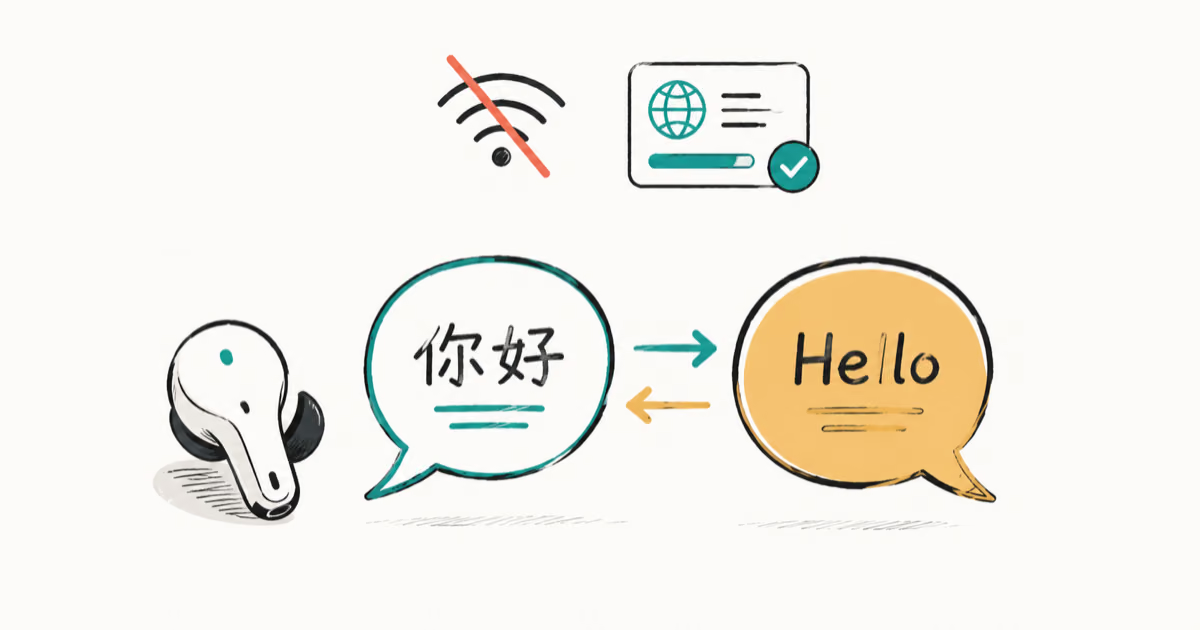
Do AI Translation Earbuds Work Offline? What to Know
Do AI translation earbuds work offline? A few do with downloaded language packs, but most need the cloud. Here's what works offline and what you give up.
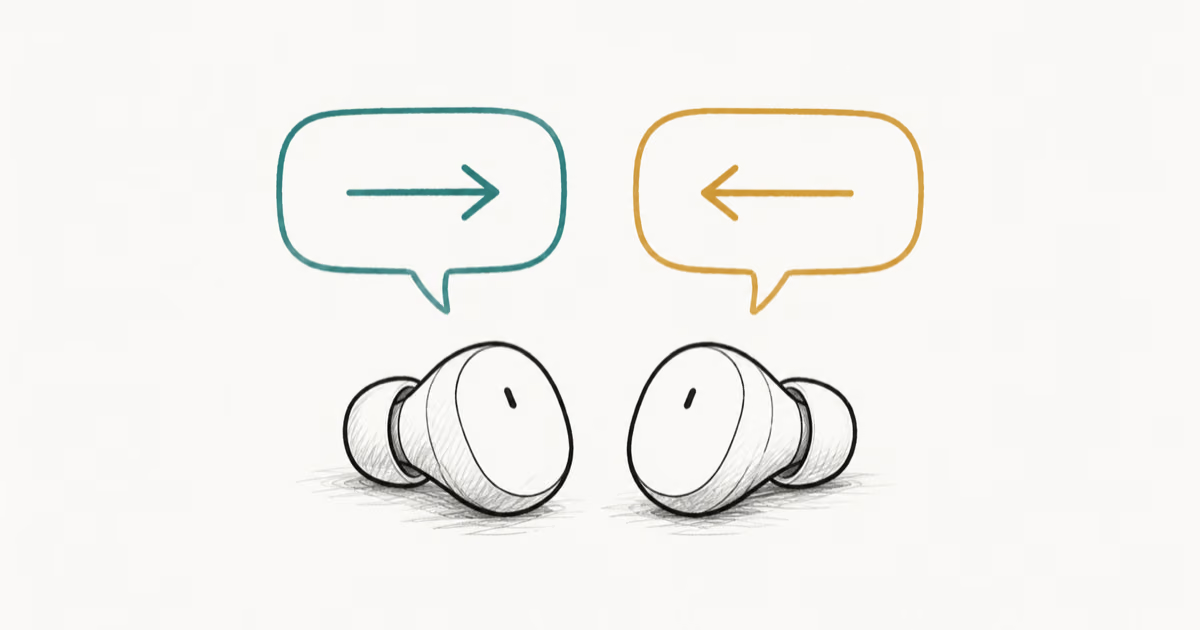
How to Set Up Translation Earbuds (Pairing and Modes)
How to set up translation earbuds: charge, install the app, pair over Bluetooth, pick two languages, and choose a mode. A step-by-step first-use guide.