How to Block and Unblock Someone on PayPal Quickly (2026)
Stop unwanted PayPal payment requests and invoices with proven blocking methods. Complete guide for mobile app, website, and support options.
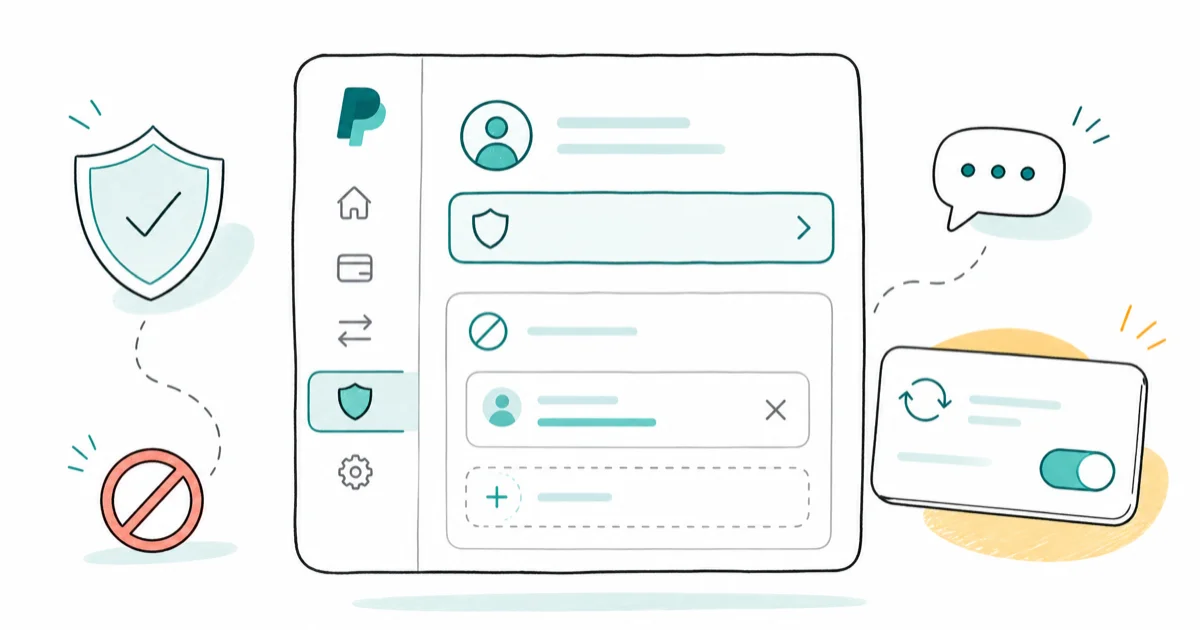
Quick AnswerPayPal doesn't have a direct "Block" button. Go to Settings > Payments > Block Payments, then add the email address. You can also contact customer support for complete user restrictions or manage pre-approved payments to stop automatic requests.
PayPal doesn’t offer a traditional “Block User” button like social media platforms, but you can stop unwanted payment requests and contact from specific users. The steps below cover PayPal’s self-service blocking tools plus support options for stronger restrictions.
Many users also face similar blocking challenges with payment apps like Venmo when dealing with account restrictions, which you can learn more about in our guide on how to unfreeze Venmo accounts. Understanding blocking mechanics becomes especially important when managing contacts across different platforms, as covered in our WhatsApp contacts backup guide, since financial privacy protection requires a comprehensive approach across all your digital payment and communication tools.
- PayPal’s Block Payments feature lets you prevent specific email addresses from sending you money or requests through
Settings>Payments - Customer support can impose complete user restrictions that go beyond self-service blocking options
- Canceling pre-approved payment agreements stops automatic recurring requests from merchants and services
- Blocked users won’t receive notifications about being blocked, and you can reverse the block anytime
- Business accounts have additional invoice-level blocking controls that personal accounts don’t offer
#How Does PayPal Blocking Work?
Unlike blocking someone on TikTok or other social platforms, PayPal’s blocking system focuses on financial transactions rather than communication. When you block someone, you’re preventing them from initiating money transfers, payment requests, or invoices to your account.
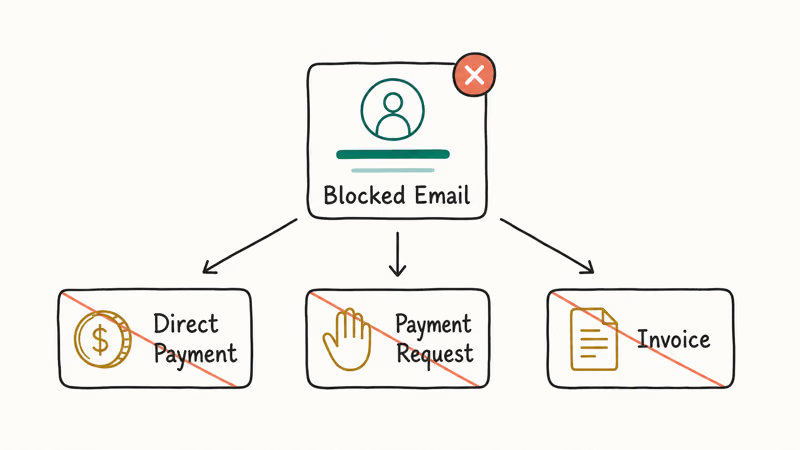
The blocking affects three main areas: direct payments (when someone tries to send you money), payment requests (when they ask you to pay them), and invoices (formal billing documents). However, it doesn’t prevent them from seeing your public profile information if your account is set to public visibility.
According to PayPal’s official blocking policy, you can block up to 500 email addresses or phone numbers per account. Blocking may take up to 24 hours to fully propagate across PayPal systems.
For mobile users, both Apple’s App Store and Google Play versions of PayPal support the same blocking features as the website.
Recent Policy Updates: PayPal confirms that users blocked through the Block Payments feature can’t send money requests for a period of time even after account changes, based on how the platform processes blocks.
#Method 1: Block Specific Email Addresses
This is the most direct way to block someone on PayPal. Use it when you know the email address or phone number tied to the unwanted requests.
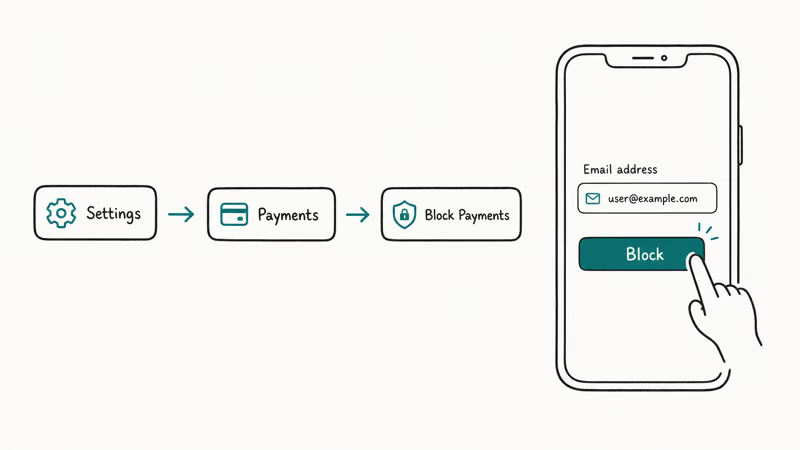
On PayPal Website: Log into your PayPal account at paypal.com, go to Settings (gear icon in top right), click Payments in the left sidebar, select Block Payments, enter the email address you want to block, and click Block to confirm.
On PayPal Mobile App: Open the PayPal app and log in, tap your profile picture in top right, select Settings, tap Payments, choose Block Payments, then enter the email address and tap Block.
Blocking can take effect quickly, but PayPal says some changes may need up to 24 hours to apply across its systems.
Blocked users don’t receive notifications about being blocked. However, they’ll encounter a generic error message stating “transaction can’t be completed” if they attempt to send payment requests to your account, without any specific mention of being blocked.
#Method 2: Contact PayPal Customer Support
For complete user restrictions that go beyond email blocking, PayPal support can impose account-level blocks. This method is particularly useful for harassment cases or when someone uses multiple email addresses to circumvent your blocks.
Phone Support: Call 1-402-935-2050 (US) or use the number for your country. Wait times can run long during busy support periods.
Live Chat: Available through your PayPal account dashboard under Help & Contact. Response times vary by account, region, and queue volume.
Email Support: Submit a case through the Resolution Center for non-urgent blocking requests. Expect a response within 24-48 hours.
When contacting support, provide the user’s email address, phone number (if known), and specific reasons for the block request. PayPal’s customer protection policies allow them to impose restrictions for harassment, fraud attempts, or terms of service violations.
PayPal’s Trust & Safety team reviews account-level blocking requests and generally approves them when proper documentation is provided. The most common reasons for approval include repeated unwanted requests, harassment, and suspected fraud attempts.
#Method 3: Manage Pre-approved Payments
If someone is sending you automatic payment requests through a pre-approved agreement, you can cancel these to stop future requests:
- Go to Settings > Payments > Manage Pre-approved Payments
- Find the merchant or user in the list
- Click Cancel next to their entry
- Confirm the cancellation
This method is particularly effective for stopping recurring requests from subscription services or merchants you no longer want to deal with. It affects future automatic requests, not manual payment requests from the same user.
#What Can and Can’t You Block?
What blocking prevents: Payment requests to your account, invoices from the blocked email, money transfers from that address, and new pre-approved payment setups.
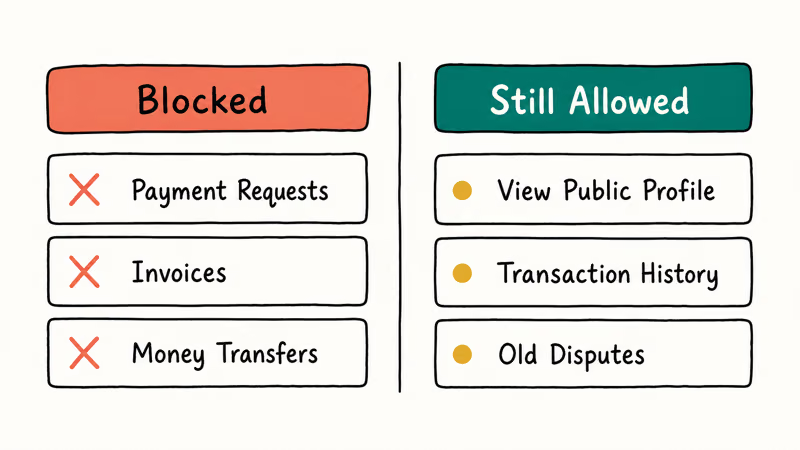
What blocking doesn’t prevent: The blocked user can still view your public profile (if enabled), see your name in their transaction history, contact you through other channels, and dispute previous transactions through PayPal’s Resolution Center.
Business accounts have additional controls through Invoice Templates where you can set default blocking rules for specific domains or email patterns. Personal accounts don’t have these advanced features.
As PayPal’s business documentation explains, these advanced blocking features are part of their merchant protection suite designed for higher-volume payment processors.
#How to Unblock Someone on PayPal?
Unblocking is straightforward and takes effect immediately:
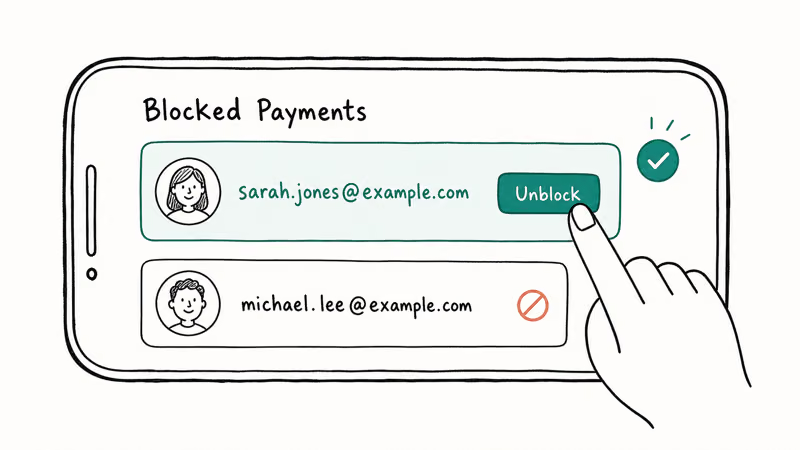
Website Method:
Go to Settings > Payments > Block Payments, find the email address in your blocked list, click Unblock next to their entry, and confirm the action.
Mobile App Method:
Open PayPal app, go to Profile > Settings > Payments > Block Payments, tap Unblock next to the email address, then confirm removal.
Unblocked users can immediately send you payment requests and money transfers again.
No notification is sent when you unblock someone, but they’ll notice when their payment attempts start succeeding again instead of generating error messages.
#PayPal Harassment Prevention
If someone is using PayPal to harass you with repeated unwanted requests or inappropriate notes in payments, document everything before blocking them. PayPal takes harassment seriously and can impose permanent account restrictions on violating users.
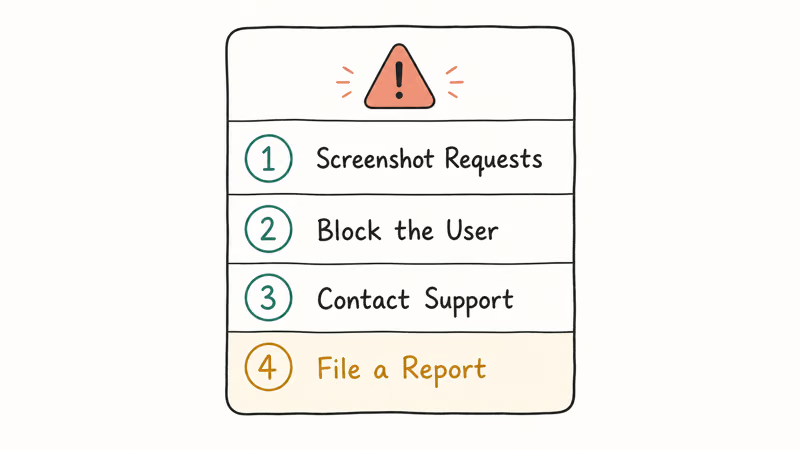
For harassment cases, start by taking screenshots of all unwanted requests and payments with inappropriate notes. Then block the user using Method 1 above, contact PayPal support with your documentation, and file a report through the Resolution Center if needed for additional protection.
Similar to blocking inappropriate content on other platforms, PayPal has specific policies against using their platform for harassment or abuse.
If you’re dealing with broader security concerns, learning how to block unwanted contacts on iPhone or preventing spam calls can provide comprehensive protection across all your communication channels.
#PayPal Block Limitations
PayPal’s blocking system has some important limitations to understand:
Key limitations exist: Email-based blocking only works for that specific address, so someone using a different email can still contact you.
Business accounts offer more granular controls compared to personal accounts, which can’t access advanced blocking features like domain-wide restrictions or automated invoice filtering rules. International considerations also apply, as blocking rules may vary slightly for international accounts due to different regulations in various countries, particularly in the EU where GDPR requirements provide additional privacy controls. PayPal’s global security standards specify that EU users have additional privacy controls under GDPR requirements.
For situations requiring stronger protection, consider also learning about how to unblock yourself on other platforms to understand the full scope of blocking mechanics across different services. The Federal Trade Commission recommends implementing blocking controls across all financial apps you use for comprehensive protection.
#Bottom Line
PayPal’s blocking system effectively stops unwanted payment requests and money transfers, though it’s not as comprehensive as social media blocking. The Settings > Payments > Block Payments method works for most situations, while customer support can provide stronger restrictions when needed.
For the best protection, combine email blocking with careful privacy settings and consider reaching out to PayPal support if you’re dealing with persistent harassment. Remember that unblocking is always reversible, so you can adjust your blocked list as situations change.
#Frequently Asked Questions
Can someone tell if you’ve blocked them on PayPal?
No, PayPal doesn’t notify users when they’ve been blocked. They’ll only discover it when their payment attempts fail with a generic error message.
Does blocking someone refund previous payments?
No, blocking only prevents future transactions. Previous payments remain in your account history and can’t be automatically refunded. Use the Resolution Center for payment disputes.
Can I block someone from a business account differently than a personal account?
Yes. Business accounts offer additional blocking options through invoice settings and merchant tools that aren’t available for personal accounts.
What happens if a blocked person tries to send me money?
Their payment attempt will fail with an error message stating the transaction can’t be completed, but it won’t specifically mention they’re blocked.
How many people can I block on PayPal?
PayPal allows you to block up to 500 email addresses or phone numbers per account, though most users won’t need anywhere near that limit.
Can I block someone temporarily?
Yes, you can unblock someone anytime through the same Settings menu where you originally blocked them. The process is immediate.
Will blocking someone affect my seller protection?
No, blocking users doesn’t impact PayPal’s seller protection policies. Your protection status depends on transaction details, not your blocking preferences.
Google Messages Error 3100: Why RCS Is Broken on Galaxy
Google Messages RCS error 3100 hits Galaxy owners after phone or carrier switches. Google told 9to5Google a fix is coming. Here's what actually helps.
Is This Bank App Real? Spot a Fake App on Your Home Screen
A bank app can land on your home screen from a web page with no install warning. Learn the checks that tell a real banking app from a phishing web app.
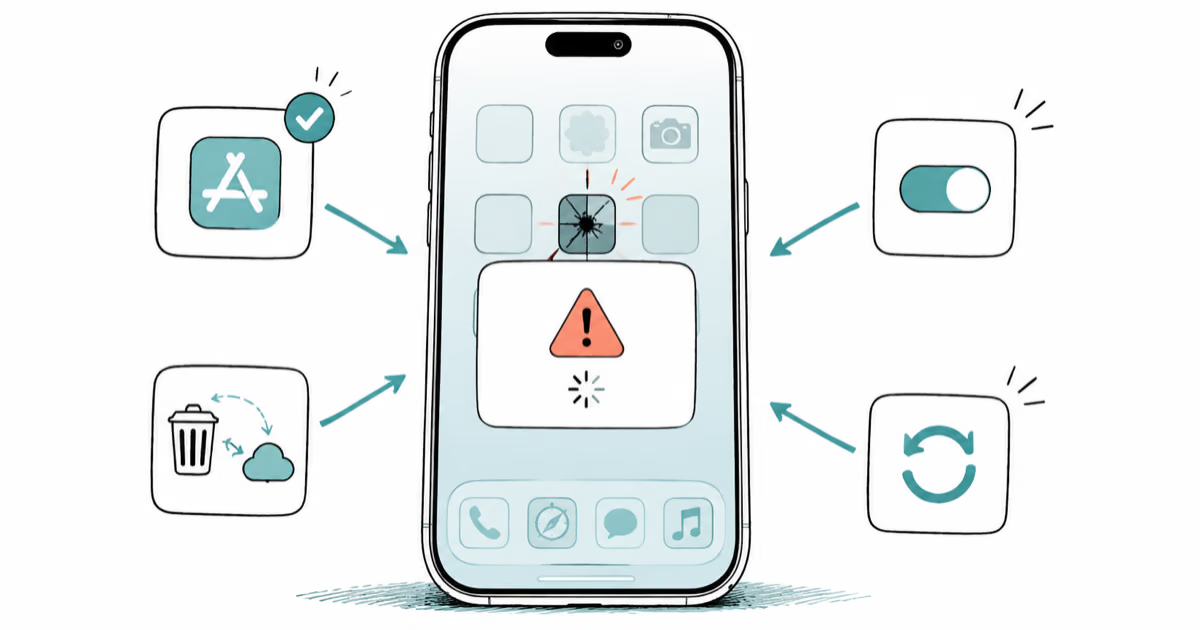
Apps Crashing After iOS 27 Update? Fix Order (2026)
Apps crashing after the iOS 27 update? Update the app in the App Store first, then offload and reinstall to clear stale cache, then restart. The fix order.
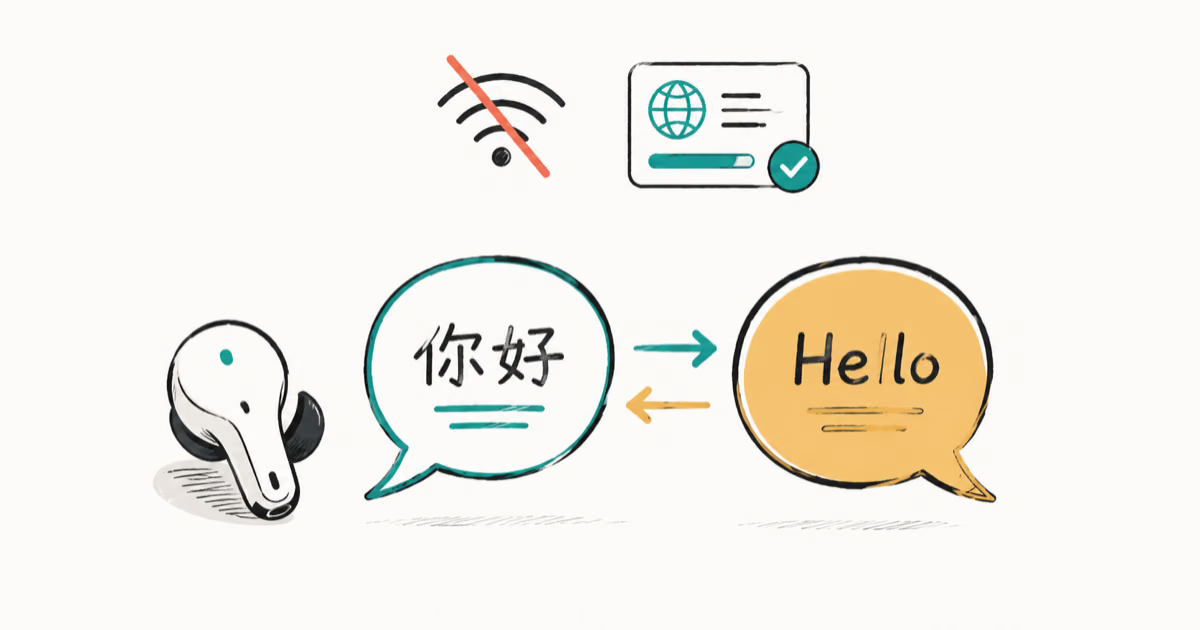
Do AI Translation Earbuds Work Offline? What to Know
Do AI translation earbuds work offline? A few do with downloaded language packs, but most need the cloud. Here's what works offline and what you give up.