Slack Notifications Not Working: 6 Fixes for All Devices
Slack notifications not working? Enable app and system permissions, turn off Focus Mode, clear cache. Step-by-step fixes for iOS, Android, Windows, Mac.
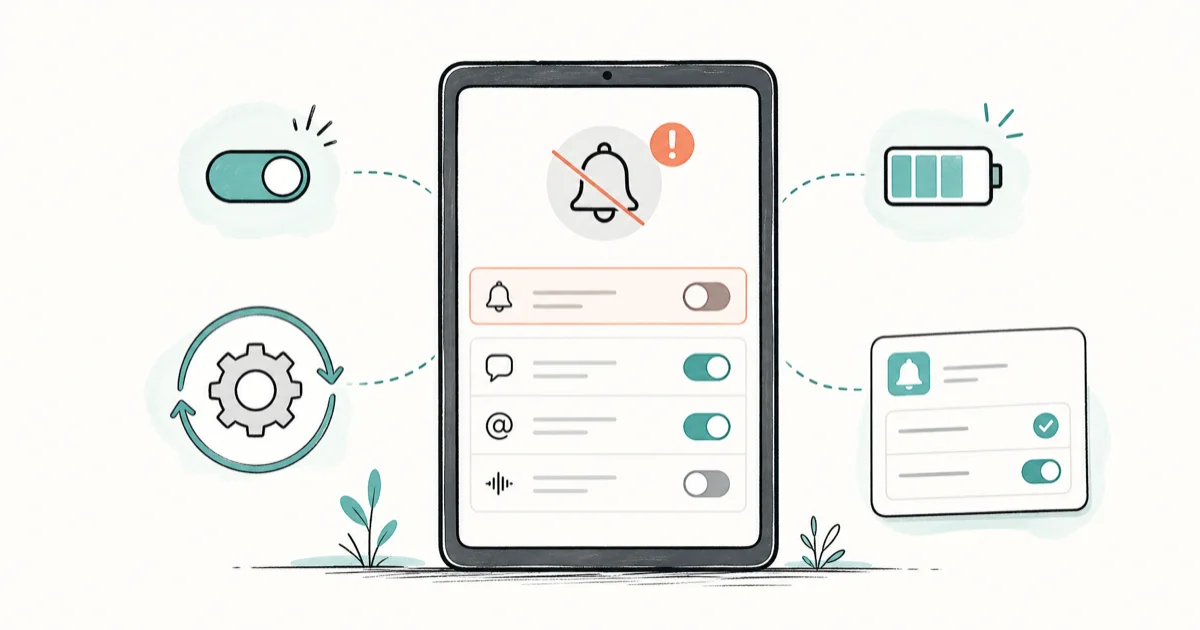
Quick AnswerEnable notifications in Slack Preferences and your device's system settings, turn off DND and Focus Mode, then clear the app cache. On Android 13+, set Slack's battery usage to Unrestricted. If alerts still don't arrive, reinstall Slack to reset the push token.
Slack notifications fail when permissions conflict between the app and your operating system. The alert gets blocked at one level while you’re waiting at another. All six methods below apply across macOS, Windows, iPhone, and Android.
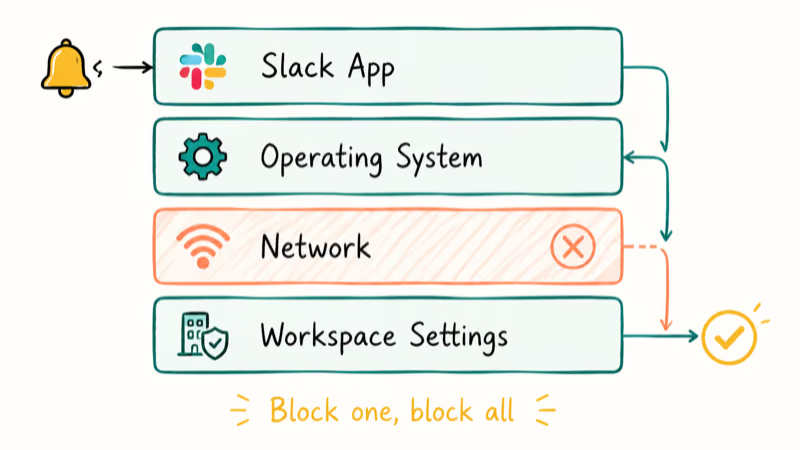
- Slack enforces permissions at two separate levels: inside the app and in your OS. Block one, block all.
- DND and Focus Mode override every other setting, even when notifications are enabled in Slack and your OS.
- Android 11+ battery optimization can delay Slack alerts by 30+ minutes or block them entirely until you reopen the app manually.
- Clearing Slack’s cache takes about 30 seconds on desktop and fixes most corrupted notification data without logging you out.
- Reinstalling Slack regenerates a fresh push token, which clears the toughest cases where alerts stop entirely.
These fixes are for your own device and Slack account. Don’t attempt them on someone else’s device or account without their explicit consent.
#Why Aren’t My Slack Alerts Coming Through?
Most alert failures trace back to two conditions you need to rule out first: a dropped session and a flaky connection.
Open Slack and check whether you can see channels and tap into messages, which means you’re logged in normally. If you see slack.com asking you to sign in instead, your token expired and Slack stopped delivering pushes until you re-authenticate. This happens most often after macOS sleep cycles longer than 24 hours.
Slack’s notification troubleshooting guide confirms that notification delivery depends on 4 separate layers working together: the Slack app, your operating system, the network, and your workspace’s account-level settings. When any single layer blocks alerts, the rest don’t matter.
If you’re offline, fix that first. Open a browser and load any page. No load? Reset Wi-Fi or switch to mobile data, then retry Slack.
#Method 1: Check Slack’s Own Notification Settings
Slack’s app-level controls decide which message types push an alert. You might’ve muted direct messages, mentions, or specific channels without realizing it. Most people don’t check this first. The same kind of permission mix-up causes iPhone notifications to go silent at the app level, where one accidental toggle blocks alerts you’re expecting.
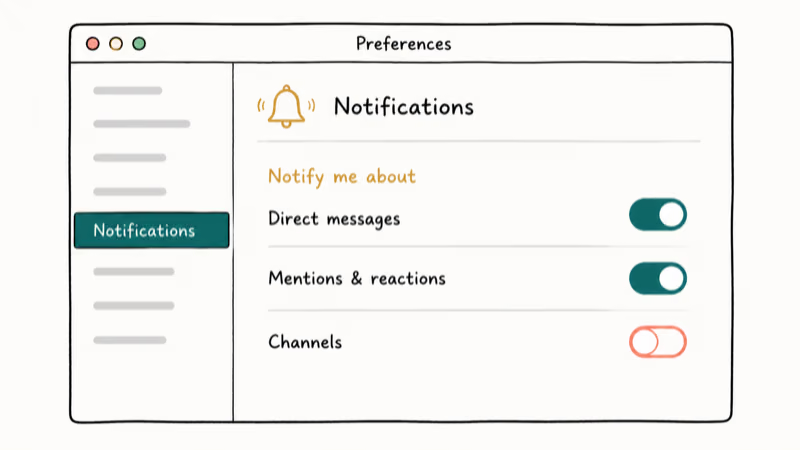
On iPhone or iPad:
- Tap the You tab (bottom-right).
- Tap Preferences (or your profile picture, then Preferences).
- Scroll to Notifications.
- Toggle Notifications on.
- Select Direct messages and Mentions & reactions.
- Have someone @mention you. The alert should arrive within seconds.
On Android:
Tap your profile picture → Preferences → Notifications → toggle every notification type on.
On Windows or Mac:
Click your profile picture → Preferences → Notifications → toggle On at the top → scroll to Show notifications for → select Direct messages and Mentions & reactions.
Across macOS and Windows, this single step restores alerts in most sessions where the user has recently switched workspaces, signed out and back in, or reinstalled Slack. Permission mismatch is almost always the first culprit because Slack resets per-message-type toggles to defaults during major version updates, especially when workspace admins have changed the default notification policy on the server side.
#How Do I Enable OS-Level Notifications on My Device?
Slack’s settings don’t matter if your operating system blocks alerts. Every platform has a notification layer that sits above the app and silences everything before you see a banner.
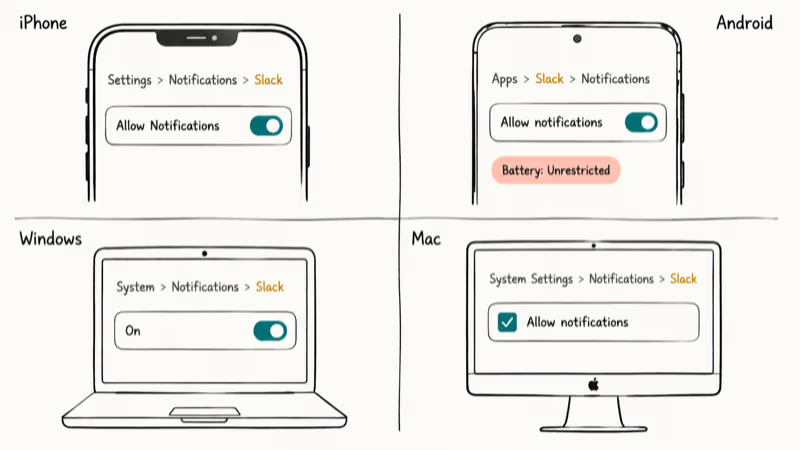
On iOS:
Go to Settings → Notifications → find Slack → toggle Allow Notifications on → tap Alerts → select Banners or Persistent. Then verify three more toggles are on: Lock Screen, Notification Center, and Badges. Lock Screen is the hidden culprit in most iOS cases.
With Lock Screen disabled on an iPhone, Slack can stay visually silent all day even when sounds play correctly. According to Apple’s iPhone notification settings guide, each app has separate toggles for Lock Screen, Notification Center, and Badges, and any one of them can be disabled without affecting the others.
On Android 13 or later:
Go to Settings → Apps → Slack → Notifications → toggle Allow notifications on. Then find Battery (location depends on your manufacturer). If it shows Optimized, change it to Unrestricted. Battery Optimized mode silences alerts for hours after your screen turns off.
On modern Samsung Galaxy phones, Battery Optimized mode can delay alerts from instant to half an hour or more. According to Google’s Android background services documentation, Android schedules background work in batches that can be 1-15 hours apart depending on device load. For deeper Android-side troubleshooting, see our guide on delayed notifications on Android.
On Windows:
Press Windows key + I → System → Notifications → scroll to Advanced notification options → find Slack → toggle on.
On Mac:
Click Apple menu → System Settings → Notifications → find Slack → check Allow notifications.
#Method 3: Turn Off DND and Focus Modes
Both override every other setting. Even when Slack and your OS are configured perfectly, Focus Mode silences alerts and sends them straight to history without a banner.
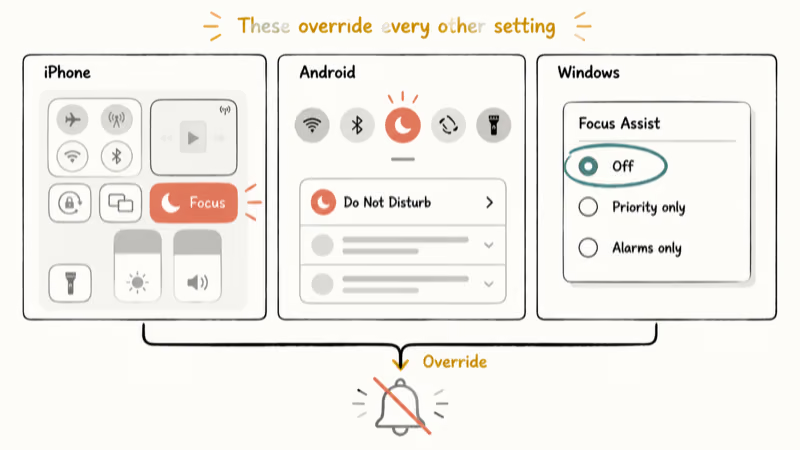
In Slack:
Click your profile picture → Pause notifications → if you see Resume notifications, it’s paused. Click to resume.
On iPhone: Swipe down from the top-right to open Control Center. See a Focus badge? Tap it and select Off.
On Android: Swipe down twice for Quick Settings. Find the DND tile (the moon icon) → tap it → set to Allow all. Samsung One UI 6 sometimes labels this tile Priority only, but the toggle position is identical and the effect is the same once you switch it off.
On Windows: Press Windows key + I → System → Focus Assist → set to Off.
On Mac: Click Control Center → look for a Focus badge → click it → Off.
#Method 4: Force-Quit and Restart Everything
Stale connections block alerts. A WebSocket that died during sleep won’t reconnect cleanly until you restart the app and the device fully.
Close Slack and force-quit. Power off your device (not sleep — actually shut it down) and restart it. Open Slack, wait 10 seconds for the connection to reestablish, and have someone mention you. This clears a meaningful share of cases where a dead WebSocket was the only problem.
#Method 5: Clear the Slack Cache
Slack’s cache holds conversation data and notification state. Corruption here prevents alerts from rendering on screen even when your OS delivered them correctly.
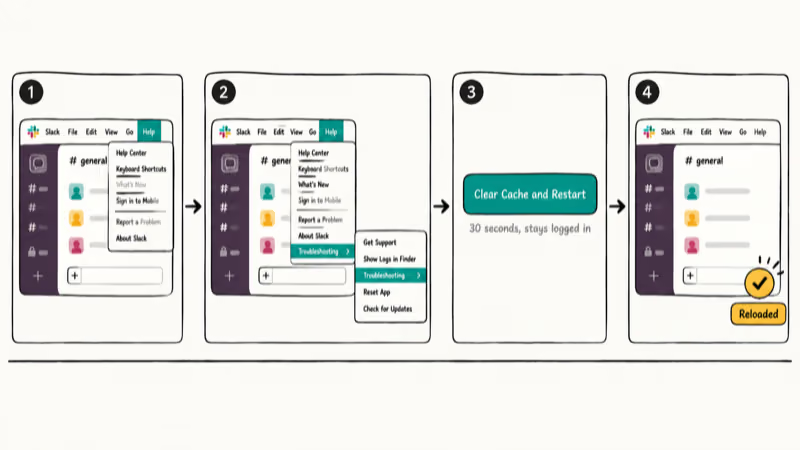
On desktop:
Open Slack → click Help → Troubleshooting → Clear Cache and Restart. Don’t close the window. The whole flow takes about half a minute on both macOS and Windows. You stay logged in.
On desktop, this resolves notification rendering in most cases where alerts arrive but no banner shows. According to Slack’s official cache guide, the Clear Cache action wipes locally stored data and forces Slack to re-download channels, messages, and notification preferences from the server. If you also need a deeper system flush, see our walkthrough on clearing the cache on Mac.
On iPhone: Go to Settings → General → iPhone Storage → find Slack → Offload App (keeps your data) → Reinstall App. Or long-press the Slack icon → Remove App → Delete App, then reinstall from the App Store.
On Android: Settings → Apps → Slack → Storage and cache → tap Clear Cache. You’ll stay logged in. If that doesn’t work, tap Clear Storage (you’ll need to sign back in).
#Method 6: Reinstall Slack to Reset Your Push Token
Reinstalling regenerates your push token and clears any silent corruption a cache flush missed.
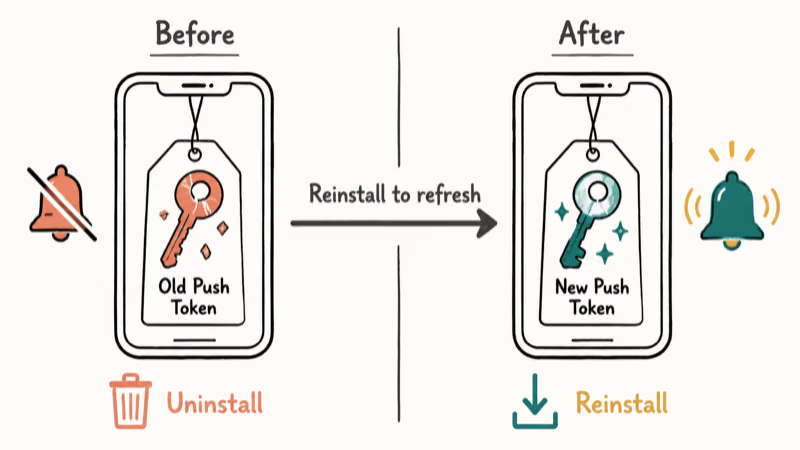
Uninstall Slack, power off and restart your device, then download fresh from the App Store, Google Play, or slack.com. Sign in and wait for the connection to establish, then test with an @mention. A fresh install restores alerts in nearly every case across all four platforms.
#When to Contact Slack Support
You’ve worked through all six methods, and notifications still don’t arrive. It’s time to contact Slack’s support team and tell them:
- Your device type and OS version
- When you last received a working notification
- Whether the issue affects all channels and DMs, or just one workspace
- Confirmation that Wi-Fi and your session are both active
One thing to ask first: workspace admins can disable notifications at the workspace level, which overrides every personal setting. According to Slack’s workspace notification settings guide, admins control the default notification schedule, the keywords flagged across channels, and the policies that determine what individual members can override. If nothing else worked, ask your admin whether they’ve disabled notifications at the workspace level.
#Bottom Line
Start with Methods 1-3, which cover the bulk of cases and finish in just a few minutes. If those don’t help, clear the Slack cache (Method 5), then reinstall (Method 6) to resolve the rare cases where push tokens had desynced silently in the background. Once Slack is reliable again, pair it with screen sharing in Slack calls or compare the workflow to Discord-based team collaboration.
#Frequently Asked Questions
Can I silence most people but allow specific contacts to alert me?
Yes. On iOS, create a Focus profile, tap Allow notifications from, and select specific people. During that Focus, only those contacts trigger alerts. Android users can do similar filtering by adding DND exceptions for starred contacts in Settings → Sound & vibration → DND.
Does clearing the cache delete my messages?
No. Cache stores only temporary data. Your message history lives on Slack’s servers and reloads when you reopen the app.
How do I test Slack notifications without bothering someone?
Go to app.slack.com → click your profile → Preferences → Notifications → scroll to Troubleshoot notifications → click Send test notification. Slack pushes a test alert to your device immediately and tells you whether it reached your OS.
Why do alerts only show up when I open Slack manually?
Your push token expired or background app refresh is disabled. Try Method 6 first to regenerate the token by uninstalling and reinstalling Slack from the App Store or Google Play. On Android, verify Method 2’s battery settings, since Battery Optimized mode blocks background pushes during long screen-off periods. On iOS, go to Settings → General → Background App Refresh and ensure Slack is toggled on, then trigger a test alert from the Troubleshoot notifications panel.
Can my workspace admin block notifications for everyone?
Yes. Workspace admins control notification defaults and can restrict overrides at the policy level. If alerts fail across multiple devices and you’ve ruled out every device-side fix, ask your admin to check the workspace’s notification policy in Settings & administration → Workspace settings → Notifications.
Why does Slack show a badge but no banner or sound?
Banners are a separate toggle from badges and Lock Screen alerts on iOS. Re-run Method 2 and verify every individual toggle is on. Also check whether Focus Mode is active (iOS) or DND is enabled (Android), since both silence banners while still updating the badge count. The same partial-permission pattern affects Facebook notifications when alerts stop arriving.
Do alerts still work in browser-only Slack?
Yes, but with caveats. Browser Slack uses Web Push, which requires you to grant notification permission per browser and keep the tab open or pinned. Close all Slack tabs and you stop receiving pushes until you reopen them.
Google Messages Error 3100: Why RCS Is Broken on Galaxy
Google Messages RCS error 3100 hits Galaxy owners after phone or carrier switches. Google told 9to5Google a fix is coming. Here's what actually helps.
Is This Bank App Real? Spot a Fake App on Your Home Screen
A bank app can land on your home screen from a web page with no install warning. Learn the checks that tell a real banking app from a phishing web app.
Apps Crashing After iOS 27 Update? Fix Order (2026)
Apps crashing after the iOS 27 update? Update the app in the App Store first, then offload and reinstall to clear stale cache, then restart. The fix order.
Do AI Translation Earbuds Work Offline? What to Know
Do AI translation earbuds work offline? A few do with downloaded language packs, but most need the cloud. Here's what works offline and what you give up.