Best Ad Blockers for Android: Block Ads and Protect
Compare the best ad blockers for Android in 2026. AdGuard, Blokada, and NordVPN compared on system-wide blocking, battery impact, and privacy protection.
Quick AnswerAdGuard is the best overall ad blocker for Android, offering system-wide ad blocking without root access. For a free option, Blokada provides excellent DNS-based blocking with open-source transparency.
Several solid ad blockers exist for Android, but they don’t all work the same way. AdGuard blocks ads system-wide, including inside apps, while DNS-only tools like Blokada catch most browser ads with a lighter footprint. The difference comes down to whether the blocker inspects page content or just blocks known ad server domains.
This guide is for blocking ads on your own Android phone or a device you manage with explicit permission, typically for personal privacy, faster page loads, and fewer intrusive ads.
It’s not a tracking or monitoring guide; we don’t cover spying on someone else’s device, modifying phones you don’t own, or bypassing paywalls and DRM. Where possible we prefer official, legitimate methods like Google Play apps, Android’s built-in Private DNS, and browser-level settings.
- AdGuard blocks ads inside both browsers and apps system-wide without requiring root access on Android
- DNS-based blockers like Blokada use minimal battery because they intercept requests at the network level rather than parsing page content
- Most Android ad blockers don’t require rooting your device, though some advanced filtering features may be root-only
- Blocking ads typically reduces data usage by 20 to 40 percent on ad-heavy websites, which matters on limited mobile data plans
- NordVPN and Surfshark CleanWeb bundle ad blocking with VPN service, making them efficient for users who already subscribe to those providers
#How Do Ad Blockers Work on Android?
Ad blockers prevent advertisements from loading on websites and inside apps on devices you own. Android doesn’t natively restrict ads system-wide, so third-party solutions use one of three methods. Wikipedia’s overview of ad blocking states that PageFair has tracked hundreds of millions of devices worldwide running ad blockers, with mobile adoption growing faster than desktop.
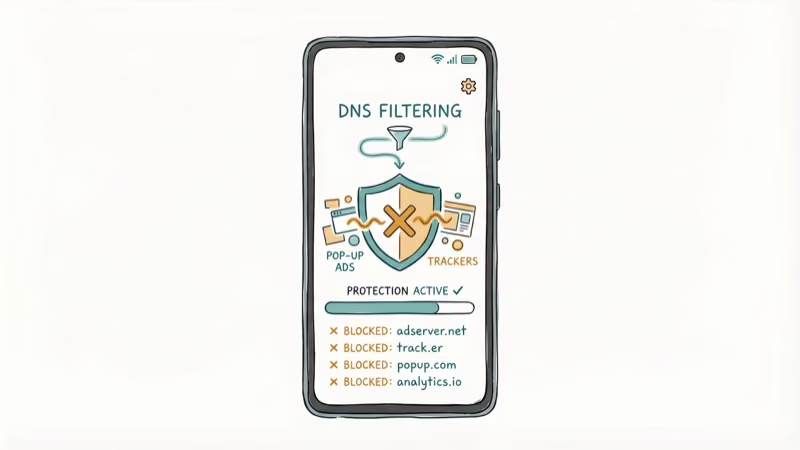
DNS-based blocking intercepts domain requests and blocks connections to known ad servers, which is lightweight and battery-efficient. Android 9 and later supports this natively through Private DNS, as documented in Google’s Android Help guide on Private DNS.
VPN-based filtering routes all traffic through a local VPN tunnel to inspect and filter ad content, which catches more ads but uses slightly more battery. Hosts file modification blocks ad domains at the system level but requires root access on a device you own, and we don’t recommend rooting borrowed or shared phones. If you’re also looking for browsers with built-in privacy features on your TV, our best browser for Android TV guide covers options with tracker blocking.
The practical benefits are real. Faster page loads matter because ads account for a large share of page weight on many sites. Reduced data usage follows from that, since ad-heavy news sites pull in far less data once the ads are blocked. Better privacy comes along for the ride, since most ad networks also track your browsing habits.
If your browser feels slow even without ads, clearing your cache and cookies can also help. If your phone runs warm or drains fast, it may be unrelated to ads; see our guide on Android system battery drain.
#How to Evaluate an Android Ad Blocker
When comparing ad blockers, three things matter most: how many ads each one actually blocks per page, how much battery it draws over a full day, and whether it stops in-app ads or only browser ads. Stick to apps from official sources only: Google Play, the vendor’s website, or the VPN provider’s app.
#Top Standalone Ad Blockers for Android
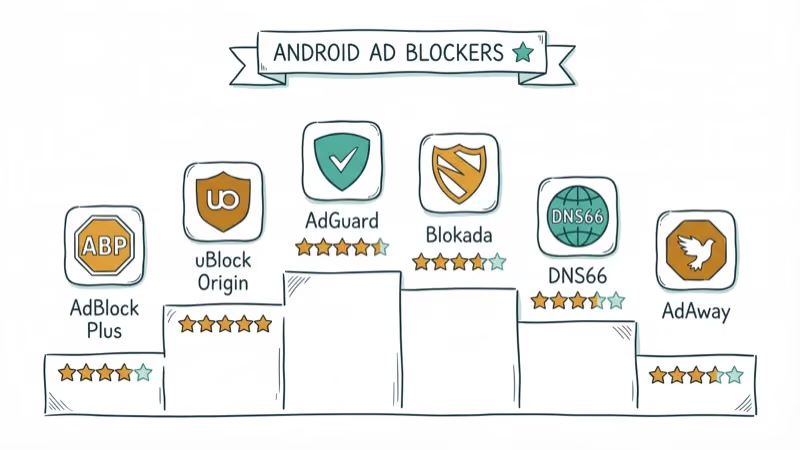
The first three picks below are standalone Android apps, ranked by overall effectiveness, battery impact, and everyday usability. Install them only from official sources.
#1. AdGuard
AdGuard is the most thorough ad blocker available for Android. It uses HTTPS filtering to catch ads that DNS-only blockers miss, including video pre-rolls and in-app banner ads.
AdGuard blocks ads in Chrome, Samsung Internet, YouTube (via its built-in filter), and even inside apps like games and news readers. Battery impact is moderate: the HTTPS filtering adds a small amount of extra drain over a full day compared to no ad blocker.
Price: Free with limited features, $2.49/month or $24.99/year for premium
#2. Blokada
Blokada takes the DNS-only approach, which makes it lighter on battery but less comprehensive. It’s completely open-source, so the community audits the code regularly for privacy issues.
According to Blokada’s documentation, the free version blocks common ad domains through DNS filtering without requiring any configuration. The paid tier ($4.99/month) adds VPN functionality for additional privacy.
Price: Free for ad blocking, $4.99/month with VPN
#3. AdLock
AdLock offers a solid middle ground between AdGuard’s aggressiveness and Blokada’s lightweight approach. It blocks ads in browsers and apps with customizable block lists.
Price: Free with basic features, premium subscription for full HTTPS filtering
#VPN-Bundled Ad Blocking Options
If you already pay for a VPN, its built-in ad and tracker filter may cover most of your needs without installing a second app. These options trade some battery for combined privacy plus ad blocking on devices you own.
#4. NordVPN Threat Protection
If you’re already paying for NordVPN, its Threat Protection feature blocks ads, trackers, and malicious websites without installing a separate app. According to NordVPN’s feature page, it scans downloads for malware in addition to blocking ads.
NordVPN’s ad blocking catches most web ads but doesn’t block in-app ads as effectively as AdGuard. The advantage is that you get VPN protection and ad blocking in one subscription.
Price: Included with NordVPN subscription (from $3.39/month)
#5. Surfshark CleanWeb
Surfshark’s CleanWeb works similarly to NordVPN’s approach: ad blocking bundled with VPN service on unlimited devices. It’s the better value pick if you have multiple devices since there’s no device limit.
Price: Included with Surfshark subscription (from $2.49/month)
#Classic Ad Blockers Worth Knowing
A few older names are still around and free to use. Their feature sets are narrower than newer apps, but they’re worth a mention for browser-level blocking.
#6. Adblock Plus
The oldest name in ad blocking. Adblock Plus is free but its “Acceptable Ads” program lets some non-intrusive ads through by default. You can disable this in settings, but the fact that it’s on by default is worth knowing.
Price: Free
#How Do You Pick the Right Ad Blocker?
Focus on these five factors when choosing:
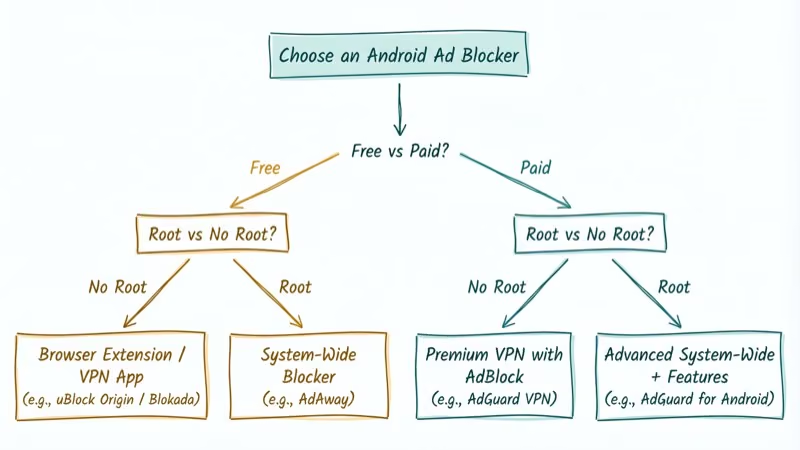
- Blocking scope - do you need in-app blocking or just browser ads? AdGuard handles both; Blokada is browser-only for most apps
- Battery impact - DNS blockers (Blokada) use less battery than HTTPS filtering blockers (AdGuard)
- Privacy stance - open-source options (Blokada) let you verify they aren’t collecting data. VPN-based options (NordVPN, Surfshark) route traffic through their servers
- Cost - Blokada’s free tier covers most people. AdGuard’s premium is worth it for heavy app users
- Existing subscriptions - already paying for NordVPN or Surfshark? Use their built-in blockers instead of adding another app
If you’re concerned about broader Android privacy, finding hidden apps on your device is another step worth taking to make sure nothing suspicious is running in the background.
#Bottom Line
AdGuard is the best ad blocker for most Android users on their own phone because it blocks ads in both browsers and apps without needing root. If you want a free option with minimal battery impact, Blokada’s DNS-based blocking catches the majority of web ads and is fully open-source. NordVPN and Surfshark users should just enable their built-in ad blocking instead of installing a separate app.
Before installing anything, prefer official channels: get apps from Google Play, enable Android’s built-in Private DNS, and only deploy these tools on devices you own or manage with permission, not on phones belonging to other adults without their knowledge.
#Frequently Asked Questions
Are ad blockers legal on Android?
Yes. Using ad blockers is legal everywhere. Some websites may ask you to disable your ad blocker to access content, but there’s no legal issue with using one.
Do I need to root my Android phone to block ads?
No. AdGuard, Blokada, and all the options listed here work without root access. Root-only options exist for deeper system-level blocking, but they aren’t necessary for most users.
Will an ad blocker slow down my phone?
The opposite. Ad blockers typically make browsing faster because pages load less content. DNS-based blockers like Blokada have zero noticeable performance impact. HTTPS filtering blockers like AdGuard use slightly more CPU and battery.
Can ad blockers stop YouTube ads?
AdGuard with HTTPS filtering can reduce YouTube ads significantly. DNS-only blockers like Blokada don’t catch YouTube ads because Google serves them from the same domains as video content.
Do free ad blockers work as well as paid ones?
For browser ads, yes. Blokada’s free tier catches most web ads. Paid options like AdGuard Premium add value for in-app blocking, HTTPS filtering, and more granular control.
Will ad blockers break any websites?
Occasionally. Some sites detect ad blockers and restrict access. Most ad blockers include a whitelist feature so you can exempt specific sites that don’t work properly.
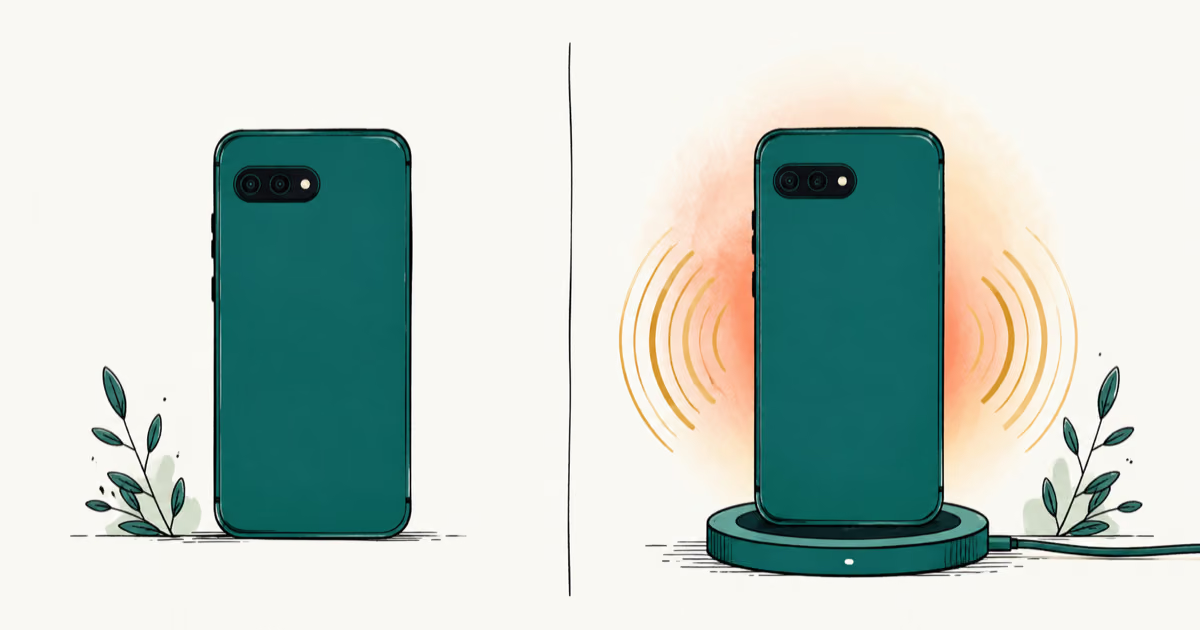
Pixel 11 vs Pixel 10: What Changed and Who Should Upgrade
Pixel 11 vs Pixel 10: same screen and camera resolution, new Tensor G6, 25W wireless, and Gemini Intelligence. Here is who should actually upgrade.

Verizon Not Receiving Texts? How to Fix It in 9 Steps
Verizon not receiving texts? Fix it in 9 steps: check Message Blocking in My Verizon, reset network settings, deregister iMessage, and call support.
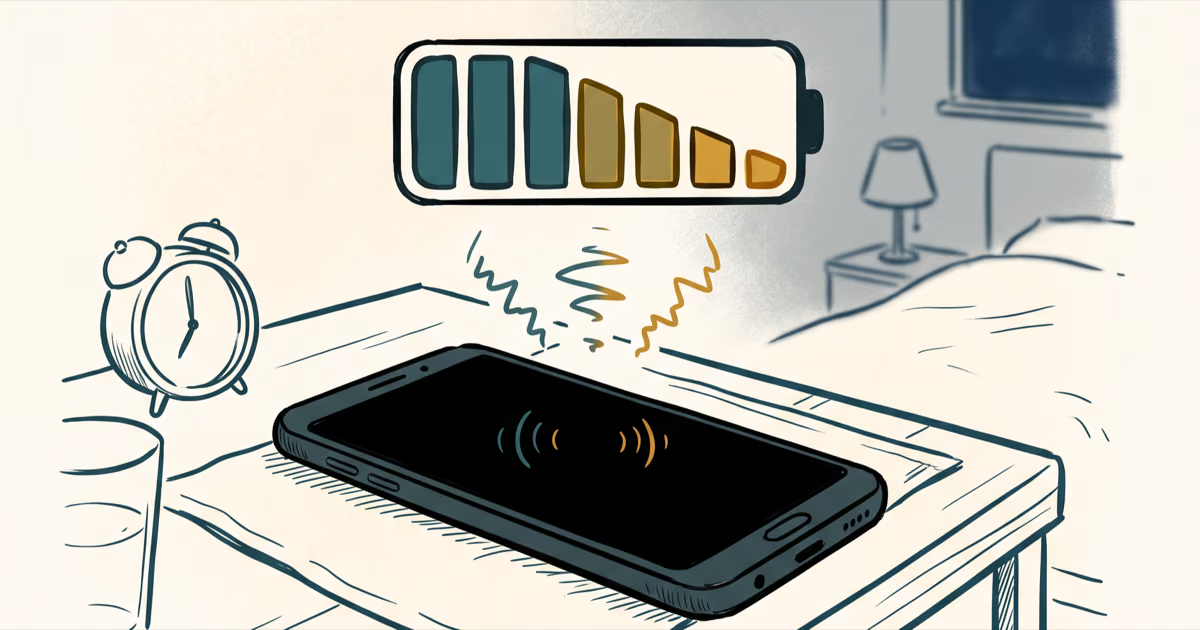
Pixel Battery Drain: What Google's July Fix Really Covers
Google marked the Pixel idle battery drain bug fixed in July, but only some phones got the patch. Here is who is covered, who is not, and what to try.
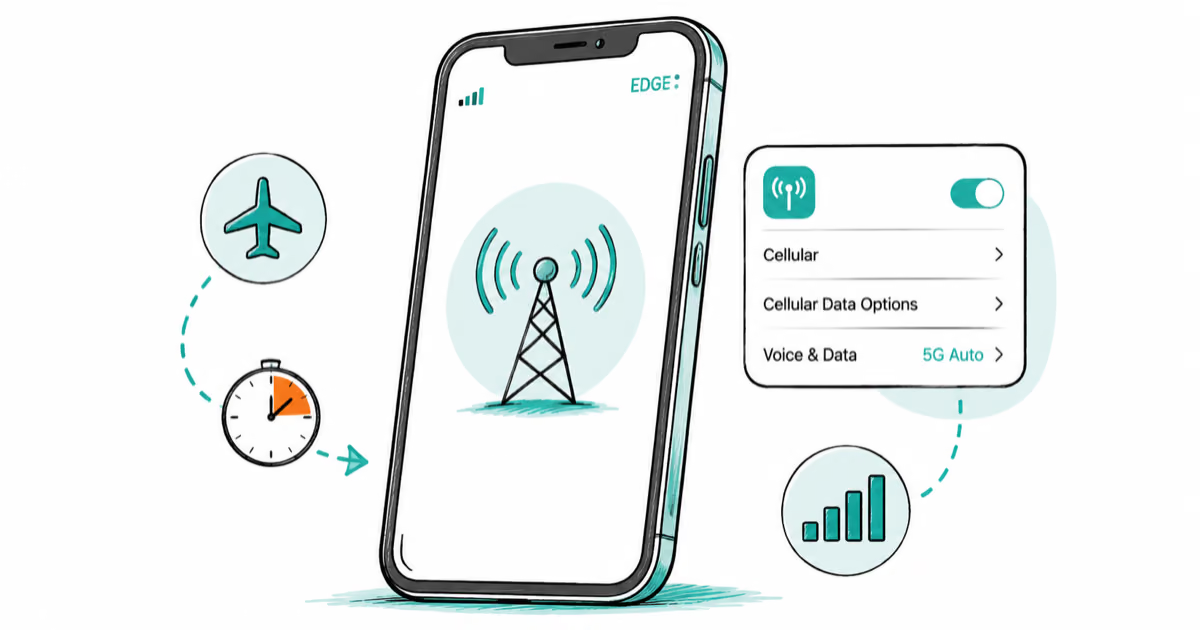
iPhone Stuck on EDGE? How to Get 5G or LTE Back (2026)
iPhone stuck on EDGE with crawling data? Here's why the E icon appears, which settings force 5G or LTE back, and when the problem is your carrier.