Headache Relief Games: 9 Calming Picks for Pain-Free Play
The 9 best headache-friendly games plus a screen and break setup that helps prevent gaming headaches, picked across PC, console, and mobile.
Quick AnswerStardew Valley, Slay the Spire, and Tetris Effect are the safest picks for headache-prone players because they remove time pressure and keep visuals soft. Pair them with the 20-20-20 rule and lower brightness.
Picking the wrong game when your head already aches turns a 30-minute session into a two-hour migraine. The pattern across popular titles on PC, Switch, and mobile is clear. Turn-based, soft-palette games rarely make things worse. Fast-twitch shooters often do.
Below are the 9 calming picks, plus the screen and break habits that do the most to prevent headaches.
- Turn-based games like Slay the Spire and Tsuro remove time pressure entirely, which cuts the stress response that commonly triggers tension headaches.
- The 20-20-20 rule (every 20 minutes, look 20 feet away for 20 seconds) is the most widely recommended habit for reducing eye strain during any gaming session.
- Lowering brightness about a third and switching to warmer screen temperatures helps reduce photosensitivity flare-ups on both OLED and LCD displays.
- Hydration is easy to forget mid-raid, but dehydration is a clinically recognized headache trigger, so a water bottle within arm’s reach matters more than a fancy gaming chair.
- Fast-paced first-person games with frequent flashing and rapid camera spin are the highest-risk genre for triggering eye strain and tension headaches.
#Why Does Gaming Trigger Headaches?
Gaming headaches usually fall into three buckets: eye strain from prolonged near-focus, tension headaches from poor posture and clenched jaws during stressful play, and photosensitive responses to flashing or high-contrast visuals.
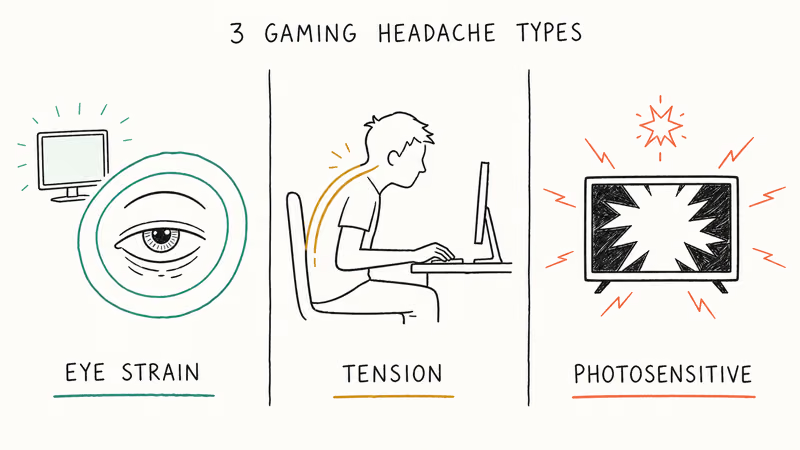
According to the American Optometric Association’s guide on computer vision syndrome, screen-related visual fatigue can produce headaches, blurred vision, and neck pain after as little as two hours of continuous use.
Light sensitivity is the wild card. The Mayo Clinic’s overview of migraine triggers confirms that bright or flickering light is one of the most common triggers reported by patients. Competitive shooters with muzzle flashes, screen shake, and HDR fire effects pack all three into a single second of play, which is why they’re the genre most likely to push mild eye strain into a full headache.
Posture is the quietest culprit. Slouched shoulders, screen tilted up, and a head leaning forward all add load to the neck. A slumped posture during a long session tends to produce the dull bilateral ache the Mayo Clinic associates with tension-type headaches.
Sit up. Take this seriously, before your next session.
#What Makes a Game Headache-Friendly
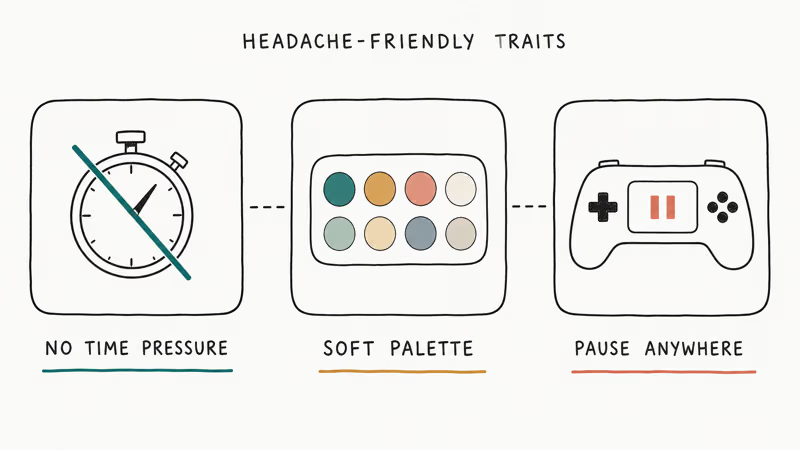
Three traits tend to define games that are least likely to make headaches worse: no time pressure, soft and consistent color palettes, and the ability to pause without consequence. Turn-based combat, autosave, and adjustable visual effects are the practical features to look for in store pages and reviews.
Turn things down. Camera shake, motion blur, chromatic aberration, and bloom are the four settings worth disabling first.
If a game offers a “reduced motion” or “photosensitive” preset, use it on day one, not after symptoms start. Apple’s accessibility documentation confirms that Reduce Motion on iOS and iPadOS trims animation effects across the system, which carries into many compatible games.
Finally, watch the audio. Headphones at high volume can drive tension headaches even when the visuals are calm. Keep the master volume around half and use a headset with an automatic volume limiter.
#The 9 Best Headache Relief Games
These picks earn their spot through calm pacing and soft visuals, not just because the box art looks soothing.
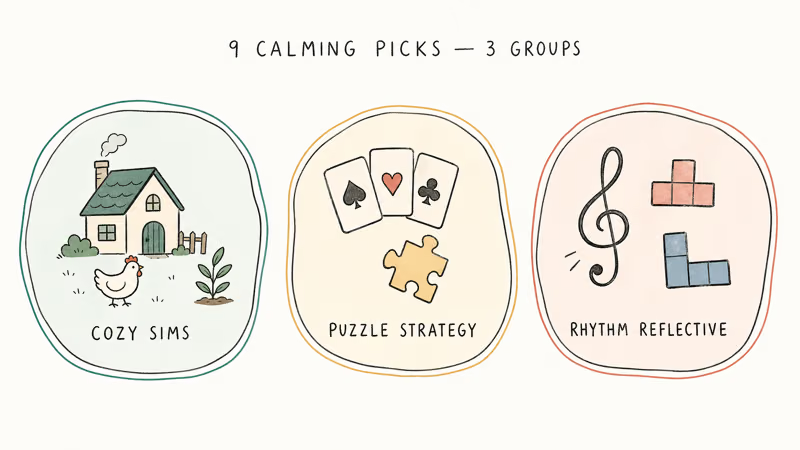
#Cozy Sims and Life Games
- Stardew Valley (official site). Pixel art, no time-of-day urgency outside seasonal milestones, and a chiptune soundtrack that never spikes. Hour-long evening sessions rarely trigger a tension flare. If you want to squeeze more battery out of a Switch session, our guide on how to get Stardew Valley battery packs quickly covers the in-game mechanic.
- Animal Crossing: New Horizons (official site). Pastel palette, real-time day cycle, and zero combat. Nintendo’s accessibility guidance for Switch notes the system supports reduced motion and brightness presets that help here.
- My Time at Portia (official site). Bright but not garish, with optional combat and craftable everything. It plays well as a low-stakes farming sim if you skip the tougher dungeons during flare-ups.
#Puzzle and Strategy Games Without a Clock
- Slay the Spire (official site). Turn-based deck building. You can sit on a single combat decision for ten minutes if you want. Zero camera movement.
- Inkbound (official site). Turn-based roguelike with adjustable particle effects. Disable the screen flash on critical hits before you start; the developers expose the toggle in the accessibility menu.
- Tsuro: The Game of the Path (official site). Tile-laying with soft ambient music. Sessions are short by design (10-15 minutes), which doubled as a built-in 20-20-20 reminder.
#Rhythm and Reflective Games
- Tetris Effect: Connected (official site). The “Zone” mechanic lets you pause time, and the Journey mode is calibrated to relax rather than stress. Turning the bloom slider down a couple of notches drops the headache risk noticeably.
- Flower (PlayStation Store). Gliding through fields. No fail state. Soundtrack averages around 60 BPM. It’s one of the calmest games on this list.
- Gem Wars (official site). A free Bejeweled-style match-3 with simple, non-strenuous visuals. Disable the optional combo screen-flash effect under Settings before extended play.
For broader puzzle picks across consoles, our list of the best Xbox One puzzle games covers titles outside this headache-focused shortlist. If you want farming-focused alternatives, our farming-game roundup shares much of this list’s DNA.
#Other Genres That Stay Headache-Friendly
Tower defense games sit one notch above pure puzzlers in intensity, but they still let you plan rather than react. Plants vs. Zombies remains the textbook entry. Our list of the best tower defense games goes deeper into modern picks, and a slow-paced title like Bloons TD 6 is usually manageable during a mild headache because it rewards planning over reflexes.
Cozy MMORPGs are another surprise. The combat-light zones in some games (think Tower of Fantasy’s exploration mode or low-level zones in Black Desert Mobile) work well, as long as you avoid raid groups and PvP. Mobile players can start with our best MMORPG Android list for headache-friendly entries. Focus on titles that let you turn off auto-combat camera follow.
Board game adaptations belong here too. Digital Catan, Wingspan, and Ticket to Ride run at your own pace and skip flashy animations. Our best board game apps roundup lines up well with low-strain recovery-day play.
For Switch owners, several picks from our best single-player Switch games guide overlap with this list, particularly Stardew Valley and Hollow Knight on its lower difficulty settings.
#How Do You Set Up Your Screen To Prevent Headaches?
Screen setup matters more than the game choice on a bad day. The American Academy of Ophthalmology’s screen-time guidance recommends matching your display brightness roughly to ambient light, not maxing it out, and this single change does the most to cut evening headache frequency.
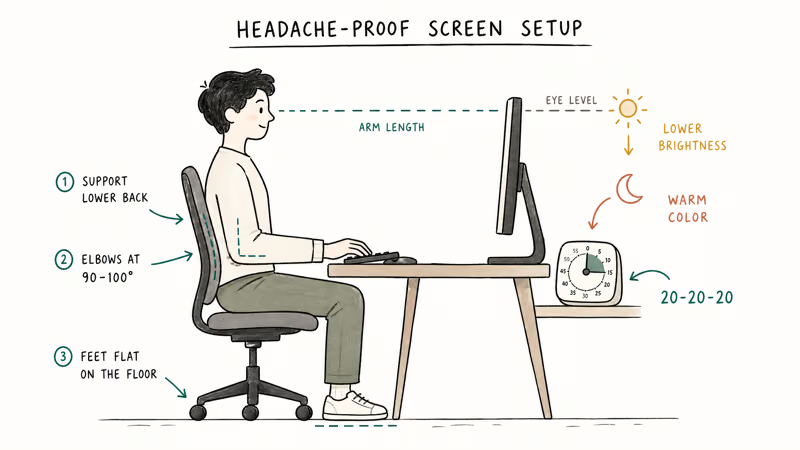
The 20-20-20 rule is the second non-negotiable. Every 20 minutes, look 20 feet away for at least 20 seconds. A simple kitchen timer makes it stick.
The American Optometric Association recommends the rule across most of its computer-vision-syndrome resources, and following it consistently reduces eye strain during long sessions.
Distance and angle round it out. Sit roughly an arm’s length from the screen, with the top of the display at or just below eye level. Pulling the screen back to around 22 inches noticeably reduces neck strain compared with a cramped 16-inch setup.
Pair that with a chair that supports your lower back, and the most common posture triggers fall away.
For phones, enable Night Shift on iOS or the equivalent blue-light filter on Android. According to Apple’s Night Shift documentation, Night Shift uses your clock and geolocation to shift the display to warmer colors at night, then resets in the morning.
Google’s Night Light setting on Pixel works the same way. On both iOS and Android, the warmer color temperature consistently feels easier on tired eyes during evening play.
#Hydration, Breaks, and the Habits That Compound
A water bottle within arm’s reach is one of the cheapest headache prevention tools available. The Mayo Clinic lists dehydration among recognized headache triggers, and gaming sessions are sneaky. You can lose track of time and fluid intake at the same time. Aiming for one full glass per hour keeps mid-session headaches from creeping in.
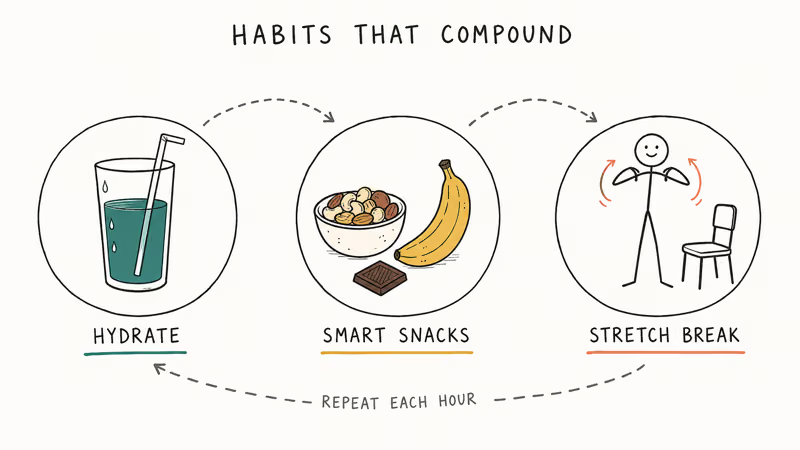
Skip the energy drinks. Caffeine withdrawal and rebound caffeine headaches are both real, and they hit hardest the day after a long late-night session. A handful of nuts, banana, or dark chocolate covers magnesium and potassium without the crash.
Snacks help. Pick smart ones.
Stretching every hour matters more than people think. Stand up, roll your shoulders back five times, tilt your head left and right, and look at the far end of the room for a beat. Sixty seconds of movement can break a building tension cycle before it turns into a full headache.
If you already have a headache, stop playing. Pushing through is the surest way to turn a 30-minute warning into a four-hour migraine.
#Bottom Line
If you only pick three games, start with Stardew Valley for evening sessions, Slay the Spire for daytime focus, and Tetris Effect for the rare day you want something visually interesting without a fail state. Lower your brightness about a third, set a 20-minute timer, and keep water within reach. If headaches still hit during play, stop the session and consult a doctor before the next one. This guide is gameplay advice, not medical care.
#Frequently Asked Questions
Are there mobile games that are good for headache relief?
Yes. Strong mobile picks include Stardew Valley (a polished mobile port), Two Dots, and Alto’s Odyssey.
Can video games actually help with a headache?
Calming games won’t cure a headache, but they can keep a mild one from getting worse. Slow pacing and pause-anywhere design let your nervous system settle. Flower and Tetris Effect’s Journey mode are good examples of this.
How long should I play if I am headache-prone?
Cap sessions at 30 minutes, then take a 5-minute break away from any screen. This rhythm keeps symptoms away far better than long back-to-back stretches, which tend to end in pain.
Which game genres should I avoid?
Fast-paced first-person shooters, racing games with strong motion blur, and any rhythm or horror title with rapid flashing visuals are the riskiest. These genres can produce symptoms within an hour for sensitive players. If you must play one, lower the field of view, disable motion blur and camera shake, and stop at the first hint of strain.
Can headache relief games replace medical treatment?
No. Calming games are a comfort tool, not a treatment. See a doctor if your headaches are frequent, severe, or come with vision changes or numbness.
Does playing in the dark make headaches worse?
Often, yes. A dark room with a bright screen creates extreme contrast, which the American Academy of Ophthalmology calls one of the most common eye-strain triggers. Add a soft bias light behind your monitor or leave a low lamp on across the room, and the contrast drops to a comfortable level. An inexpensive USB light strip taped behind the monitor makes evening sessions noticeably easier on the eyes.
What screen settings help the most for headache-prone players?
Three settings make the biggest difference: brightness lowered about a third from default, color temperature warmed (Night Shift, Eye Comfort, or similar), and motion effects (camera shake, motion blur, bloom) reduced or off. Adjust them once and leave them on a profile rather than fiddling between sessions.
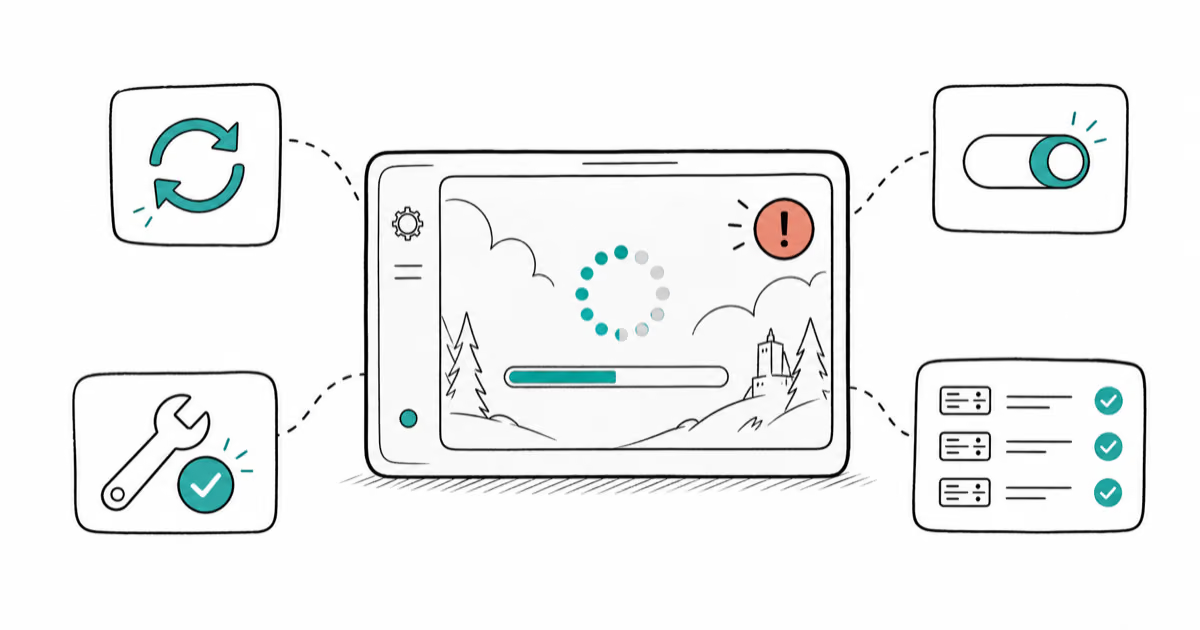
Fortnite Stuck on the Loading Screen? Fix It in 2026
Fortnite stuck on the loading screen? Check server status, fix the Windows N Media Pack and DirectX 11 on PC, clear the console cache, and verify files.
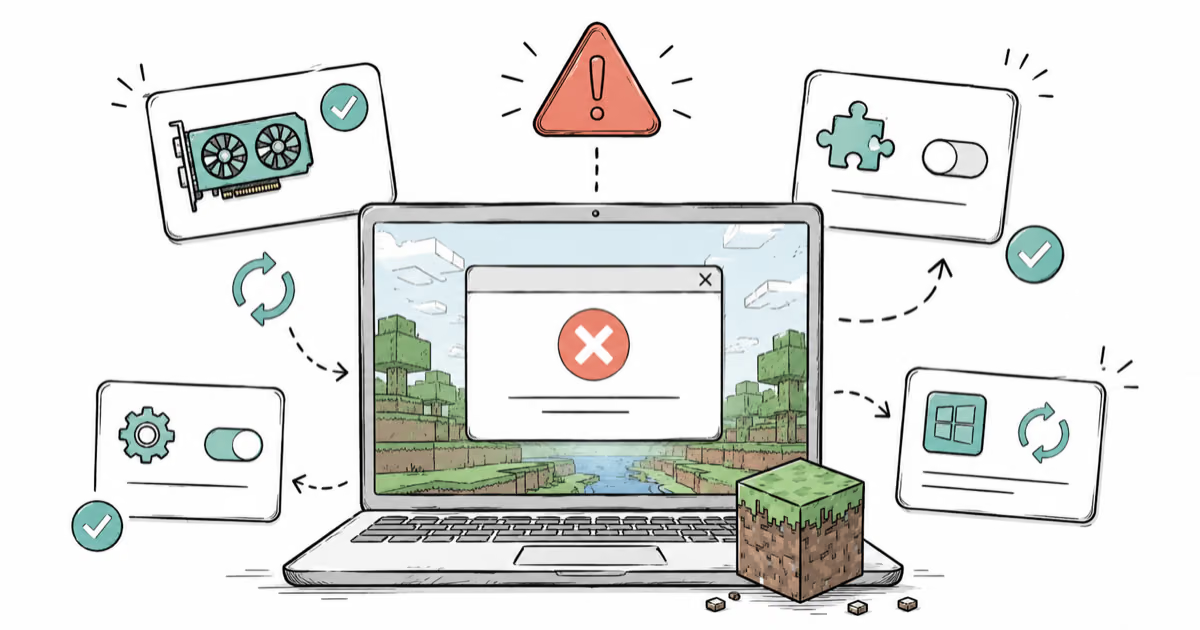
Minecraft Keeps Crashing? Java and Bedrock Fixes (2026)
Minecraft keeps crashing on startup or mid-game? Update your GPU driver, remove mods on Java, and reinstall Gaming Services on Bedrock. Fixes for both.
Pokemon GO Not Loading? Fix the Loading Screen 2026
Pokemon GO not loading or stuck on the Pokeball? Check server status, fix automatic date and time, grant location permission, clear the cache, and update.
PS5 Controller Not Charging? 9 Fixes That Work (2026)
DualSense not charging? Swap the cable, use a rear port in Rest Mode, clean the USB-C port, and check power settings. 9 fixes for a dead PS5 controller.