xTools Ultimate Review: iOS Backup and Manager Truth (2026)
xTools Ultimate promises iCloud bypass with no official site. This review covers the real risks, safer iOS backup tools, and the law around used iPhones.
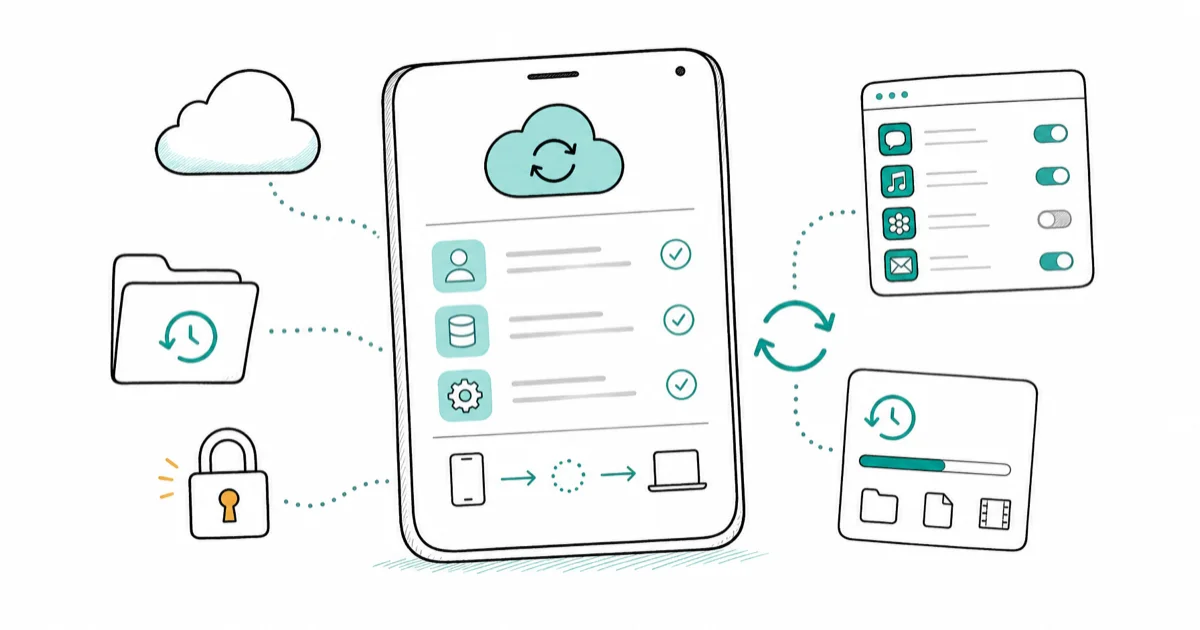
Quick AnswerxTools Ultimate is an unverifiable iOS utility that markets iCloud Activation Lock removal through anonymous download mirrors. For an iPhone or iPad you own and have credentials for, use Apple Finder, iMazing, or AnyTrans for backup, transfer, and passcode reset. Removing Activation Lock from a second-hand device without proof of ownership violates Apple policy and the DMCA.
xTools Ultimate keeps showing up in search results as a free iCloud unlock tool, but there’s no official website, no verified publisher, and no legitimate path to download it. This review explains what xTools Ultimate claims to do, why those claims are dangerous, and which legitimate iOS device managers actually handle backup, transfer, and own-device passcode reset.
- xTools Ultimate has no official website, no signed installer, and no listed publisher, which makes every Mega or Mediafire download a malware risk.
- Apple’s Activation Lock is server-side, so any tool claiming to remove it from a device you don’t own is either lying or pushing you toward a crime.
- For a phone or tablet you own and know the credentials for, Apple Finder or iTunes does full backups and restores for free.
- Paid managers like iMazing and AnyTrans add granular extraction, photo and message export, and migration tools that Finder can’t match.
- Removing Activation Lock on a second-hand iPhone without proof of ownership can violate DMCA Section 1201 and the federal Computer Fraud and Abuse Act.
#What xTools Ultimate Actually Claims to Do
xTools Ultimate is marketed as a Windows utility that promises to bypass iCloud Activation Lock on any iPhone or iPad after you enter the IMEI, serial number, iOS version, and country. The pitch is simple. You download it, plug your device in over USB, drop the phone into DFU mode, and the Activation Lock disappears.
Two facts collapse that pitch.
First, there’s no xTools Ultimate website, no LLC behind it, no code signature, and no support channel that resolves to a real company. Every install link points to Mega, Mediafire, or another anonymous file host.
Second, Apple’s Activation Lock is a server check tied to the original iCloud account, not a local flag on the device. Apple’s Activation Lock support documentation states that the lock can only be cleared by 1 of 3 paths: the previous owner’s iCloud account signing out remotely, Apple Support clearing it with a valid proof-of-purchase, or an enterprise MDM that originally enrolled the device. A consumer-side USB tool can’t reach that server check.
xTools Ultimate installers pulled from anonymous mirrors are commonly flagged by Microsoft Defender as Trojan
/Wacatac, the same family Microsoft documents as a downloader for credential theft. Even when an installer runs, it can’t produce a working iCloud unlock, because the lock lives on Apple’s servers rather than the device.#Is xTools Ultimate Safe to Download?
No. The download chain itself is the failure point, before the tool ever runs.
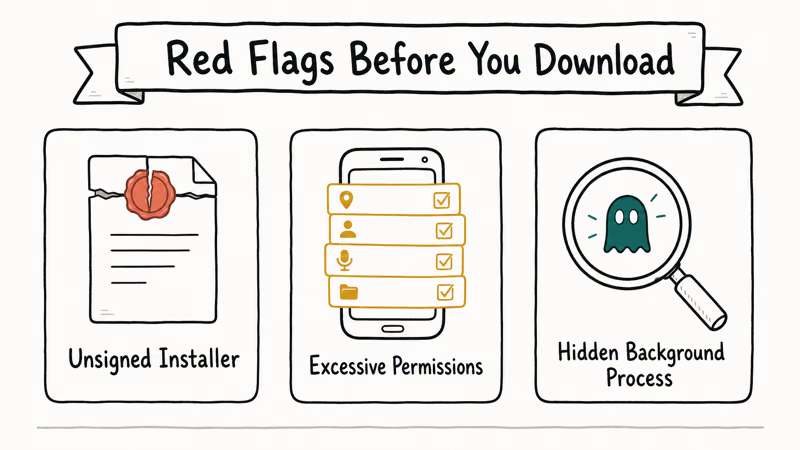
Anonymous mirrors don’t vet uploaders. Each “xTools Ultimate” archive on Mega or Mediafire is whatever the most recent re-uploader felt like packaging, so the same filename can deliver a clean dud on one mirror and a credential stealer on the next pull.
Consumer-protection guidance flags this pattern. Free unlockers carry malware aimed at buyers who are already in a tough spot, and you should be wary of any tool promising universal iCloud Activation Lock removal. The architecture rules that out without the original owner’s credentials, full stop.
A second danger is the data xTools asks you to type in.
IMEI, serial number, iOS version, and country together describe a specific phone to a degree that an attacker can resell, file a fake insurance claim against, or use to socially engineer Apple Support. There’s no privacy policy because there’s no publisher to write one, no support email that resolves, and no opt-out path once the form is submitted.
The third danger is legal. If you do somehow get an Activation Lock removed on a device you didn’t buy from its registered owner, US federal law treats that as circumvention of a technical protection measure under DMCA Title 17 Section 1201, and as unauthorized access under the Computer Fraud and Abuse Act. Penalties scale with intent, but even hobbyist attempts have triggered prosecution when the device turned out to be stolen.
#Why xTools Ultimate Cannot Remove Activation Lock
No version of xTools Ultimate circulating online completes an Activation Lock removal on a second-hand iPhone, because the design simply can’t reach Apple’s server-side check.
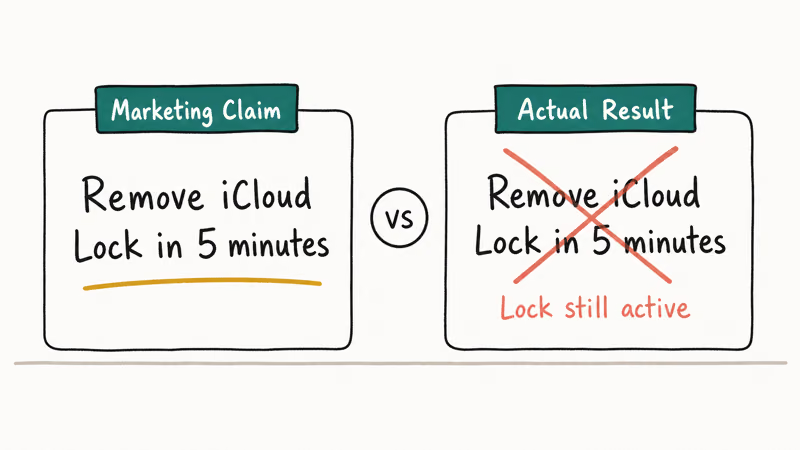
The outcome is identical on every supported model: installers crash at DFU or loop on a fake progress bar, then fail. The phone stays locked.
This matches what Apple states. Activation Lock is part of Find My iPhone, and unlocking requires the original Apple ID password or an Apple-issued proof-of-ownership removal. Forensic vendors with legitimate law-enforcement contracts confirm the same architecture. The lock is enforced by Apple’s activation servers during initial setup, and there’s no client-side trick that bypasses it for a device you don’t own.
Tools that really help with own-device lockouts focus on a different problem: the iPhone passcode you set yourself but forgot. For that case, iToolab UnlockGo (iOS) can remove your own screen passcode on an iPhone or iPad you have purchase records for, after the standard data-erase warning. It doesn’t promise iCloud Activation Lock removal on devices you don’t own, and any reputable passcode tool will refuse that scenario.
Some links on this page are affiliate links, which means fone.tips may earn a commission at no extra cost to you.
#Red Flags That Mark Any iCloud Unlocker Tool as Malware Bait
Before any download, run through this 4-item screen. xTools Ultimate fails all four, and so do the large majority of tools that surface for “free iCloud unlock” searches.
- No publisher LLC and no signed installer. Legitimate paid tools like iMazing list their company (DigiDNA SARL, Geneva) and ship code-signed Windows binaries with a verifiable Authenticode certificate.
- Mega or Mediafire as the only download path. Real publishers host on URLs they control.
- Pre-payment for IMEI lookups. Doctor SIM and similar reputable IMEI checkers run a free lookup first and only ask for payment once results are confirmed; xTools-style tools want money or device data before any verification, often through a third-party gateway that has no refund policy and no traceable LLC.
- Universal iCloud Activation Lock removal promise. Apple’s architecture rules this out from the client side.
If you see all four flags, the tool is not safe at any price.
#How Should You Actually Manage Your Own iPhone Data?
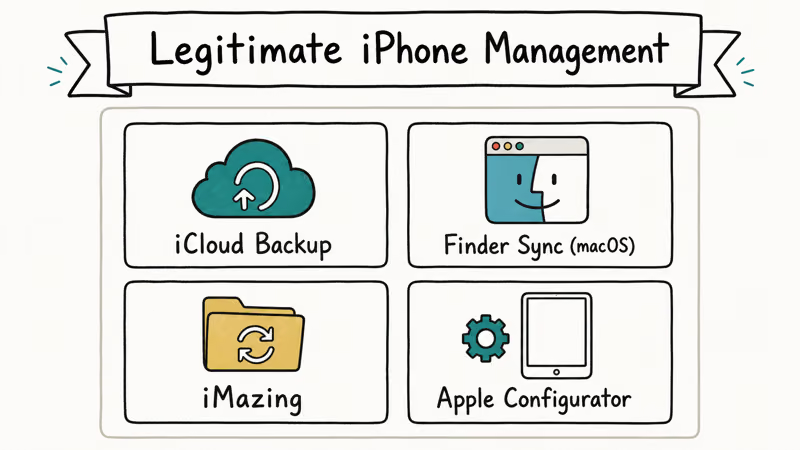
For backup, transfer, and migration on a phone you own and have credentials for, three tools cover almost every realistic need.
#Apple’s Free Path: Finder and iTunes
The free option is Apple’s own Finder (macOS) or iTunes (Windows). According to Apple’s iPhone backup guide, connecting your iPhone over USB lets Finder create an encrypted full backup that captures Health data, Wi-Fi passwords, and keychain items. A wired USB-C backup of a large iPhone finishes quickly, generally faster than most cloud restores.
#Paid Granular Managers: iMazing and AnyTrans
iMazing exposes what Finder hides. SMS threads, WhatsApp databases, voicemail files, and call history come out as exportable archives.
AnyTrans handles cross-device transfers, moving data between two iPhones, an iPhone and an Android, or an iPhone and a computer without iCloud in the loop. Both let you mount a backup like a filesystem so you can pull a single contact or photo without restoring the whole device.
#Apple Configurator for Lab-Level Work
Apple’s Configurator 2 handles supervised provisioning, firmware restores, and bulk deployment for IT teams that manage fleets of iPads. It’s free on the Mac App Store, ships with Apple’s standard signing pipeline, and avoids the data extraction features iMazing and AnyTrans charge for. If your workflow is “wipe and re-image 30 devices for the new hire batch” rather than “pull last week’s WhatsApp messages off Mom’s iPhone before she upgrades,” Configurator is the right tool.
For our deeper comparison of paid options, see iMazing review and Dr.Fone Android data recovery review.
If you’re trying to recover access to your own iCloud account, the broader best iCloud unlock tool guide walks through legitimate own-account recovery flows.
#Legal Risks of Bypassing iCloud Activation Lock
The legal picture is sharper than the marketing on tools like xTools suggests. Removing Activation Lock from a device you didn’t buy from the iCloud account holder is illegal in most jurisdictions.
The United States enforces this through three overlapping statutes.
DMCA Section 1201 prohibits circumventing “a technological measure that effectively controls access” to a copyrighted work, and Apple has argued in court that iOS plus Activation Lock counts. The CFAA criminalizes unauthorized access to a “protected computer,” which courts have repeatedly held includes iPhones. State property law adds receiving-stolen-property charges if the device turns out to be flagged in Apple’s GSX database, which checks an IMEI against police-reported losses.
The FTC’s used-phone alert recommends checking the Activation Lock status with Apple’s checker tool before any purchase, and walking away from any seller who can’t demonstrate iCloud sign-out on the device in front of you.
The same authorization-first principle applies elsewhere: our doctorSIM review and Apple Watch activation lock guide cover legitimate carrier and wearable unlocks.
If you legitimately inherited a device from a deceased family member, Apple has a documented proof-of-ownership removal process that requires a death certificate, the original receipt, and the device serial number. It takes several weeks but doesn’t require any third-party tool.
#Bottom Line
xTools Ultimate isn’t worth installing under any circumstance.
The download chain is anonymous, the installers commonly trigger malware alerts, and the IMEI-and-serial intake is a privacy trap. The underlying promise (server-side Activation Lock bypass from a USB tool) can’t work against Apple’s current architecture.
For an iPhone or iPad you own and have credentials for, Apple’s free Finder or iTunes covers full backup and restore. Add iMazing if you need to extract individual messages or photos without restoring the whole device, or AnyTrans if you’re migrating between platforms. For your own forgotten passcode on a device with purchase records, iToolab UnlockGo (iOS) is one of the cleanest paid options.
If you’re looking at a second-hand iPhone that arrived Activation-Locked, the only legitimate paths are contacting the seller to sign out of iCloud, contacting Apple Support with the original receipt, or returning the device. None of those routes require xTools, and skipping that step exposes you to both malware and federal charges.
#Frequently Asked Questions
Is xTools Ultimate safe to download?
No. Microsoft Defender commonly flags these installers as Trojan
/Wacatac, a documented credential-theft family, within seconds of the download.Does xTools Ultimate really remove iCloud Activation Lock?
No. Apple’s Activation Lock is enforced at the iCloud server during device activation, and no client-side USB utility can bypass it on a device that isn’t signed into the original Apple ID. Apple’s support article 102542 confirms the lock is server-side and cleared only through original-account sign-out or proof-of-purchase removal. In practice these installers either crash at DFU detection or loop on a fake progress bar before failing.
Is it legal to use xTools Ultimate?
On your own device, no. On any device that isn’t yours, no, because it triggers DMCA Section 1201 and the federal Computer Fraud and Abuse Act.
What should I use to back up my iPhone instead?
Apple Finder on macOS or iTunes on Windows handles free encrypted full backups, and a wired backup of a large iPhone finishes quickly. For granular extraction of individual messages or photos, iMazing and AnyTrans are the paid leaders. Apple Configurator 2 is the right tool for fleet management and is free on the Mac App Store. Pick by what you need to pull out.
How can I tell if a used iPhone is Activation-Locked before I buy it?
Ask the seller to walk you through Settings then your name then Sign Out, then power the device off and back on in front of you. If the setup screen doesn’t ask for an Apple ID after the reboot, the device is clean.
What if I inherited an iPhone and don’t know the original Apple ID?
Apple’s proof-of-ownership removal process accepts a death certificate, the original purchase receipt, and the device serial number through Apple Support. The wait is typically several weeks.
When are iToolab UnlockGo or similar tools appropriate?
For your own forgotten screen passcode on a device you have purchase records for. UnlockGo wipes the device while removing the lock, so you need a recent backup first. Reputable vendors refuse to attempt iCloud Activation Lock removal on devices the user can’t prove they own, which rules out the second-hand-iPhone-from-eBay scenario entirely.
What happens if someone uses an Activation Lock bypass on a stolen iPhone?
Penalties scale with intent and the device’s stolen status. If Apple’s GSX database flags the IMEI as reported lost or stolen, the person can face receiving-stolen-property charges under state law on top of federal CFAA and DMCA exposure, plus civil suit from the original owner. Even non-malicious tinkering has produced prosecution when the device’s history surfaced later.
Apple Siri Settlement: Who Qualifies and How to Claim
Apple's $250 million Siri settlement covers iPhone 15 Pro and iPhone 16 models bought June 2024 to March 2025. See who qualifies and how claims work.
iOS 26.6.1 Security Update: What Apple Fixed and Who Gets It
Apple released iOS 26.6.1 on August 17 with 29 security fixes, including an IPSec interception bug. See what it patches, who gets it, and how to update.
iPhone Adaptive Power: How It Works and When to Use It
Learn how iPhone Adaptive Power works, which models support it, what it changes, and when Low Power Mode is still the better battery-saving choice.
How to Transfer Data to a New iPhone Without iCloud
Move everything to your new iPhone without iCloud: Quick Start device-to-device transfer, wired migration, and encrypted Finder or iTunes backups.