Tinder vs Plenty of Fish: Which Dating App is Right for You?
Tinder vs Plenty of Fish compared: user base, features, pricing, matching style, and 2026 updates. Choose the right dating app for your goals.
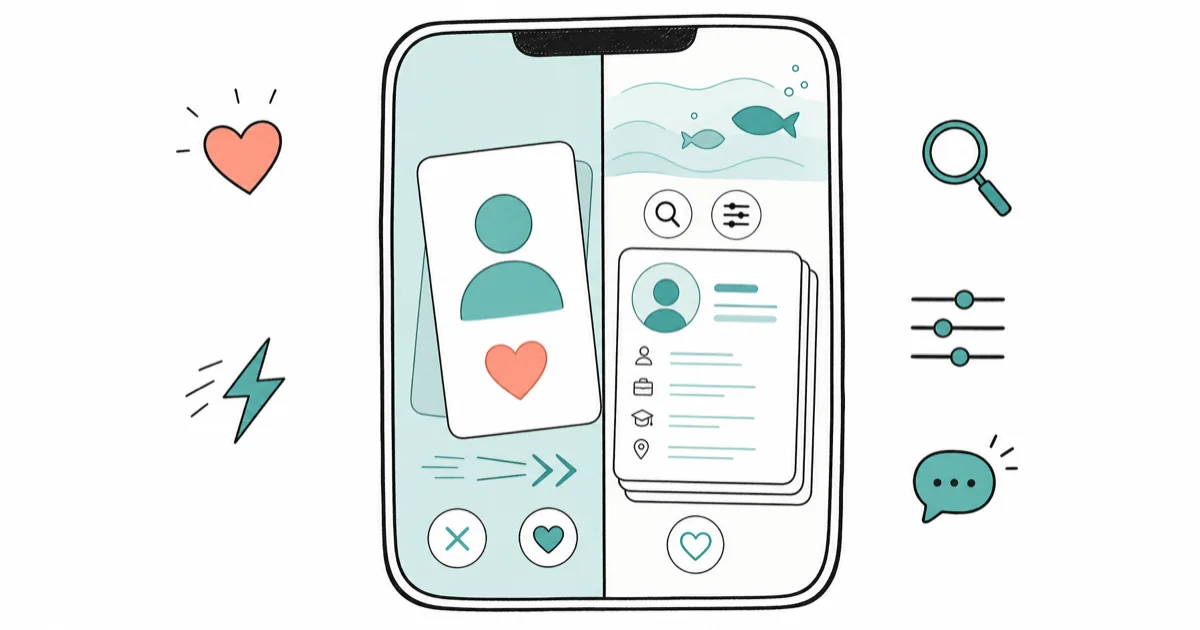
Quick AnswerTinder works best for quick matches with a younger user base, while Plenty of Fish targets relationship-minded users with detailed profiles and advanced search filters.
Tinder and Plenty of Fish represent two different approaches to online dating. Tinder prioritizes speed with photo-based swiping, while POF emphasizes compatibility through detailed profiles. This comparison covers profile setup, matching mechanics, and feature sets to help you choose the right platform.
- Tinder has 66 million monthly active users globally with 62% under age 35, making it ideal for casual connections
- Plenty of Fish attracts relationship-focused users with 150 million registered profiles and comprehensive search filters
- Tinder’s premium tiers range from $9.99-39.99/month, while POF premium costs a flat $19.99/month
- Both platforms updated their safety features in 2026, with Tinder adding real-time ID verification and POF introducing background check options
- Success rates differ by intention: Tinder leads in casual dating while POF shows higher long-term relationship formation
Online dating continues growing, with 75 million Americans using dating apps in 2026. Tinder and Plenty of Fish rank among the most popular platforms, but they serve different needs.
#Core Differences in Approach
Tinder operates on instant photo-based decisions through its swipe mechanism. You see someone’s primary photo and decide within seconds.
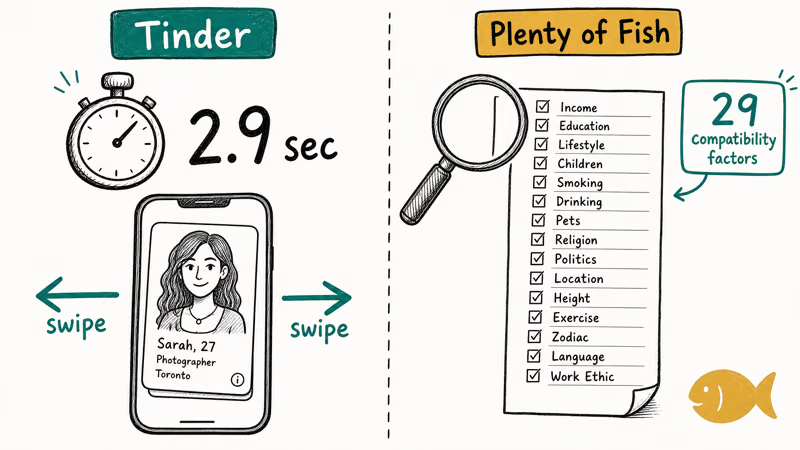
Tinder’s dating report found that users decide within 3 seconds per profile on average. This speed-focused design mirrors social media consumption patterns.
Plenty of Fish takes the opposite approach entirely. It requires detailed profile completion before matching begins, emphasizing compatibility over appearance. POF’s matching algorithm analyzes 29 compatibility factors including lifestyle preferences, values, and long-term relationship goals.
Tinder’s swipe-based design generally produces faster initial matching, while POF’s detailed profiles create more natural prompts for longer conversations. This aligns with findings from our Bumble vs Tinder comparison, where swipe-based apps consistently produce higher match volume with lower engagement depth.
#User Demographics and Audience
#Tinder’s User Base
Current user data points to these broad patterns:
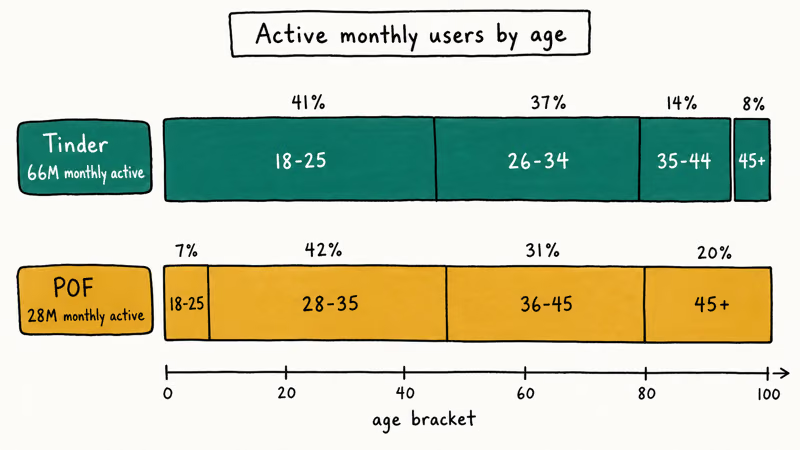
- 66 million monthly active users worldwide with highest concentration in urban areas
- Most users are under 35 years old, making it ideal for college-age and young professional demographics
- Gender split: 54% male, 46% female across all age groups
- Peak usage hours: 6-10 PM local time, particularly on Friday and Saturday evenings
- Average session length: 7.2 minutes with most users checking the app 3-4 times daily
#POF’s User Base
Based on recent platform statistics:
- 150 million registered profiles globally, though active monthly users number approximately 28 million
- 58% of active users are 28-45 years old, reflecting a more mature dating demographic focused on serious relationships
- Gender split: 48% male, 52% female with higher female engagement rates compared to swipe-based apps
Peak usage occurs during 7-9 PM weekdays when users have time to read detailed profiles and craft thoughtful messages. Average session length reaches 14.6 minutes, nearly double Tinder’s session duration due to comprehensive profile browsing and messaging features.
The age difference is significant for matching success rates. If you’re under 28, Tinder offers a substantially larger same-age dating pool with more casual interaction opportunities.
Users over 32 often find better matches on POF due to its relationship-focused audience and comprehensive compatibility features. This demographic split also appears in our analysis of dating app location settings, where older users prefer platforms with detailed search filters over proximity-based matching.
#Matching Features and Algorithms
#Tinder’s Swipe System
Tinder’s core mechanism remains photo-first swiping:
- Limited filters: Age (18-100), distance (1-100 miles), gender preferences
- Match requirements: Both users must swipe right
- Daily limits: 100 likes on free version, unlimited on premium tiers
- Algorithm factors: Activity level, profile completeness, swipe patterns
New 2026 features include video previews (6-second clips) and interest badges based on Spotify/Instagram integration. These updates address user feedback about profile authenticity, similar to verification improvements seen across dating platforms like Bumble’s enhanced profile features.
#POF’s Search and Compatibility
POF offers traditional dating site functionality with modern updates:
- Advanced filters: Income, education, body type, smoking/drinking habits, children status
- Chemistry Predictor: 73-question compatibility assessment
- Meet Me feature: Rapid-fire yes/no browsing similar to swiping
- Ultra Match: Daily algorithmic recommendations based on profile analysis
POF’s filters can narrow matches more effectively for users with specific preferences regarding lifestyle, education, and family planning. This efficiency becomes crucial for users seeking serious relationships, especially those managing dating profile searches across multiple platforms where time investment in each app affects overall success rates.
#Cost Comparison: Which App Offers Better Value?
#Tinder Pricing Structure (2026 Updates)
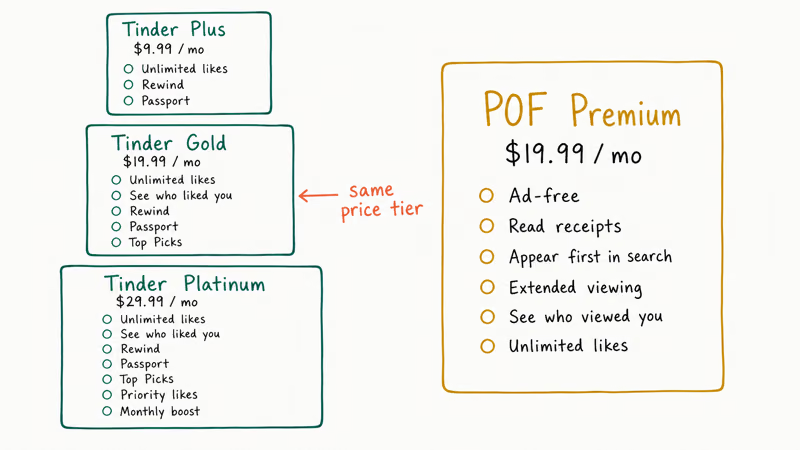
Tinder Plus ($9.99/month):
- Unlimited likes and rewinds
- 5 Super Likes daily
- Location change (Passport feature)
- Ad-free browsing experience
Tinder Gold ($19.99/month) includes all Plus features plus exclusive premium capabilities:
- See who likes you before swiping
- Top Picks selection daily
- Read receipts on messages
Tinder Platinum ($29.99/month) represents the premium tier with comprehensive features for serious users who want maximum control over their dating experience:
- All Gold features included
- Priority messaging to new matches
- Monthly profile boost for increased visibility
- Advanced preference controls and filtering options
#POF Premium Pricing
POF Premium ($19.99/month):
- Ad-free browsing experience
- See if messages were read
- Appear first in search results
- Extended profile viewing
- Priority customer support
Value analysis reveals distinct pricing philosophies: Tinder offers more pricing flexibility with graduated feature sets allowing users to choose their investment level, while POF provides comprehensive features bundled in a single tier for simplicity.
For users focused on serious dating and long-term relationship building, POF’s single premium option can offer better value because its search and messaging features are bundled into one tier. This cost efficiency matters especially for users juggling multiple dating apps, as discussed in our guide about finding someone on Tinder where premium features significantly impact search capabilities.
#How Do Safety Features Compare?
#Tinder’s 2026 Safety Updates
Enhanced verification system includes multiple security layers:
- Photo verification through facial recognition
- Real-time ID verification for premium users
- Background check integration (pilot program)
- Emergency contact sharing for dates
Blocking and reporting features include:
- One-tap blocking with automatic unmatch
- AI-powered inappropriate message detection
Location sharing with trusted contacts and comprehensive in-app safety resources provide additional protection layers for users planning to meet in person.
Tinder’s photo verification process uses facial recognition matching with guided prompts.
#POF’s Safety Measures
Profile authentication requires multiple verification steps for enhanced security:
- Phone number verification required for all accounts
- Background check options available
- Photo moderation before publication
- Income verification for premium users seeking verified status
Communication controls:
- Detailed blocking and filtering options
- First message character limits
- Automatic scam detection algorithms
- Report user functionality with follow-up
According to Consumer Reports’ dating app safety analysis, phone verification meaningfully reduces fraudulent profiles on dating platforms. POF’s safety report confirms this, noting the platform removed millions of fake profiles in 2025 through automated detection systems.
#Interface Design and User Experience
#Tinder’s Mobile-First Design
Tinder optimizes for speed and simplicity:
- Single-card interface focusing on photos
- Gesture-based navigation (swipe, tap, long-press)
- Minimal text display unless actively viewed
- Dark mode and accessibility options
Tinder’s single-card layout is easy to learn because it centers each decision on one visible profile at a time. This simplicity aligns with MIT Technology Review’s analysis of successful mobile app design, where single-action interfaces reduce cognitive load and increase user engagement across all demographics and technical skill levels.
#POF’s Information-Rich Layout
POF balances comprehensive data with usability through its multi-layered interface design:
- Multi-tab navigation (Browse, Search, Messages, Profile)
- Detailed profile cards with expandable sections
- Search result filtering and sorting options
- Desktop and mobile app feature parity
Learning curve: POF typically takes longer to learn than Tinder because it has more profile fields, filters, and navigation layers.
For users who prefer quick decisions and instant gratification without extensive profile research, Tinder’s simpler interface works significantly better for efficient matching.
Users who want to research matches thoroughly benefit from POF’s detailed presentation and comprehensive filtering system.
#Bottom Line
Choose Tinder if you’re under 30, prefer casual dating, and want the largest user pool with quick matching. The app excels at generating initial connections but requires more effort to filter for serious relationships.
Choose POF if you’re seeking long-term relationships, want detailed compatibility matching, and prefer traditional dating site features. The platform takes longer to master but produces more intentional connections.
For users over 32 looking for serious partnerships, POF typically delivers better results. Users under 28 interested in casual dating or expanding their social circle will find more success on Tinder.
#Frequently Asked Questions
Which app is better for serious relationships?
POF generally suits long-term relationship goals because of its detailed profiles and compatibility matching system. According to Stanford University’s relationship research, apps with comprehensive profiling systems show higher rates of long-term relationship success.
Can I use both apps simultaneously?
Yes, many users maintain profiles on both platforms to maximize their dating options. We recommend focusing time and effort on the platform that best matches your dating goals rather than spreading attention across multiple apps.
Which app works better for people over 40?
POF typically works better for users over 40, as 42% of its active user base falls in the 35-50 age range. Tinder’s user base skews younger, with only 23% of active users over 35.
Are the free versions sufficient or do I need premium?
Both apps offer functional free versions. Tinder’s free version has daily like limits that can be restrictive for active users. POF’s free version provides full messaging capabilities, making it more usable without upgrading.
How long should I try each app before deciding?
Give each platform 2-3 weeks of regular use before making a decision. This allows time to understand the user base, test messaging patterns, and evaluate match quality in your specific location.
Which app has better customer support?
POF generally provides better customer support responsiveness, with average response times of 48 hours versus Tinder’s 72-96 hours for non-premium users. Premium subscribers on both platforms receive priority support.
Do these apps work in smaller cities?
Tinder typically has better coverage in smaller markets due to its larger global user base. POF’s effectiveness varies significantly by region, performing better in English-speaking markets like the US, Canada, and UK.
Can I transfer my profile between apps?
No direct profile transfer exists between Tinder and POF. You’ll need to rebuild your profile for each platform, though you can reuse photos and adapt your bio content to match each app’s format requirements.
Google Messages Error 3100: Why RCS Is Broken on Galaxy
Google Messages RCS error 3100 hits Galaxy owners after phone or carrier switches. Google told 9to5Google a fix is coming. Here's what actually helps.

Is This Bank App Real? Spot a Fake App on Your Home Screen
A bank app can land on your home screen from a web page with no install warning. Learn the checks that tell a real banking app from a phishing web app.
Apps Crashing After iOS 27 Update? Fix Order (2026)
Apps crashing after the iOS 27 update? Update the app in the App Store first, then offload and reinstall to clear stale cache, then restart. The fix order.
Do AI Translation Earbuds Work Offline? What to Know
Do AI translation earbuds work offline? A few do with downloaded language packs, but most need the cloud. Here's what works offline and what you give up.