Android File Transfer Not Working? 10 Easy Fixes (2026)
Android File Transfer not working on Mac? Try these 10 proven fixes including USB mode changes, cable swaps, and wireless alternatives that actually work.
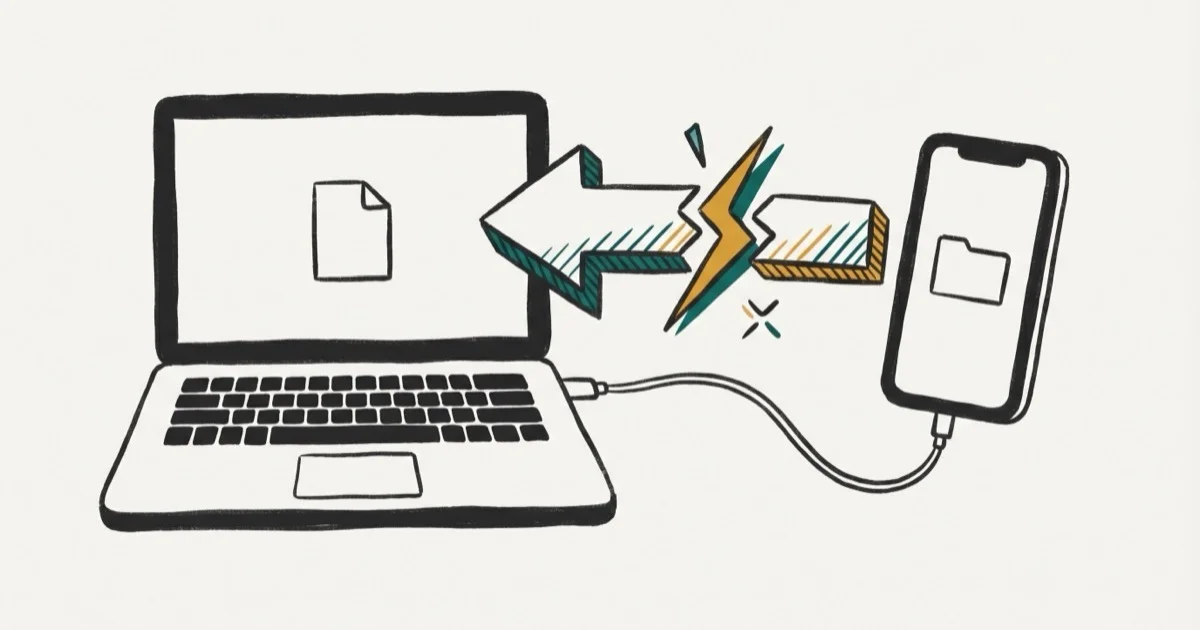
Quick AnswerAndroid File Transfer usually fails because the phone is not set to File Transfer USB mode. Swipe down the notification shade, tap the USB charging notification, and select File Transfer or MTP to fix it.
Android File Transfer stopped recognizing your phone on Mac. The 10 fixes below cover every common cause, and the USB mode switch alone solves the problem for most people. Using these methods on devices or accounts you don’t own may violate applicable laws and platform terms.
- The most common cause is the phone defaulting to USB charging mode instead of File Transfer (MTP)
- A damaged or low-quality USB cable is one of the most common reasons the connection fails
- Conflicting apps like Samsung Kies or Smart Switch can block Android File Transfer entirely
- USB Debugging is for ADB communication with a development computer; it doesn’t replace MTP
- OpenMTP replaces the old Mac app over USB, while AirDroid and cloud storage provide wireless options
#Why Is Android File Transfer Not Working?
Understanding the root cause saves you from trying fixes that won’t help. Google’s Quick Share page states that the app transfers files between Android devices and Windows PCs, not Macs. The former Android File Transfer URL now redirects there, and Google no longer distributes the Mac client. Don’t download an old installer from a third-party site.
Here are the most common causes:
- Wrong USB mode: Your phone defaults to charging-only when plugged in
- Faulty USB cable or port: A damaged cable prevents the Mac from detecting the device
- Outdated software: Old macOS or Android versions cause compatibility gaps
- App interference: Samsung Smart Switch or antivirus apps conflict with file transfers
- Locked device: File transfers can’t start if your Android screen is locked
#Initial Troubleshooting Steps
These quick fixes resolve the vast majority of connection problems.
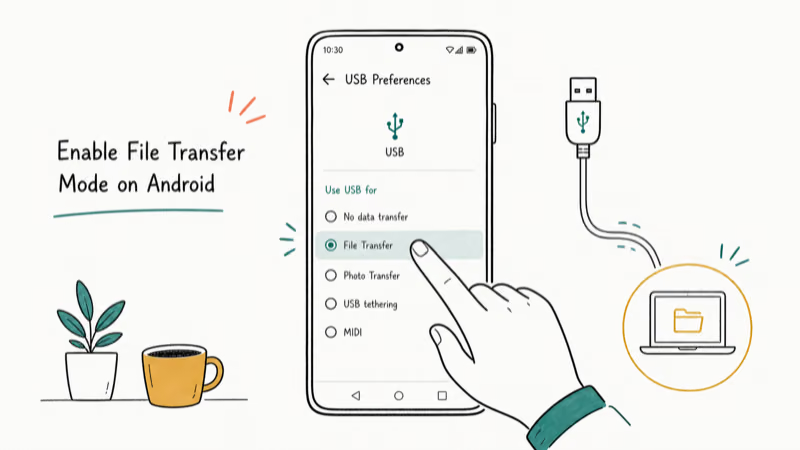
#Enable File Transfer Mode on Android
Swipe down the notification shade on your phone. Tap the USB charging notification and select File Transfer or MTP. This single step fixes the “No Android device found” error instantly in most cases.
#Check USB Cable and Ports
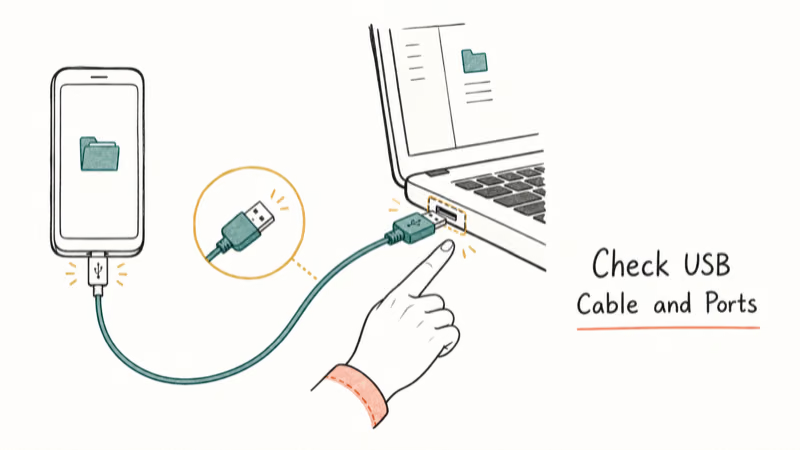
Not all USB cables support data transfer. Some cheap cables only carry power, and a charge-only cable can look identical to a data cable. Try a different cable and a different USB port on your Mac.
#Restart Both Devices
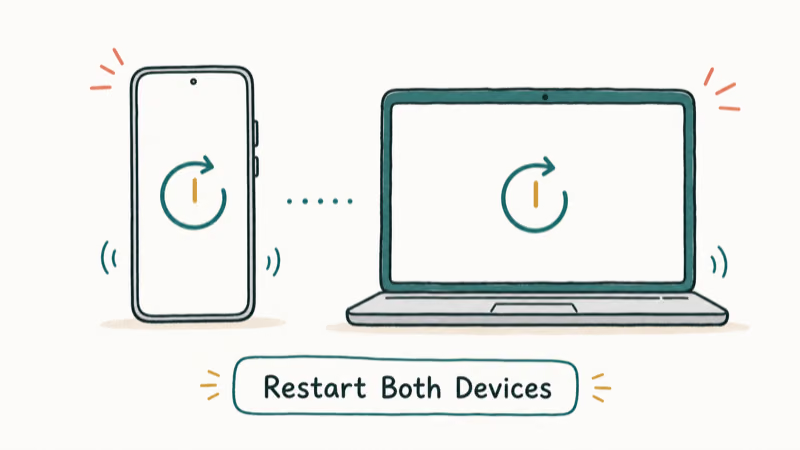
Power off both devices, then turn them back on. Simple but effective.
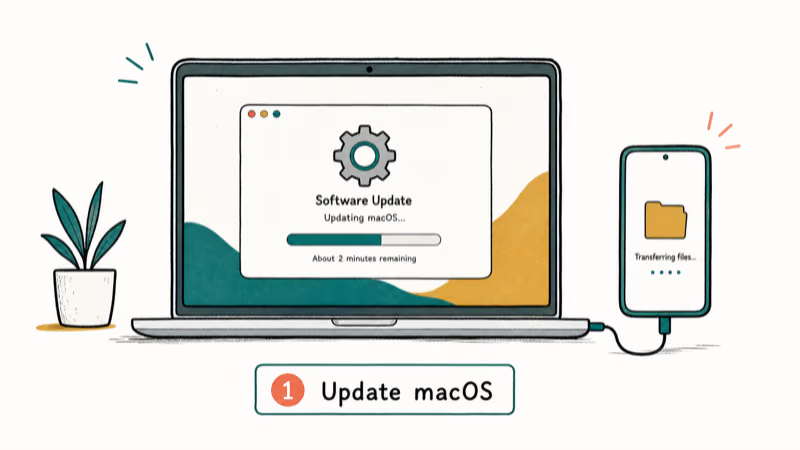
#Update macOS
Go to Apple menu > System Settings > General > Software Update and install any available updates. According to Apple’s macOS Sonoma update notes, these updates improve stability, performance, or compatibility. The Sonoma 14.4 notes don’t list an MTP-specific fix.
#How Do You Fix Advanced Connection Issues?
If the basic steps don’t work, try these deeper fixes.
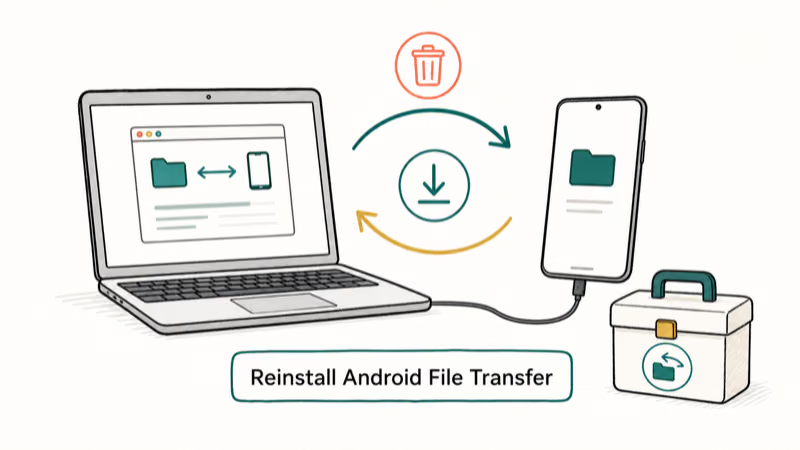
#Replace Android File Transfer
Delete the old app from your Applications folder, then switch to OpenMTP or one of the wireless options below. Google has stopped distributing the official Android File Transfer client for Mac. Don’t use a third-party site to look for the retired installer.
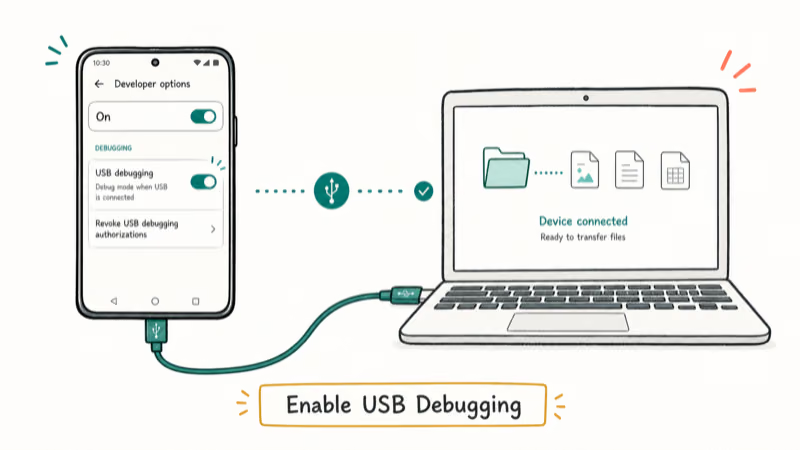
#Use USB Debugging for ADB Diagnostics
Go to Settings > About Phone > Software Info and tap Build Number 7 times to unlock Developer Options. Then go to Settings > Developer Options and toggle on USB Debugging only if you need to test an ADB connection. According to Android’s developer documentation, this setting lets the device communicate with a development computer through Android Debug Bridge (ADB). It doesn’t replace File Transfer mode or change the MTP connection.
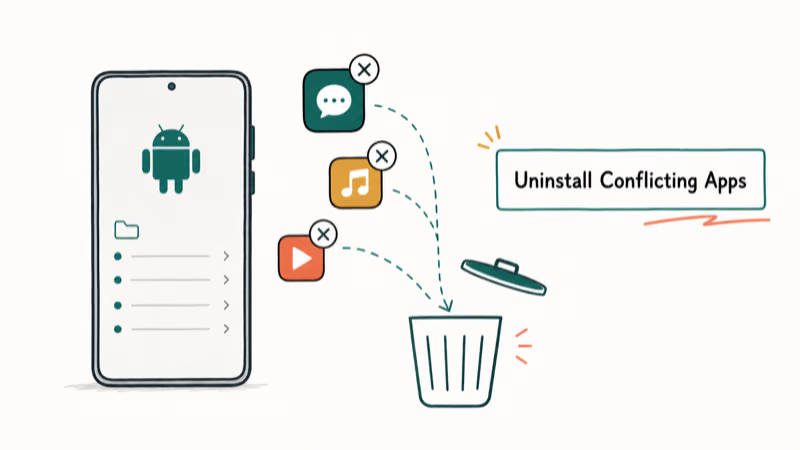
#Uninstall Conflicting Apps
Samsung Kies and Smart Switch actively intercept USB connections. Uninstall them from your Mac before retrying. Smart Switch is a frequent culprit on Galaxy devices, and removing it often fixes the problem immediately without any other changes needed.
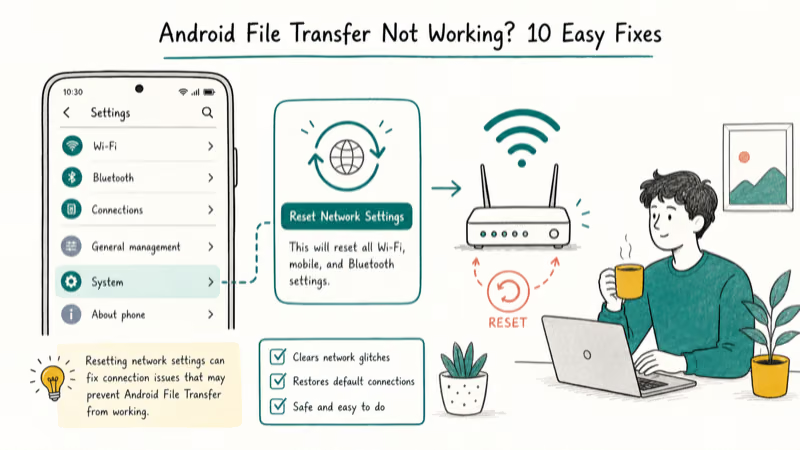
#Reset Network Settings
Go to Settings > System > Advanced > Reset Options and select Reset Network Settings. This won’t delete your files or apps, but it clears any corrupted USB and connection configuration data that may be interfering with the handshake between your phone and the Mac. After the reset, reconnect the cable, unlock the phone, and pick File Transfer mode again from the USB notification so the connection rebuilds from a clean state.
#Check Bluetooth Connectivity
Bluetooth issues can sometimes indicate broader connectivity problems. If you’re also having trouble with Bluetooth not working on Android, fixing those issues first may resolve USB transfer problems too.
#Best Wireless Alternatives to Android File Transfer
When USB transfers keep failing, going wireless is often the most reliable solution.
#AirDroid Personal
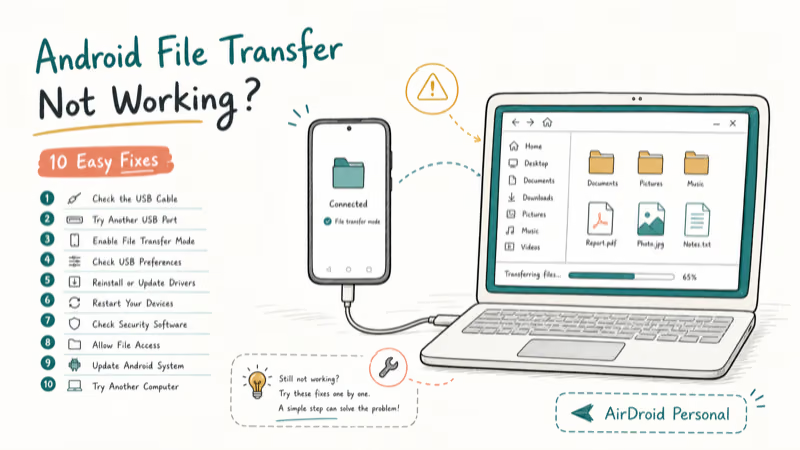
AirDroid transfers files wirelessly over your local network. No cable needed. It supports drag-and-drop in a browser window, and large multi-gigabyte folders move in a few minutes over a fast Wi-Fi connection.
#Google Drive
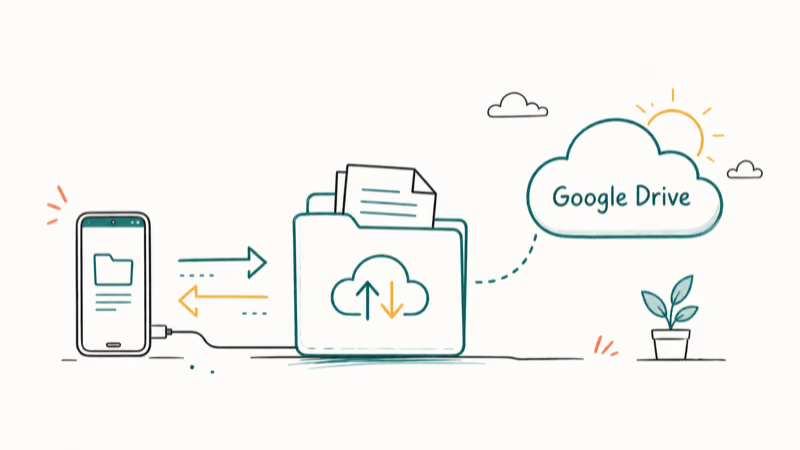
Upload files to Google Drive on your phone and download them on your Mac. Google offers 15 GB of free storage, which is enough for most transfer needs.
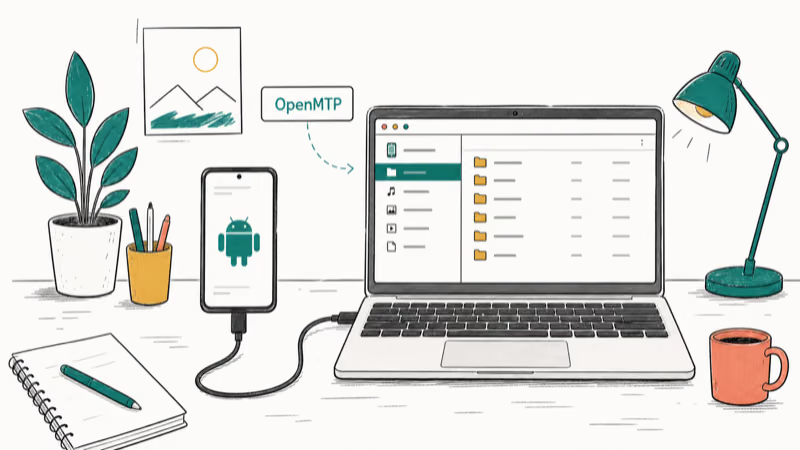
#OpenMTP
OpenMTP is a free, open-source replacement for Android File Transfer that connects over USB. According to its official site, the app can transfer multiple files larger than 4 GB in one go, supports drag-and-drop, and offers grid and list views for browsing files from your Mac over a cable.
#Pushbullet
Pushbullet handles quick file transfers up to 25 MB along with notification mirroring. It’s best for sending individual files rather than bulk transfers.
#Transferring Specific Data Types
While Android File Transfer handles general files, you may need specialized tools for certain data. Check our guides on transferring WhatsApp from Samsung to iPhone and transferring WhatsApp from Samsung to Huawei when messaging history is the target.
If you’re moving Apple-side data instead, our guide on transferring notes from iPhone to Android walks through the cleanest path.
For advanced users, Android root software can provide deeper file system access that bypasses standard transfer limitations entirely.
#Best Practices for Reliable File Transfers
Follow these habits to minimize transfer problems going forward:
- Keep software updated: Update both macOS and Android regularly
- Use quality cables: Invest in USB-IF certified cables that support data transfer
- Close conflicting apps: Quit Samsung Smart Switch before connecting
- Don’t lock the phone: Keep your Android screen unlocked during transfers
- Try drag-and-drop: Manual drag-and-drop is more reliable than copy-paste in Android File Transfer
#The Workaround When Nothing Else Reads the Phone
If the Mac still refuses the phone after every fix, skip the handset entirely and read its SD card directly. Pop the microSD into a card reader and your Mac mounts it as plain storage, no MTP handshake involved. A small USB-C card reader like the Anker 2-in-1 is the reliable fallback for the days when Android File Transfer gives up.
Need a card that apps can run from on the phone itself? See our picks for A2 microSD cards built for Android phones.
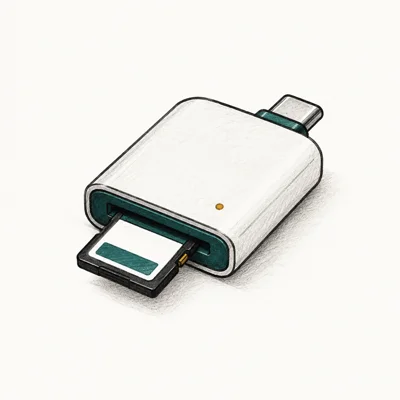
- Reads full-size SD and microSD without an adapter
- Bus-powered, nothing to charge
- Works on USB-C phones, tablets and laptops
Last updated on Jun 13, 2026
As an Amazon Associate fone.tips earns from qualifying purchases. Prices and availability on Amazon are accurate as of the date above and subject to change.
#Bottom Line
Start by checking your USB mode. If that doesn’t work, swap cables and restart both devices. For persistent problems, replace the retired Google app with OpenMTP, or skip USB with a wireless option such as AirDroid or Google Drive.
#Frequently Asked Questions
Why does Android File Transfer keep crashing on my Mac?
Google no longer offers a fresh Android File Transfer download for Mac. Remove the old app, then use OpenMTP from its official site or switch to a wireless transfer method. Don’t download the retired Google installer from a third-party site.
Can I use Android File Transfer wirelessly?
No. The legacy Google app and OpenMTP both use a USB cable. For wireless transfers, use AirDroid or Google Drive instead.
Why isn’t my Mac recognizing my Android device?
Make sure your phone is unlocked and set to File Transfer mode, not charging-only mode. If it’s still not detected, try another data cable and USB port, then use OpenMTP or a wireless transfer method. USB Debugging is for ADB communication and isn’t a replacement for MTP.
Is it safe to enable USB Debugging?
Yes, when used with your own trusted computer. Just disable it when you’re done.
What’s the maximum file size I can transfer?
Google no longer publishes a current file-size limit for the retired Android File Transfer app. OpenMTP’s official site says it can transfer multiple files larger than 4 GB in one go.
What if none of these fixes work?
Your USB port may have hardware damage. Try a different Android device on the same Mac to confirm whether it’s a Mac-side or phone-side issue.
Pixel 11 vs Pixel 10: What Changed and Who Should Upgrade
Pixel 11 vs Pixel 10: same screen and camera resolution, new Tensor G6, 25W wireless, and Gemini Intelligence. Here is who should actually upgrade.

Verizon Not Receiving Texts? How to Fix It in 9 Steps
Verizon not receiving texts? Fix it in 9 steps: check Message Blocking in My Verizon, reset network settings, deregister iMessage, and call support.
Pixel Battery Drain: What Google's July Fix Really Covers
Google marked the Pixel idle battery drain bug fixed in July, but only some phones got the patch. Here is who is covered, who is not, and what to try.
iPhone Stuck on EDGE? How to Get 5G or LTE Back (2026)
iPhone stuck on EDGE with crawling data? Here's why the E icon appears, which settings force 5G or LTE back, and when the problem is your carrier.