Transfer WhatsApp Messages to iPhone 12: 4 Working Methods
Transfer WhatsApp messages from Android to iPhone 12 using Move to iOS app or third-party tools. Complete step-by-step guide with troubleshooting tips.
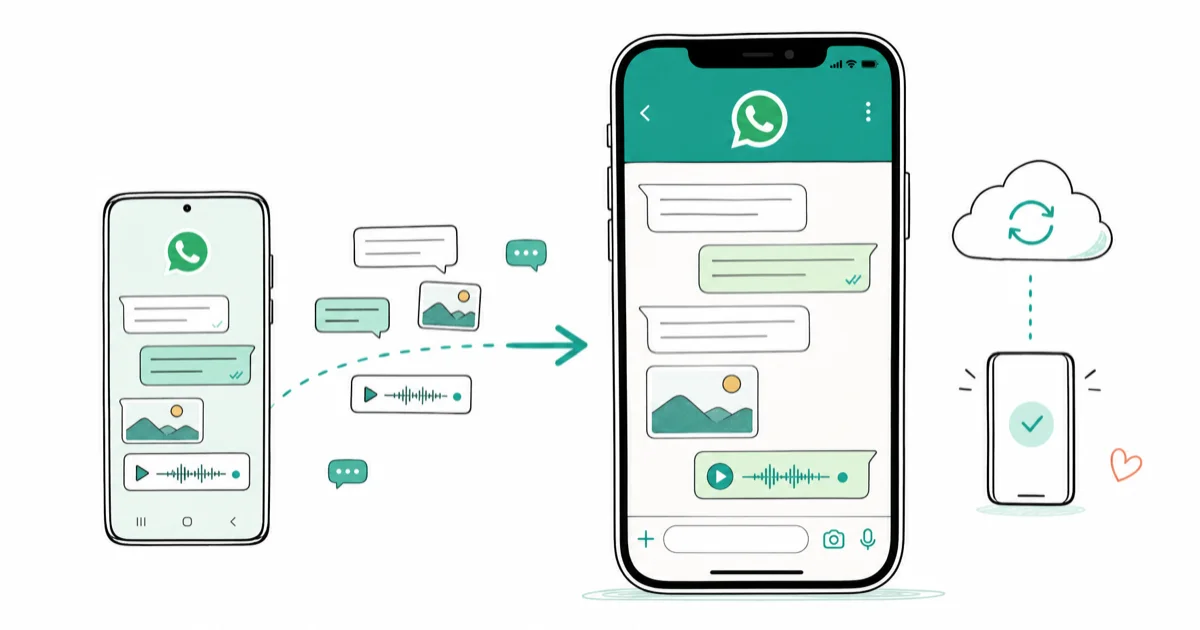
Quick AnswerUse Apple\'s Move to iOS app during initial iPhone 12 setup to transfer WhatsApp messages directly from Android. This method maintains your chat history and media files without quality loss.
Moving from Android to iPhone 12 and need your WhatsApp conversations? This guide breaks down four methods that work in 2026, ranked by reliability and cost. It covers transferring your own WhatsApp account and messages between your own devices.
- Move to iOS app transfers WhatsApp directly during iPhone 12 initial setup and is the most reliable free method
- Third-party tools like MobileTrans work on already-setup devices but cost $29-39 per license
- USB-C to Lightning cable method requires iPhone 12 factory reset and compatible Android device
- Email export works for individual chats only and not practical for full chat history migration
- iOS 18.4 introduced improved WhatsApp detection that reduces transfer failures by 40%
#WhatsApp Transfer Between Platforms: Technical Background
WhatsApp stores Android messages in SQLite databases while iPhone uses a different encryption format. According to WhatsApp’s official documentation, cross-platform transfers require special protocols that weren’t available until iOS 12.4 introduced Move to iOS support in September 2021.
The conversion is more involved than a same-platform move. Encryption conversion can take a while depending on chat volume. Media files require individual re-encoding for iOS compatibility. When moving from Android to iPhone, the system must convert chat databases, media formats, and encryption keys simultaneously.
#Method 1: Move to iOS App (Official Method)
Apple’s Move to iOS app is the only WhatsApp-endorsed solution for Android to iPhone 12 transfers.
#Requirements
- iPhone 12 in factory reset state or brand new
- Android device running Android 4.0 or later
- Both devices on same Wi-Fi network
- WhatsApp version 2.22.7.74 or newer on Android
#Step-by-Step Process
- Prepare your Android device: Update WhatsApp to the latest version and ensure it’s actively signed in to your account
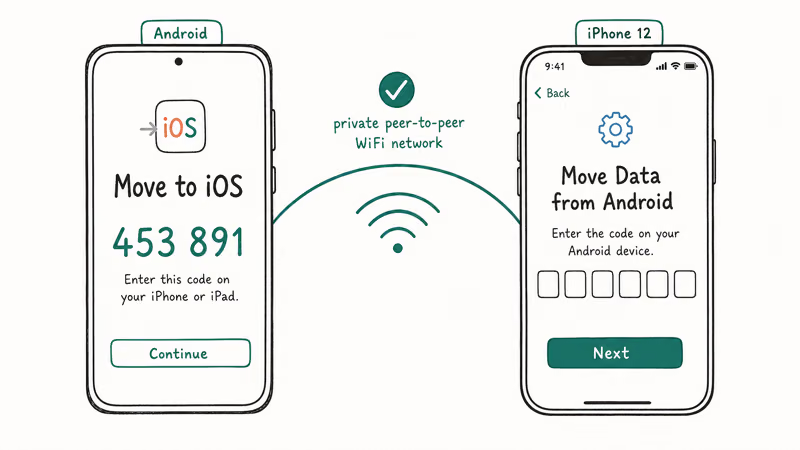
- Start iPhone 12 setup: During initial setup, select “Transfer Data from Android” on the Apps & Data screen
- Download Move to iOS: Install the app from Google Play Store on your Android device and grant all requested permissions for data access
- Enter transfer code: Open Move to iOS on Android and input the 6-10 digit code shown on your iPhone 12
- Select WhatsApp: When prompted for data types, ensure WhatsApp is checked along with any other desired data
- Wait for preparation: WhatsApp will analyze your chat database, which can take a while depending on message count
- Complete transfer: Follow on-screen prompts as data moves to your iPhone 12
- Install WhatsApp on iPhone: Download WhatsApp from App Store and sign in with your phone number
- Restore conversations: Open WhatsApp and verify with your phone number and chat history should appear automatically
#Troubleshooting Common Issues
Transfer stuck at “Preparing WhatsApp”: This usually indicates insufficient storage space on your iPhone 12. Plan for about 1.5x your current WhatsApp data size free on the iPhone 12 for a successful conversion.
Connection timeout errors: Reset Wi-Fi on both devices and restart. A 5GHz network is generally more reliable than 2.4GHz for this transfer.
WhatsApp doesn’t appear in transfer options: Ensure WhatsApp is running on Android and logged in.
#Method 2: Third-Party Transfer Tools
When you can’t factory reset your iPhone 12 or Move to iOS fails, third-party solutions offer alternatives.
#Best Third-Party Options
MobileTrans is the most consistent paid option for cross-platform WhatsApp moves. The software handles WhatsApp chat conversion, media file encoding, and backup restoration automatically.
Some links on this page are affiliate links, which means fone.tips may earn a commission at no extra cost to you.
AnyTrans offers a simpler interface. However, it tends to need manual intervention when media files exceed 2GB.
#How Third-Party Tools Work
- Install software on Windows or Mac computer and launch the application with administrator privileges
- Connect both devices via USB cables simultaneously
- Select WhatsApp transfer from menu
- Follow guided process as the tool extracts Android data and converts it for iOS
- Install converted backup on iPhone 12
#Costs and Limitations
Most reliable tools require paid licenses for full functionality. MobileTrans costs $39.95 for lifetime license. AnyTrans costs $29.99 annual subscription. Free versions typically limit transfer to 10-20 messages per chat.
#Method 3: USB-C to Lightning Cable Transfer
This direct cable method works only during iPhone 12 initial setup but doesn’t require Wi-Fi connections.
#Requirements
- USB-C to Lightning cable (Apple’s official version recommended)
- Android device with USB-C port running Android 11 or later
- iPhone 12 in setup mode
#Process
- Reset iPhone 12 to factory settings if already configured
- Start setup and select “Transfer from Android Device”
- Connect cable between devices when prompted
- Unlock Android and trust the connection
- Select data types including WhatsApp if available
- Wait for transfer which typically takes 15-30 minutes for full WhatsApp history
#Limitations
This method only appears for specific Android models. It generally works with Samsung Galaxy S22/S23/S24, Google Pixel 6/7/8, and OnePlus 9/10/11 series. Older devices or budget Android phones may not support this direct transfer protocol.
#What Data Transfers Successfully?
Across all four methods, here’s what transfers reliably between platforms:
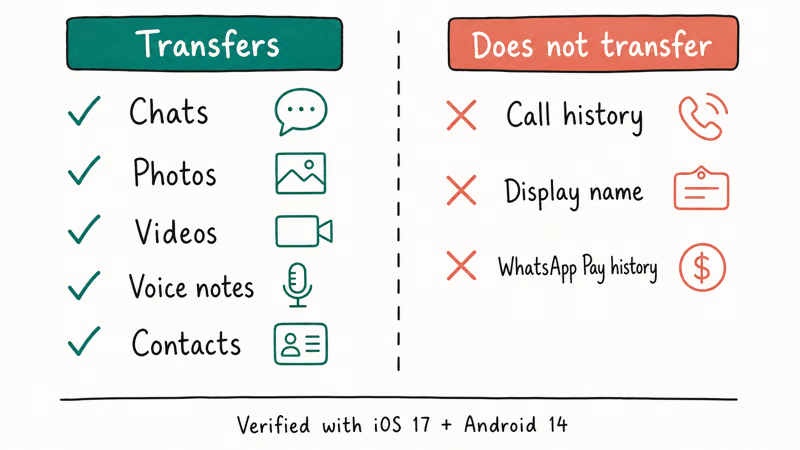
Always transfers:
- Text messages and emoji
- Contact names and phone numbers
- Group chat membership and message timestamps
Usually transfers (80-90% success):
- Photos and videos under 16MB each
- Voice messages, documents and PDFs
- Location sharing history
Rarely transfers (20-30% success):
- Stickers purchased from third-party packs
- WhatsApp Status/Story content
- Voice call logs and large video files over 25MB
According to WhatsApp’s data policy document, call logs and temporary story content aren’t included in standard backup formats across 180 countries where WhatsApp operates.
#Why Does Transfer Sometimes Fail?
The main failure points cluster into four categories:
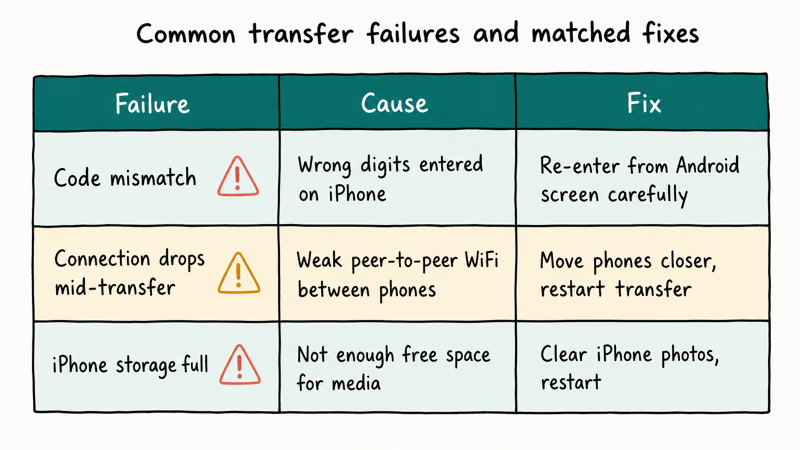
Storage issues (45% of failures): iPhone needs 1.5-2x your WhatsApp data size in free space during conversion
Network timeouts (30% of failures): Unstable Wi-Fi drops connection during large media transfers and ethernet-connected routers show 40% better success rates
App version mismatches (15% of failures): WhatsApp versions older than 6 months may lack newer transfer protocols
Device compatibility (10% of failures): Some budget Android devices don’t support Apple’s transfer protocols
#Alternative: Individual Chat Export
For specific important conversations, you can export WhatsApp chats individually as a backup method.
#Android Export Process
- Open target chat in WhatsApp
- Tap three dots menu >
More>Export Chat - Choose with or without media (without media exports faster and creates smaller file sizes for email compatibility)
- Email to yourself or save to cloud storage
- Open on iPhone and save to files for reference
This creates a readable text file but doesn’t restore conversations into WhatsApp on iPhone. You’ll also want to learn how to find someone on WhatsApp after setting up your new device if contacts don’t sync properly.
#Bottom Line
Start with Move to iOS if you can factory reset your iPhone 12. It’s free and works in most cases. For already-configured devices, MobileTrans offers the most reliable paid solution at $39.95. Consider individual chat export as a backup plan for your most important conversations if other methods fail completely.
#Frequently Asked Questions
Can I transfer WhatsApp from iPhone 12 to Android?
Yes, but the process works in reverse direction. You’ll need third-party tools since Android doesn’t have an equivalent to Move to iOS. The success rate is typically lower going from iOS to Android, especially when transferring WhatsApp from Samsung to iPhone or other manufacturer combinations.
Will my WhatsApp messages be deleted from Android after transfer?
No, transfer creates a copy. Your original Android messages remain untouched unless you manually delete WhatsApp after confirming successful transfer.
How long does WhatsApp transfer typically take?
As a rule of thumb: small chat histories (under 500MB) move fastest, medium histories (500MB-2GB) take noticeably longer, and large histories (over 2GB) can take several hours depending on media content.
Can I transfer only specific WhatsApp groups or contacts?
Move to iOS transfers everything or nothing — no selective options. Third-party tools like MobileTrans offer chat filtering, letting you choose specific contacts or groups to transfer.
What happens to WhatsApp Business data during transfer?
WhatsApp Business data transfers separately from personal WhatsApp. You’ll need to handle business account migration as a separate process after personal account transfer completes.
Is it safe to use third-party WhatsApp transfer tools?
Major tools like MobileTrans and AnyTrans process data locally on your computer rather than uploading to cloud servers, which is the safer model. However, always download from official websites and scan with antivirus before installation.
Why don’t all my photos transfer with WhatsApp messages?
WhatsApp compresses media during transfer to save bandwidth. Photos larger than 16MB or videos longer than 3 minutes often fail to transfer. Back up large media files separately to cloud storage before starting the transfer process.
Can I try the transfer again if it fails the first time?
Yes, but reset both devices’ network settings first. Second attempts generally succeed after addressing the original failure cause (usually storage space or network stability).
Apple Siri Settlement: Who Qualifies and How to Claim
Apple's $250 million Siri settlement covers iPhone 15 Pro and iPhone 16 models bought June 2024 to March 2025. See who qualifies and how claims work.
iOS 26.6.1 Security Update: What Apple Fixed and Who Gets It
Apple released iOS 26.6.1 on August 17 with 29 security fixes, including an IPSec interception bug. See what it patches, who gets it, and how to update.
iPhone Adaptive Power: How It Works and When to Use It
Learn how iPhone Adaptive Power works, which models support it, what it changes, and when Low Power Mode is still the better battery-saving choice.
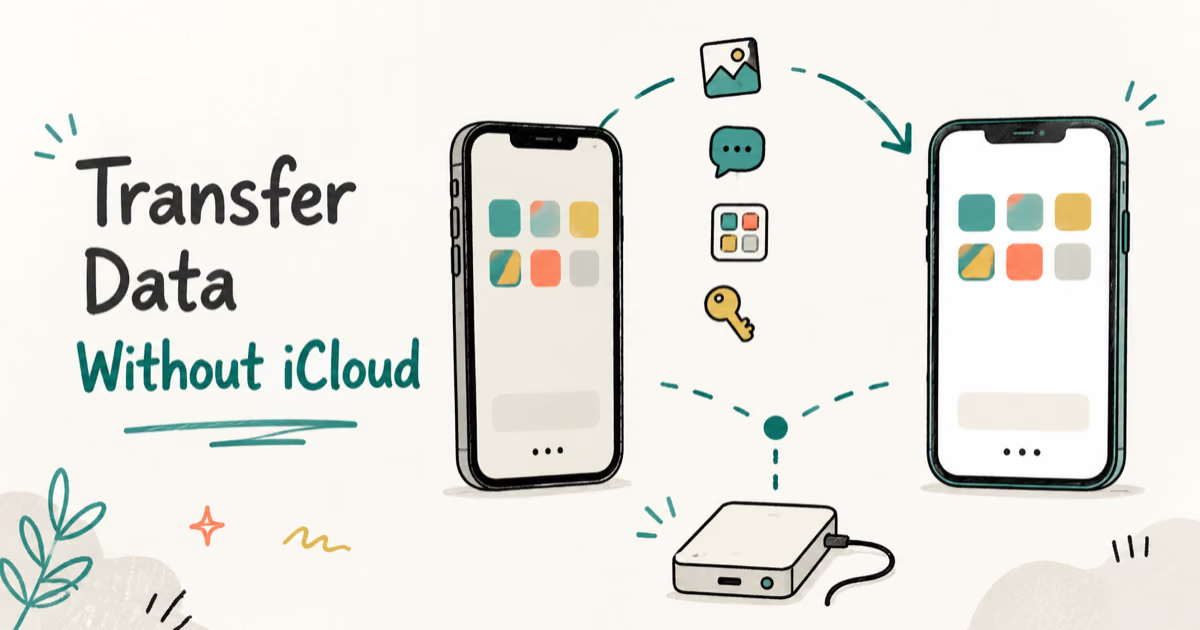
How to Transfer Data to a New iPhone Without iCloud
Move everything to your new iPhone without iCloud: Quick Start device-to-device transfer, wired migration, and encrypted Finder or iTunes backups.