How Many Reports for a TikTok Ban? The Real Answer (2026)
TikTok moderation is content-based, not volume-based. One severe violation can ban an account; thousands of false reports may do nothing this year.
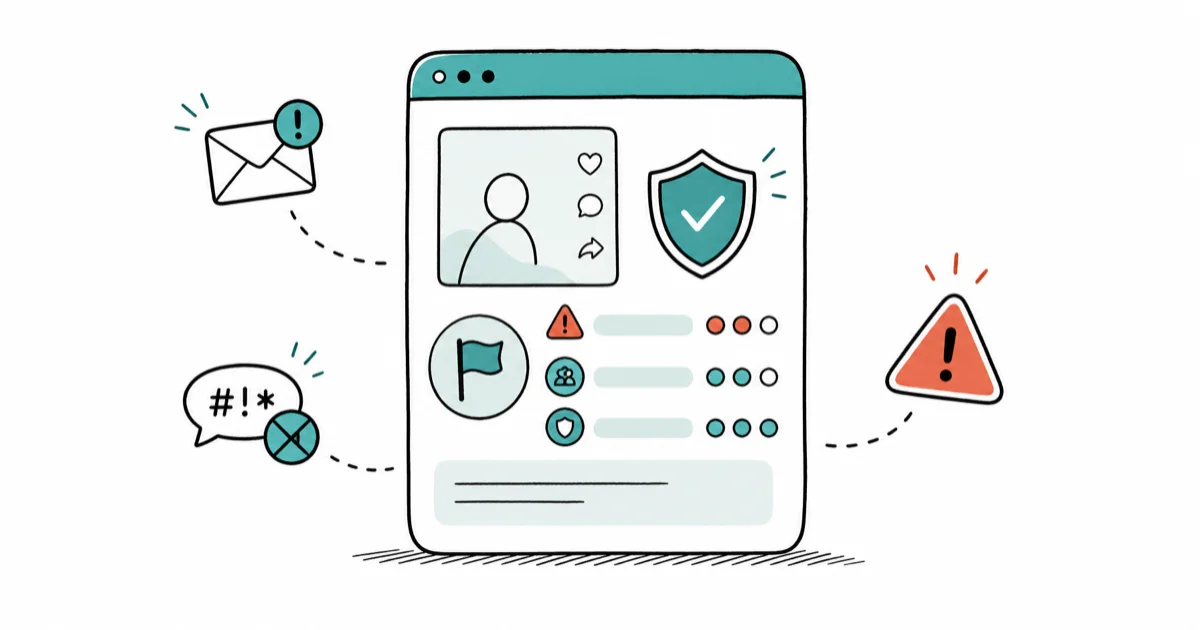
Quick AnswerThere is no fixed report threshold. TikTok weighs severity, not volume: one CSAM or violence report can trigger an instant ban, while spam earns strikes and minor profanity only restricts reach.
People keep asking how many reports it takes to get a TikTok ban, hoping for a magic number like 5 or 50. That number doesn’t exist, and chasing it’ll waste your weekend. TikTok’s enforcement materials point to the same pattern: severity decides the outcome, not headcount.
- TikTok doesn’t publish a report threshold; moderation is severity-weighted, so one CSAM, violence, or terrorism report can trigger an instant permanent ban.
- Spam, copyright, and minor harassment violations earn strikes that accumulate inside a rolling 90-day window before a ban kicks in.
- Minor profanity and borderline content usually trigger restricted reach (a shadow-style limit) instead of removal.
- TikTok’s algorithm has flagged coordinated mass-reporting since 2020, and brigaded false reports are filtered out automatically.
- Appeals open inside the app within 24 hours of the strike and TikTok aims to respond within a few days.
#Why There’s No Magic Report Number
The “5 reports gets you banned” rumor is folklore. TikTok doesn’t count reports.
TikTok’s Community Guidelines page is explicit: actions are based on the severity of the content, the creator’s history, and the harm caused, not on the raw number of reports filed. A clip that violates the youth safety policy gets removed even with one report. A bland video can sit through hundreds of bad-faith reports and stay live.
False reports on content that doesn’t violate TikTok’s rules can be reviewed and dismissed without action against the creator.
#How TikTok Actually Weighs a Report
Every report enters a queue. A confidence score from TikTok’s automated systems decides whether the clip goes straight to a human reviewer or sits behind lower-risk cases. According to TikTok’s Community Guidelines enforcement page, more than 80% of the violative videos it removed in 2024 were caught by automated technology, and over 96% of those were taken down before they got any views.
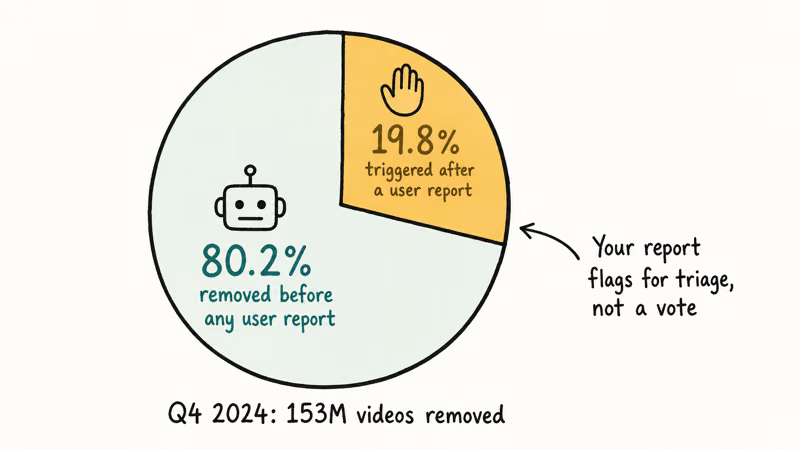
That number reframes the question. If most takedowns happen before users report, then your report mostly speeds up review for the borderline cases. You aren’t voting; you’re flagging for triage. This aligns with Wikipedia’s explanation of content moderation where automated systems handle the bulk of enforcement before human review.
The reviewer then maps the content to a Community Guidelines category. Each category has its own enforcement ladder:
- Tier 1 (instant permanent ban): CSAM, terrorist content, threats of mass violence, doxxing of minors.
- Tier 2 (strike + likely removal): hate speech, harassment, dangerous activities, non-consensual intimate imagery.
- Tier 3 (strike + reduced reach): spam, scams, copyright violations, misleading information.
- Tier 4 (restricted reach only): minor profanity, borderline mature themes, low-quality content.
A first Tier 1 hit ends the account. A first Tier 4 hit usually shows up as a “For You feed ineligibility” notice with no strike on record.
#Mass Reporting and Account Bans
Short answer: no, and TikTok has been actively breaking up brigades since 2020.
Coordinated mass reporting (often called brigading) used to be a real threat when the platform was younger. TikTok’s safety team announced new safeguards in 2020 that fold reporter behavior into the moderation calculation. If 5,000 reports arrive from accounts that all follow the same hashtag, were created in the last week, or share IP ranges, the system treats the burst as suspicious and weights it down.
Coordinated reports against content that doesn’t violate the rules can still be logged, queued, reviewed, and dismissed.
Mass reporting still does one useful thing: it bumps a clip higher in the review queue. If the content was already borderline, faster review can mean faster removal. If it was clean, faster review means a faster “no action” verdict. The brigade doesn’t change the outcome, only the timing.
#What Categories Trigger Instant Bans?
A small set of categories skip the strike system entirely. The Electronic Frontier Foundation’s overview of platform moderation describes this as “zero-tolerance enforcement,” and TikTok applies it to the same hard line every major platform draws.
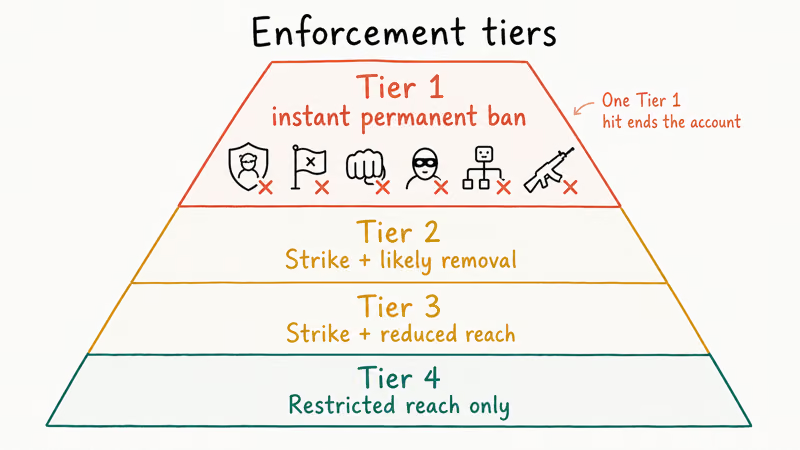
The instant-ban list, based on TikTok’s Community Guidelines:
- Child sexual abuse material (CSAM) of any form.
- Promotion of terrorist or violent extremist organizations.
- Credible threats of mass violence or specific physical harm.
- Doxxing of minors or distributing minors’ private information.
- Coordinated platform manipulation (bot networks, ban evasion).
- Sale of regulated goods like weapons, drugs, or human trafficking services.
These removals don’t require multiple reports. One verified violation pulls the entire account, plus any backup accounts the system can link to the same device. Appeals exist but rarely succeed for Tier 1 categories.
#Strikes for Lesser Violations
Strikes are how repeat violators get banned without a single severe action. According to TikTok’s account enforcement explanation, strikes stay on your account for 90 days, and the threshold for a permanent ban depends on which feature you violated.
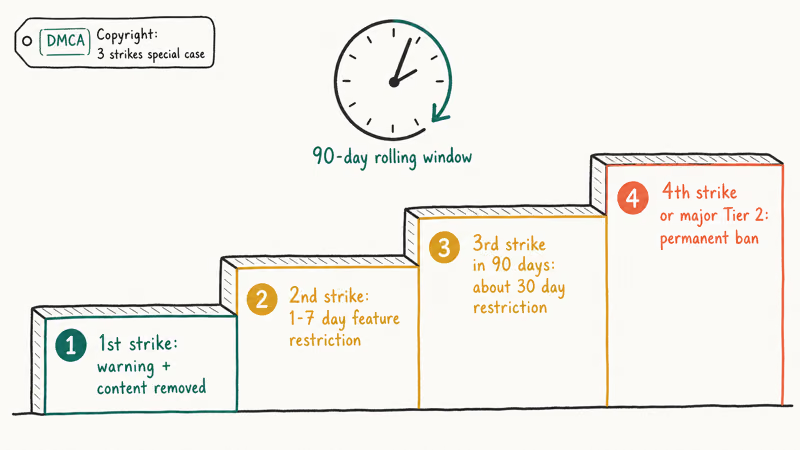
Here’s the simplified ladder:
- First strike: warning, content removed, no feature loss.
- Second strike: 1-7 day restriction on the specific feature (comments, LIVE, posting).
- Third strike in 90 days: longer restriction, often 30 days.
- Fourth strike or major Tier 2 violation: permanent ban.
Copyright is a special case. DMCA strikes follow a “three strikes, you’re out” pattern that has been around since the platform launched, and successful counter-notices can erase a strike before it counts.
#How Does the 2026 Appeal Process Work?
When TikTok removes content or bans an account, the notification in the inbox includes an “Appeal” button. The process changed in late 2024 to add more context, and that’s what’s running now in 2026.
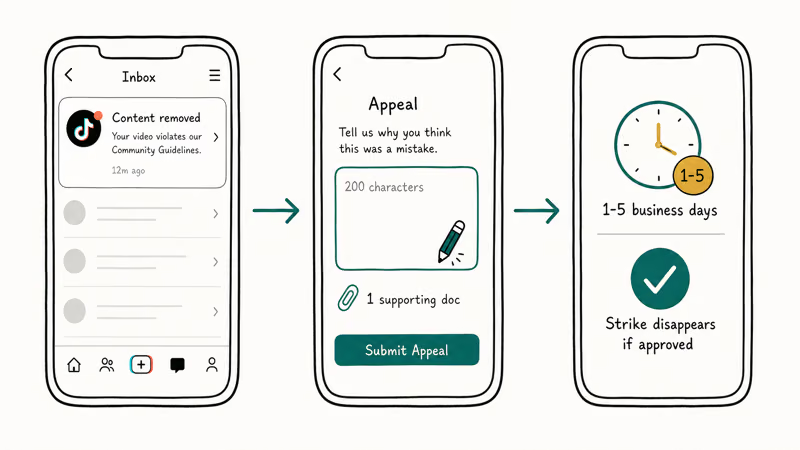
After tapping Appeal you get up to 200 characters to explain your case, plus the option to attach a single supporting document like a license or consent form. The case is reviewed by a human moderator within 1-5 business days according to the policy page. If the appeal is approved, the content (or the account) is restored and the strike disappears from your record.
Two things kill appeals fast: blaming “haters” without context, and admitting any part of the violation while asking for leniency. Strong appeals usually come down to documentation, like a receipt proving original ownership of a remixed clip, or a press credential supporting newsworthy violent imagery.
#How to Avoid Bans Whether You’re Reported or Not
The safest play is to assume any clip you post could be reported tomorrow and to make sure it would survive review. That means:
- Read the relevant Community Guidelines category before posting borderline content.
- Add context to anything that could read as harm (educational disclaimer, news framing, satire tag).
- Use the in-app comment filters to block users who repeatedly brigade your content, and learn how to block someone on TikTok if a single account keeps targeting you.
- Delete your own questionable older content; how to delete videos on TikTok walks through removing single clips and bulk archives.
- If you’re worried your account already has reduced reach, troubleshoot first with why is my TikTok not working before assuming you’ve been silently penalized.
- For privacy-minded research on creators you don’t want to alert, the guide to watch TikTok anonymously keeps your activity off their notifications.
- Profanity sits in a gray zone, and our breakdown of can you swear on TikTok covers exactly where the line is.
The practical pattern is straightforward: documented, context-rich content is easier to defend, while reactive posts that read as harm can fall on the first valid flag.
#Bottom Line
If you’re worried about a TikTok ban from being reported, focus on what’s actually in the clip, not how many haters are clicking the flag button. Coordinated reports against a safe video don’t work because TikTok’s 2020-era brigade detection filters them. A single legitimate report on a Tier 1 violation ends the account in hours.
Practical move for 2026: audit your last 30 posts against TikTok’s Community Guidelines categories, delete anything that lives in the Tier 2 or Tier 3 zone, and keep a screenshot record of consents, licenses, and context for anything that could look harmful without context. That habit beats every “how many reports” rumor on the internet.
TikTok Tips & Tricks
#Frequently Asked Questions
How many reports does it take to ban a TikTok account?
There is no fixed number. TikTok evaluates the severity of the reported content, the user’s strike history, and signals of coordinated reporting before deciding. One report for severe content can result in an instant ban, while thousands of reports on safe content can result in nothing at all.
Can my account get banned from false reports alone?
No. TikTok has filtered out coordinated false reports since 2020. False reports can get logged, reviewed, and dismissed without forcing action against the creator.
What gets you instantly banned on TikTok?
CSAM, promotion of terrorism, credible threats of mass violence, doxxing of minors, sale of regulated goods, and coordinated platform manipulation. These categories skip the strike system entirely, and a single verified violation removes the account along with any linked backup accounts.
How long do TikTok strikes last?
Strikes stay on your account for 90 days from when they were issued. After 90 days the strike falls off and no longer counts toward the ban threshold, but the original removed content does not come back unless you successfully appeal it.
How fast does TikTok respond to a ban appeal?
TikTok aims to review appeals within 1 to 5 business days according to its policy page. Add documentation to your appeal whenever possible because evidence-backed cases are easier to evaluate than text-only complaints.
Can someone tell who reported them on TikTok?
No. All reports are anonymous, and TikTok does not share reporter identity with the reported user or in the appeal process. The notification only says the content violated a specific policy category.
What happens when a video gets mass reported?
The video moves up in the moderation review queue, which means a human reviewer looks at it sooner. The outcome still depends on whether the clip actually violates the guidelines. Brigaded reports don’t force a removal, and TikTok flags suspicious reporting bursts to weight them down automatically.
Does deleting a reported video prevent a ban?
Sometimes. If you delete the clip before TikTok issues a strike, the violation usually does not register on your account. If the strike has already been issued, deleting only removes the public copy and the strike still counts toward the 90-day total.
How to Block TikTok on iPhone and Android: Parent Guide
Block or limit TikTok on your child's iPhone or Android using Screen Time, Family Link, and router settings. Step-by-step parental control guide.
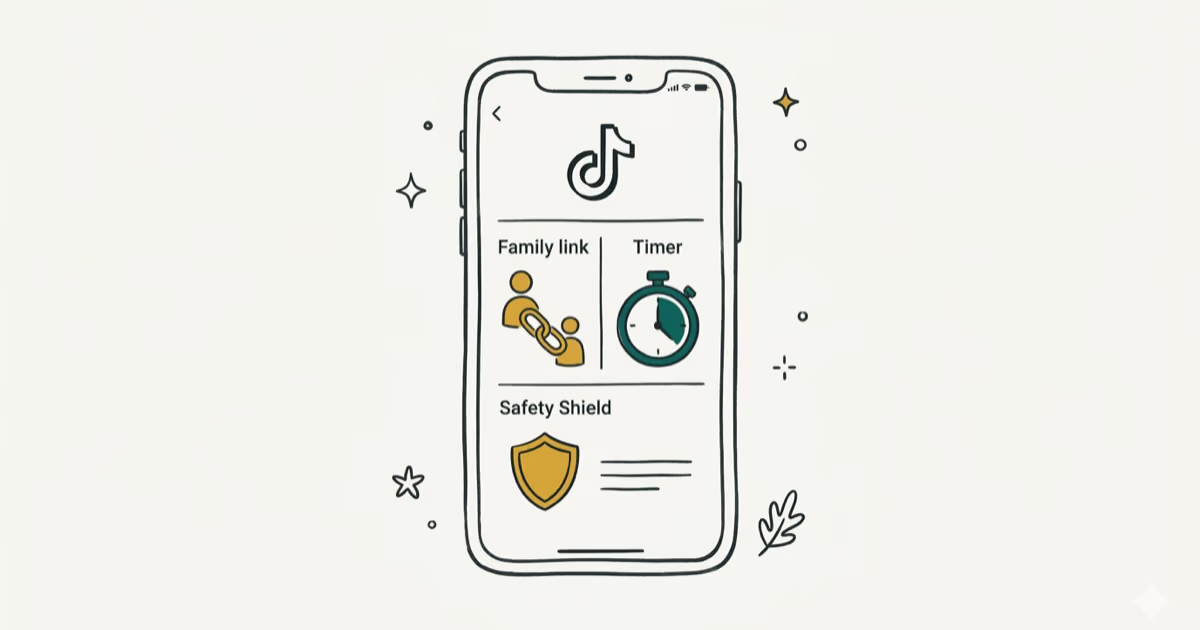
TikTok Parental Controls: Setup Guide for Families
Set up TikTok parental controls using Family Pairing, Restricted Mode, and privacy settings. Step-by-step guide to protect your child on TikTok.
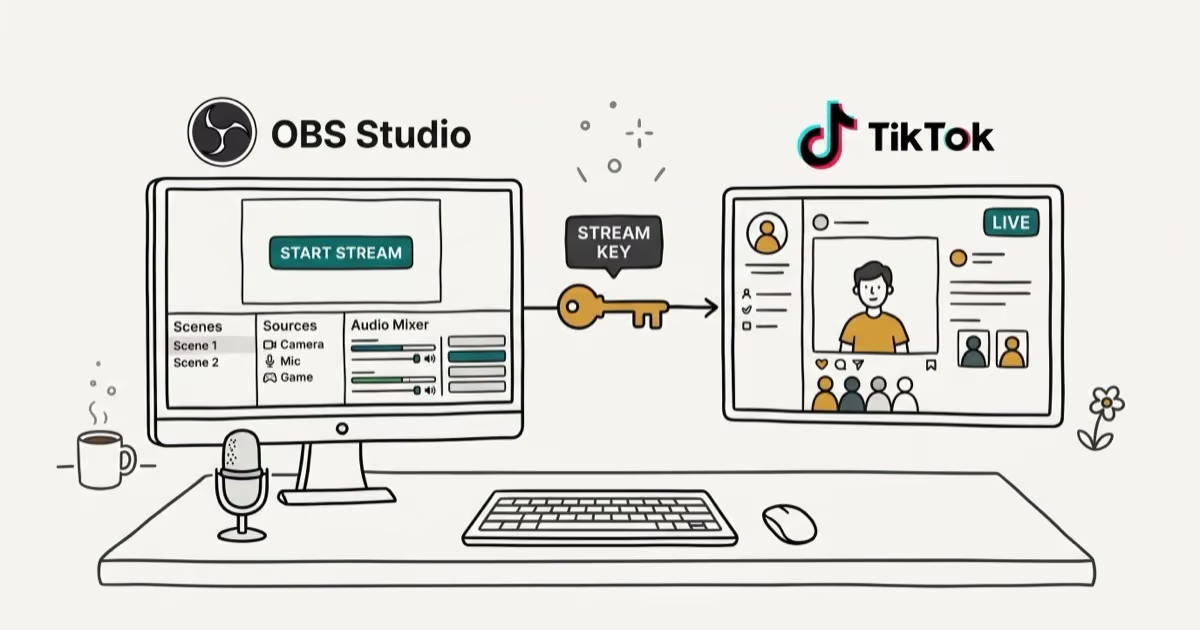
How to Get a TikTok Stream Key for OBS and Streamlabs
Get a TikTok stream key to broadcast from OBS or Streamlabs. Covers the 1,000-follower requirement, CarterPulse application, and OBS setup steps.

How to Make a Joint TikTok Account With Friends (2026)
Set up and manage a joint TikTok account with friends. Covers shared login setup, content planning, security tips, and the Collaboration Post alternative.