The Best Vintage Headphones: Retro Sound with Modern Appeal
Discover the best vintage headphones in 2026 including Koss Porta Pro, Sennheiser HD 599, and more. Reviews, buying tips, and maintenance advice.
Quick AnswerThe best vintage headphones include the Koss Porta Pro for classic on-ear style, Sennheiser HD 599 for audiophile-grade sound, and Marshall Major IV for iconic rock aesthetics. Each combines retro design with warm, rich audio quality.
In an era of rapidly advancing audio technology, there’s something appealing about vintage headphones. These classic models pair retro looks with warm, rich sound that many modern headphones can’t replicate. Whether you’re an audiophile chasing analog warmth or you love the timeless designs of yesteryear, vintage cans give you a listening session unlike any other.
In this guide, we’ll cover the best vintage headphones available in 2026 and walk through features, sound quality, and value, including how each pair holds up on both a desktop source and a phone-only setup.
- The Koss Porta Pro, introduced in 1984, weighs just 60g and delivers a wide soundstage that rivals headphones costing several times more.
- The Marshall Major IV offers over 80 hours of wireless playtime, combining vintage rock aesthetics with modern Bluetooth convenience.
- Well-maintained vintage headphones can last 20+ years; many classic models have replaceable ear pads and cables to extend their lifespan.
- High-impedance vintage models may need a dedicated headphone amplifier to reach their full volume and sound quality potential.
- The original Sennheiser HD 414, launched in 1968, was the world’s first open-back headphone and directly influenced how all modern open-back designs work.
#Top Vintage Headphone Models of 2026
Based on sound quality, build, and value, these models stand out as the best vintage headphones currently available:
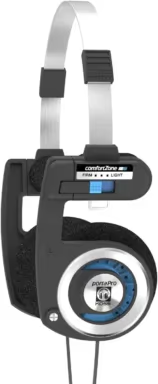
- Koss Porta Pro
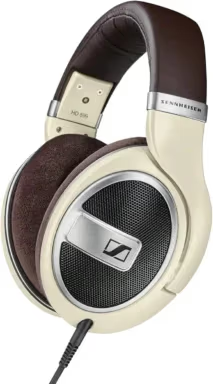
- Sennheiser HD 599
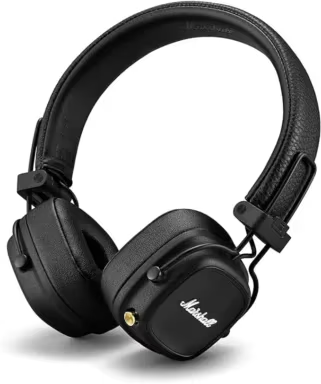
- Marshall Major IV
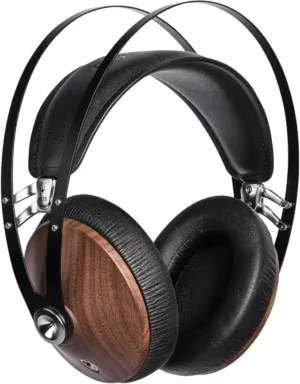
- Meze 99 Classics
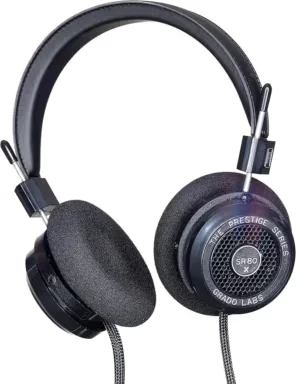
- Grado SR80x
- JLab Rewind Wireless Retro Headphones
Each of these models offers a unique combination of classic design and impressive audio performance. Let’s take a closer look at what makes these vintage headphones stand out.
#What Should You Look for When Choosing Vintage Headphones?
Before diving into detailed reviews, it’s important to understand the key factors that make a great pair of vintage headphones:
#Sound Quality and Signature
Vintage headphones are often prized for their warm, rich sound signature. Look for models that offer a balanced audio profile with clear mids, detailed highs, and a smooth bass response. Keep in mind that personal preference plays a significant role in determining what sounds “best” to you.
#Design and Aesthetics
One of the main draws of vintage headphones is their classic, retro design. Consider models that not only sound great but also look the part, with timeless styling that harkens back to the golden age of audio.
#Comfort and Fit
Even the best-sounding headphones can be a pain if they’re uncomfortable to wear. Look for models with plush ear cushions, adjustable headbands, and a lightweight design that allows for extended listening sessions. If you wear glasses, you might want to check out our guide on the best headphones for glasses wearers for additional comfort considerations.
#Durability and Build Quality
Vintage headphones should be built to last. Many classic models have sturdy construction with high-quality materials that can withstand years of use. Pay attention to the quality of the cables, hinges, and overall build. According to Koss’s warranty and repair page, its wired headphones carry a Limited Lifetime Warranty against defects in materials and workmanship for the initial owner, which says a lot about how repairable these designs are decades later.
#Price and Value
While some vintage headphones can command premium prices, there are excellent options available at various price points. Consider your budget and look for models that offer the best value for your money.
#Detailed Reviews of Top Models
#Koss Porta Pro
The Koss Porta Pro is a true icon in the world of vintage headphones. First introduced in 1984, these on-ear headphones have kept their popularity through exceptional sound quality and a compact, foldable design. Koss’s official Porta Pro page confirms that the company still produces the model with the same driver design, and states that every unit ships with a Lifetime Warranty.
Key Features:
- Lightweight design (only 60g)
- Adjustable temporal pads for personalized comfort
- Frequency response: 15-25,000 Hz
- Inline volume control and multi-function button
Sound Quality: The Porta Pro has a soundstage that’s surprisingly wide for its size, with punchy bass, clear mids, and smooth highs, whether it’s driven by a basic phone-dongle DAC or a desktop amp. The open-back design contributes to a more natural, spacious sound.
Comfort: Despite their on-ear design, the Porta Pros are remarkably comfortable for extended listening sessions. The adjustable headband and temporal pads allow for a customized fit.
Value: Priced affordably, the Koss Porta Pro offers exceptional value, delivering sound quality that rivals much more expensive headphones.
As an Amazon Associate, fone.tips earns from qualifying purchases. Some links on this page are affiliate links.
#Sennheiser HD 599
The Sennheiser HD 599 represents the pinnacle of the company’s 500 series, with audiophile-grade sound in a classic, open-back design. According to Sennheiser’s HD 599 product page, the headphone has a 50-ohm impedance and a frequency response of 12 Hz to 38.5 kHz — useful numbers if you’re pairing it with a portable source.
Key Features:
- Open-back design for a wide soundstage
- Proprietary Sennheiser transducers
- Detachable cable
- Impedance: 50 ohms
Sound Quality: The HD 599 delivers a well-balanced, natural sound with excellent clarity and detail. The open-back design creates a spacious soundstage that’s perfect for classical music and acoustic recordings.
Comfort: With velour-covered ear cushions and a padded headband, the HD 599 is designed for long listening sessions. The over-ear design provides excellent comfort and a good seal. If you have a larger head size, you might appreciate our guide on headphones for big heads for additional options.
Value: While pricier than some options on this list, the HD 599 justifies its cost with superior sound quality and build.
#Marshall Major IV
For those seeking vintage style with modern wireless convenience, the Marshall Major IV delivers in spades.
Key Features:
- Wireless Bluetooth connectivity
- 80+ hours of playtime
- Custom-tuned 40mm dynamic drivers
- Collapsible design for easy storage
Sound Quality: The Major IV has a punchy, rock-oriented sound signature with emphasized bass and crisp highs. According to Marshall’s Major IV product page, the headphone is rated for over 80 hours of wireless playtime per charge and supports a quick 15-minute charge for 15 hours of use.
Comfort: The on-ear design may not be for everyone, but the soft ear cushions and lightweight build make these comfortable for most users. For those prioritizing comfort, our guide on the most comfortable headphones might be helpful.
Value: Considering the wireless functionality and long battery life, the Marshall Major IV offers good value for those wanting vintage style with modern features.
#Meze 99 Classics
The Meze 99 Classics blend vintage aesthetics with modern audio engineering, resulting in a truly premium headphone experience.
Key Features:
- Walnut wood ear cups
- Self-adjusting headband
- 40mm dynamic drivers
- Detachable Kevlar OFC cables
Sound Quality: The 99 Classics offer a warm, rich sound with excellent bass response and smooth highs. The wooden ear cups contribute to a natural timbre that’s especially pleasing with acoustic and vocal music. The low-mid lift runs noticeably warmer than the more neutral HD 599, and that tilt makes a big difference for jazz and unplugged recordings.
Comfort: Surprisingly comfortable for the weight. The self-adjusting headband does the heavy lifting here.
Value: While they’re the most expensive option on our list, the Meze 99 Classics justify their price with exceptional build quality and sound performance.
#Grado SR80x
The Grado SR80x continues the legacy of the beloved SR80 series, offering detailed, open-back sound in a classic design.
Key Features:
- Open-back design
- 44mm dynamic drivers
- Improved 4-conductor cable
- Made in Brooklyn, USA
Sound Quality: Known for their detailed, transparent sound, the SR80x delivers crisp highs and clear mids. Bass is present but not emphasized, making these ideal for listeners who prioritize clarity and accuracy. The detail-forward signature tends to surface more micro-detail on vocals and acoustic guitar than the warmer HD 599.
Comfort: Takes some getting used to.
Value: Offering audiophile-grade sound at a mid-range price point, the Grado SR80x represents excellent value for serious music lovers.
#Legendary Vintage Headphone Models
While not all vintage models are readily available today, it’s worth mentioning some legendary headphones that have left a lasting impact on the audio world:
- Koss Pro/4AA: Introduced in 1970, these were among the first dynamic headphones to deliver full-range, high-fidelity sound.
- Original Sennheiser HD 414: Launched in 1968, these were the world’s first open-back headphones, revolutionizing personal audio. According to Sennheiser’s company history on Wikipedia, the HD 414 was the world’s first open-back model and set the template every open-back design has followed since.
- Sony MDR-V6: A staple in recording studios since 1985, known for their accurate, neutral sound signature.
These models paved the way for modern headphone design and continue to influence audio technology today.
#Maintenance and Care Tips for Vintage Headphones
To ensure your vintage headphones continue to deliver great sound for years to come, follow these maintenance tips:
- Clean regularly: Use a soft, dry cloth to wipe down headphones after each use. For deeper cleaning, lightly dampen the cloth with water or a mild cleaning solution.
- Replace ear pads: Over time, ear pads can wear out or become unhygienic. Many vintage models have replaceable pads available.
- Store properly: When not in use, store your headphones in a cool, dry place. Use a headphone stand or case to protect them from dust and damage.
- Handle with care: Avoid yanking on cables or twisting headbands excessively. Treat your vintage headphones gently to extend their lifespan.
- Check connections: Regularly inspect cable connections and solder joints for any signs of wear or damage.
#Where Can You Buy Genuine Vintage Headphones?
Finding genuine vintage headphones can be challenging, but several options are available:
- Online marketplaces: Websites like eBay, Reverb, and Amazon often have listings for vintage headphones.
- Specialty audio shops: Many high-end audio retailers carry vintage or vintage-inspired headphones.
- Audio forums: Communities like Head-Fi and AudioKarma often have classified sections where members buy and sell vintage audio equipment.
- Manufacturer websites: Some brands, like Koss and Grado, still produce their classic models and sell them directly.
When buying vintage headphones, especially used models, be sure to check the seller’s reputation and ask about the headphones’ condition and history.
#Bottom Line
If you only want one recommendation, start with the Koss Porta Pro. It’s the best dollar-for-dollar pick on this list, weighs just 60g, and the Lifetime Warranty effectively turns it into a no-risk purchase.
Step up to the Sennheiser HD 599 when you can pair it with a desktop source. Choose the Marshall Major IV only if wireless and 80-hour battery life are non-negotiable, and reach for the Meze 99 Classics when build quality and a warmer, wooden timbre matter more than budget.
As Koss notes on its Porta Pro page, the design dates to 1984 and has stayed in continuous production for over 40 years.
For shoppers who want bookshelf-style audio without the bulk, see our roundup of the best Bluetooth headphones under 100. If you’re hunting for a gaming headset with a similar retro flair, check our guide to the best headset for Tarkov, and if you wear glasses, see our comfort-focused guide linked earlier in this article.
#Frequently Asked Questions
Are vintage headphones better than modern ones?
It depends on personal preference. Vintage headphones often have a warmer, more “analog” sound signature that many listeners find pleasing. Modern headphones can win on technical specs and features like active noise cancellation. Classics like the Porta Pro and HD 599 still hold their own against $300 modern over-ears for tonality, but the open-back design loses badly on isolation.
Can you use vintage headphones with a smartphone or digital audio player?
Most vintage headphones use a standard 3.5mm jack, which is compatible with many modern devices. You may need an adapter for phones that only have USB-C or Lightning ports.
How long do vintage headphones typically last?
Well-maintained vintage headphones can last for decades. Many users report using the same pair for 20+ years with proper care, and Koss states that its Porta Pro is covered by a Lifetime Warranty for the original owner.
Are vintage headphones repairable?
Many vintage headphones are designed to be repairable, with replaceable parts available. Availability of parts can vary by model, though Sennheiser, Koss, Grado, and Meze all stock replacement pads and cables for current models. Swapping the pads on a Porta Pro takes just the official kit and no soldering.
Do vintage headphones require a special amplifier?
Some do, some don’t. Models with impedance above 150 ohms benefit from a dedicated headphone amp, while most picks in this guide drive fine off a phone or laptop. The Beyerdynamic DT 880 in its 250-ohm version really does want a desktop amp to reach full volume without distortion. If you’re plugging into a phone via a USB-C dongle, stick with the 50-ohm or lower options from this list.
Are open-back vintage headphones a good choice for commuting?
Not really. Open-back models leak sound both ways. Use closed-back picks like the Major IV instead.
What’s the most affordable way into the vintage sound?
The Koss Porta Pro is the easiest on-ramp. Koss confirms that the model launched in 1984 and is still produced today, so you’re getting a true classic design at a budget price rather than a marketing-driven reissue.

Best Laptop for Running LLMs in 2026: Memory Comes First
The best laptop for running LLMs is a memory purchase first. Compare MacBook unified memory against NVIDIA laptop VRAM, and see what each tier really runs.
Pixel 11 vs Pixel 10: What Changed and Who Should Upgrade
Pixel 11 vs Pixel 10: same screen and camera resolution, new Tensor G6, 25W wireless, and Gemini Intelligence. Here is who should actually upgrade.

Best Power Bank for iPad in 2026: Pro, Air, and Mini
Best power bank for iPad in 2026. Compare mAh tiers and USB-C PD wattage for iPad Pro, Air, and mini, plus airline Wh math, cables, and travel tips.
Best Power Bank With Built-In Cable: Top 2026 Picks
Best power bank with built-in cable picks for 2026. Compare single USB-C, multi-connector, and retractable laptop banks, plus airline Wh math.