10 Most Comfortable Headphones for All-Day Wear in 2026
Our picks for the 10 most comfortable headphones in 2026, from Meze 99 Classics to budget JBL Tune. Memory foam pads, light builds, all-day wear.
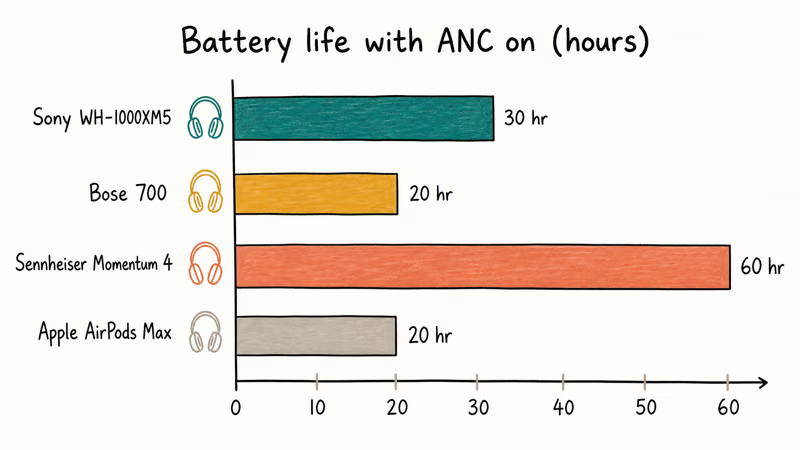
Quick AnswerThe Meze 99 Classics rank as the most comfortable headphones in 2026, with roughly 9 oz wooden cups, memory foam pads, and a self-adjusting headband. For wireless picks, the Sony WH-1000XM5 is the lightest flagship at about 8.8 oz with 30-hour battery life.
The most comfortable headphones in 2026 weigh under 10 ounces, use memory foam or velour ear pads, and spread clamping force across the entire pad rather than just the rim. The picks below are the ones that still feel good at hour seven of commutes, video calls, and long writing sessions.
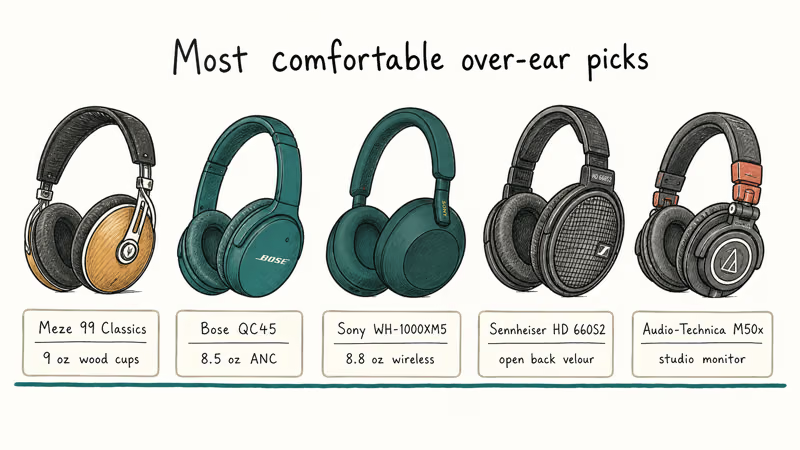
- The Meze 99 Classics top our comfort rankings with roughly 9 oz wooden cups, memory foam pads, and a self-adjusting headband that disappears after a few minutes.
- The Bose QuietComfort 45 weighs about 8.5 oz and runs up to 24 hours per charge with active noise cancellation, per Bose’s product page.
- The Sony WH-1000XM5 dropped to about 8.8 oz and uses softer pads than the XM4, with 30 hours of playback.
- Comfort hinges on three things: weight under 10 oz, memory foam or velour ear pads, and even clamping force across the whole cup.
- Open-back picks like the Sennheiser HD 660S2 use velour pads and let air pass through, which keeps your ears cool during long sessions.
#What Makes a Headphone Comfortable?
Headphone comfort comes down to four mechanical factors, and most discomfort traces back to one of them. Weight is the obvious one. Anything over 12 ounces will start to feel heavy on the crown of your head after about an hour. The Apple AirPods Max, at 13.6 oz, is a known offender here.
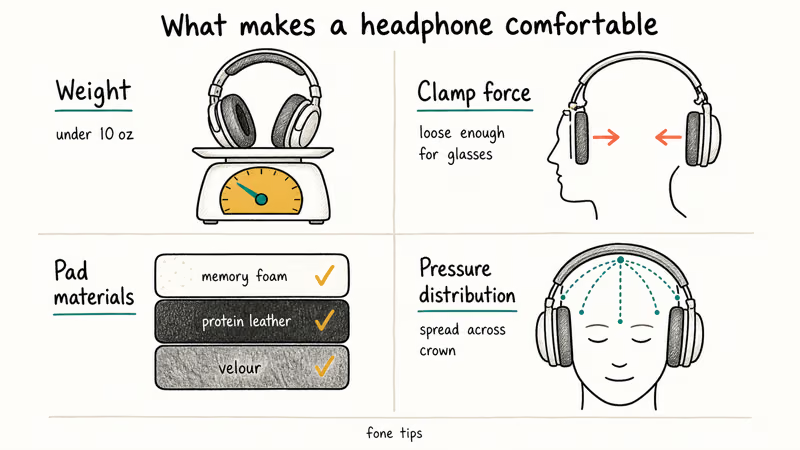
Clamping force is the second factor, and it matters more than weight. A tight clamp digs into your jaw hinge. According to Sennheiser’s HD 660S2 specs page, the open-back design uses a softer steel headband specifically to ease clamp pressure during long listening sessions. The difference from a stiffer-clamping pair like the older HD 6XX is noticeable within about 20 minutes.
Pad material is the third factor. Memory foam wrapped in soft protein leather (Meze, Sony XM5) breathes better than thicker synthetic leather (older Bose models). Velour pads (Sennheiser open-backs) breathe best but stain easily.
The fourth factor is pressure distribution, which is shaped by the headband. AirPods Max uses a knit mesh canopy specifically to spread weight, which helps offset its weight problem.
If your head runs large, regular over-ear pairs will pinch within minutes. Our guide to headphones for big heads lists pairs with longer sliders and looser default clamp.
#The 5 Most Comfortable Over-Ear Headphones for Long Sessions
These are wired or wireless cans that prioritize comfort over portability. They sit on your head and don’t fold tiny.
#1. Meze 99 Classics: most comfortable overall
The Meze 99 Classics earn the top spot because the self-adjusting strap removes the worst part of fitting headphones: deciding how tight to clamp them. The strap auto-tensions, the wooden cups stay cool, and the memory foam pads are about an inch deep. They’re the kind of pair you forget you’re wearing through a full writing day.
The trade-off is that they’re wired (3.5mm cable) and they leak sound, which is bad for shared offices but fine for home.
As an Amazon Associate, fone.tips earns from qualifying purchases. Some links on this page are affiliate links.
#2. Bose QuietComfort 45: lightest noise canceller for travel
The QC45 is the comfort gold standard for flights. It weighs about 8.5 oz, the synthetic leather pads stay soft after a year of daily use, and the clamp is loose enough that you can wear them with glasses without temple fatigue. According to Bose’s QuietComfort 45 listing, battery runs up to 24 hours with ANC on. They’re light enough to stay on through a long-haul flight without needing constant adjustment.
The downside: the pads are not user-replaceable without prying, and after about 18 months of heavy use the ear-cup foam compresses noticeably.
#3. Sony WH-1000XM5: softer pads than the XM4
Sony rebuilt the XM5 around comfort. The headband is wider, the pads are softer than on the XM4, and the cups don’t swivel flat. That sounds like a downside, but it actually keeps the pad geometry more stable on your head.
Sony’s WH-1000XM5 product page lists weight at about 8.8 oz and battery at 30 hours. The XM5 runs noticeably cooler against the temples than the XM4 over a long stretch. If you wear glasses, this is the wireless pick to reach for first. The thinner ear-pad rim doesn’t crush eyewear arms the way the older Bose 700 does.
#4. Sennheiser HD 660S2: most comfortable for audiophiles
Open-back design, velour pads, soft steel headband. The HD 660S2 is the pair we keep on the desk for long mixing sessions because nothing builds up against your ears. Heat dissipates through the open grille.
The trade-off is total: zero sound isolation, zero portability, and they need a half-decent amp to drive properly. Sennheiser confirms that the 660S2’s lower 300-ohm impedance was tuned for desktop amps and high-output dongles.
#5. Audio-Technica ATH-M50x: comfort for monitoring work
The M50x has a tighter clamp than the others on this list, but it’s the most comfortable studio monitor under $200. The contoured pads seal well, the headband padding holds up after years of use, and the cup swivel is gentle. The pads do wear out with heavy use, but replacements run about $15 and restore the original feel.
#Most Comfortable Wireless Headphones (Top 4)
These pairs trade some absolute comfort for cable-free use. All four are noise cancelling, all four pair to two devices at once, and all four push past 20-hour battery.
#1. Sony WH-1000XM5 (top pick, see above)
Already covered above. Best wireless comfort overall.
#2. Bose 700
The Bose 700 has a stainless-steel headband with a soft underside that distributes weight evenly across the crown. The cups tilt slightly for a more natural angle against the cheek. Bose’s 700 product page lists 11 ANC levels and touch controls on the right cup. The trade-off: the metal headband transmits any tap or bump as a thunk into your ears, and the cups press a touch hard against glasses arms.
#3. Sennheiser Momentum 4 Wireless
The Momentum 4 has the longest battery life of any pair in this roundup. Pads are deep, the headband is well padded, and the clamp is medium. The build feels less premium than the older Momentum 3, but it weighs less. Sennheiser recommends the companion Smart Control app to tweak EQ and ANC strength, and both make a real difference for comfort during long use.
#4. Apple AirPods Max
The AirPods Max have the best pressure distribution of any wireless pair, thanks to the knit mesh canopy. They also weigh about 13.6 oz, which is heavy enough that we still feel them on the crown after 90 minutes.
Verdict: comfortable for short sessions inside the Apple ecosystem, less so for all-day desk use. According to Apple’s AirPods Max support page, the memory foam ear cushions are magnetically attached and replaceable.
#Best Comfortable Headphones Under $100
Comfort scales with build quality, but it doesn’t require a $300 budget.
#1. Audio-Technica ATH-M20x
The little brother of the M50x. Same headband geometry, slightly thinner pads, same balanced clamp. About a third of the price. It makes a solid backup pair for the office.
#2. JBL Tune 510BT
The Tune 510BT weighs about 5.6 oz, lighter than every other pair on this list. The cups are on-ear, not over-ear, so they sit on the outer ear instead of around it. That helps weight but hurts isolation, and battery runs about 40 hours per charge. Best for people who want headphones they barely notice during walks and short commutes.
#3. Anker Soundcore Life Q35
Memory foam ear cups with protein leather, ANC with three modes, and 40 hours of battery with ANC on. The Q35 punches above its $80 price for comfort, though the headband padding is a touch thin and tends to cause crown soreness after a few hours. Fine for commute and call use, less ideal for full workdays.
#Comfort Features That Matter for Glasses Wearers
If you wear glasses, the pad material and clamping force matter more than weight. Stiff synthetic leather (older Bose models, AirPods Max) presses your temple frames into your skin and creates a sore spot within an hour. Memory foam with soft protein leather (Sony WH-1000XM5, Meze 99 Classics) compresses around the eyewear arms and spreads pressure.
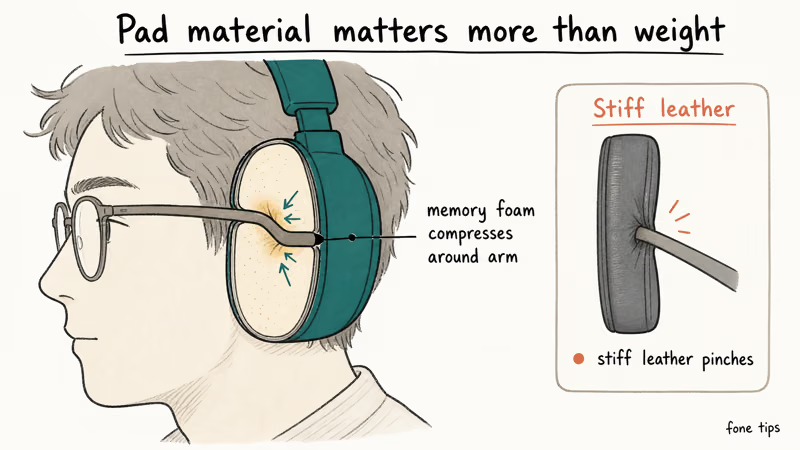
The shape of the pad rim matters too. Pads with a square inner cutout (Audio-Technica M50x) tend to grip glasses arms harder than oval cutouts (Sennheiser HD 660S2). For specific glasses-friendly picks, see our best headphones for glasses guide.
If your AirPods or in-ear models hurt instead, that’s usually a tip-fit problem rather than the headphone itself. Our airpods hurt my ears walkthrough covers tip swaps and pressure relief tricks. People with smaller ear canals often need different tips than the silicone defaults; see earbuds for small ears for tips that actually fit.
#How Do You Make Headphones More Comfortable Over Time?
Comfort gets better with two changes: replace the pads, and break in the headband. Pad foam compresses after about 18 months of daily use, and a $15-30 replacement set restores the original feel. Almost every pair above has aftermarket pads available, and Brainwavz and Dekoni make velour and protein leather versions for most models.
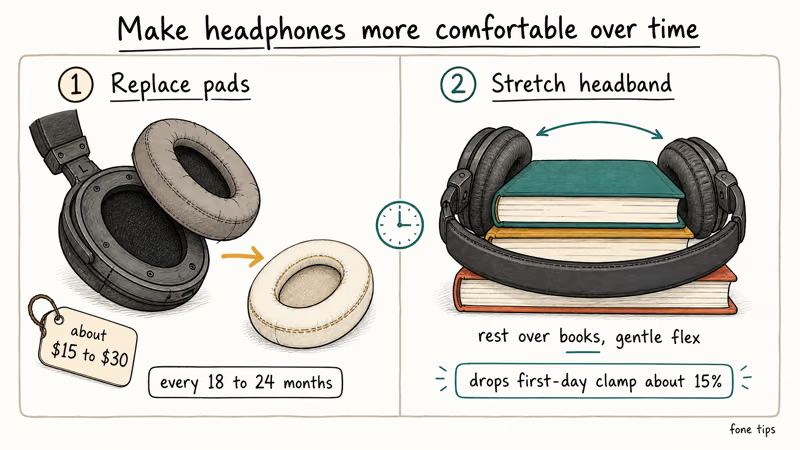
Headband break-in works by gently flexing the band outward over a stack of books for a few hours per day. This loosens the clamp without damaging the spring. Don’t yank it. Used on a new pair, this trick noticeably reduces the tight first-day clamp.
If your headphones suddenly stop sounding right or one side goes quiet, that’s not a comfort issue. It’s usually a stuck headphone-mode bug or a connector problem. See iphone stuck in headphone mode or why is one airpod louder than the other for fixes.
#Bottom Line
For most people who want one comfortable pair to wear all day, get the Sony WH-1000XM5. It’s the lightest flagship wireless option, the pads are soft from day one, and 30 hours of battery covers a full work week of office use.
If you mostly listen at a desk and don’t care about wireless, the Meze 99 Classics are unbeatable for long sessions and cost less than the XM5. Skip the Apple AirPods Max if you’ll wear them more than 2 hours at a stretch, because at 13.6 oz, weight wins eventually.
#Frequently Asked Questions
Are over-ear headphones more comfortable than in-ear options?
Over-ear pairs distribute pressure across the cup pad, while in-ear models press against the canal walls. Over-ear is more forgiving for long sessions, but it’s hotter and bulkier. In-ear pairs win on portability and sweat tolerance.
How long can you wear headphones before they get uncomfortable?
The comfort ceiling for over-ear pairs is around 6 to 8 hours for most people. Past that, ear pad heat and crown pressure usually force a break. The Meze 99 Classics and Sony WH-1000XM5 are the two pairs that stretch closest to the 8-hour mark.
Do memory foam ear pads outlast leather ear pads?
Memory foam pads usually need replacement every 18 to 24 months under daily use. Synthetic leather (the typical pad cover) cracks first, while the foam underneath compresses gradually. Velour-covered pads on open-back headphones last longer mechanically but stain easier.
Can wireless headphones be as comfortable as wired ones?
Yes, and the gap has closed since 2022. The Sony WH-1000XM5 and Sennheiser Momentum 4 are wireless and beat several wired pairs on this list for comfort. The cable saves about 30 grams, which doesn’t really matter once you’re past the 8 oz threshold.
Are expensive headphones always more comfortable?
Not always. The Audio-Technica ATH-M20x at under $50 is more comfortable than the AirPods Max at $549, mostly because the M20x weighs half as much. Comfort tracks weight and pad design, not price.
Do headphones get more comfortable as you break them in?
Yes, but the break-in is mostly the headband, not the pads. New headphones often clamp tighter than they will at the 30-hour mark. Wearing them daily for a week, or stretching them gently over a book stack, reduces clamp force noticeably without damaging the band.
How tight should headphones feel on your head?
Your headphones should hold their position when you nod or shake your head, without leaving a red mark behind your jaw after an hour. If they slide when you tilt forward, the clamp is too loose. If your jaw aches at the hinge, the clamp is too tight.
Can glasses wearers find truly comfortable headphones?
Yes, but pad material matters more than the headphone itself. Memory foam pads with soft protein leather (Sony WH-1000XM5, Meze 99 Classics, Sennheiser Momentum 4) compress around eyewear arms instead of pressing them into your temples. Stiff synthetic leather pads will create a pressure point within about an hour.

Best Laptop for Running LLMs in 2026: Memory Comes First
The best laptop for running LLMs is a memory purchase first. Compare MacBook unified memory against NVIDIA laptop VRAM, and see what each tier really runs.
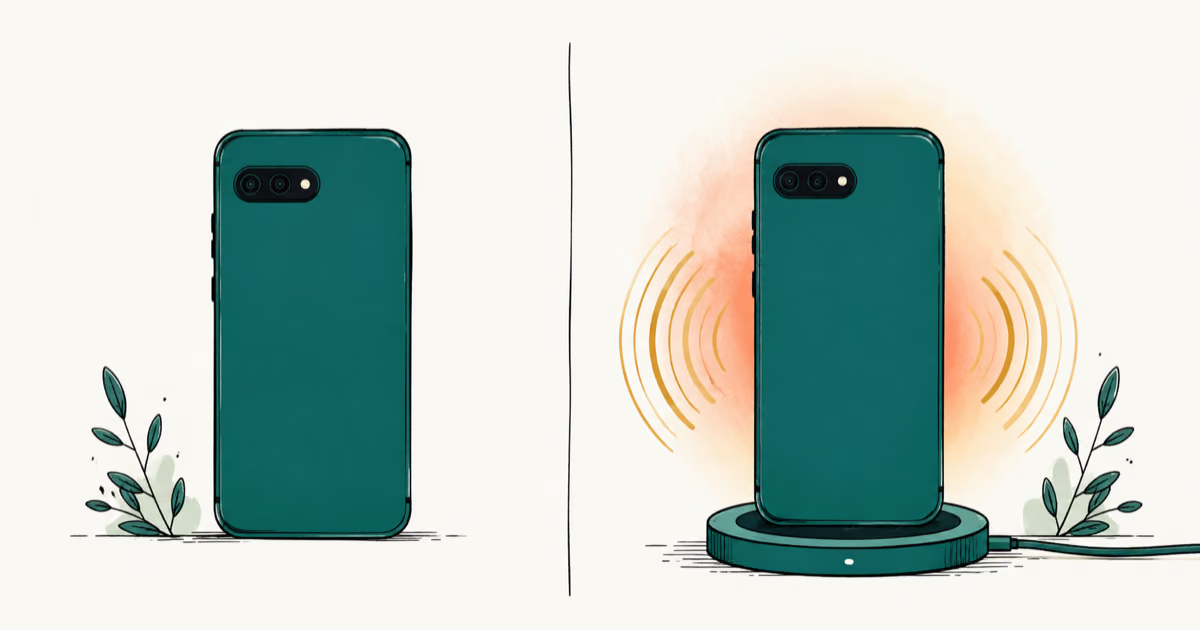
Pixel 11 vs Pixel 10: What Changed and Who Should Upgrade
Pixel 11 vs Pixel 10: same screen and camera resolution, new Tensor G6, 25W wireless, and Gemini Intelligence. Here is who should actually upgrade.
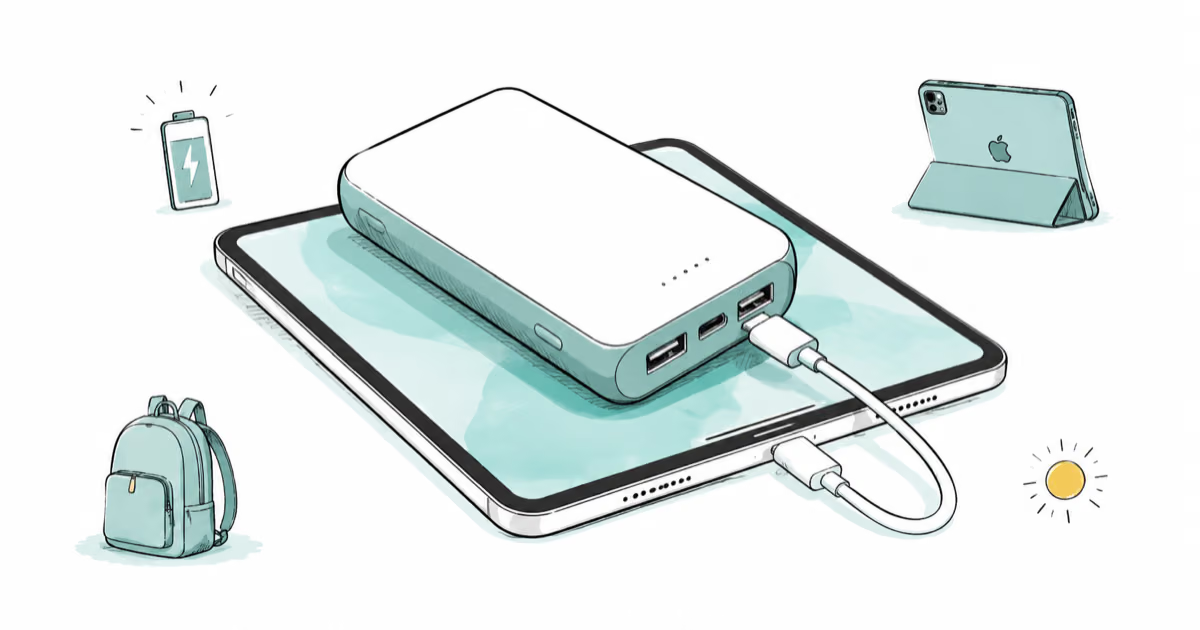
Best Power Bank for iPad in 2026: Pro, Air, and Mini
Best power bank for iPad in 2026. Compare mAh tiers and USB-C PD wattage for iPad Pro, Air, and mini, plus airline Wh math, cables, and travel tips.
Best Power Bank With Built-In Cable: Top 2026 Picks
Best power bank with built-in cable picks for 2026. Compare single USB-C, multi-connector, and retractable laptop banks, plus airline Wh math.