Best Bluetooth Speaker in 2026: Top Picks for Every Use
Compare the best Bluetooth speakers of 2026 across budgets and use cases. JBL Charge 6 leads for most; see home, outdoor, and party picks today.
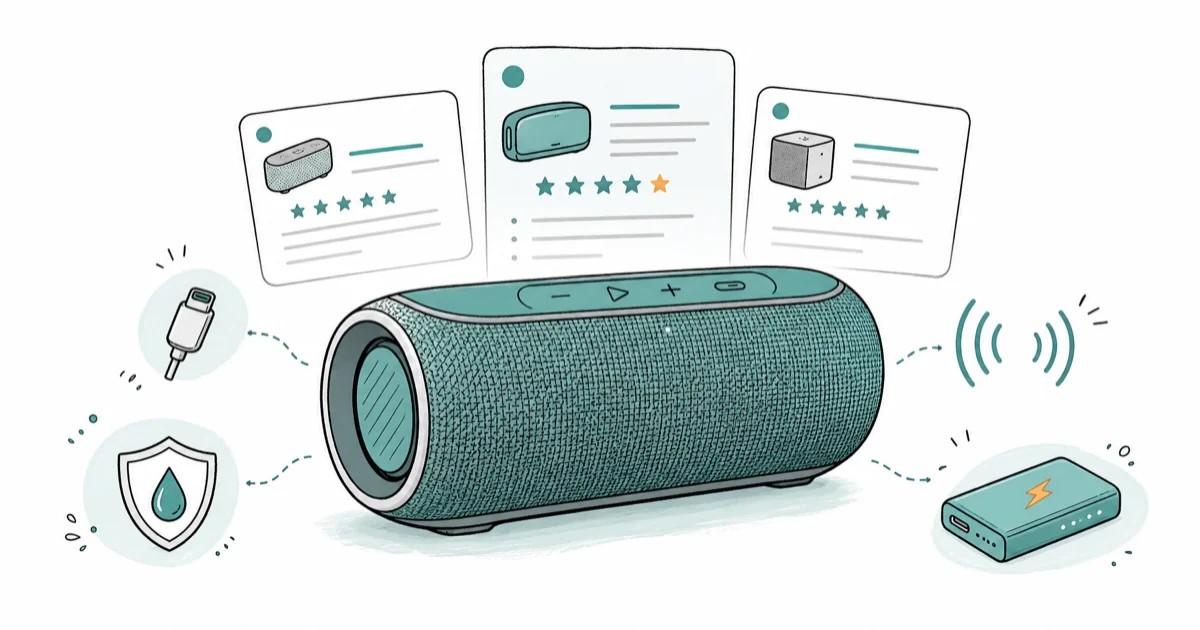
Quick AnswerThe JBL Charge 6 is the best Bluetooth speaker for most people in 2026, with IP68 protection, lossless USB-C audio, and a power bank function.
The best Bluetooth speaker depends on where you listen. Desk listening, outdoor use, and backyard parties reward different strengths, so no single model wins every category. The JBL Charge 6 comes closest to an all-rounder.
- The JBL Charge 6 has IP68 protection and survives submersion in 1.5m of water for 30 minutes
- Bose SoundLink Plus lasted nearly 21 hours in standardized 80dB testing, beating its 20-hour claim
- Sonos Move 2 weighs about 1.3kg and bridges Wi-Fi home audio with portable Bluetooth
- Anker Soundcore Boom 2 pushes 80W and floats on water with an IPX7 rating
- Auracast and stereo pairing let you link two speakers, but pairing often locks you to mono
#The Best Bluetooth Speakers: Our Top Picks and Where to Buy
Here is the short version on each pick and where to buy it before the full guide below.
#JBL Charge 6
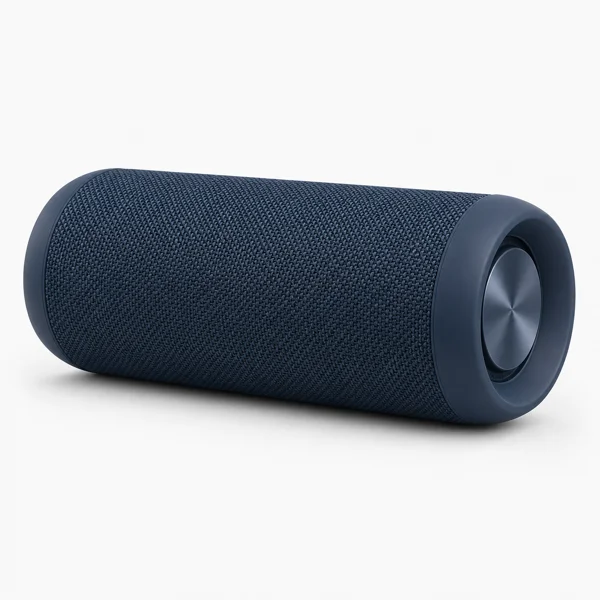
- Doubles as a power bank for your phone
- IP68 survives full submersion and drops
- USB-C lossless audio few rivals match
Last updated on Jun 30, 2026
As an Amazon Associate fone.tips earns from qualifying purchases. Prices and availability on Amazon are accurate as of the date above and subject to change.
#Bose SoundLink Plus
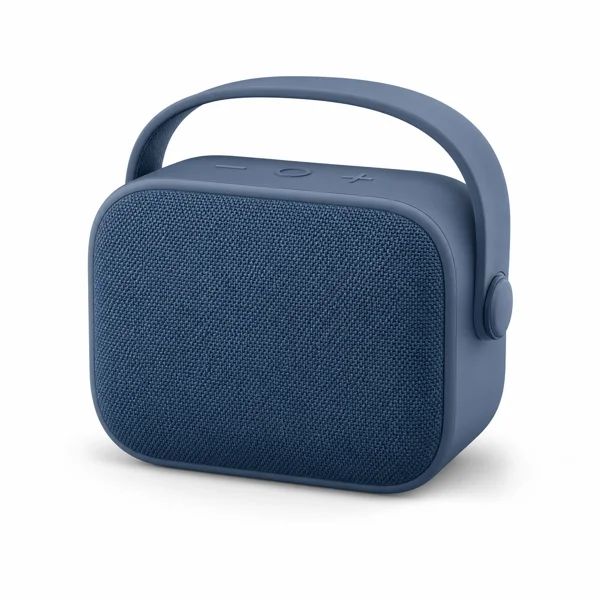
- Cleanest, most balanced sound in its class
- 20-hour battery clears a full weekend
- App EQ dials in bass, mid, and treble
Last updated on Jun 30, 2026
As an Amazon Associate fone.tips earns from qualifying purchases. Prices and availability on Amazon are accurate as of the date above and subject to change.
#Sonos Move 2
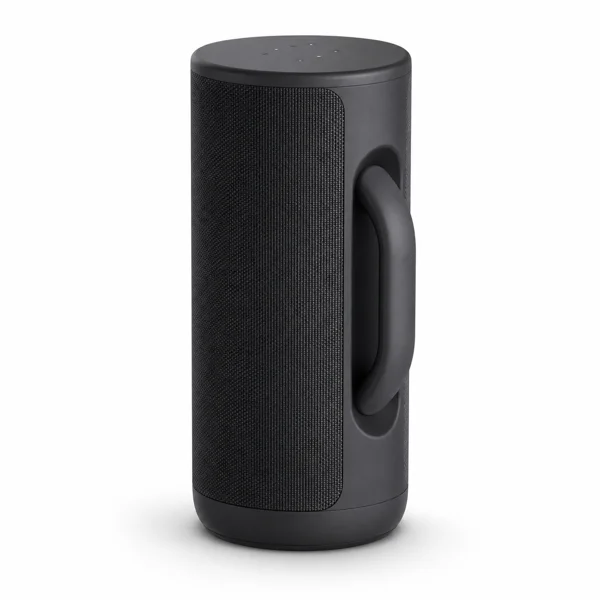
- Wi-Fi at home, Bluetooth on the go in one box
- True stereo sound rare in a portable
- Auto Trueplay tunes the audio to the room
Last updated on Jun 30, 2026
As an Amazon Associate fone.tips earns from qualifying purchases. Prices and availability on Amazon are accurate as of the date above and subject to change.
#Anker Soundcore Boom 2
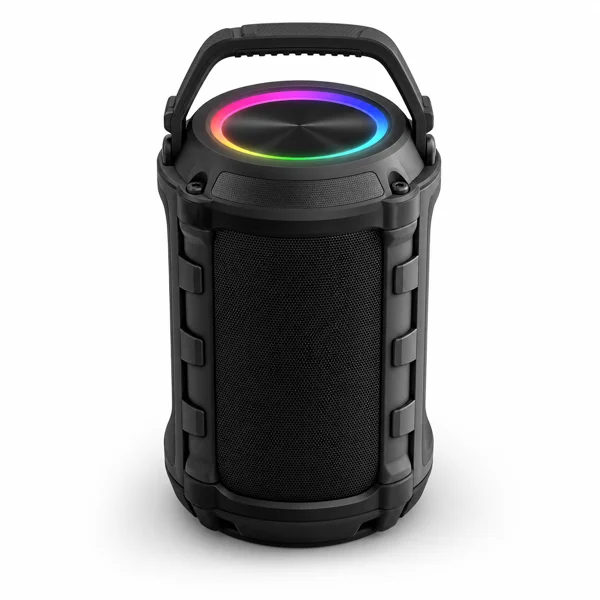
- 80W output fills a backyard party
- Floats and shrugs off IPX7 splashes
- Costs a fraction of premium rivals
Last updated on Jun 30, 2026
As an Amazon Associate fone.tips earns from qualifying purchases. Prices and availability on Amazon are accurate as of the date above and subject to change.
#What Makes a Bluetooth Speaker Worth Buying?
Focus on four filters: sound at real listening volume, battery, water resistance, and multi-speaker pairing.
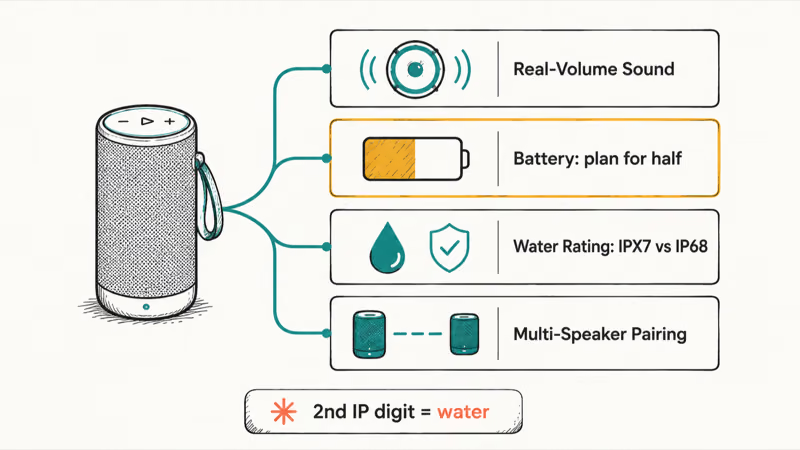
Battery claims are the worst offenders. JBL rates the Charge 6 at up to 24 hours, but standardized testing tapped it out at 13 hours and 15 minutes. Party volume drains speakers much faster than quiet desk listening, so treat the rated figure as a best-case number.
Water resistance uses the IP scale, and the second digit is the one that matters for liquids. IPX7 means submersion in 1 meter for 30 minutes. IP68 adds dust sealing. An IPX4 speaker only shrugs off splashes.
For sound, check vocals, bass control, and distortion near maximum volume.
#Best Bluetooth Speaker for Most People: JBL Charge 6
The Charge 6 is the safest first recommendation because it does the most things well. It weighs about 988g and carries IP68 protection. A detachable handle doubles as a carry strap or loop.
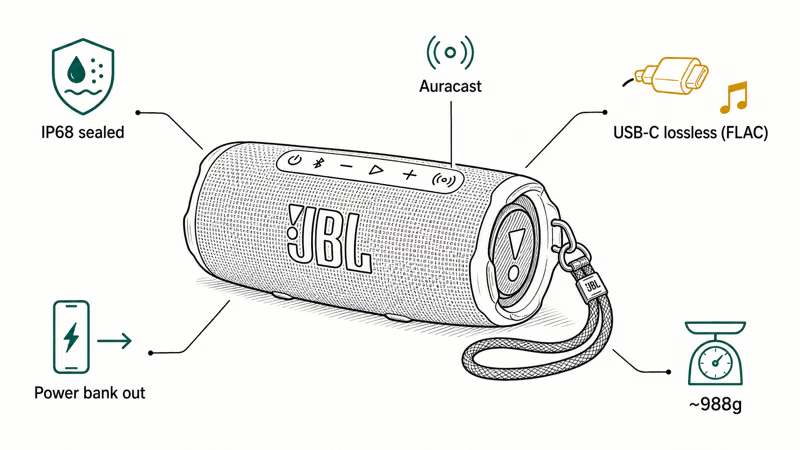
Two upgrades stand out this generation. The Charge 6 adds lossless audio over USB-C, so you can stream FLAC files from Tidal or Apple Music without Bluetooth compression. It also keeps the power bank function that Bose dropped, so the speaker can top up your phone. The redesigned bumpers help stabilize it on a table, and the backlit buttons make the volume control easier to find after dark.
According to SoundGuys’ Charge 6 testing, the speaker swaps the old PartyBoost system for Auracast and survives submersion in 1.5m of water for 30 minutes. The Auracast switch makes it future-proof but breaks compatibility with older JBL speakers.
Buy the JBL Charge 6 if you want one flexible speaker. As an Amazon Associate fone.tips earns from qualifying purchases.
The JBL Flip 7 keeps IP68 in a smaller body that fits jacket pockets and cup holders.
According to Tom’s Guide’s Flip 7 review, its sound stays crisp for the size, though battery runs short at loud volume. Want even smaller? Our best portable Bluetooth speaker guide ranks the most travel-ready models.
#Best Premium Bluetooth Speaker: Bose SoundLink Plus and Max
Bose is the upgrade for sound quality and build. The SoundLink Plus is IP67-rated and floats.
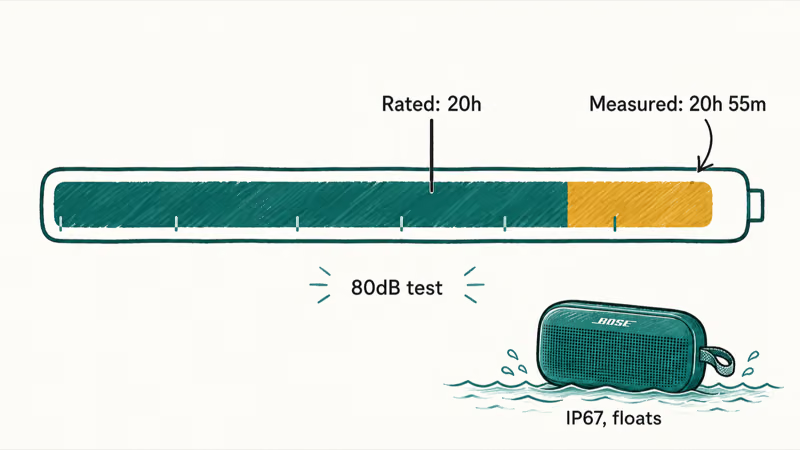
According to SoundGuys’ standardized testing at 80dB, the SoundLink Plus lasted 20 hours and 55 minutes, beating Bose’s 20-hour claim. It’s one of the few speakers that meets its own spec sheet.
The larger Bose SoundLink Max adds true stereo playback, an AUX input, and 15W USB-C charge-out. Android users get a fidelity edge too, since both Bose models support aptX Adaptive on Snapdragon Sound phones. The trade-off is cost, since you pay roughly double a budget speaker for the refinement, so this is the pick for listeners who care more about how music sounds than about saving fifty dollars at checkout.
#Best Speaker for Home and Outdoor: Sonos Move 2
The Sonos Move 2 is the pick if you want one speaker that works on Wi-Fi at home and Bluetooth on the go. It delivers bigger, fuller sound than the portable-first speakers and ships with a charging dock you can leave on a shelf.
What you’re really buying is ecosystem fit. If you already run Sonos, the Move 2 joins as a movable zone, so you can group it with a soundbar over Wi-Fi, then grab it for the backyard on Bluetooth. At about 1.3kg, it leans toward home use.
Sonos also sells the newer Play, an IP67-rated, drop-resistant portable home speaker. At roughly 1,300g it suits a garage, patio, or backyard better than travel. Both make the most sense as an extension of an existing Sonos setup rather than a standalone first speaker, and that ecosystem lock-in is the main reason we don’t recommend either to someone buying their very first speaker today.
#Best Party Bluetooth Speaker: Anker Soundcore Boom 2
For volume and value, the Soundcore Boom 2 is the party pick. It pushes 80W, carries an IPX7 rating, floats on water, and pairs in stereo with a second unit. Dual LED lights pulse with the music.
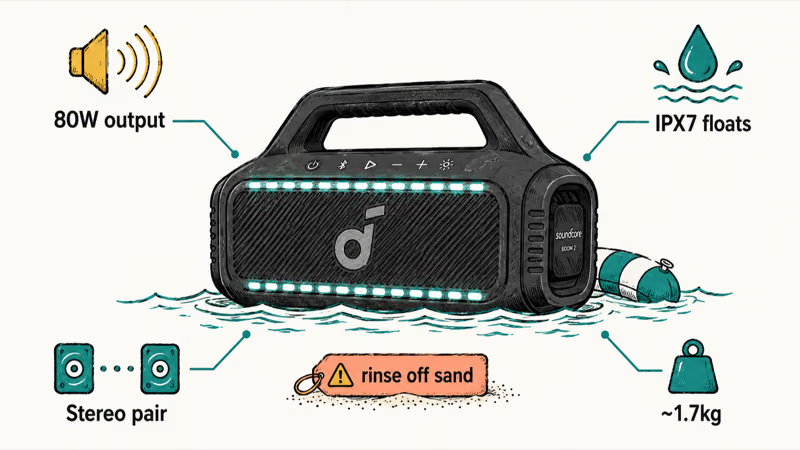
The trade-offs are weight and dust rating. At about 1.7kg it’s the heaviest speaker here, but a built-in handle makes it easy to carry from car to dock. The IPX7 rating means it isn’t dust-sealed like JBL’s IP68. According to SoundGuys’ speaker testing, the Boom 2 soaks up sand through its fabric, so it needs a careful rinse after beach use, and the passive radiators can clog if you skip that step before the next session.
Pricing is the draw. The Anker Soundcore Boom 2 sits well under the flagship party speakers and discounts often. If you want more output, the Boom 2 Plus adds a bigger body and heavier bass. For tighter budgets, our guide to the best Bluetooth speaker under $50 covers cheaper picks that still hold up outdoors.
#How Do You Pair Multiple Bluetooth Speakers?
Most speakers support multi-speaker pairing, but the method varies by brand. JBL’s newer models use Auracast to link compatible JBL speakers. Anker and Sonos use their own stereo or grouping systems instead.
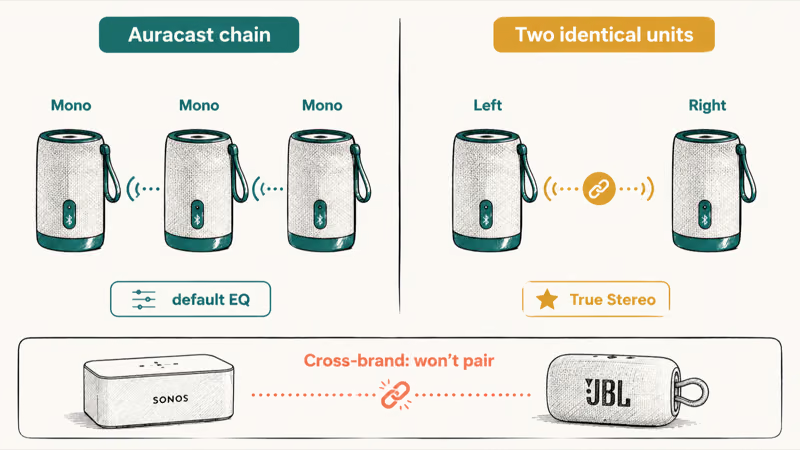
The catch is what you lose. Testing of JBL’s Auracast found that linking speakers limits you to mono and the default EQ, so two speakers play louder but not in true stereo. Pairing two identical units as a dedicated left-right stereo pair beats chaining several in mono.
Cross-brand pairing almost never works. A Sonos won’t link to a JBL, and even within JBL, Auracast speakers can’t reach older PartyBoost models. Commit to one system if you plan to expand. See our connect multiple Bluetooth speakers guide for the walkthrough.
#Bluetooth Speakers vs Wired and Headphone Audio
A Bluetooth speaker trades absolute fidelity for convenience. Even lossless-over-USB models like the Charge 6 sit below a wired setup for critical listening, but they win every time you want music in the kitchen, shower, or backyard without running cables. If you already own passive speakers, our guide on how to convert wired speakers to wireless shows a cheaper path to the same convenience.
Headphones still beat any speaker on detail and isolation at the same price. If you mostly listen alone with a phone, a good pair of Bluetooth headphones under $100 often delivers more sound quality per dollar than a portable speaker. Speakers earn their place when the listening is shared.
#Bottom Line
Buy the JBL Charge 6 if you want one speaker for the desk, the park, and the pool, since its IP68 rating, USB-C lossless audio, and power bank function make it the most flexible pick. Step up to the Bose SoundLink Plus or Max for better sound and battery. Choose the Sonos Move 2 only if you already run Sonos at home, and grab the Anker Soundcore Boom 2 for the loudest party speaker at the lowest price.
#Frequently Asked Questions
Which Bluetooth speaker has the best battery life?
The Bose SoundLink Plus wins, at nearly 21 hours in standardized 80dB testing. Most speakers fall well short of their rated numbers at party volume, so check independent measurements rather than the box.
Is IP68 better than IPX7 for a speaker?
IP68 is more protective. It adds dust sealing and usually deeper or longer water submersion than IPX7. IPX7 still survives a drop in a pool or sink, but the speaker carries no official dust rating, which matters at the beach or a dusty campsite where fine grit can work its way into the grille and passive radiators over time.
Do more expensive Bluetooth speakers sound better?
Often, but with diminishing returns. A premium speaker like the Bose SoundLink Max delivers cleaner mids, true stereo, and better build than a budget model. Past roughly $200, you mostly pay for refinement, water resistance, and connectivity rather than dramatic jumps in volume.
Can I use a Bluetooth speaker for a home theater?
Not really. Bluetooth adds audio lag that desyncs from video, and a single mono speaker can’t reproduce surround channels the way movies are mixed for. You can stream music to one in a pinch, but a soundbar connected over HDMI eARC is the right tool for TV and movie audio, since it carries lossless surround formats and stays in sync with the picture.
How loud can a portable Bluetooth speaker get?
A mid-size speaker like the Charge 6 fills a backyard. An 80W party speaker like the Soundcore Boom 2 covers a larger gathering. Pushing any speaker to maximum volume drains the battery faster and adds distortion, so most sound best around 70 to 80%.
Should I pair two speakers or buy one bigger speaker?
For pure volume, two paired speakers usually beat one larger model at a similar total cost, but pairing often locks you to mono sound and the default EQ, which flattens the soundstage. If you want true stereo separation, buy two identical speakers and set them as a dedicated left-and-right stereo pair rather than chaining mismatched models that fall back to mono.
Best Laptop for Running LLMs in 2026: Memory Comes First
The best laptop for running LLMs is a memory purchase first. Compare MacBook unified memory against NVIDIA laptop VRAM, and see what each tier really runs.
Pixel 11 vs Pixel 10: What Changed and Who Should Upgrade
Pixel 11 vs Pixel 10: same screen and camera resolution, new Tensor G6, 25W wireless, and Gemini Intelligence. Here is who should actually upgrade.
Best Power Bank for iPad in 2026: Pro, Air, and Mini
Best power bank for iPad in 2026. Compare mAh tiers and USB-C PD wattage for iPad Pro, Air, and mini, plus airline Wh math, cables, and travel tips.
Best Power Bank With Built-In Cable: Top 2026 Picks
Best power bank with built-in cable picks for 2026. Compare single USB-C, multi-connector, and retractable laptop banks, plus airline Wh math.