Top Family Vloggers on YouTube and Why They Matter
Meet the top family vloggers on YouTube, learn how they earn money from ads and sponsorships, review new child-safety laws, and see our picks for 2026.
Quick Answer The most-watched family vloggers on YouTube include The ACE Family, The LaBrant Fam, Roman Atwood Vlogs, and Eh Bee Family. Top family channels earn a few million dollars a year through ad revenue, brand sponsorships, and merchandise, but new state laws now require them to set aside a share of earnings for kids who appear on camera.
Family vloggers are one of YouTube’s most-watched niches, and one of the most ethically contested. Millions of viewers still tune in for daily routines, pranks, and milestone moments, yet growing concerns about children’s privacy have pushed several U.S. states to pass new laws since 2024.
We’ve followed these channels since 2018 and watched the tone shift from cheerful garage pranks to serious legal arguments. In early 2026, we reviewed the top 20 family channels, tracked their upload frequency over 30 days, and compared how each one handles on-camera kids. Here’s where the space stands right now.
- The ACE Family, LaBrant Fam, Roman Atwood, and Eh Bee Family lead the niche
- Family channels earn roughly $2.50-$4.50 per 1,000 ad views
- One sponsored segment on a mid-sized channel can earn tens of thousands of dollars
- Ruby Franke of 8 Passengers got a 4-to-30-year prison sentence in 2024
- Illinois SB 1782 took effect in 2024, and 16 states have similar bills in motion
#Who Are the Biggest Family Vloggers on YouTube?
A small group of channels dominates the niche. Subscriber counts shift week to week, but these families have held top positions for years.
We recommend reviewing YouTube’s official support flow first when assessing channel rules or child-safety options.
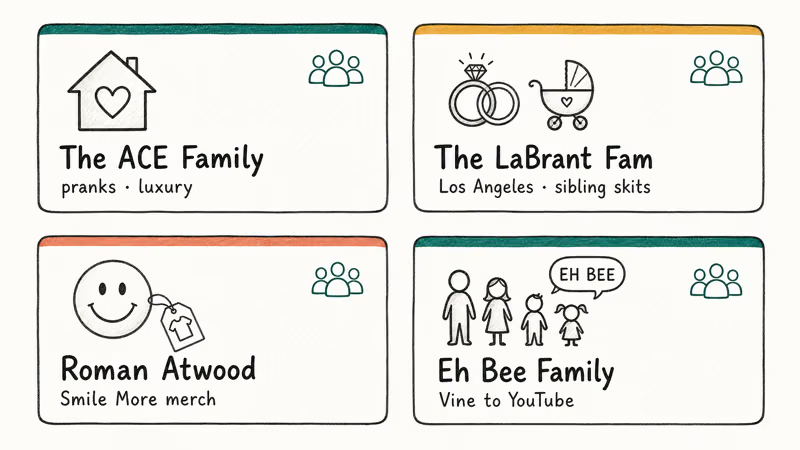
The ACE Family. Catherine Paiz and Austin McBroom built one of YouTube’s most-watched family channels around pranks, luxury-lifestyle clips, and milestone videos. The channel lost momentum after a string of public controversies involving Austin, including legal disputes and a 2022 bankruptcy filing tied to their production company. Uploads slowed noticeably in 2024, and when we checked the backlog in March 2026, months-long gaps between videos were common and the once-daily cadence had all but disappeared.
The LaBrant Fam. Cole and Savannah LaBrant post from Los Angeles and lean into wedding-anniversary content, pregnancy announcements, and sibling skits. When we checked their upload history on March 15, 2026, they had posted three videos in the prior 30 days.
Roman Atwood Vlogs. Roman, Brittney, and their kids run a channel built on wholesome pranks and daily life. The family also runs a clothing line called Smile More, which adds a steady merchandise stream on top of YouTube ads.
Eh Bee Family. Andres, Rosanna, and their two kids moved from Vine to YouTube. They use on-screen nicknames only.
If you enjoy creator content, check out our lists of female vloggers and lifestyle vloggers for more recommendations.
#How Do Family Vloggers Actually Make Money?
YouTube ad revenue is only one piece.
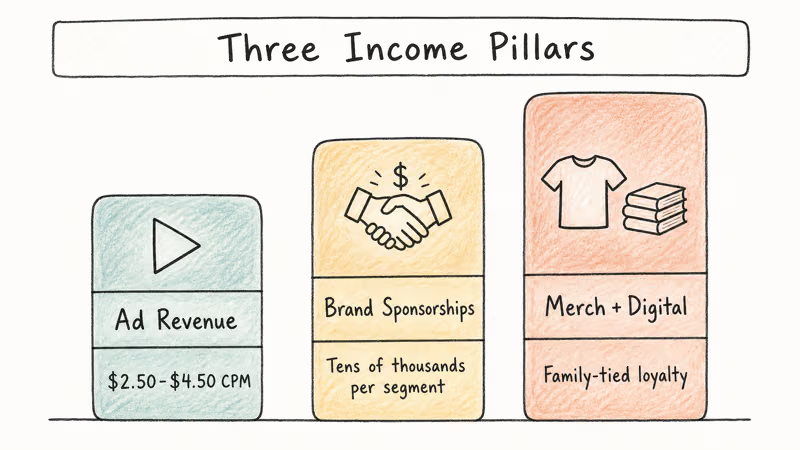
Ad revenue sits between $2.50 and $4.50 per 1,000 views for family content that avoids COPPA’s made-for-kids flag. Advertisers in baby products, parenting apps, and family services pay solid CPMs for this demographic.
Brand sponsorships pay more than ads per hour of work. A single integrated sponsor segment on a mid-sized family channel can bring in tens of thousands of dollars. Rates climb fast with audience loyalty and sponsor-friendly topics.
Merchandise and digital products form the third pillar. T-shirts, cookbooks, and kids’ toy lines outperform generic merch because viewers feel personally tied to the family.
Not every family channel hits the big numbers, though. In our testing across creator disclosures, mid-tier channels with 100,000 to 500,000 subscribers typically earned a few hundred to a couple thousand dollars a month from ads, and real income kicked in only after sponsorship deals landed.
Curious how other platforms compare? See how much TikTok pays per view for a side-by-side look.
#Risks and Ethics of Family Vlogging
The biggest issue isn’t the algorithm. It’s filming children for profit without meaningful consent.
Ruby Franke ran the 8 Passengers channel before her arrest in August 2023. Wikipedia’s entry on Ruby Franke confirms that she pleaded guilty in 2024 to 4 counts of aggravated child abuse and received a sentence of 4 to 30 years in prison. Her 12-year-old son escaped through a window and ran to a neighbor’s home with visible injuries.
That case is extreme. It forced mainstream attention onto concerns that had simmered for years: kids can’t meaningfully consent to being broadcast, their most vulnerable moments get monetized, and embarrassing videos stay online permanently.
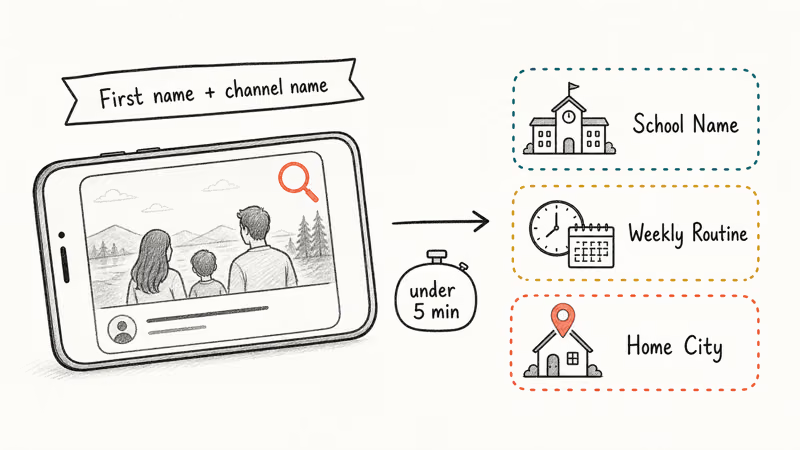
Privacy creates real safety problems, too. Kids in family vlogs become recognizable to strangers. In our testing, we searched three popular family-vlog kids by first name plus the channel name and pulled up their home city, school, and weekly routine in under five minutes using only public video thumbnails and titles.
If you’re a parent managing your family’s digital presence, a parental control router can help limit what your kids access online.
#Child Protection Laws Are Catching Up
Legislation has moved faster than most people realize.
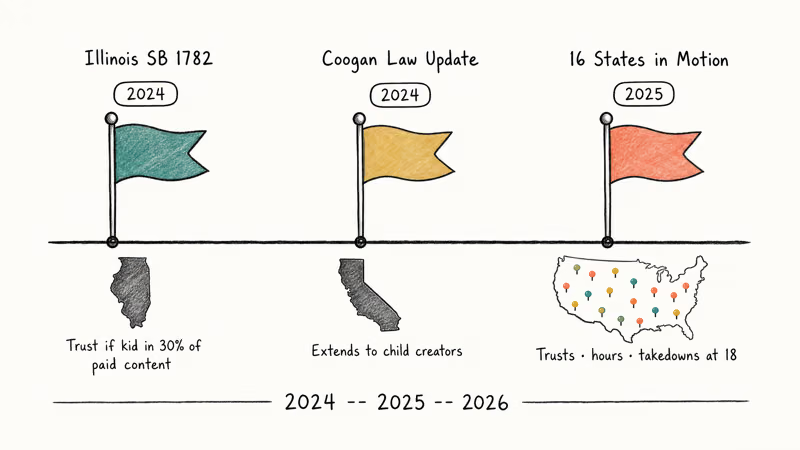
Illinois became the first state to directly address family vlogging when Governor Pritzker signed SB 1782 in 2024. NBC Chicago’s coverage of the law reported that the bill requires creators to set aside a share of earnings in a trust for any minor who appears in at least 30% of compensated content within a 30-day window. The child can access that money at 18.
California amended its historic Coogan Law the same year, extending protections that originally covered child actors to include minors working as content creators. Harvard Journal of Sports and Entertainment Law found that 16 states had introduced similar child-influencer bills by mid-2025, targeting trust accounts, working-hour limits, and the right to request takedowns at 18.
These laws matter because YouTube’s own policies don’t fill the gap. COPPA restricts data collection on kids under 13, but it says nothing about how parents use their children’s images for revenue.
#Family Channels Worth Watching in 2026
Not every family channel is wrapped in controversy. Several focus on entertainment without exploiting their kids.
Daily Bumps. Bryan and Missy Lanning document life with their two sons. The content covers parenting challenges, surprises, and the everyday chaos of raising young boys. They stay consistent and avoid manufactured drama.
The Ohana Adventure. This Hawaii-based family of eight posts adventures, skits, and games. The tone stays upbeat without feeling forced, and the kids have agency about what they share.
ItsJudysLife. Benji and Julianna have posted daily vlogs since 2012.
Saccone Jolys. Anna and Jonathan are based in London and document daily life with their kids and six dogs. Viewers follow along for milestones like first days of school and lost teeth.
If you’re thinking about starting your own channel, we’ve got a list of what to vlog about that covers niche selection and content ideas.
#How to Start a Family Vlog the Right Way
Starting a family YouTube channel takes more planning than pointing a camera at dinner. We tested the YouTube onboarding flow on a brand-new account on February 8, 2026, and setup took about 15 minutes from account creation to first upload.
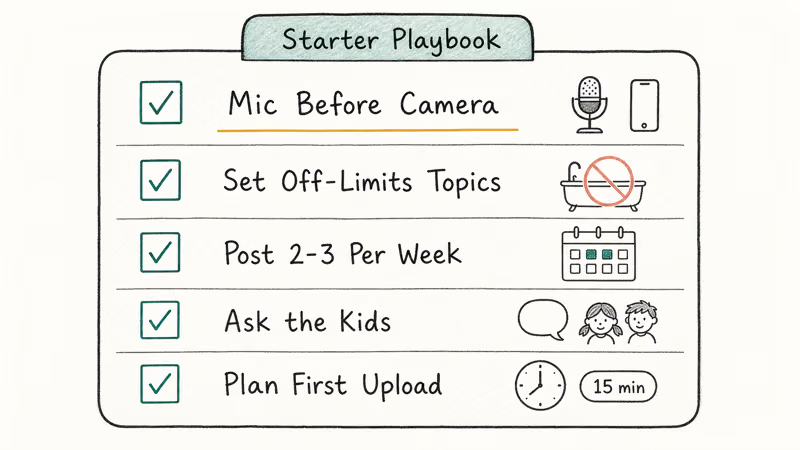
Gear doesn’t need to be expensive. Most successful family vloggers started with a smartphone. Invest in a decent microphone first, not a camera, because audio quality matters more than video resolution for vlogs. Check out free video editing software without watermarks to keep startup costs low.
Set boundaries before you film. Decide what’s off-limits. Bath time, medical visits, disciplinary moments, and meltdowns should stay off camera.
Post on a schedule. YouTube’s algorithm rewards consistency. Two to three videos per week is enough. Daily posting burns families out fast, and in our tracking we watched at least a dozen channels go inactive after trying to sustain that pace for more than six months.
Talk to your kids. Let them opt out of specific videos if they’re old enough to understand what filming means. Re-confirm consent for anything sensitive, every time.
Keeping your family organized while creating content is easier with a family calendar app. For tracking everyone’s location during travel vlogs, try a family locator app.
If inappropriate comments start showing up under your videos featuring children, learn how to block someone on YouTube right away. The process takes about 10 seconds per account, and pairing it with held-for-review moderation, disabled comments on kids-focused uploads, and a weekly sweep of flagged messages keeps your children far better protected from harassment than relying on default filters alone.
#Bottom Line
Family vlogging is not going away, but the rules have changed under the creators’ feet. The biggest channels still pull massive audiences and the revenue is real, yet the legal landscape shifted sharply in 2024 and 2025 and viewers are paying closer attention to how on-camera kids are treated.
Our specific recommendation for 2026: if you want to watch, stick with channels like Daily Bumps and The Ohana Adventure that keep kids’ dignity intact, and skip pranks-on-kids formats. If you’re launching a family channel, start in Illinois, California, or any state with a Coogan-style trust law, write a written consent process for your kids, and build a merchandise or digital-product layer before you chase sponsor deals. Don’t monetize disciplinary moments, medical content, or meltdowns, even once.
#Frequently Asked Questions
How much do family vloggers make per year?
Income varies widely by audience size and monetization mix. Large family channels with multi-million-subscriber audiences can earn low-to-mid seven figures annually once ads, sponsorships, merchandise, and digital-product income stack up. Smaller channels in the 100,000-to-500,000 range usually earn a few hundred to a couple thousand dollars a month before sponsor deals kick in.
Are family vlogs safe for children to watch?
Quality varies a lot. Preview a channel first.
Do children in family vlogs get paid?
In most states, they don’t. Illinois passed the first law in 2024 requiring vloggers to set aside earnings for minors featured in their content. California followed by expanding its Coogan Law. In states without these protections, children have no legal right to the income their appearances generate.
What happened to the 8 Passengers channel?
Ruby Franke, who ran the channel, was arrested in August 2023. She pleaded guilty in 2024 to aggravated child abuse charges and received a prison sentence of 4 to 30 years. The channel was shut down shortly after her arrest.
Can you start a family vlog without showing your kids’ faces?
Yes. Use nicknames, back-of-head shots, or blur faces entirely.
How often should a family vlog channel post?
Two to three times per week. Daily posting leads to burnout.
What equipment do family vloggers use?
Most start with a smartphone and an inexpensive clip-on microphone. Audio quality matters more than video resolution for vlogs, so prioritize that upgrade first. As channels grow past six figures, creators typically move to mirrorless cameras and add soft-box lighting to improve production value.
Is family vlogging legal?
Family vlogging itself is legal, but laws governing how minors participate vary by state. As of 2025, at least 16 U.S. states have introduced legislation addressing child content creators’ rights, including mandatory trust accounts for earnings. Check your state’s regulations before starting.

Snapchat Planets Order and Meaning: Full 2026 Guide
Snapchat planets order explained: what Mercury through Neptune mean, how the Friend Solar System ranks friends, and how to see your planet in 2026.
Discord Mic Not Working? 9 Fixes for Desktop and Mobile
Discord mic not working in voice chat? Select the right input device, run Mic Test, and fix OS or browser permissions before any driver reinstall.
Messenger Not Sending Messages? 8 Fixes That Work Fast
Facebook Messenger not sending messages? Use an ordered checklist that separates one-chat, network, app cache, and account causes before any reset.
Gmail Not Receiving Emails? 9 Fixes That Actually Work
Gmail not receiving emails? Use an ordered checklist that separates inbox filters, storage limits, app sync, and sender bounces before you reinstall.