Is Buying From TikTok Ads Safe? A 2026 Buyer Guide
Is buying from TikTok ads safe? Learn TikTok Shop Buyer Protection, scam red flags, safer payments, off-platform risks, and chargeback paths.
Quick AnswerBuying from TikTok ads can be safe when the seller links out to TikTok Shop or a verified storefront and you pay with a credit card or PayPal. Treat any redirect to an unfamiliar site, prices that look 70 percent below retail, or pressure to pay by debit or wire as a stop sign.
Buying from TikTok ads is a coin flip when you skip the basics. The platform hosts legitimate brands using TikTok Shop alongside dropshippers shipping knockoffs. The safer path: stay inside TikTok Shop where Buyer Protection applies, pay with a credit card or PayPal, and walk away from any ad pressuring you to pay by debit, Zelle, or wire transfer.
The official platform path is documented and refundable, while off-platform storefronts leave buyer rights up to the seller’s own terms.
- TikTok Shop orders are covered by TikTok Shop Buyer Protection, which guarantees refunds for items not received, not as described, or damaged in transit.
- Off-platform redirects are the biggest risk. If the ad sends you to a site that is not shop.tiktok.com or a clearly named brand domain, treat it as unverified.
- Credit cards and PayPal give you a chargeback path. Debit cards, Zelle, Venmo friends-and-family, and wire transfers don’t.
- Reverse-image search the product photo. Counterfeits and dropshipped goods almost always reuse the same stock images across dozens of stores.
- Report fraudulent ads inside the TikTok app first, then file a separate FTC complaint at reportfraud.ftc.gov so the broader pattern gets logged.
#How Do TikTok Ads and TikTok Shop Actually Work?
Not every product clip is the same kind of ad. Understanding the difference is the single biggest safety lever you have on your own purchases.
TikTok runs paid in-feed video ads, branded hashtag challenges, and Spark Ads that boost organic creator videos. TikTok Shop is the separate official checkout system where sellers list inventory and process orders inside the app. The same product video can either link to TikTok Shop or punch out to an external Shopify-style store. According to TikTok’s Shopping Ads policy, products must comply with TikTok’s prohibited list, which bans counterfeits, weapons, and unsafe consumer goods.
When a seller stays inside TikTok Shop, the platform mediates payment, shipping, and disputes. According to TikTok’s Buyer Protection page, buyers can request refunds for items that arrive damaged, are materially different from the listing, or never ship within the stated window.
That protection is the main reason TikTok Shop is safer than a random external checkout.
External redirects are a different game. The moment you tap an ad that opens Safari or Chrome, you’re shopping under that store’s terms, that store’s privacy policy, and that store’s refund window (which may be 7 days, 14 days, or non-existent).
#What Are the Real Risks of Buying From TikTok Ads?
The risks fall into four buckets, and they map almost perfectly to dropshipping economics rather than TikTok-specific failures.
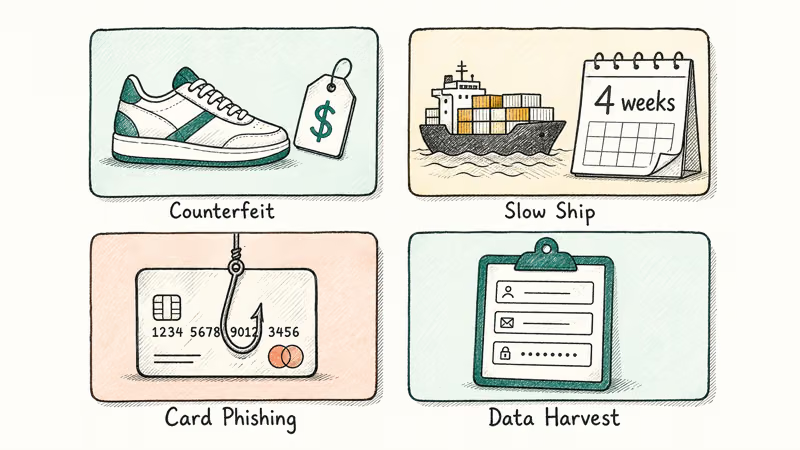
Counterfeit goods. Some ads market high-end skincare, sneakers, or electronics at prices well below retail. The actual item is a near-identical knockoff manufactured overseas. The Better Business Bureau’s Online Purchase Scam Report found that online purchase scams are the most-reported scam category to BBB Scam Tracker, with social-media-driven listings making up a growing share of cases.
Dropshipping slow ships. A common pattern: the ad shows a polished product video, the storefront looks credible, the package ships from a warehouse in Guangdong four weeks later. The item is real but lower quality than the video suggested. Returns require shipping the product back at your cost.
Phishing for card data. Some storefronts harvest your card number, never ship, and resell the data. The FTC’s online shopping advice recommends verifying HTTPS and the brand URL.
Identity-data harvesting. “Free trial” ads that ask for your address, phone number, and date of birth before showing a price are usually building marketing lists rather than selling a product. Treat any checkout that wants more personal data than is needed for shipping as a red flag.
Suspicious storefronts often share the same template pages, vague “About Us” copy, and hard-to-verify return addresses.
#Vetting a TikTok Ad Before You Pay
A two-minute screening pass catches most of the bad actors. Run through this list before checkout. The official TikTok Shop tag is your first signal.
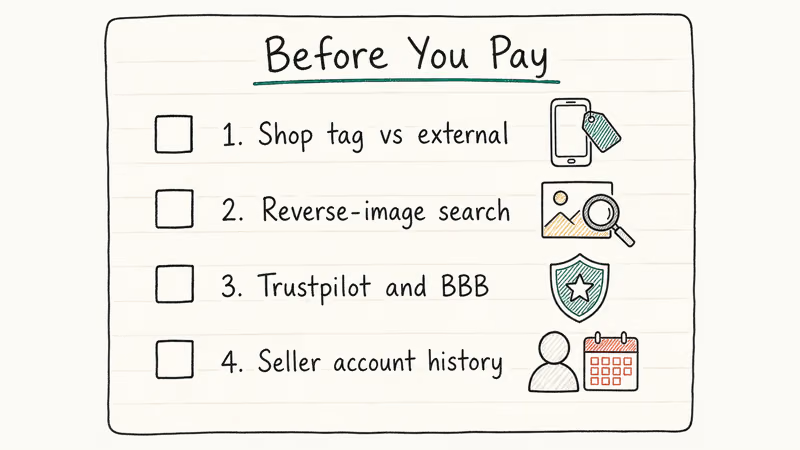
Check whether the storefront is TikTok Shop or external. TikTok Shop listings open inside the app and show a “Shop” tag with the seller’s verified name. External ads punch you out to Safari or Chrome.
Reverse-image search the product photo. Long-press the image, copy it, and run it through Google Lens or TinEye. If the same image appears on AliExpress, Temu, and three other unrelated stores, you’re looking at a generic dropshipped item, not a unique brand product. Pay the AliExpress price, not the TikTok ad price.
Read the Trustpilot reviews and BBB profile. Search the brand name on Trustpilot and the BBB Scam Tracker. Watch for the fake-review tells: five 5-star reviews from same-week accounts, or recent 1-star floods about non-delivery.
Pricing math also helps. According to Wirecutter’s online shopping safety guide, 5 specific habits reduce most fraud risk: paying with credit, using strong passwords, checking the URL, watching for HTTPS, and trusting your gut on prices. A 30 to 40 percent discount during a flash sale is plausible. A 70 to 90 percent discount on a name-brand item almost never is.
Look at the seller’s TikTok account, not just the ad. Click through to the account that posted the ad. Real brands have months of organic content, a verified mark when relevant, and replies in their comments. Throwaway accounts with three videos and 200 followers running paid ads on a $300 product are running the dropship playbook.
#Choosing a Safer Payment Method
Payment method choice is the difference between a recoverable mistake and a write-off. According to the FTC’s guide on paying safely online, credit cards and PayPal carry the strongest legal protections among common payment options.
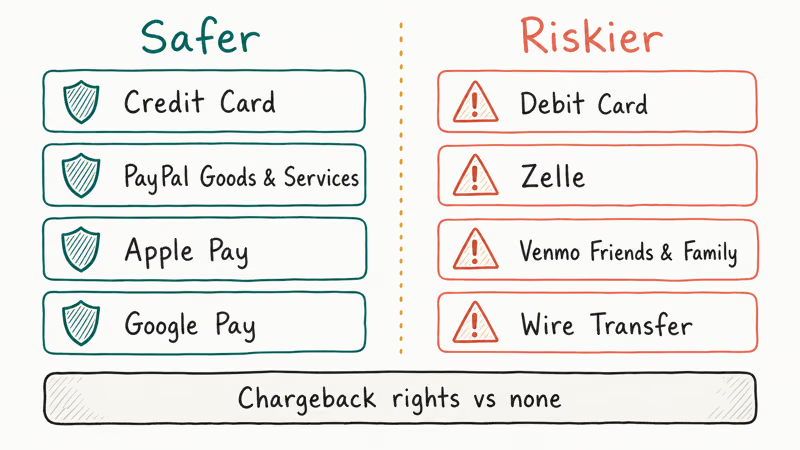
Credit card is the default safer choice. The Fair Credit Billing Act (15 U.S.C. 1643) states that liability for unauthorized charges is capped at $50 (most issuers waive this) and that you can dispute charges for goods not received or materially different from what was advertised.
PayPal offers Purchase Protection on eligible transactions, which can reimburse you for items not received or significantly not as described. Always pick Goods and Services, never Friends and Family, when paying a stranger.
Apple Pay and Google Pay route through your underlying card, so they inherit credit card chargeback rights when the underlying card is a credit card. They also tokenize the card number, which limits what a fraudulent merchant can do with the data even if the storefront is malicious.
Debit cards, Zelle, Venmo friends-and-family, Cash App, and wire transfers are weaker. With a debit card, fraudulent charges drain your real bank balance, and recovery time can stretch to weeks. Zelle and wire transfers are designed for trusted-party payments and are essentially irreversible. The Consumer Financial Protection Bureau’s guidance on Zelle scams confirms that traditional Zelle transfers don’t have built-in dispute protection for scams the buyer authorized.
If a TikTok ad checkout offers only debit, only Zelle, or only wire transfer, that’s the answer. Close the tab.
#Recovering Money When a TikTok Ad Order Goes Wrong
You have more leverage than the seller’s tone suggests. Work the official channels in this order.
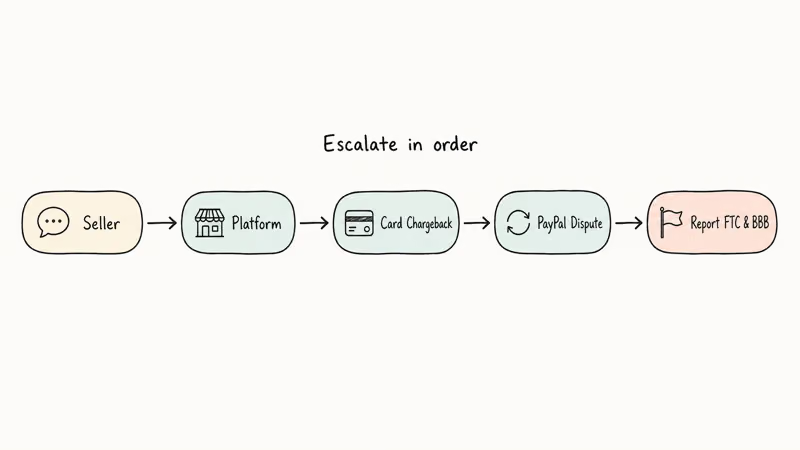
Start with the seller. Email or message in-app referencing the order number, ship date, and what’s wrong, then give them 7 to 10 days to respond. Document everything in writing and screenshot the listing as it appeared when you ordered, in case the seller edits the page later.
Escalate to the platform. On TikTok Shop, open the order, tap “Request Refund,” and follow the prompts; the platform refunds directly. External storefronts have no equivalent escalation path.
File a chargeback with your card issuer by calling the number on the back of your card or opening a dispute in the issuer’s app. The clock starts at the transaction date, and most issuers allow 60 to 120 days for non-receipt or “not as described” disputes. Have the order confirmation, shipping tracking (or lack of it), and your communication log ready.
Open a PayPal dispute if you paid through PayPal. The Resolution Center walks you through item-not-received and significantly-not-as-described claims. PayPal typically resolves disputes within 10 to 30 days.
Report the ad and the seller. Inside TikTok, long-press the video and tap “Report” with reason “Scam or fraud.” Outside TikTok, file at the FTC’s reportfraud.ftc.gov and the BBB Scam Tracker. The reports don’t refund your money directly, but they feed enforcement databases that platforms and law enforcement actually use. For broader recovery options, our guide on how to track down someone who scammed you covers the legal and law-enforcement tracks once a chargeback fails.
#TikTok Shop and Direct Brand Ads vs Random Storefronts
The gap between a TikTok Shop ad and a random Shopify ad is meaningful. TikTok Shop ads, verified-brand ads, and ads that link to a recognizable brand domain (think Sephora, Best Buy, an actual name you’ve heard of) sit in a different risk tier from anonymous dropship stores.
TikTok Shop transactions stay inside the app. Payment, shipping, communication, and disputes all run through TikTok’s official system. The platform absorbs the cost of refunding clearly defective orders to keep the marketplace usable. Our review of whether the TikTok Shop is safe covers how Buyer Protection actually applies in practice.
Direct brand ads (Sephora, Walmart, Crocs, etc.) inherit whatever protections that retailer already offers. If you trust them on their own site, you can trust them on TikTok.
The riskier middle tier is the unfamiliar Shopify storefront with a name you’ve never heard of, no Trustpilot history, and template-copy “About Us” page. That’s where dropshippers and outright scammers operate. The same caution applies to TikTok ads as to ads on any social platform, including fast-fashion category leaders covered in Is Cider Legit? and Is Shein Legit?. Recognized brands with mixed reputations beat blank-slate storefronts because their failure modes are documented.
#Bottom Line
If the ad opens TikTok Shop and the seller has a real reputation trail, paying by credit card from your own account is generally safe and Buyer Protection covers the rest. If the ad redirects to an unfamiliar Shopify-style site you can’t verify on Trustpilot or BBB, treat it as high risk and never pay with debit or Zelle.
The single highest-leverage habit is reverse-image-searching the product photo before you check out. When something goes wrong, the official dispute method through your credit card issuer is the recovery tool that actually works, so keep PayPal chargebacks and credit card disputes available by paying with the right rail upfront.
TikTok Tips & Tricks
#Frequently Asked Questions
Are all TikTok ads scams?
No. The majority of TikTok Shop ads and verified-brand ads are legitimate transactions. The fraud risk concentrates in ads that redirect off-platform to unfamiliar storefronts with no review history.
How do I know if a TikTok ad links to TikTok Shop or an external site?
TikTok Shop ads open inside the TikTok app, show a “Shop” tag, and check out without launching a browser. External ads tap you out to Safari, Chrome, or another browser, and you complete checkout on the merchant’s own site.
Can I get a refund if I bought a counterfeit product through TikTok Shop?
Usually yes. Open the order, tap “Request Refund,” submit photos, and escalate to a chargeback if denied.
What does TikTok Shop Buyer Protection actually cover?
It covers items not received within the stated delivery window, items materially different from the listing description (wrong size, color, condition, or counterfeit), and items damaged in transit. It doesn’t cover buyer’s remorse on items that match the listing.
Should I ever pay with debit card or Zelle for a TikTok ad order?
No. Stick to credit cards, PayPal Goods and Services, Apple Pay, or Google Pay so you keep chargeback rights.
How long do I have to dispute a TikTok ad order with my credit card?
Most U.S. credit card issuers allow 60 to 120 days from the transaction date for non-receipt or “not as described” disputes, though some honor disputes up to 540 days from the order date. Open the dispute as soon as you confirm the seller won’t resolve it.
Is it safe to share my address and phone number with a TikTok advertiser?
Sharing it with verified TikTok Shop sellers or a recognizable brand is fine. With unknown storefronts, vet Trustpilot and BBB first.
What should I do if I already paid an obvious TikTok ad scam?
Within 24 hours: contact your card issuer, open a dispute, and freeze the card. Report the ad inside TikTok (“Scam or fraud”). File at reportfraud.ftc.gov and the BBB Scam Tracker. If you paid by Zelle or wire, contact your bank immediately, though recovery odds are low.
How to Block TikTok on iPhone and Android: Parent Guide
Block or limit TikTok on your child's iPhone or Android using Screen Time, Family Link, and router settings. Step-by-step parental control guide.
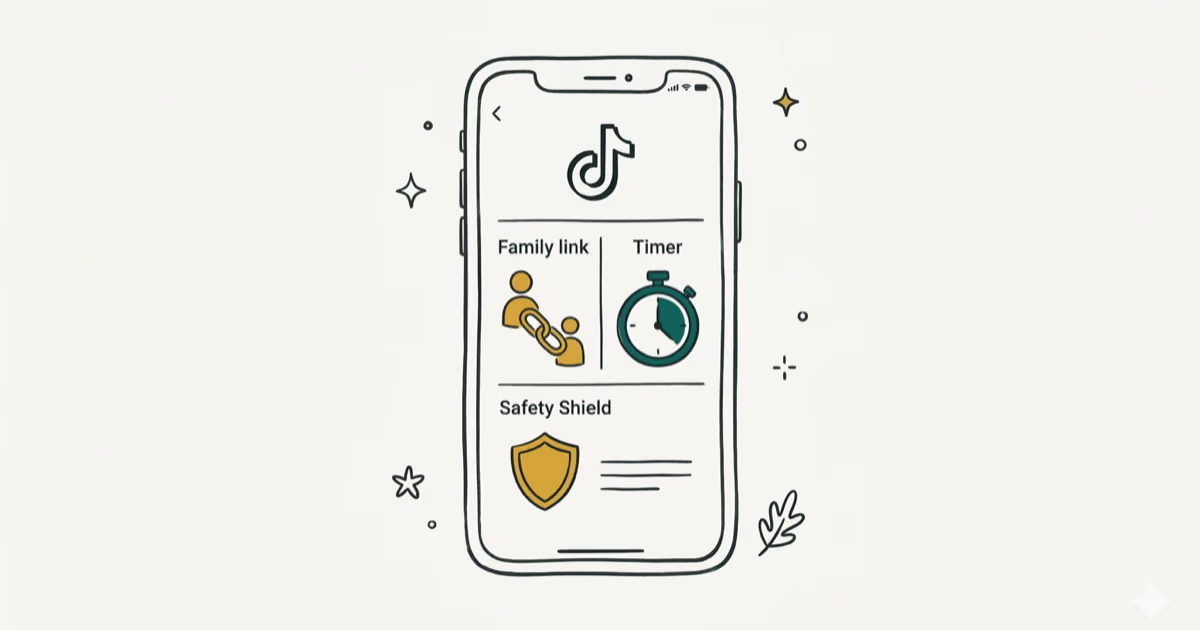
TikTok Parental Controls: Setup Guide for Families
Set up TikTok parental controls using Family Pairing, Restricted Mode, and privacy settings. Step-by-step guide to protect your child on TikTok.
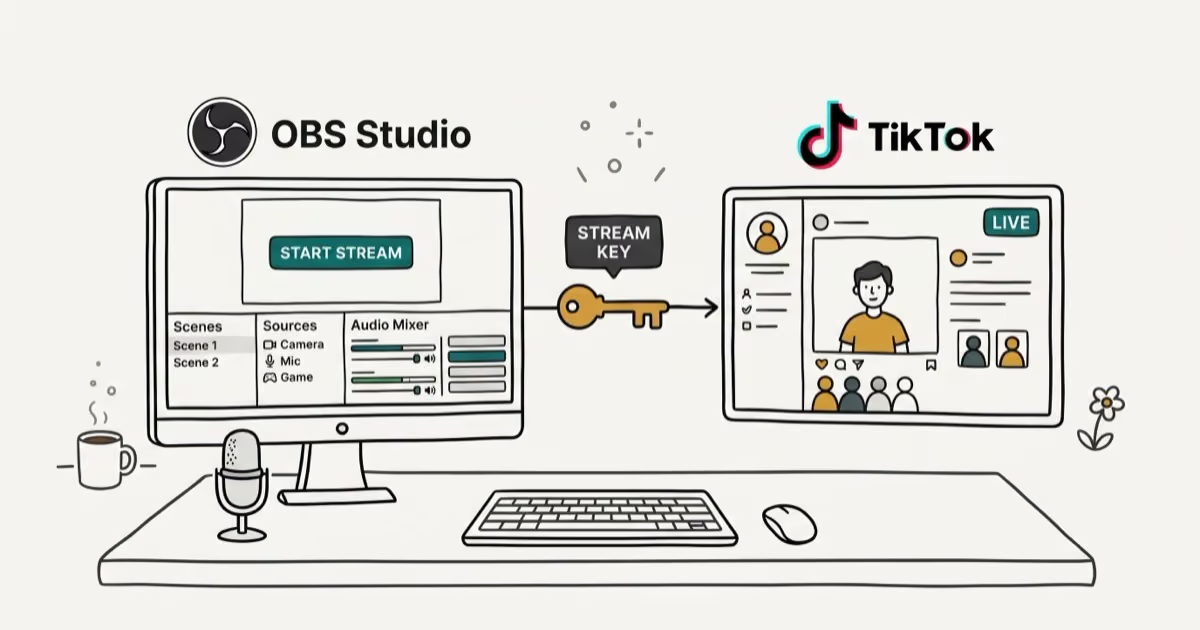
How to Get a TikTok Stream Key for OBS and Streamlabs
Get a TikTok stream key to broadcast from OBS or Streamlabs. Covers the 1,000-follower requirement, CarterPulse application, and OBS setup steps.
How to Make a Joint TikTok Account With Friends (2026)
Set up and manage a joint TikTok account with friends. Covers shared login setup, content planning, security tips, and the Collaboration Post alternative.