12 Best Games Like Command and Conquer for RTS Fans
Looking for games like Command and Conquer? Here are 12 RTS alternatives with base-building, real-time battles, and multiplayer for CnC fans.
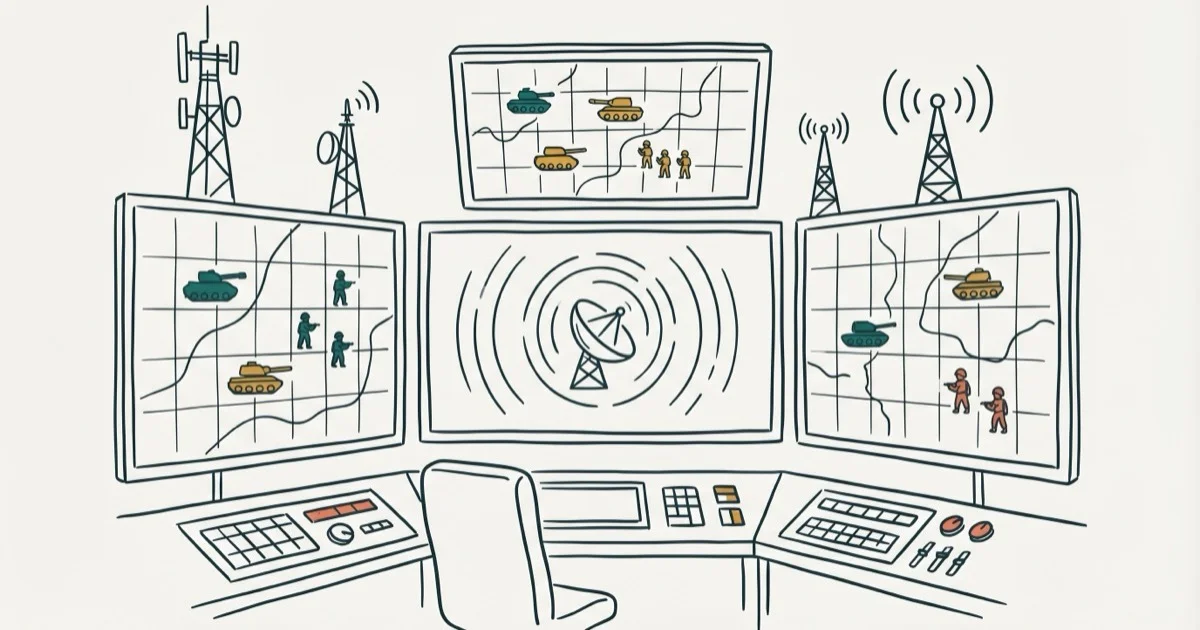
Quick AnswerThe best alternatives to Command and Conquer include StarCraft II, Supreme Commander 2, and Halo Wars. These RTS games deliver base-building, resource harvesting, and large-scale battles that capture the strategic depth CnC fans love.
If you’ve been searching for games like Command and Conquer, you’ve got more options than you’d expect in 2026. CnC shaped how a generation of players thinks about real-time strategy, and its mix of base-building, resource harvesting, and fast-paced combat still defines what the genre is supposed to feel like.
- CnC’s 1995 Tiberian Dawn established faction warfare, Tiberium harvesting, and full-motion-video briefings that still anchor the subgenre
- StarCraft II’s base game is free-to-play on Blizzard’s launcher, making it the cheapest way to try a competitive-grade RTS
- Halo Wars Definitive Edition released on Steam in April 2017 with online co-op support, the one console-first RTS that feels like CnC on a controller
- Supreme Commander 2 launched March 1, 2010 and uses a single research tree instead of the original’s dual-economy mass and energy split
- Dune II (1992) shipped the mobile construction yard, tech-tree gating, and fog-of-war pattern that CnC inherited three years later
#What Makes Command and Conquer So Hard to Replace?
CnC wasn’t just another strategy game.
Fans of games like Age of Empires will recognize a lot of the DNA on this list.
Electronic Arts’ Command & Conquer Remastered Collection, released in June 2020, preserved the original Tiberian Dawn and Red Alert campaigns with updated 4K art and restored FMV cutscenes. It runs comfortably on modest hardware, the classic mode stays smooth even during big skirmishes, and the legacy mouse feel carries over without the rubber-banding that hit later CnC titles.
The formula is deceptively simple. Pick a faction, build a base, harvest resources, and crush your opponent. Tight unit controls, distinct faction identities, and smart map design separate real successors from forgettable clones. Every game below gets at least one of those pillars right, and the best ones (StarCraft II, Halo Wars, Supreme Commander 2) hit all three without diluting the CnC-style pacing that made harvesting and base-pushing feel tactile in the first place.
#Military-Themed Alternatives
#Act of War: Direct Action
This geopolitical thriller pulls its plot from a Dale Brown techno-thriller novel. The result feels like a late-2000s action movie got a strategy layer bolted on. You can garrison troops inside buildings, use snipers on high-value targets, and capture enemy engineers to steal tech.
Steam reviews flag the hard AI as brutal, and they aren’t exaggerating. On a standard 1v1 map, the hard AI flanks armor columns aggressively while pinning infantry with suppression fire.
It’s aged well mechanically. Graphics are strictly mid-2000s.
#Tom Clancy’s EndWar
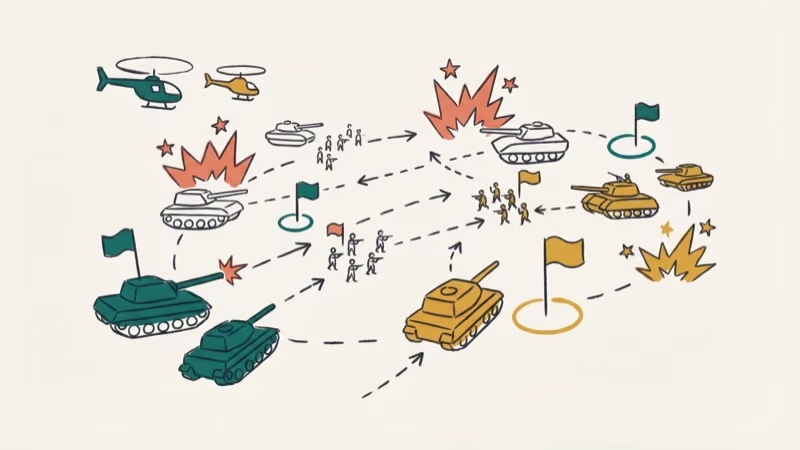
EndWar takes a Cold-War-turned-hot premise and builds a rock-paper-scissors combat layer on top of it. Unit types counter each other predictably: tanks beat transports, transports beat infantry, infantry beat tanks. The voice command feature lets you issue orders through a microphone, which sounds gimmicky but actually speeds up macro play once you memorize the core command phrases.
It won’t satisfy players who want deep base-building, but matches move fast. If turn-based strategy appeals more than continuous macro, look at games like Fire Emblem for a grid-based alternative.
#R.U.S.E.
Set during World War II, R.U.S.E. makes deception its core mechanic. You can deploy fake armies, jam enemy radar, or hide real troop movements behind camouflage nets. The zoom interface lets you pull back to see the battlefield as a tabletop war map, then dive in to watch individual Sherman tanks trade shots.
Note that R.U.S.E. was delisted from Steam in 2015 after Ubisoft’s licensing deal expired, so you’ll need an older physical copy or a legacy Ubisoft Connect key.
Creative thinkers will love it. Completionists who hate hunting down delisted games won’t.
#Which Sci-Fi RTS Games Feel Most Like CnC?
#Supreme Commander 2
SC2 cranks the scale dial to maximum. You command walking robots, experimental mega-units like the King Kriptor, and aircraft fleets across maps that fit a thousand units comfortably.
The Steam store page confirms SC2 released on March 1, 2010 with three character-driven campaigns and customizable land, air, and naval forces. According to the Steam listing, SC2 replaced the original Supreme Commander’s dual mass-and-energy economy with a single research tree, which is what lets experimental units unlock on the battlefield instantly.
Multiplayer is where SC2 earns its keep. On a 4v4 AI skirmish, a single well-timed King Kriptor deployment can flip a losing match in seconds.
#WorldShift
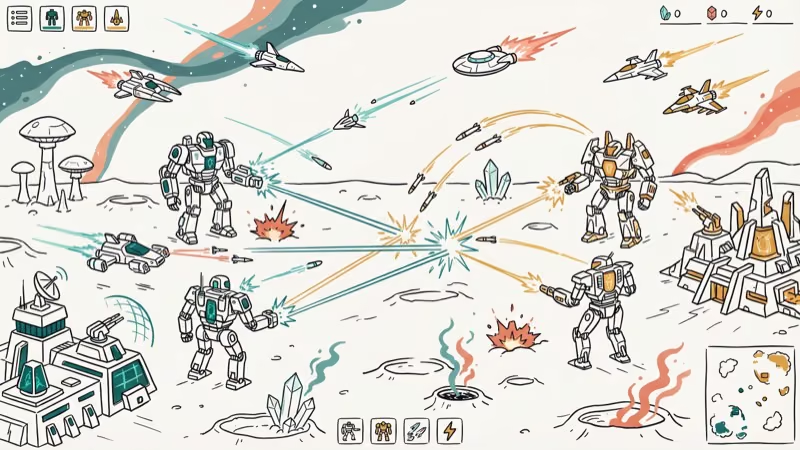
WorldShift drops you onto a post-apocalyptic Earth where an asteroid impact has mutated the biosphere into something out of a sci-fi fever dream. Giant mushrooms, feral creatures, and three factions fight over what’s left. The single-player campaign is thin, but the squad-based multiplayer modes keep matches unpredictable with persistent hero progression between games.
Players who also enjoy tactical shooters should check out games like Counter-Strike for a different take on squad-scale combat.
#Machines at War 3
If you want sheer unit variety, Machines at War 3 delivers more than a hundred distinct units across land, sea, and air. Choppers, hovercrafts, tanks, and artillery fill the screen during large engagements. The bird’s-eye perspective stays locked, though, and you can’t zoom in to watch individual duels.
Beginner-friendly interface. Limited tactical depth once you learn the counter patterns.
#Fantasy and Alternate-History RTS Games
#Rise of Nations: Rise of Legends
This 2006 spinoff swaps historical civilizations for fantasy factions rooted in ancient myth. Each faction plays completely differently: the Vinci rely on steampunk machinery, the Alin channel elemental magic through djinn-inspired units, and the Cuotl field alien tech disguised as Mesoamerican temples.
The campaign map works like a board game. Pick a territory, fight the battle on a tactical RTS map, then move on.
Fantasy dressing, but the build-and-conquer loop translates cleanly for CnC veterans who want a visual reset without losing strategic depth.
#Dune II
This is where it all started. Released by Westwood Studios in 1992, Dune II introduced the mechanics CnC would later refine: the mobile construction vehicle (MCV), a gated tech tree, distinct faction abilities, and fog of war.
Wikipedia’s Dune II article states that Dune II is widely credited as the title that defined the RTS template, and that Westwood’s next major release (the original Command & Conquer in 1995) reused the same core formula with a near-future military skin.
Controls feel clunky by 2026 standards, but the strategic core still holds up on modern DOSBox builds.
#Top CnC Alternatives With Strong Multiplayer
#Warhammer 40K: Dawn of War
Dawn of War blends military strategy with Warhammer 40K’s grimdark science fiction. You fight across the planet Tartarus, managing squads rather than individual units, which shifts the micro-vs-macro balance toward positioning and morale management.
The Wikipedia Dawn of War entry states that Relic Entertainment’s cover system and squad morale mechanics differentiated Dawn of War from standard base-rush RTS titles. A dedicated modding community has kept custom maps, total conversions, and Relic Forum tournaments alive well into the 2020s, with the Unification mod in particular rolling content from the Dark Crusade and Soulstorm expansions back into the original Dawn of War client so that players get every faction in one consolidated install.
#Halo Wars
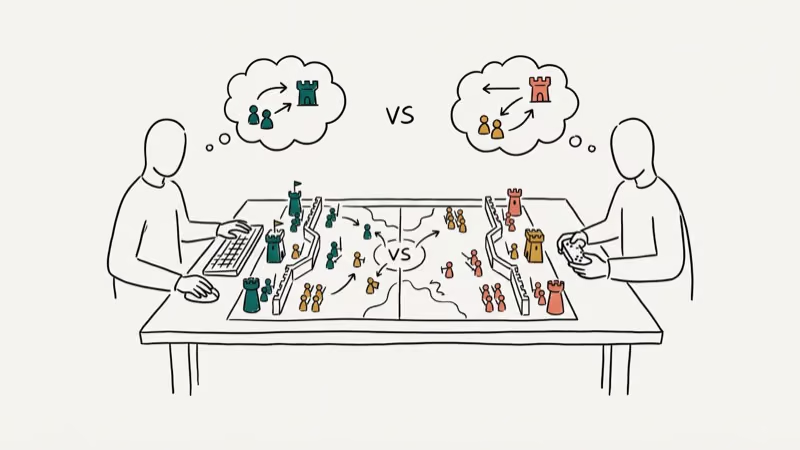
Halo Wars proved that RTS games can work on consoles. The radial menu system replaces keyboard shortcuts with a controller-friendly interface, and the Halo universe provides instantly recognizable Spartan and Covenant units.
The Halo Wars: Definitive Edition Steam page confirms that the Definitive Edition launched April 20, 2017, includes all original DLC, and supports online co-op on Windows. The remaster’s higher frame rate makes fog-of-war skirmishes feel noticeably snappier than the original Xbox 360 version.
See our guide to games like Halo for more options in the broader Halo universe.
The economy boils down to supply pads. Build them, upgrade them, done.
#StarCraft II
StarCraft II is the gold standard for competitive RTS. Blizzard Entertainment balanced three wildly different factions (Terran, Zerg, Protoss) precisely enough that professional esports leagues ran continuous tournaments through the 2010s.
The StarCraft II official page confirms that the base game went free-to-play. The Terran campaign and full multiplayer ladder access cost nothing, while Heart of the Swarm (Zerg) and Legacy of the Void (Protoss) remain paid expansions.
If StarCraft II clicks, our list of games like StarCraft has the obvious next steps.
#Warcraft III: Reign of Chaos
Warcraft III combines RTS base-building with RPG hero units that level up, learn ability trees, and carry inventory items. The hero system is what pulled RPG players into RTS for the first time.
The map editor that shipped with the original 2002 release eventually spawned the custom DOTA Allstars mod that seeded the modern MOBA genre. For more detail, see games like Warcraft 3. RPG fans drawn to Warcraft III’s hero mechanics should also look at games like Baldur’s Gate for deeper party-based tactics.
#Tips for Choosing the Right CnC Alternative
Your pick depends on what you liked most about Command and Conquer. If it was the military realism and live-action briefings, go with Act of War or R.U.S.E. If the sci-fi factions hooked you, StarCraft II or Supreme Commander 2 will scratch that itch. If base-building itself was the draw, nearly every game on this list delivers that core loop, though Dawn of War shifts the focus to squads and Halo Wars pares the economy to the bone.
Platform matters too. Halo Wars is the only strong console-first option. Everything else plays best on PC, and a few (R.U.S.E., older Dawn of War expansions) are legacy-only purchases.
#Bottom Line
For CnC veterans in 2026, start with StarCraft II because the barrier to trying it stays as low as it gets. The Terran campaign and the full multiplayer ladder cost nothing on Blizzard’s launcher, the game still gets balance patches, and if the mechanics don’t click you’ve risked only an evening of download time rather than the sixty dollars you’d sink into a modern AAA release.
If you specifically want the CnC feel of massive-scale warfare with experimental superweapons, Supreme Commander 2 on Steam is the most direct descendant of that lineage.
If you own an Xbox or want the only console-native option on this list, Halo Wars: Definitive Edition is the unambiguous pick. The 2017 remaster fixes every pacing complaint that dogged the 2009 original.
If you’re curious about the genre’s roots rather than its modern state, Dune II on DOSBox shows exactly where CnC got its blueprint.
#Frequently Asked Questions
Are these Command and Conquer alternatives available on multiple platforms?
Most titles launched on PC, and several expanded to consoles later. StarCraft II and Warcraft III are PC and Mac only. Halo Wars: Definitive Edition is available on Xbox and on PC through Steam and the Microsoft Store. Check each game’s current store page before buying, since a few titles (notably R.U.S.E.) have been delisted from digital storefronts.
Can you play any of these RTS games for free?
Yes. StarCraft II’s Terran campaign and multiplayer ladder are free on Blizzard’s launcher, and Steam sales regularly drop Supreme Commander 2 and the Halo Wars: Definitive Edition to single-digit dollar prices. Older titles like Dune II are essentially free through abandonware-adjacent DOSBox bundles, though licensing there is a gray area.
Which game has the most active multiplayer community?
StarCraft II, by a wide margin. Ranked matchmaking is still active in 2026.
Do any of these games support modding?
Warcraft III has one of the most prolific modding histories in gaming, producing custom maps, total conversions, and entirely new game modes like the original DOTA Allstars. StarCraft II’s Arcade mode provides built-in tools for creating and sharing custom content. Dawn of War also supports extensive modding through community tools, though the workflow is dated.
What are the minimum system requirements for these games?
Minimal across the board. StarCraft II is the most demanding, and any laptop from the last five to seven years runs everything on this list at 1080p without issue.
Which game is closest to the original Command and Conquer experience?
Act of War: Direct Action captures CnC’s military realism and live-action cutscene aesthetic most faithfully. Dune II shares the same foundational mechanics, since CnC directly evolved from the Dune II codebase. For a modern CnC-style experience with polished faction warfare, StarCraft II offers the most refined version of the classic RTS formula, and the Command & Conquer Remastered Collection itself remains the best option if you want the original games with modern quality-of-life fixes.
Is Supreme Commander 2 still worth buying in 2026?
Yes, especially on sale. The Steam listing confirms it still runs on Windows 10 and 11, the multiplayer lobby has occasional activity, and the experimental-unit spectacle holds up even sixteen years after release. For solo players, the three-campaign single-player mode alone justifies the price during a Steam sale.
Fortnite Stuck on the Loading Screen? Fix It in 2026
Fortnite stuck on the loading screen? Check server status, fix the Windows N Media Pack and DirectX 11 on PC, clear the console cache, and verify files.
Minecraft Keeps Crashing? Java and Bedrock Fixes (2026)
Minecraft keeps crashing on startup or mid-game? Update your GPU driver, remove mods on Java, and reinstall Gaming Services on Bedrock. Fixes for both.
Pokemon GO Not Loading? Fix the Loading Screen 2026
Pokemon GO not loading or stuck on the Pokeball? Check server status, fix automatic date and time, grant location permission, clear the cache, and update.
PS5 Controller Not Charging? 9 Fixes That Work (2026)
DualSense not charging? Swap the cable, use a rear port in Rest Mode, clean the USB-C port, and check power settings. 9 fixes for a dead PS5 controller.