11 Best Games Like MapleStory Worth Playing in 2026
11 games like MapleStory ranked by combat feel, grind loops, and community size. Covers 2D side-scrollers, 3D MMOs, and browser picks for 2026.
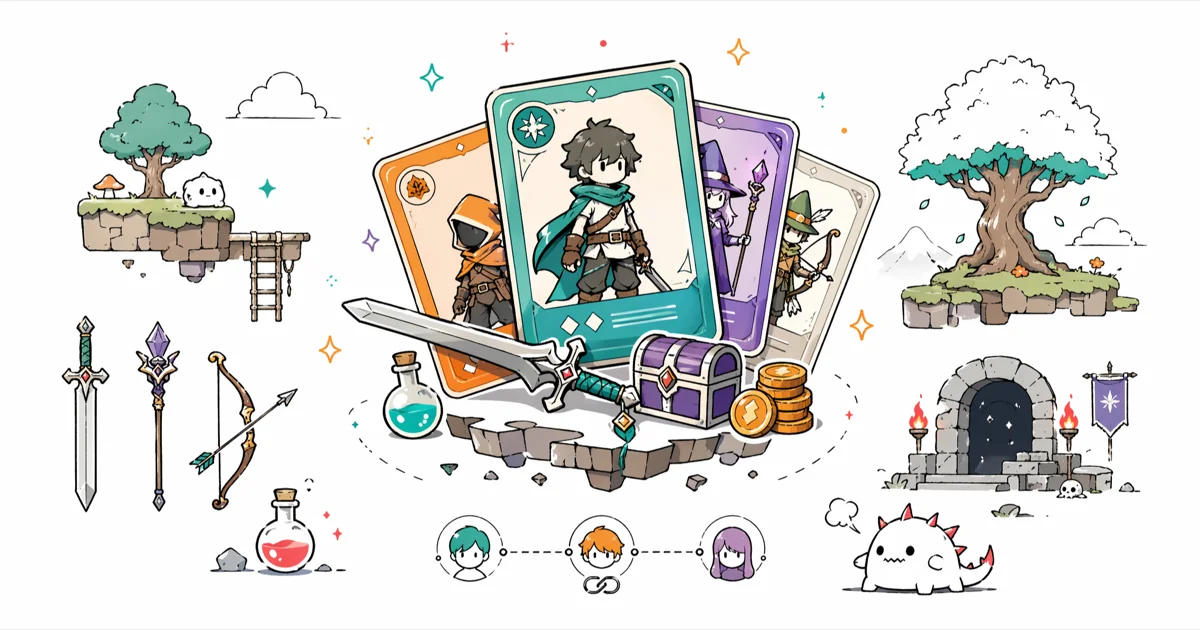
Quick AnswerThe closest games to MapleStory are Dungeon Fighter Online and LaTale for 2D side-scrolling combat, Tree of Savior for Nexon-style MMO depth, and Mabinogi for story-first gameplay.
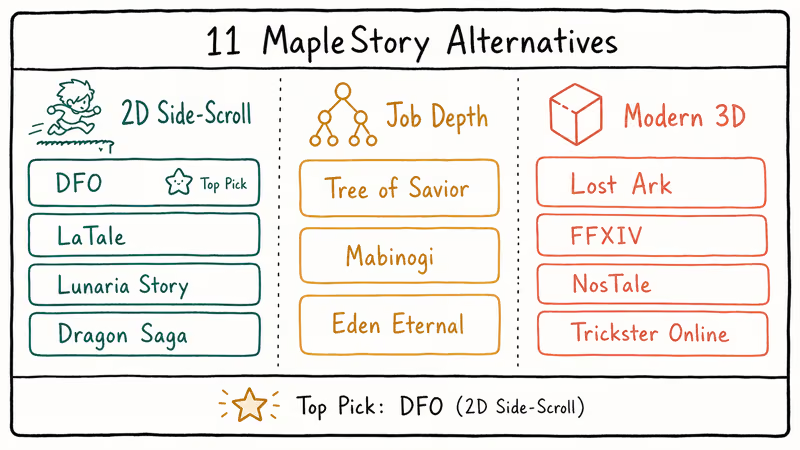
MapleStory fans hunting for the next fix usually want one of three things. The 2D side-scrolling combat, the long-haul job progression, or the chaotic class variety. The games on this list are ranked by how well each one replaces those pillars.
- Dungeon Fighter Online is the closest 2D side-scroller replacement, made by Nexon’s own Neople subsidiary
- Mabinogi has the deepest non-combat sandbox (crafting, music, cooking) with no level cap pressure
- Tree of Savior keeps the cute-anime look but moves combat to real-time 3D with 80+ class branches
- Lost Ark and Final Fantasy XIV are the production-value picks if you want modern graphics and voiced story
- Browser-playable Lunaria Story and NosTale cost nothing to try and run on low-spec machines
#What Actually Makes a Game Feel Like MapleStory?
MapleStory built its identity on four pillars that most “similar games” lists ignore: the horizontal 2D platformer camera (where you jump between ropes and platforms instead of clicking to move on a tile), job advancement trees gating powerful skills behind level milestones (30, 60, 100, 120, 200), chibi-anime art with bright palettes, and the cash-shop economy that turns cosmetic hats and pets into a second progression system.
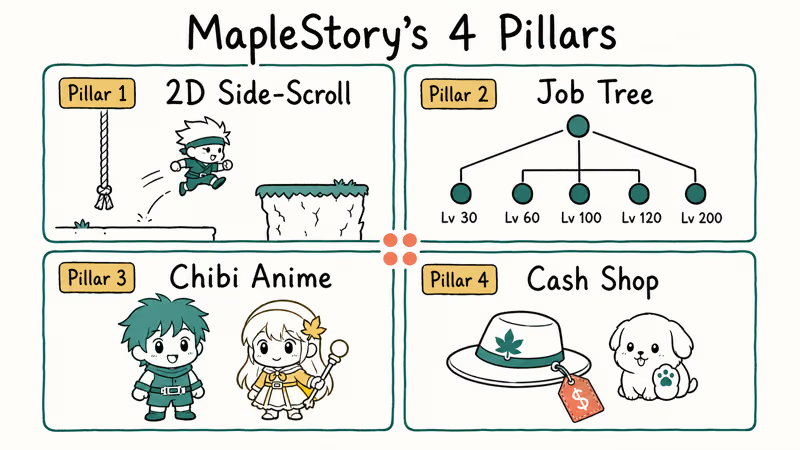
The MapleStory Wikipedia entry states that the game launched on April 29, 2003, which means 22 years of class updates stacked on top of the base formula. Most MapleStory veterans want a game that replicates at least two of those four pillars. The list below flags which ones each entry covers.
For players who prefer grindy RPG systems on mobile, our best MMORPG Android roundup covers phone-first alternatives that overlap with this list.
#Top 11 Games Similar to MapleStory
Each entry below includes the platform, closest MapleStory pillar it replaces, and whether it’s free-to-play.
#Dungeon Fighter Online
Platform: PC. Pillar match: 2D side-scrolling combat, job advancement. F2P: yes.
Dungeon Fighter Online is the closest mechanical cousin MapleStory has, and that’s not a coincidence. Developer Neople states that it’s a subsidiary of Nexon, which means the two games share publishing DNA. DFO uses the same 2D side-scroll perspective but swaps Maple’s open-map mobbing for arcade-style dungeon rooms with combo-heavy brawler combat. Classes include Slayer, Fighter, Gunner, and Mage, and each splits into four sub-jobs at level 15.
DFO runs smoothly on modest hardware even with settings maxed. The combo timing feels tighter than MapleStory’s auto-attack rhythm, so players who loved Night Lord animation cancels will adapt fastest. Its cosmetic shop works the same way Maple’s does, selling avatar pieces that also grant stat bonuses.
#Lost Ark
Platform: PC (Steam). Pillar match: job advancement, cash shop. F2P: yes.
Lost Ark is the mainstream option, published in the West by Amazon Games. The Lost Ark Steam page lists multiple advanced classes split across 5 base archetypes, each with their own awakening skills at endgame. Combat is isometric 3D rather than 2D, but the skill-point allocation and ability-upgrade loop hit the same dopamine button MapleStory does.
The opening 30 levels scroll through so fast that most of the job-advancement tension comes from Tier 3 gear upgrades rather than class choice. Players who valued MapleStory’s slow-burn leveling will want to ignore the prologue’s XP boost and explore the Una’s Tasks daily loop instead.
#Tree of Savior
Platform: PC (Steam). Pillar match: cute-anime visuals, job variety. F2P: yes.
Tree of Savior is often pitched as “Ragnarok Online’s spiritual successor,” but its class system is more MapleStory-coded than that label suggests. It has 80+ class branches stacked in a tree, which beats MapleStory’s own class count. The pastel anime art direction and slow-paced exploration also line up closely with how Victoria Island feels.
Push a Cleric build into the higher ranks and you hit one MapleStory-familiar wall: gear enhancement gambling with heavy RNG. The combat itself is real-time 3D with grid-targeted AoE spells, which is the biggest departure from Maple’s 2D fighter feel.
#Mabinogi
Platform: PC. Pillar match: cash shop, community, cute-anime visuals. F2P: yes.
Mabinogi launched in 2004 as Nexon’s other big MMORPG, and it takes the Maple formula in a completely different direction. According to Nexon’s Mabinogi site, the game has no level cap and no single main job, so players layer skills from archery, alchemy, music, and cooking into whatever hybrid fits their playstyle. The Generation storylines read more like novels than MMO quests.
Mabinogi runs fine on older laptops at medium settings, though the engine is visibly its age. The grind is gentler than MapleStory’s, because most progression comes from skill rank-ups rather than level numbers. It’s the top pick for players who felt MapleStory’s combat loop got repetitive after job advancement.
#Final Fantasy XIV
Platform: PC, PlayStation, Xbox. Pillar match: job advancement, story. F2P: free trial up to level 70.
FFXIV is the premium pick, published by Square Enix. According to its Steam page, a single character can level every job class without rerolling, which is closer to how MapleStory’s Link Skill system rewards owning multiple characters than most MMO systems. Subscription runs roughly the price of a streaming service per month, and the free trial extends through the acclaimed Heavensward expansion.
The 3D perspective is the obvious break from Maple. But the story-driven dungeon progression and the heavy cosmetic glamour system fill the same “collector” itch Maple’s avatar customization does. We recommend it if you want graphical fidelity more than side-scroll feel.
#Trickster Online
Platform: PC. Pillar match: 2D side-scrolling, cute-anime visuals. F2P: yes, via fan servers.
The original Trickster Online shut down in 2014, but private fan servers keep the game alive. It runs on 2D isometric tiles rather than strict side-scrolling, and its eight animal-themed classes (Bunny, Sheep, Dragon, etc.) lean harder into cute aesthetics than MapleStory. Character leveling goes up to 400, and crafting, drilling, and card-collecting mini-games slow the grind enough that it never feels like pure combat.
Community servers like ETrickster keep the game playable, but expect occasional character wipes and no official customer support. Play it for nostalgia, not for longevity.
#Dragon Saga
Platform: PC (Warpportal). Pillar match: 2D side-scrolling combat. F2P: yes.
Dragon Saga (originally Dragonica) is a 3D side-scroller, which sounds contradictory until you see it: the camera sticks to a 2D axis but models are fully 3D, creating a hybrid that looks like MapleStory with depth. The combo system is its signature hook, rewarding aerial juggle chains that borrow from fighting games like Tekken.
Four starting classes branch into 12 advanced jobs. The late-game PvP arena, Dragon Valley, is where most veteran players spend time. The Western Warpportal client is known for login issues that can require running in Windows 7 compatibility mode, which is a turn-off for anyone expecting a polished modern launch.
#Eden Eternal
Platform: PC (Aeria Games). Pillar match: job variety, cute-anime visuals. F2P: yes.
Eden Eternal’s hook is the class-swap system. Unlike MapleStory’s permanent job commitment, Eden Eternal lets a single character switch between 15 classes on the fly without rerolling. That compresses MapleStory’s multi-character link-skill reward loop into one save file, which can feel either liberating or cheap depending on your preference for commitment-based progression, and it means you never have to grind alt accounts to unlock shared bonuses.
Art direction sits in the same anime-chibi zone as MapleStory. The 3D engine runs well on low-spec hardware. The game is quieter than it used to be, so expect smaller populations in lower-level maps, though endgame raids and guild wars still pull active groups on the US servers.
#NosTale
Platform: PC (Gameforge). Pillar match: cute-anime visuals, cash shop. F2P: yes.
NosTale pitches itself as “anime MMORPG,” and the art style does land in the same chibi pocket as MapleStory. Its biggest differentiator is the pet and “specialist card” system, which is closer to Pokemon than Maple. Each specialist card transforms your character into a temporary class with its own skill bar, layered on top of the permanent Swordsman/Archer/Mage base.
The housing system lets players decorate mini-island homes, which mirrors MapleStory’s chair and medal collection loop. Gameforge localization is spotty, so menu text sometimes reads like broken English. The combat is fine for casual play but lacks the depth veterans will want.
#LaTale
Platform: PC (Papaya Play). Pillar match: 2D side-scrolling combat, cute-anime visuals. F2P: yes.
LaTale is the purest MapleStory clone on this list. It’s a 2D side-scroller with fairy-tale aesthetics, 10+ base classes, and over 50 sub-jobs. Many MapleStory players try LaTale and find the jump height, rope climbing, and platform physics nearly identical. For players comparing fantasy grind loops, our games like Dragon Quest list covers tactical JRPGs that overlap with MapleStory’s slow-burn leveling.
Combat keybinds match MapleStory’s defaults. Leveling a Warrior to job advancement feels like muscle memory from the moment the tutorial ends, which is the highest compliment a clone can earn, though the English translation still has rough edges in flavor text that will annoy lore readers.
#Lunaria Story
Platform: Browser. Pillar match: 2D side-scrolling, cute-anime visuals. F2P: yes, no download.
Lunaria Story runs directly in a browser, which makes it the easiest MapleStory alternative to sample without committing disk space. Mechanics include 2D side-scrolling, chibi art, and job advancement at levels 20, 50, and 100. The game is lighter than native clients, so expect smaller maps and simpler combat animations.
The browser client stays responsive on low-RAM machines through the early levels. Use it as a gateway to see whether the 2D side-scroll combat loop still appeals before installing a heavier option like LaTale or DFO.
#System Requirements and Platform Notes
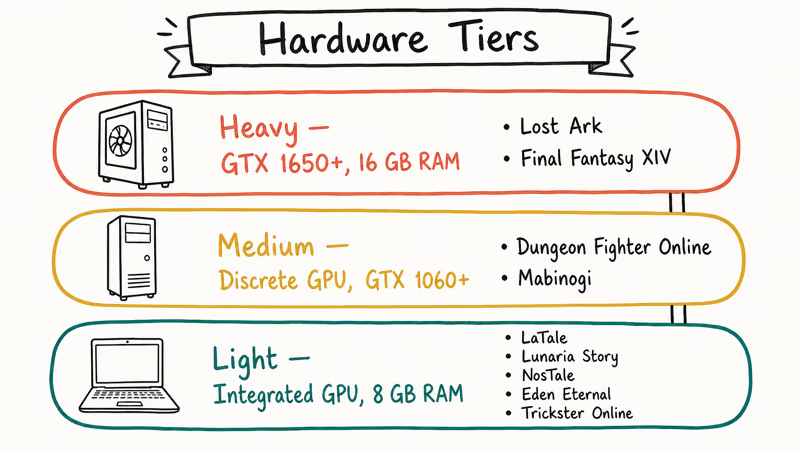
Hardware budgets vary sharply across this list. LaTale, Lunaria Story, NosTale, Eden Eternal, and Trickster Online run on integrated graphics and 8 GB RAM. Dungeon Fighter Online and Mabinogi want a discrete GPU for smooth combat at 60 fps but accept older cards like a GTX 1060. Lost Ark and Final Fantasy XIV push hardest, listing GTX 1650 or better and 16 GB RAM as their realistic minimum.
Cross-platform access is uneven too. Only FFXIV offers console play across PlayStation and Xbox in addition to PC. Every other game on this list is Windows-only for the desktop version, though several have separate mobile spin-offs as noted earlier.
#Picking the Right MapleStory Alternative for You
Match the game to the MapleStory pillar you missed most. If you loved the 2D side-scroll combat above anything else, start with LaTale or Dungeon Fighter Online. If you came for the slow job-advancement ladder and cash-shop completion, Lost Ark or FFXIV replace that loop with modern production values. If you valued the chill community and non-combat activities like chair collection, Mabinogi is the closest spiritual cousin.
PC Gamer’s MMORPG coverage notes the genre has shrunk. For adjacent niches, our turn-based RPGs roundup covers tactical alternatives, and games like RuneScape covers old-school MMO grinds.
#Which of These Games Still Has an Active Community?
Active populations are the quiet killer for older MMOs, and this list spans a wide range. Lost Ark and FFXIV remain the population leaders on Steam’s MMORPG charts by concurrent players. Mabinogi, DFO, and Tree of Savior keep smaller but steady communities with active Discord servers. LaTale, NosTale, and Eden Eternal cluster in the niche tier where finding a party for endgame content may require asking in guild chat rather than matchmaking.
Browser-first Lunaria Story and fan-server Trickster Online sit at the bottom of the population curve, which is fine for solo play but limits group content. Pick one based on how important social play is to your MapleStory nostalgia.
#Cash Shop and Monetization Comparison
MapleStory refugees often care as much about the cash shop as the combat. Here’s the quick tour. DFO, Mabinogi, NosTale, and LaTale follow the classic Nexon-style cosmetic shop (selling avatar pieces, pets, and inventory expansion for real money while keeping the base game free), and Lost Ark leans toward crystal-based currency that converts between in-game gold and premium items, creating a grey-market economy veterans either love or avoid depending on how much they trust the exchange rate.
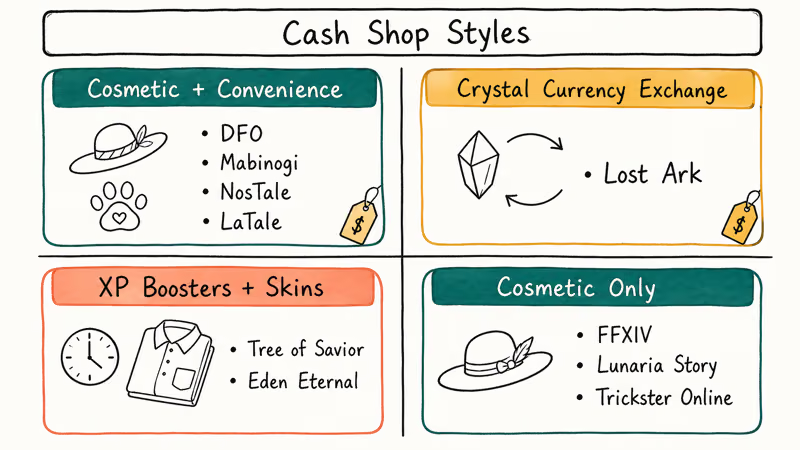
Tree of Savior and Eden Eternal sell XP boosters and cosmetic skins but no power items. Final Fantasy XIV keeps its cash shop strictly cosmetic. Browser games like Lunaria Story and fan-server Trickster Online sell the least.
#Bottom Line
Start with Dungeon Fighter Online if you want the closest 2D combat feel in a game that still gets updates, since it’s the Nexon-adjacent pick with the tightest MapleStory DNA. Add Mabinogi as your long-term backup if DFO’s arcade pacing wears thin. Both are free, both run on modest hardware, and together they cover the two halves of what made MapleStory worth logging into: fast reflex combat and slow sandbox living.
#Frequently Asked Questions
Are any of these games still actively updated?
Yes. Dungeon Fighter Online, Lost Ark, Final Fantasy XIV, and Mabinogi all push new content at least quarterly based on their official patch schedules. Tree of Savior and LaTale update less often but still ship seasonal events. Older picks like Trickster Online run on community-maintained fan servers rather than official updates.
Can I play these games on a low-spec laptop?
Most of them, yes. LaTale, Lunaria Story, NosTale, and Eden Eternal all target integrated graphics and older CPUs. Mabinogi runs smoothly on older laptops at medium settings. Lost Ark and FFXIV have the heaviest requirements and expect a discrete GPU.
Which of these games has the best community?
FFXIV wins, by a wide margin. Its built-in Mentor system rewards veteran players for helping newcomers with quest advice, dungeon runs, and class tips, which is why the community consistently ranks as the most beginner-friendly in third-party MMO surveys on Reddit. Mabinogi takes second place thanks to its slower roleplay-friendly pace and music-system subculture. MapleStory refugees specifically tend to migrate to LaTale’s smaller active Discord servers for the closest social feel to early Maple world chat.
Do any of these games work on mobile?
Only as separate ports: MapleStory M, Lost Ark Mobile (select regions), and Mabinogi Mobile. Desktop entries here are Windows-only. Mobile gacha fans may prefer games like Summoners War.
Are the free-to-play versions actually playable without spending?
Yes, with varied pacing. DFO and Mabinogi run end-to-end free; Lost Ark gates some QoL items; FFXIV needs a subscription past level 70.
Which game has classes most similar to MapleStory’s job system?
Tree of Savior wins on raw count with its 80+ class branches. LaTale mirrors MapleStory’s structure most directly with base classes and sub-jobs at fixed level breakpoints. Eden Eternal lets one character switch classes on demand, compressing weeks of alt-grinding into a single save slot.
Can I play MapleStory with friends on these alternatives?
Yes, all 11 games on this list support multiplayer. Tree of Savior, Lost Ark, FFXIV, and Mabinogi have the strongest party-play systems with dedicated group content like dungeons, raids, and guild wars. LaTale and Trickster Online emphasize open-world mobbing where you naturally bump into other players. Browser entries like Lunaria Story have lighter social features.
Fortnite Stuck on the Loading Screen? Fix It in 2026
Fortnite stuck on the loading screen? Check server status, fix the Windows N Media Pack and DirectX 11 on PC, clear the console cache, and verify files.
Minecraft Keeps Crashing? Java and Bedrock Fixes (2026)
Minecraft keeps crashing on startup or mid-game? Update your GPU driver, remove mods on Java, and reinstall Gaming Services on Bedrock. Fixes for both.

Pokemon GO Not Loading? Fix the Loading Screen 2026
Pokemon GO not loading or stuck on the Pokeball? Check server status, fix automatic date and time, grant location permission, clear the cache, and update.
PS5 Controller Not Charging? 9 Fixes That Work (2026)
DualSense not charging? Swap the cable, use a rear port in Rest Mode, clean the USB-C port, and check power settings. 9 fixes for a dead PS5 controller.