Best Games Like SimCity for City-Building Fans (2026)
Looking for games like SimCity? Here are 13 city-building alternatives across PC and console with realistic sims, survival builders, and more.
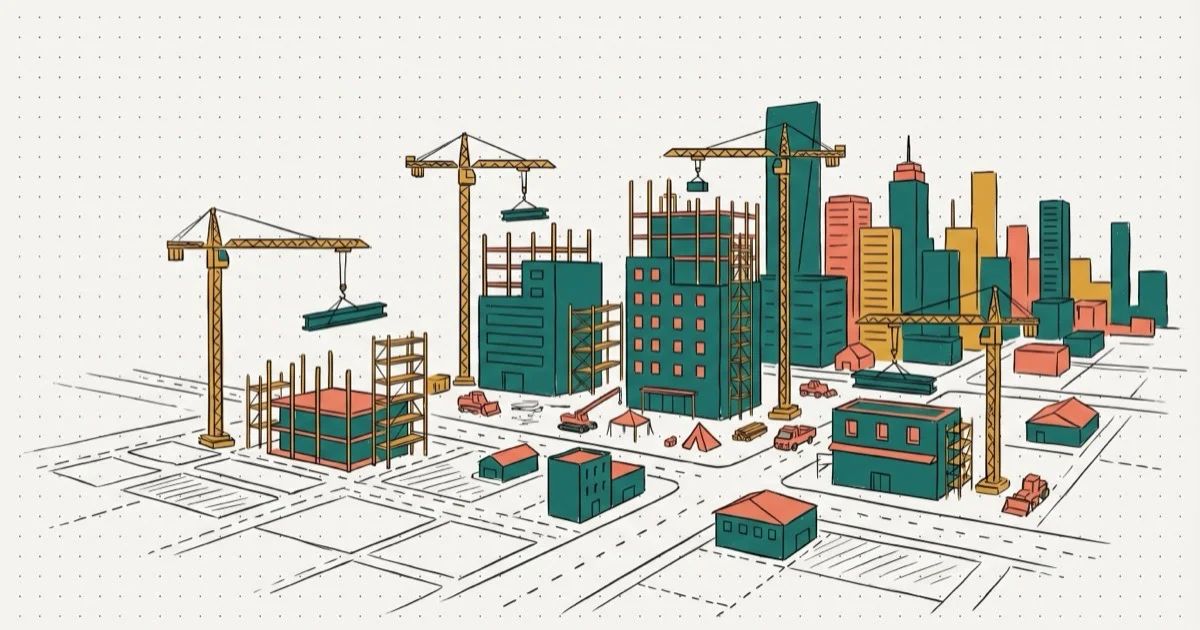
Quick AnswerCities: Skylines is the strongest SimCity alternative thanks to deep zoning, vehicle-level traffic simulation, and a massive mod library. Frostpunk suits survival fans, while Anno 1800 wins on economic depth.
SimCity defined the city-building genre when Maxis shipped the original in 1989, and three decades later fans are still hunting for the game that captures that same slow thrill of watching empty land grow into a working metropolis. The good news is the options have never been richer.
- Cities: Skylines has the largest modding scene in the genre and runs offline, unlike SimCity 2013
- Frostpunk layers moral pressure on top of city-building with laws that have lasting consequences
- Anno 1800 trades zoning for production chains across islands in an Industrial Revolution setting
- Banished and Flotsam show how survival or scavenging can replace traditional growth loops
- Five titles on this list also ship on PS4, PS5, Xbox, and Nintendo Switch for couch play
The original SimCity let you zone residential, commercial, and industrial districts while juggling budgets, utilities, and public services. That template is still the backbone of every title below, even when the setting swaps concrete for Martian domes or frozen steppe. If you also enjoy lighter party sessions in between building runs, our list of games like Jackbox covers that side of the hobby.
Here’s the selection logic.
The strongest SimCity alternatives share the same core loop: place buildings, manage resources, and watch the city react. Some titles stay close to SimCity’s blueprint. Others stretch it into survival, colonization, or historical strategy, and the best of them still honor the Maxis philosophy of letting systems teach the lesson rather than the tutorial.
#What Makes a Good SimCity Alternative?
A strong SimCity-style game needs three things: meaningful zoning or building placement, resource feedback loops, and failure states that feel earned instead of arbitrary.
Cities: Skylines nails all three, which is why it keeps topping genre rankings years after launch. A Wikipedia entry for Cities: Skylines reported that sales had crossed 12 million copies across all platforms by June 2022, and the same entry confirms that over 200,000 user-created items were on the Workshop as far back as February 2020. That combination of raw commercial reach and community mass is the real reason it has aged better than SimCity 2013.
What you don’t want is a pretty facade without systems underneath. Several mobile spinoffs and browser clones hit the aesthetic but skip the simulation, and you can feel the difference within ten minutes. Short version: stick to the titles below.
#Which City Builders Have the Best Modding Support?
Mod support can extend a game’s lifespan by years, and it’s one of the clearest signs that a city builder still has a long-term community after the campaign ends.
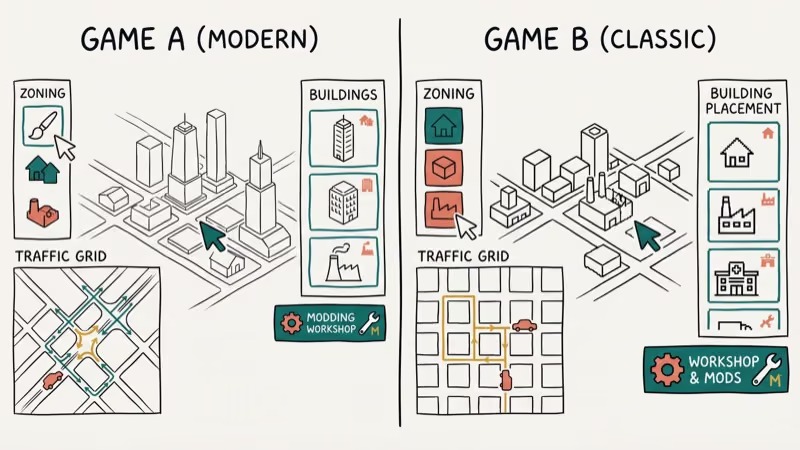
Cities: Skylines leads by a huge margin. The Cities: Skylines Steam Workshop hosts hundreds of thousands of user-created maps, mods, buildings, and vehicles across a dozen categories. Heavy mod lists can still raise hardware demands, so players on mid-range PCs should add assets gradually and watch performance as cities grow.
Banished has a smaller but passionate scene, anchored by the long-running Colonial Charter overhaul that essentially doubles the vanilla building list. Frostpunk has limited mod tools but a steady trickle of custom scenarios on community forums. If you enjoy the rabbit hole that deep modding opens up, the same obsession lives in games like Factorio.
#Modern City Builders and Simulation Games
#Cities: Skylines (PC, PS4, Xbox One, Switch)
This is the game most players buy after SimCity disappoints them. Colossal Order built everything EA’s SimCity 2013 missed: proper city scale, offline play, and vehicle-level traffic simulation that models every car’s route across your whole road network.
Short answer: buy the original, not the sequel.
The sequel launched in 2023 but demands heavier hardware and shipped with performance issues that persisted well into 2024, so even with patches it’s still the riskier install for a mid-range rig. For a new player today, the original plus a handful of Workshop mods is the safer and cheaper pick.
#Frostpunk (PC, PS4, Xbox One)
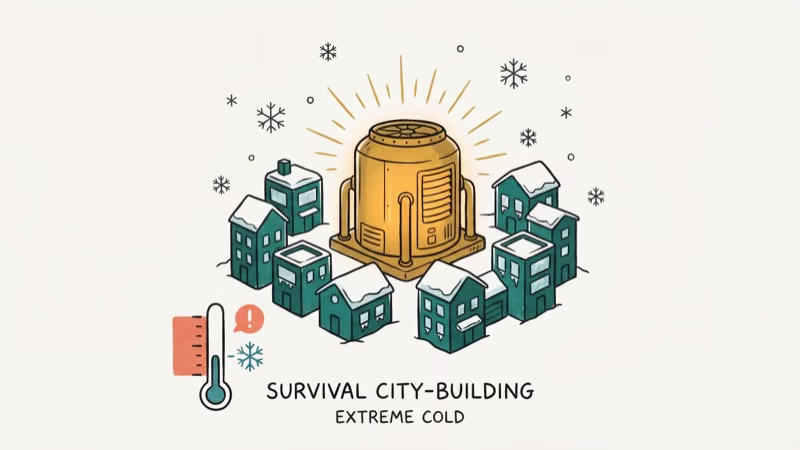
What happens when your citizens might not survive the night? That’s the question 11 bit studios built an entire city around. 11 bit’s Frostpunk page describes it as “the first society survival game,” which is an accurate tag. You manage heat, food, and morale while passing laws that test your ethics, and the consequences for bad decisions hit fast.
Frostpunk can punish weak heat, food, and medical planning quickly once temperatures collapse. A Wikipedia entry for Frostpunk confirms that 11 bit sold over 250,000 copies within three days of release and had pushed past 5 million by year six.
PC Gamer’s review called it “a stressful, stylish, and addictive survival management game filled with incredibly difficult choices,” which matches the mood almost exactly. If you enjoy survival management in games like Fallout Shelter, Frostpunk takes the same concept and dials up the moral stakes.
#Anno 1800 (PC)
Industrial Revolution-era city building with trade routes, diplomacy, and colonization layered on top. You manage production chains where cotton farms feed textile mills that supply clothing stores, and a single broken supply route can tank an entire island’s economy within a few game-months.
Anno 1800 eventually pushes players into juggling multiple islands with independent supply chains, and that micromanagement is the appeal rather than a flaw. Fans of games like Age of Empires will recognize the rhythm of balancing production with defense.
#Surviving Mars (PC, PS4, Xbox One)
Mars colonization with real stakes. Haemimont Games and Paradox Interactive released this sim in 2018, and it has you building domes, managing oxygen and water, and tracking each colonist’s comfort, sanity, and health across a hostile planet where one system failure can cascade into colony-wide disaster.
Plan for redundancy.
Random mystery events keep repeat runs fresh. Difficulty scales from sandbox relaxation to brutal, and the game quietly rewards players who build backup life-support systems instead of rushing expansion into the next dust storm.
#Anno 2070 (PC)
Polar ice caps gone, seas risen, new islands emerging. This futuristic Anno entry forces you to build on unfamiliar terrain where every industrial decision carries environmental weight.
Your faction choice (industrialist vs. environmentalist) changes the available buildings and resources entirely, creating two distinct playstyles from the same starting scenario. It’s over a decade old but still runs smoothly on modern hardware, and the environmental management layer gives it a thematic relevance that newer series entries don’t match.
#Aven Colony (PC, PS4, Xbox One)
Alien planet colonization done right. Released in 2017, Aven Colony has you building farms, mines, and research facilities while fighting off alien spores and keeping colonist morale from collapsing under the weight of isolation on a world far from Earth.
Winter cuts solar power in half. Plan energy storage ahead or watch your colony freeze when the first long night lands.
#Survival and Economy-Focused City Builders
#Banished (PC)
Banished looks medieval but plays as a survival economy disguised as a city builder. Your small group of exiled travelers has to build shelter, grow food, and reproduce to keep the settlement alive, and one bad winter can wipe out half your population.
According to Shining Rock Software’s Banished page, the game focuses on seven core mechanics — building villages from natural materials, managing workers, crafting resources, trading goods, surviving seasonal hazards, feeding the population, and playing at a relaxed pace. That list is the exact reason it became a cult hit despite being made by a tiny team. More picks in our games like Banished roundup.
#Age of Empires Series (PC, Xbox)
RTS with city-building depth. Every entry in the franchise includes construction mechanics that rival dedicated builders, layered on top of real-time combat where you gather resources, advance through historical eras, and defend against rival civilizations doing the same.
Age of Empires IV modernized the formula in 2021 and has kept a regular seasonal update cadence since. If you want something grittier after the ancient era, games like Total War carry the strategy tradition into deeper tactical territory.
#Strategy and Historical City Builders
#Kingdom: Two Crowns (PC, PS4, Xbox, Switch, Mobile)
Move and spend gold. That’s the entire control scheme for this side-scrolling city builder where you ride a horse, recruit citizens, and defend against nightly attacks from the Greed.

The shared economy puts real pressure on every coin spent in co-op. It’s one of the rare city builders that actually works better with a partner than solo, and the minimalist controls make it painless to drop in on a coffee break.
#Dawn of Man (PC)
Thousands of years of human development compressed into one playthrough. Hunt mammoths, discover agriculture, forge metal tools, and watch your settlement crawl from Stone Age huts to Iron Age walls.
Dawn of Man’s tech tree spans dozens of technologies across five eras, and raider attacks escalate as your settlement grows, which means military planning becomes essential alongside the resource management that drives the early game. If you enjoy a bit of combat mixed into your builders, this delivers both construction and skirmishing in equal measure.
#Flotsam (PC, Early Access)
Your town floats on garbage. Divers scavenge the ocean floor, and you build outward from a central raft by turning salvaged plastic into functional structures.
Every piece of trash becomes a building material. The environmental message comes through gameplay rather than cutscenes, which keeps it from feeling preachy. Still in early access with regular updates, but the core loop already works well enough to recommend for anyone looking for a city builder that feels completely different from everything else on this list, and the art direction alone is worth the asking price if you like stylized 3D.
#Niche and Experimental City Builders
#Towns (PC)
RPG meets city builder. Citizens build above ground while exploring dungeons below, and expedition loot funds surface construction.
The developers abandoned it. No updates, no bug fixes, no roadmap. Yet Towns still runs, goes on sale for under two dollars, and offers a dungeon-meets-settlement loop that nobody else in the genre has attempted since, which makes it worth the minimal investment for players curious about experimental hybrids.
#Cities XL (PC)
An ambitious MMO-meets-city-builder experiment. Cities XL tried letting players trade between their cities in a shared multiplayer economy, but those servers shut down years ago and only single-player survives. Transport networks (airports, subways, buses) and wealth-tier zoning give it surprising depth for its age. Clunky in 2026, but fans of classic SimCity might appreciate the vision.
#Will SimCity Ever Come Back?
Probably not in the form fans want. EA’s SimCity hub still lists SimCity BuildIt (mobile), the 2013 main game, and the legacy SimCity 4 titles, but there’s been no indication of a new mainline entry since 2013’s rollout problems. The IP is alive on mobile, yet the desktop torch has clearly passed to Colossal Order and the dozens of indie studios working in the space.
If you’re attached to the brand specifically, SimCity 4 with the Network Addon Mod is the community’s gold standard and still runs fine on modern Windows.
#Bottom Line
Start with Cities: Skylines if you want the closest modern equivalent to classic SimCity — zoning, budgets, traffic, and a Workshop library that will outlive the game itself. Pick Frostpunk when you want city-building to actually push back with survival stakes and moral weight. Save Anno 1800 for the session where you want to lose six hours to production-chain math, and bookmark Flotsam if you ever get bored of growth-as-success and want to try scavenging-as-success instead.
#Frequently Asked Questions
Is Cities: Skylines better than SimCity?
For most players, yes. Cities: Skylines has larger maps, better traffic simulation, offline play, and a modding community that dwarfs anything EA’s SimCity shipped with. SimCity 2013’s always-online requirement and small city sizes pushed many fans to switch permanently and never come back.
Are there any free city-building games worth playing?
Fully free options are rare in this genre. Some platforms offer Banished and Cities: Skylines through subscription services like Game Pass, and Flotsam is available in early access at a relatively low price. Browser-based city builders exist for casual sessions, but they lack the depth of the paid options on this list, so manage expectations if you go that route.
Can I play these games on console?
Five titles ship on console: Cities: Skylines, Frostpunk, Surviving Mars, Aven Colony, and Kingdom: Two Crowns. PC versions offer better performance and mod support, but the console builds are perfectly playable if you prefer a controller.
Which game is hardest on this list?
Frostpunk. Failed runs are common, and the moral decisions around child labor laws and food rationing create real tension that sticks with you after you close the game. Banished comes second, especially in the early game when one bad harvest can wipe out your entire settlement before you’ve built any safety margin.
Do any of these games have multiplayer?
Kingdom: Two Crowns has cooperative multiplayer where two players share one kingdom. Cities XL was designed around multiplayer trading but those servers are offline now. Most other city builders here are single-player focused, though Anno 1800 has competitive and co-op modes that can stretch a session to 10+ hours.
What should I play if I liked the original 1989 SimCity?
Start with Cities: Skylines. It’s the most direct spiritual successor, with zoning, budgets, and utilities that will feel immediately familiar to SimCity veterans. For pure nostalgia, SimCity 4 with the Network Addon Mod remains the gold standard among dedicated fans who want that classic grid-based experience.
Are mobile city builders any good?
They scratch a different itch. SimCity BuildIt and similar mobile titles lean on soft timers and microtransactions, which works if you want short commute-length sessions but feels thin against a proper Cities: Skylines run. Think of them as a complement, not a replacement.
Fortnite Stuck on the Loading Screen? Fix It in 2026
Fortnite stuck on the loading screen? Check server status, fix the Windows N Media Pack and DirectX 11 on PC, clear the console cache, and verify files.
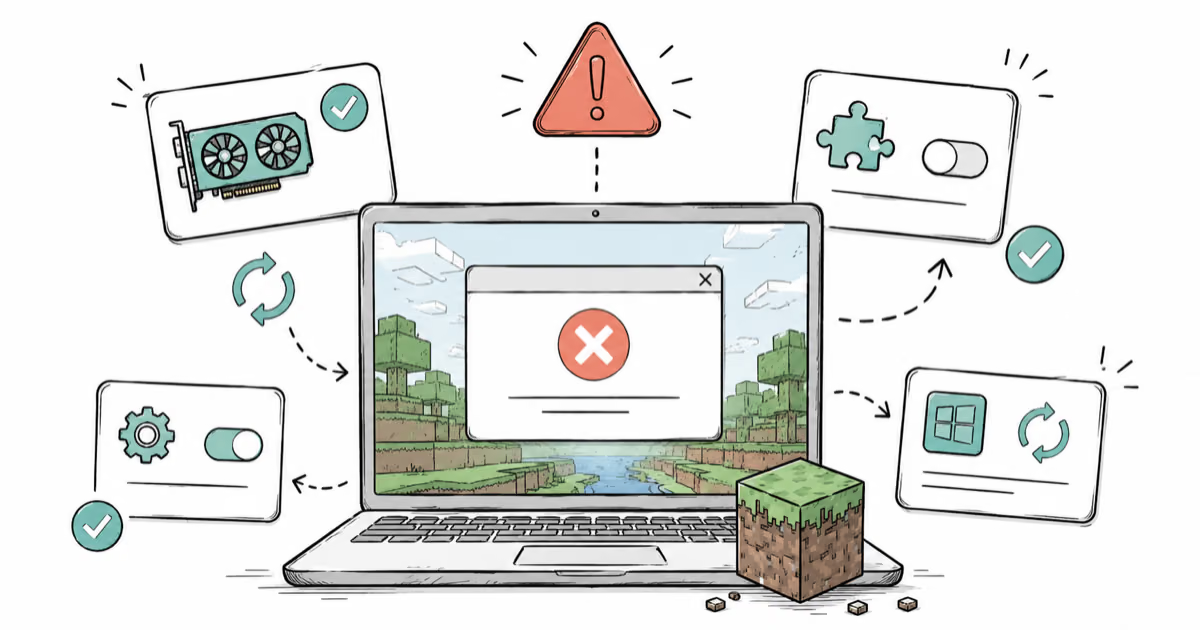
Minecraft Keeps Crashing? Java and Bedrock Fixes (2026)
Minecraft keeps crashing on startup or mid-game? Update your GPU driver, remove mods on Java, and reinstall Gaming Services on Bedrock. Fixes for both.
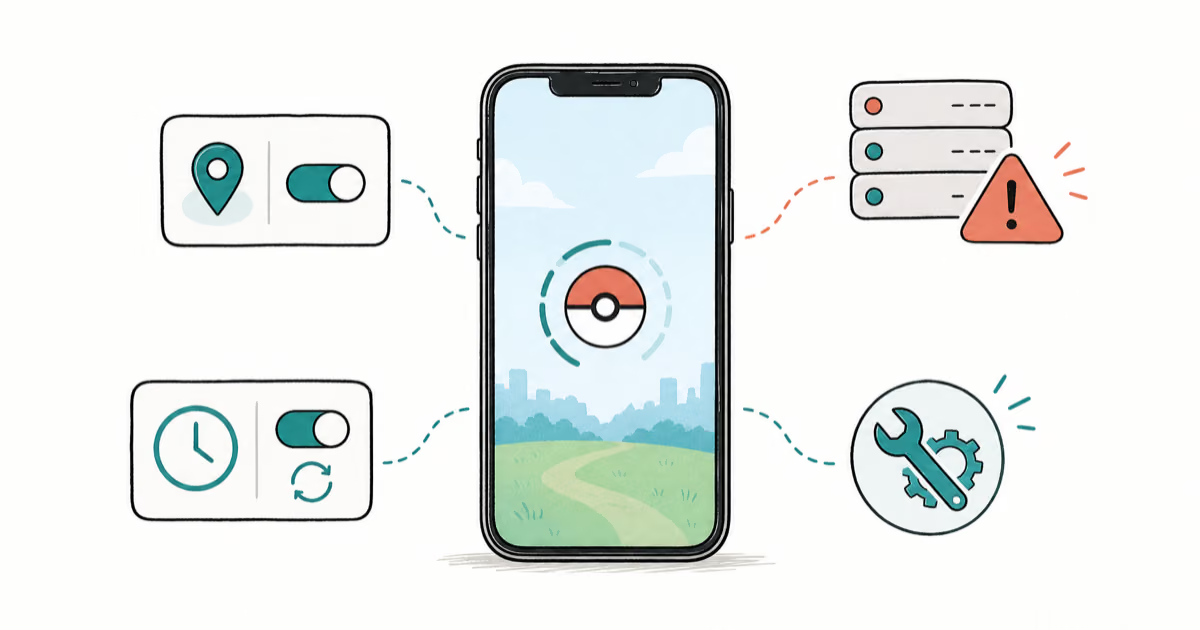
Pokemon GO Not Loading? Fix the Loading Screen 2026
Pokemon GO not loading or stuck on the Pokeball? Check server status, fix automatic date and time, grant location permission, clear the cache, and update.
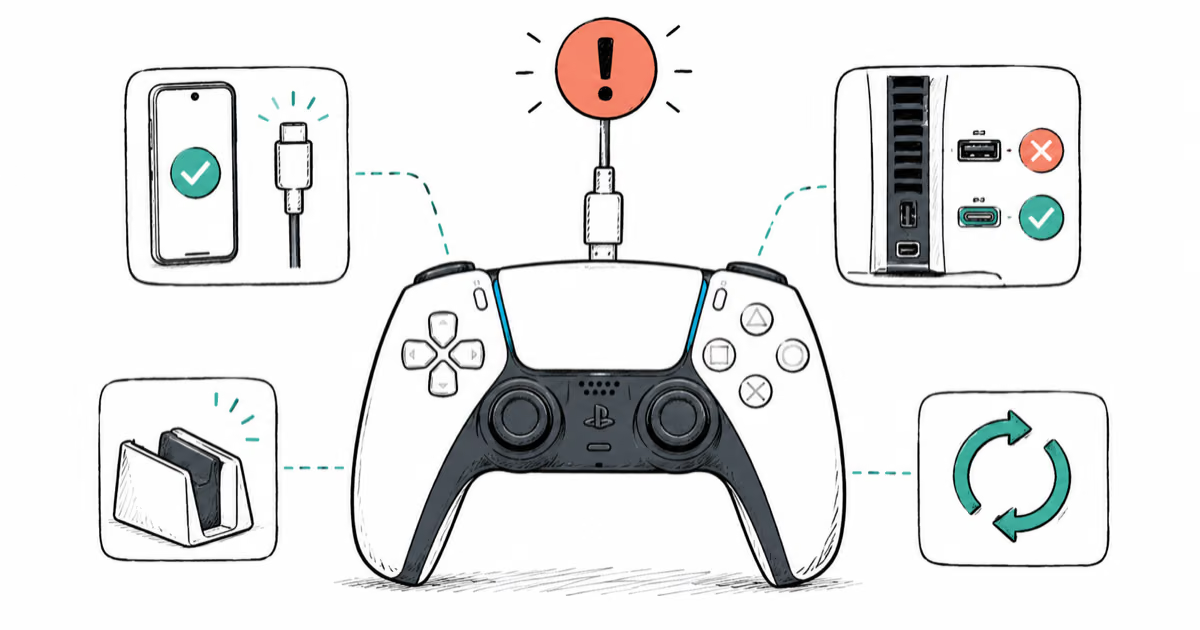
PS5 Controller Not Charging? 9 Fixes That Work (2026)
DualSense not charging? Swap the cable, use a rear port in Rest Mode, clean the USB-C port, and check power settings. 9 fixes for a dead PS5 controller.